


Volvo safety system vs other luxury car brands comes down to standardization and consistency versus brand-by-brand feature mixes. Volvo generally makes core crash-avoidance tech standard and emphasizes crashworthiness and post-crash response, suiting buyers who want safety “on” from day one.
Other Luxury Car Brands can match or exceed Volvo in specific areas, but availability and tuning vary by model and package. Choose Volvo if you value default, comprehensive protection; choose Other Luxury Car Brands if a specific model’s tests, options or driver-assist feel better fit your needs.
Volvo’s reputation for pragmatic safety is earned by bundling forward AEB, lane support, and structural protection across the lineup, then layering optional driver assistance. Many rivals deliver comparable capability, but the path to get the same net protection can require pricier packages or exact trims.
For U.S. shoppers in 2024–2026, official IIHS and NHTSA tests show a crowded top tier where Volvo and Other Luxury Car Brands both score well. The differentiator is often which features are standard, how the systems behave in your traffic, and ownership factors like calibration costs.
This guide translates those lab results into driveway decisions. We’ll outline what counts as “safety,” compare key systems side-by-side, then point to independent test data and real-world limits so you can decide if Volvo’s consistency or a rival’s specific strengths fit your family, commute and roads.
- Main difference: Volvo prioritizes standard, balanced safety coverage; Other Luxury Car Brands vary more by model and package.
- Best for A: Volvo suits buyers who want default AEB with pedestrian/cyclist detection, lane support and robust crash protection across trims.
- Best for B: Other Luxury Car Brands suit shoppers targeting a specific model’s standout test results or a driver-assist feel they prefer.
- Cost/value: Volvo often reduces “safety package” upsells; rivals can match coverage but may add option costs and calibration complexity.
- Important caveat: Top scores are common across the segment; verify the exact trim, year and test protocol before declaring a winner.
What “Volvo vs Other Luxury Car Brands” Means for Safety
This comparison covers crash avoidance, crashworthiness, protection for occupants/children/pedestrians, and post-crash response. It is not a blanket claim that one brand is always safest.
Crash avoidance includes technologies that help prevent or mitigate collisions, such as automatic emergency braking, lane support and blind-spot interventions. These vary in detection types, speed ranges and how assertively they act, which can affect both comfort and effectiveness.
Crashworthiness is the structure and restraints that protect people when a crash happens. Here we look at safety cages, airbags, whiplash protection and how vehicles manage energy in different impacts.
Post-crash response includes automatic SOS calling and braking to prevent secondary strikes. For families, child-seat fit and pedestrian detection are equally critical pieces that influence daily safety beyond raw crash-test scores.
Compare the same model year, body style and test protocol (e.g., IIHS updated moderate overlap, nighttime pedestrian AEB). Mixing tests or years can hide real differences.
Systems and Features at a Glance: Volvo vs Other Luxury Car Brands
At a high level, Volvo emphasizes standard forward AEB with vulnerable road-user detection, lane support and robust structure. Other Luxury Car Brands often match capability, but standard-versus-optional status and tuning differ.
Use the table to quickly see which protections are widely standard on new Volvos versus how they appear across Other Luxury Car Brands in the U.S. The goal is to highlight consistency, not imply others lack the tech entirely.
After reviewing, confirm specifics for your exact trim and options list, because two vehicles on the same lot can carry different sensors and software bundles that materially change protection.
| Feature | Volvo | Other Luxury Car Brands |
|---|---|---|
| Forward AEB (vehicle) | Standard across lineup | Standard on most models |
| Pedestrian detection (day) | Standard on most models | Commonly standard |
| Pedestrian detection (night) | Available; model/year dependent | Varies by brand/model |
| Cyclist detection | Standard or widely available | Often standard; varies |
| Intersection auto-brake (turning) | Available on many models | Less common; varies |
| Lane departure warning + lane-keeping | Standard | Usually standard |
| Blind-spot monitoring w/ steer assist | Standard or common package | Standard or optional |
| Rear cross-traffic alert + rear AEB | Available; increasingly standard | Increasingly common; varies |
| Adaptive cruise + lane centering | Available (package/trim) | Available (package/trim) |
| Driver attention/monitoring | Standard algorithms; camera-based on newest platforms | Widely varies by brand |
| Safety cage & advanced materials | High-strength/boron steel focus | Advanced materials common |
| Airbags incl. side/curtain | Extensive coverage; center airbag on select models | Extensive; center airbag on some |
| Post-collision braking & SOS | Standard eCall; post-impact aids | Common across the segment |
| OTA safety-related updates | Available on recent models | Varies (some lead on OTA) |
Interpretation: Volvo’s edge is consistency; you rarely need to chase a package to get core prevention features. Other Luxury Car Brands can equal or beat Volvo in specific functions, but availability and behavior depend more on the precise model and option build.
Volvo Safety Systems Explained (Standard vs Optional)
Volvo centers its safety story on standard crash-avoidance coverage plus structural engineering. That lowers the chance you’ll overlook a vital option during purchase.
Forward AEB (City Safety) with vehicle, pedestrian and often cyclist detection is widely standard, helping reduce common urban and suburban crashes. Lane Departure Warning and Lane Keeping Aid are typically standard, while Pilot Assist (adaptive cruise with lane centering) is commonly packaged or trim-dependent.
Volvo’s structural approach includes a rigid safety cage with extensive use of high-strength and boron steel, Side Impact Protection (SIPS), and whiplash protection seats (WHIPS). These aim to maintain survival space and reduce injury in rear- and side-impact scenarios.
Post-crash, U.S.-market Volvos include automatic emergency calling and features that can help limit secondary impacts. Child-seat fit is usually straightforward, with accessible LATCH points and head restraints designed with whiplash mitigation in mind.
Confirm the exact Volvo model year and trim. Features like Pilot Assist, rear AEB and intersection auto-brake can shift between standard and package status across years.
Volvo’s run-off road mitigation and oncoming-lane mitigation assist are designed to address less common but severe crash types by steering and braking support when road edges or encroaching traffic are detected.
Volvo Pros and Cons
- Core AEB and lane support are broadly standard, reducing option anxiety.
- Strong crashworthiness focus with safety cage and whiplash protection.
- Clear, conservative tuning that prioritizes predictability.
- Advanced assists like lane centering may require packages or trims.
- Nighttime pedestrian detection and rear AEB can vary by model/year.
- Conservative tuning may feel less “hands-off” than some rivals’ systems.
Other Luxury Car Brands’ Safety Systems (One Group, Same Basis)
Other Luxury Car Brands typically offer the same toolbox: forward AEB, lane support, blind-spot interventions, rear AEB and adaptive cruise with centering. The differences are standardization, sensor suites and tuning.
Some German brands make basic AEB and lane warnings standard but reserve intersection assist, extended rear AEB or advanced driver monitoring for higher trims or packages. Others, including certain Korean and Japanese luxury models, increasingly bundle robust pedestrian/cyclist detection and highway centering at lower prices.
Usability can vary. One brand’s lane centering might track curves more confidently; another may brake sooner for cross-traffic. OTA cadence also differs, which can influence how quickly improvements reach owners.
Bottom line: you can match Volvo’s feature set in this group, but you may need to pick the right model and options—and you should road-test the system behavior you’ll live with every day.
Some luxury brands gate advanced hands-free or lane-centering capabilities behind subscriptions or higher-spec packages. Price the full build, including any software unlocks.
Other Luxury Car Brands Pros and Cons
- Potentially stronger performance in specific tests or features.
- Broader variety in driver-assist feel and OTA pace.
- Competitive safety bundles on select trims and models.
- Key features may require pricey packages or subscriptions.
- Behavior and availability can vary widely by model and year.
- Mixed user experience across brands can complicate cross-shopping.
Independent Tests and Usability Evidence
Across 2023–2026, many Volvo models and Other Luxury Car Brands earn top scores in IIHS crashworthiness and strong ratings in NHTSA tests. Differences exist, but they’re model- and year-specific, not universal by brand.
In IIHS evaluations like the updated moderate overlap and small overlap tests, plus pedestrian AEB (including nighttime scenarios), top luxury models from multiple brands perform well. However, updates to protocols can reshuffle leaders, so verify the exact year and trim for any vehicle you’re comparing.
NHTSA’s 5-Star program also shows clustering at the top. A 5-Star overall rating for both sides is common, so secondary factors—rear-seat protection, headlight ratings, and driver-assist behavior—often become the true tiebreakers.
Usability studies and owner feedback frequently cite differences in false alerts, lane-centering confidence and driver attention prompts. These practical traits are best validated in a thorough test drive on your real routes.
Drive at dusk, in rain and on a divided highway. Note lane-centering steadiness, false AEB alerts, blind-spot nudges, speed-limit recognition accuracy and hand-on-wheel prompts.
For broader context on crash outcomes, see our analysis of old Volvo vs new car crash outcomes and our breakdown of how Volvos perform in car-to-car crashes in mixed traffic.
Real-World Strengths, Limits and False Assumptions
No current system makes a car “crash-proof.” Both Volvo and Other Luxury Car Brands can miss or misclassify hazards in rain, snow, glare or when cameras/radars are obscured. Tall vehicles, complex intersections and construction zones remain hard.
Automatic braking is a backstop, not a primary driving strategy. Expect performance windows: some systems are optimized for city speeds, others for highways. Nighttime and adverse weather generally reduce detection range and reliability.
Driver monitoring varies from steering-torque sensing to camera-based attention checks. Regardless of brand, eyes-forward and hands-on remain mandatory, and even “hands-free” features have strict operational boundaries and driver responsibility.
Plan on occasional false alerts or nudges. The real measure is whether the system’s behavior is consistent and predictable for you and your passengers during daily use.
Clean sensors regularly, replace damaged windshields with ADAS-calibrated glass, and avoid dash-mounted items that block cameras. Small obstructions can disable key protections.
Ownership Costs: Calibration, Repairs and Updates
Advanced safety gear carries ownership implications. Windshield replacements with camera calibration, radar alignment after minor bumps and sensor cover repairs can add to routine costs for both Volvo and Other Luxury Car Brands.
Typical ADAS calibration after windshield work can range a few hundred dollars to over a thousand, depending on the vehicle and your market. Paint or bodywork near sensors may require recalibration, and alignment quality directly affects system accuracy.
Software updates matter. Some brands push frequent OTA refinements, while others rely on dealer updates tied to service visits. Budget time for periodic system checks after tire, alignment or suspension changes.
Ask for itemized quotes on ADAS calibrations with glass or body repairs, and verify whether your insurance policy covers OEM glass and sensor recalibration for safety systems.
Best Choice for Families, Older Drivers, Commuters and Tech-Focused Buyers
For families and safety-first shoppers, Volvo’s consistent standardization reduces the risk of missing critical protections. For commuters and tech-focused buyers, the “feel” of lane centering, hands-off allowances and OTA cadence may tip the scales toward a specific rival model.
Evaluate your use case honestly. If you share the car with multiple drivers, predictable tuning and clear alerts can matter more than headline features. If you’re tech-forward, you might prefer a brand pushing rapid software iterations—even if that means option packages or subscriptions.
How to Verify the Exact Safety Equipment on a Vehicle
Two visually identical luxury cars can have different sensors and software. Verify the build before you buy or test.
Use this five-step checklist to confirm that what you’re expecting—rear AEB, intersection assist, lane centering and pedestrian detection—is truly present and active on the specific VIN you’re shopping.
- Run the VIN through the manufacturer’s build sheet or dealer DMS printout to list safety and ADAS options.
- Open the infotainment Safety/Driver Assist menus and confirm each feature toggles on/off with sub-settings.
- Inspect for sensors: camera at windshield, radar behind grille/emblem, rear radar in bumper corners.
- Request a brief demo in a safe, empty area: lane centering engagement, blind-spot steer assist and rear AEB.
- Ask for calibration history if glass/body work was done; verify no active ADAS warnings.
In the vehicle’s manual or on-screen help, read the operating conditions and limits for each feature you plan to use regularly—especially nighttime pedestrian AEB and lane centering.
How to Decide Between Volvo and Other Luxury Car Brands
Both sides can be excellent; the decision hinges on feature certainty versus a tailor-made build and feel. Use a structured approach to cut through marketing names.
Follow these steps to choose the right fit for your roads, drivers and budget while keeping your focus on comparable tests and real-world behavior instead of feature labels alone.
- List must-haves: rear AEB, nighttime pedestrian detection, intersection assist, lane centering, SOS eCall.
- Pull IIHS headlight and updated crash ratings for the exact years you’re shopping; shortlist only top performers.
- Test night driving on your commute; evaluate lane-centering steadiness and glare/curve illumination.
- Price the full build, including required packages/subscriptions for rivals; compare to Volvo’s standard kit.
- Project ownership: ask for ADAS calibration quotes from a local glass/body shop for each candidate model.
If you’re weighing German rivals specifically, our focused Volvo vs BMW safety comparison unpacks trim and feature nuances that can affect your final call.
Before we move to FAQs, here’s one practical shortcut to spot meaningful differences quickly on a test drive.
💡 Evans Torres Tip: In the ADAS menu, set lane-centering to its “normal” or default mode across all candidates, then drive the same three places: a curved highway ramp, a faded-lane suburban road and a dimly lit arterial at 35–45 mph. Note steering smoothness, disengagements, and camera warnings. The car that stays calm and predictable in those three spots usually wins daily life.
Frequently Asked Questions
Shoppers often ask whether Volvo’s reputation translates into clear wins over Other Luxury Car Brands and how to separate feature names from real performance. These answers target common decision points: standard equipment, test scores, driver-assist feel, ownership costs and used-vehicle verification. Keep in mind that top-tier luxury safety is crowded; the right choice pairs verified equipment with the system behavior you actually prefer on your routes.
Is Volvo definitively safer than Other Luxury Car Brands?
No. Many 2023–2026 luxury models across brands earn top IIHS and strong NHTSA ratings. Volvo’s advantage is consistency—core AEB and lane support are often standard. Individual rivals can outperform in specific tests or features, so compare the exact model year, trim and test protocols before choosing.
Which features does Volvo commonly include as standard?
Across recent U.S. models, forward AEB with vehicle and vulnerable road-user detection, lane departure warning and lane-keeping are typically standard. Blind-spot with steer assist, rear AEB, intersection assist and lane centering are often included via packages or higher trims, so verify per model year.
Do Other Luxury Car Brands offer better hands-free systems?
Some do provide more permissive lane-centering or limited hands-free capability on mapped highways, sometimes with subscriptions. Others emphasize driver engagement similar to Volvo. If hands-free is a priority, target models whose systems match your routes and confirm any ongoing fees.
How do real-world conditions affect pedestrian AEB at night?
Performance can drop across all brands due to low contrast, glare and sensor limitations. Updated IIHS nighttime pedestrian tests highlight differences, but even high performers have limits. Drive your route after dark and check for clear alerts, confident braking behavior and reliable headlight illumination.
What ownership costs should I expect for ADAS repairs?
Windshield replacements with camera calibration and radar alignment after minor repairs can add hundreds to over a thousand dollars, brand-agnostic. Use OEM glass where required, and confirm your insurer covers ADAS recalibration to keep safety features functioning correctly.
Are used luxury cars missing safety features newer models have?
Potentially. Protocol updates and feature rollouts mean a 2020 car may lack rear AEB or advanced pedestrian detection that’s common by 2025. Run the VIN build sheet, visually confirm sensors, and road-test specific functions. Our guides on crash outcomes also help set expectations for older vehicles.
Where can I see how Volvos behave in mixed-vehicle crashes?
Start with independent IIHS/NHTSA results, then read our deep dives on Volvo vs car crash performance and comparative context like old Volvo vs new car crash outcomes to understand structural and feature advances.
Final Verdict
The evidence says both sides can be exceptionally safe. Volvo’s practical advantage is how often core protections arrive standard, reducing package hunting and ensuring you don’t miss essentials. For many families and shared vehicles, that consistency and conservative tuning are worth prioritizing.
Other Luxury Car Brands can match or surpass Volvo in select tests or driver-assist ambition. If you value hands-free capability, rapid OTA evolution or a particular model’s standout rating, focus there—just price the full build and confirm the exact equipment. Your best choice is the vehicle whose verified features and on-road behavior feel intuitive, predictable and reliable in your daily conditions.
My Top Picks at a Glance
These three Volvo accessories are practical options to compare after choosing the right Volvo configuration.
 Best Overall
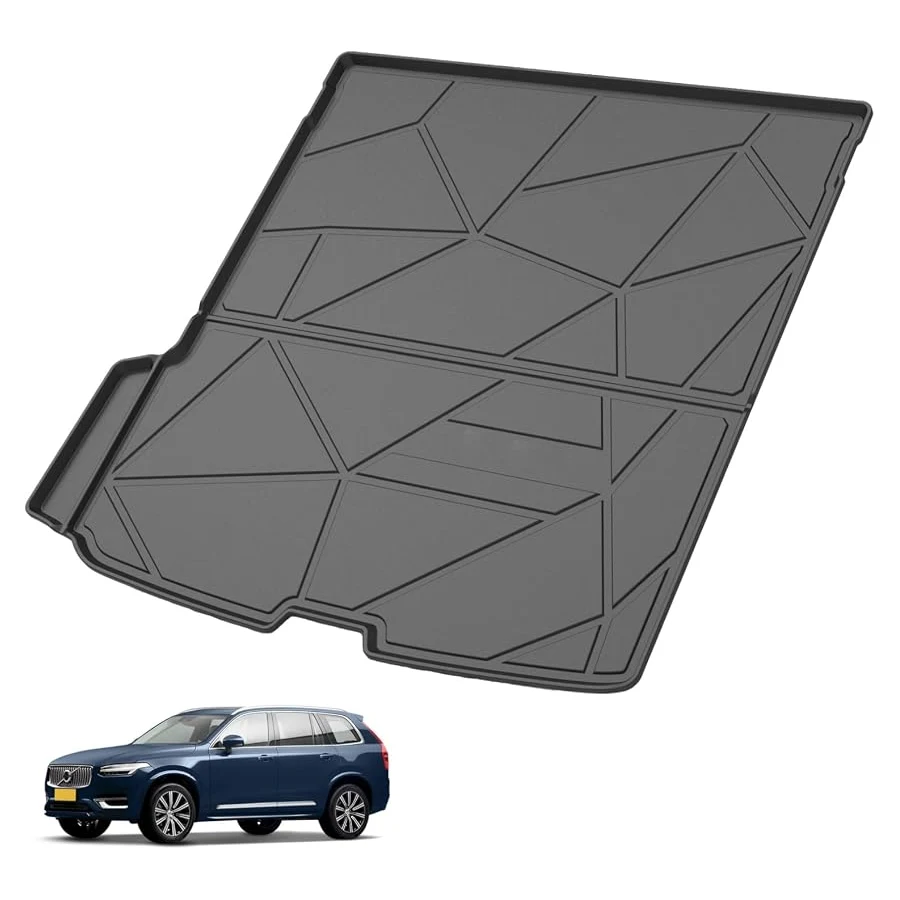
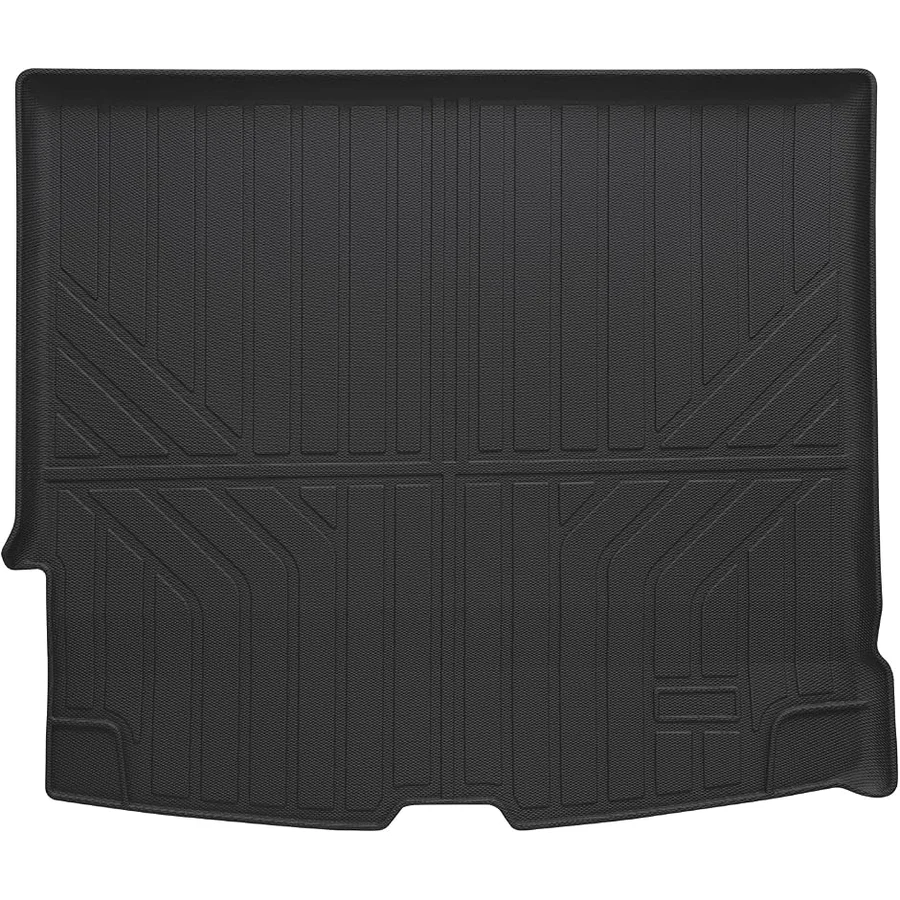
Elsetyler Volvo XC90 Cargo Liner 2016-2026, Black TPE All-Weather, Heavy-Duty Waterproof Trunk Protector
A vehicle-fit accessory to compare for compatibility, daily usefulness, and value.
 Best Value
Volvo XC60 Cargo Liner 2018-2026, TPE All-Weather Trunk Mat, Waterproof and Easy to Clean
A vehicle-fit accessory to compare for compatibility, daily usefulness, and value.
 Best Premium Option
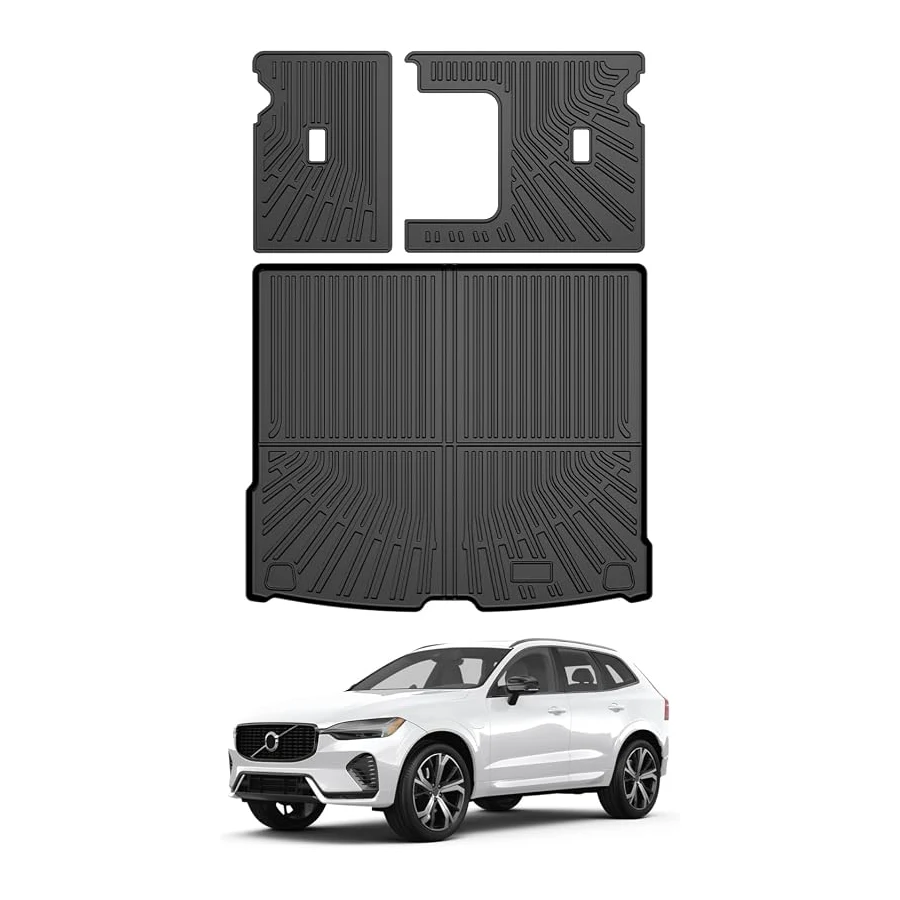
Mixsuper Volvo XC60 Cargo Liner 2018-2025, All-Weather TPE Trunk and Backrest Mat, Seat Protector
A vehicle-fit accessory to compare for compatibility, daily usefulness, and value.
Sources and Methodology
This U.S.-market comparison focuses on 2023–2026 luxury cars and SUVs. We matched features by manufacturer documentation and compared safety performance using common protocols: IIHS crashworthiness and crash avoidance (including updated and nighttime pedestrian tests where available) and NHTSA 5-Star results. We did not assume brand-wide superiority; instead we emphasized standardization, availability and usability. Data limitations include mid-year changes and package variation. Verification date: August 2026.
Author

Author

Evans Torres
I’m Evans Torres, an automotive engineer who loves Volvo cars. I graduated in Automotive Engineering from USC. I have worked in the car industry for years and now share my knowledge on The Volvo Life. I started this blog to connect with other Volvo fans. I offer tips, news, and advice to help you care for your car. My goal is to help you keep your Volvo in great shape and find all the best things about it. Join me as we discover everything Volvo has to offer!