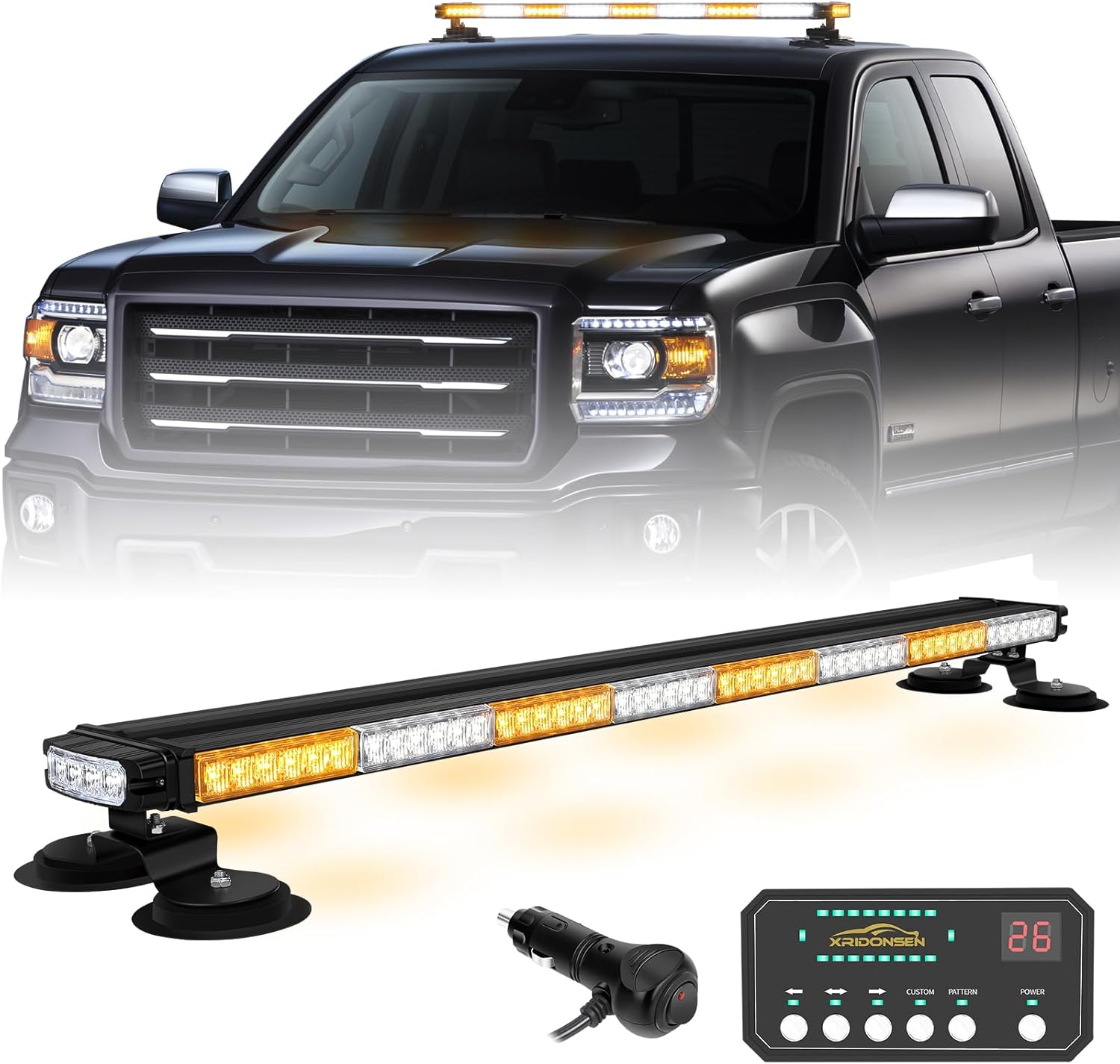



A jump starter for Volvo V40 should be a 12V lithium pack rated 1000–1500 peak amps for petrol engines; pick 1800–2000A for V40 D2/D3 diesels or sub‑freezing climates. Prioritize reverse‑polarity protection, short-circuit/overheat safeguards, and a manual “boost” mode for deeply discharged batteries.
A dead V40 battery shows up at the worst times — an early shift, a cold school run, or a grocery lot. Modern start/stop systems and short-trip driving tax the 12V battery harder than older cars.
This guide sizes a proper jump starter for the Volvo V40, shows safe connection steps, and points to the best types and where to buy — with winter storage and troubleshooting covered.
- Main point: Most V40 petrol engines crank reliably with a 12V lithium jump starter rated 1000–1500A; diesels/cold climates need 1800–2000A.
- Best first step: Use the V40’s under‑hood jump posts and connect negative to the chassis ground as labeled in the owner’s manual.
- Cost or value: Quality lithium boosters run $80–$200; expect 3–5 years of service with monthly top‑ups.
- Who it suits: Daily commuters, cold‑climate owners, and anyone parking on the street or at airports.
- When to get help: If a healthy‑sized booster won’t crank the V40 after two attempts, test/replace the 12V battery and check charging system.
Wants a compact, glovebox‑ready booster that starts a V40 without waiting for roadside assistance.
Faces winter cold‑crank issues; needs 1800–2000A with robust clamps and low‑temp performance.
Prefers a safe, protected unit with a manual boost mode and a built‑in flashlight for night use.
What a Volvo Jump Starter Is — And How It Differs From a Charger
A jump starter is a portable 12V power pack that delivers a brief high‑amp burst to crank the engine when the battery can’t. It doesn’t “charge” the battery in minutes — it just gets you started. This connects closely with can you get a remote start key for Volvo XC90 if you want to compare the topic in more detail.
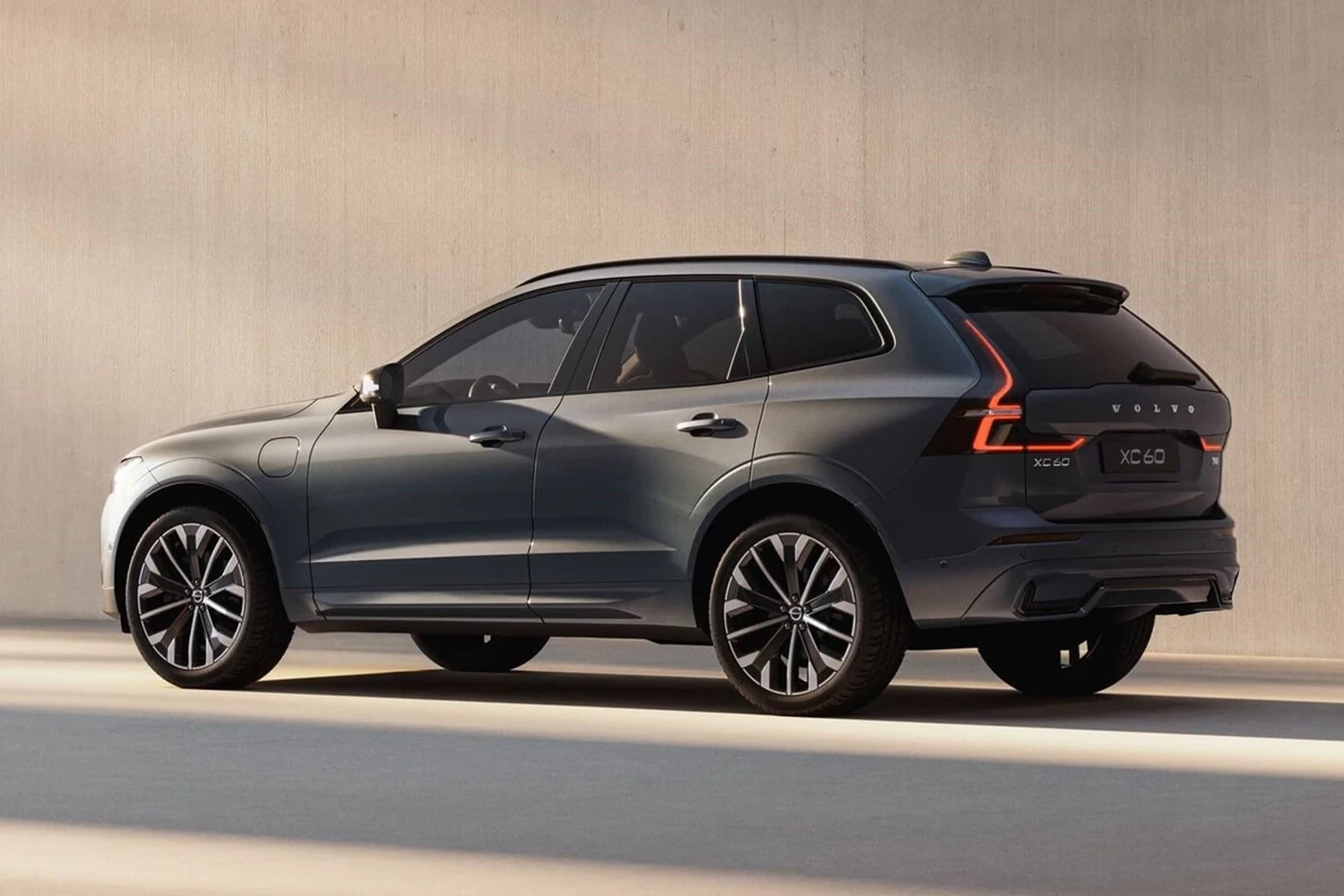
A battery charger feeds the battery at a lower rate for hours to restore state‑of‑charge. Smart maintainers keep an infrequently used V40’s battery healthy; a jump starter is for emergencies on the spot.
Most modern V40s use an AGM battery with dedicated under‑hood jump posts. Connecting at the posts — not directly to the battery — reduces spark risk and protects sensitive modules.
Why Volvo V40 Owners Should Keep a Jump Starter
Short urban trips, stop‑start use, and accessories left on drain the 12V battery faster than you think. An aging AGM (4–6 years is typical) may still light the dash but fail to crank.
Parking in remote lots or street parking makes waiting for a jump inconvenient. A compact lithium booster fits in the boot and works even when no one’s around to help.
Always check your V40 owner’s manual for the exact jump points and any model‑year specifics. Volvo’s support site also details jump‑starting steps and warnings for recent models.
Here’s a quick view of common V40 scenarios and the right jump‑starter size to carry.
Use the higher amp recommendation if you regularly see below‑freezing mornings or drive a diesel V40 — compression requires more cranking current in cold weather.
| Scenario | Why a booster helps | Recommended peak amps | Notes |
|---|---|---|---|
| V40 petrol 1.6–2.0L | Typical no‑start after short trips | 1000–1500A | Reverse‑polarity protection a must |
| V40 D2/D3 diesel | Higher compression needs more current | 1800–2000A | Prefer heavy‑duty clamps/cables |
| Cold winter (< 20°F) | Cold‑crank amps drop in low temps | 1500–2000A | Pre‑warm pack indoors if stored cold |
| Start/Stop equipped | AGM battery cycling ages faster | 1200–1500A | Connect at under‑hood jump posts |
| Infrequent driving | Parasitic draw over weeks | 1000–1200A | Add a maintainer to prevent repeats |
| Airport parking | No nearby donor vehicle | 1200–1500A | Keep pack 60–100% charged |
Best Jump Starter Types for Volvo Cars (V40 Included)
Lithium jump starters dominate for V40 use — they’re small, powerful, and keep a charge for months. Heavy‑duty packs trade size/weight for better extreme‑cold performance.
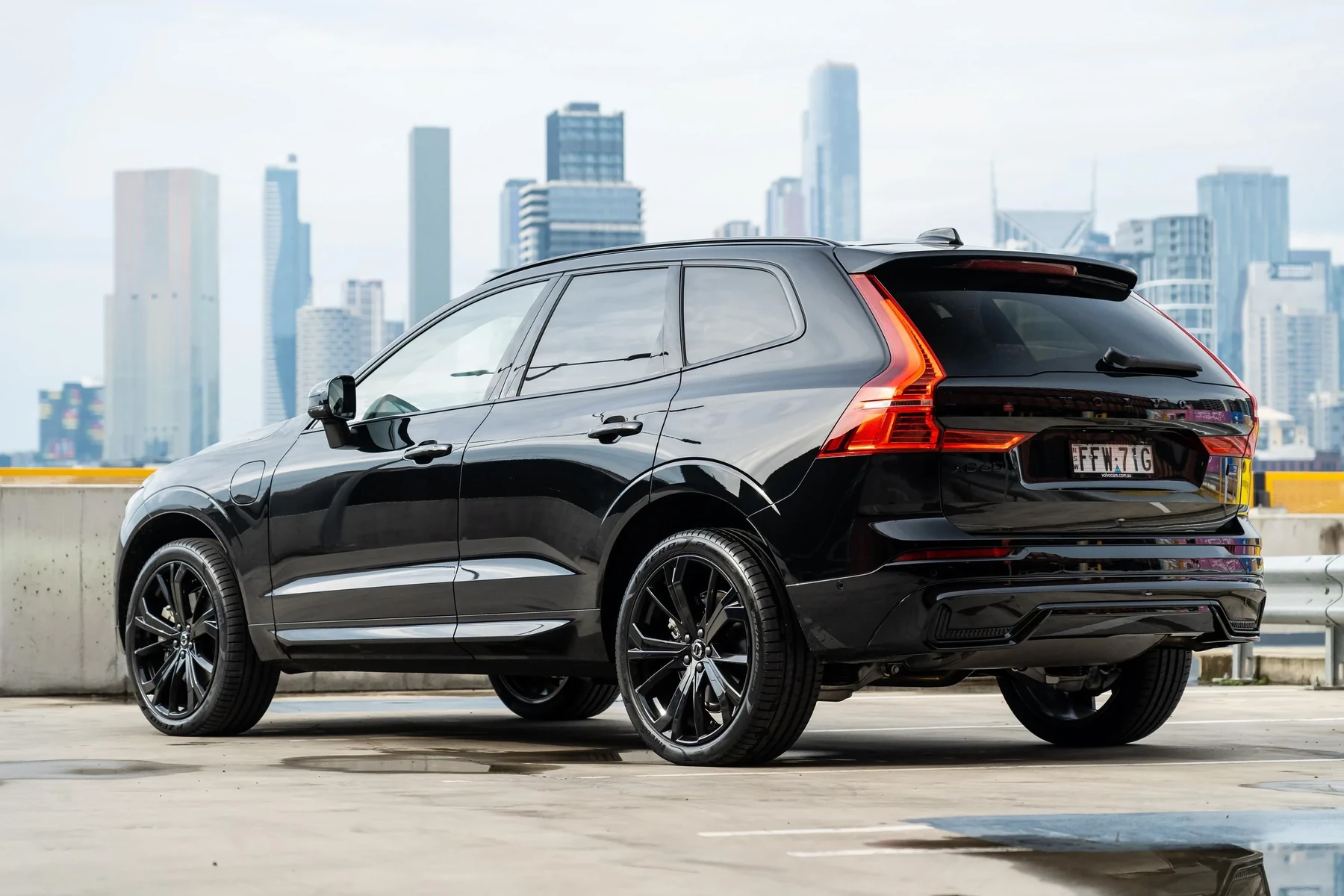
Choose units with smart protections: reverse‑polarity, spark‑proof clamps, over‑current, and a manual “boost” button when the V40’s battery is below 8–9 volts.
| Type | Typical peak amps | Best for | Approx price | Verdict |
|---|---|---|---|---|
| Lithium compact | 1000–1500A | V40 petrol, mild winters | $80–$140 | Best all‑around for most owners |
| Lithium heavy‑duty | 1800–3000A | V40 diesel, sub‑freezing climates | $120–$220 | Extra headroom and colder‑temp cranking |
| Lead‑acid booster | 700–1700A | Garage use, very low temps | $100–$180 | Bulky; stable in extreme cold |
| Power bank hybrid | 800–1200A | Glovebox backup + device charging | $70–$120 | Convenient, ensure real cranking output |
Volvo V40 Jump Starter Sizing by Engine
Most V40 petrol engines (1.6–2.0L) crank fine with 1000–1500A lithium units. For older or high‑mileage engines, lean to the upper end for margin.
Diesel D2/D3 variants are happiest with 1800–2000A, especially below freezing. Consider thicker 8‑gauge clamps for better voltage delivery.
- V40 petrol 1.6–2.0L: 1000–1500A, smart protections, boost mode.
- V40 D2/D3 diesel: 1800–2000A, heavy‑duty clamps, cold‑rated pack.
- Start/Stop (AGM): Same sizing as above; connect to under‑hood posts.
For a complete walk‑through on jump‑starting technique using a Volvo, see our step guide in Jump‑Start a Car with a Volvo: Step‑by‑Step.
Jump Starters for Volvo Diesel, Hybrid, and Electric Models
Diesel V40s need more peak amps due to higher compression — 1800–2000A is the safe window in winter. Petrol V40s rarely need that much unless the battery is severely drained.
For Volvo hybrids (e.g., T8 in other models), you only jump the 12V accessory battery using the under‑hood posts. Never connect to the high‑voltage system.
Never attempt to jump a high‑voltage hybrid or EV traction battery. Only the 12V system is jump‑started, at the designated posts. If unsure, consult Volvo Support documentation first.
What Size Jump Starter Do You Need? 5 Factors That Decide
Picking the right unit is about more than a big number on the box. Engine size, fuel type, temperature, battery health, and cable/clamp quality all affect cranking success.
Use these five checks to choose confidently for a V40 that starts on the first try.
- Engine/fuel type: Diesel needs ~30–40% more peak amps than similar petrol.
- Cold weather: Below 20°F, target 1500–2000A and pre‑warm the pack.
- Battery health: Deeper discharge needs a booster with manual “boost”.
- Cable/clamp quality: Thick, low‑resistance leads drop less voltage.
- Safety electronics: Reverse‑polarity and over‑current protections are non‑negotiable.
- Charge your jump starter to 100% before winter and top it off monthly.
- Test‑fit the clamps on your V40’s jump posts at home so you’re not fumbling at night.
- Store the pack inside the cabin in extreme cold; warm cells deliver more current.
- Log any jump events; two jumps in a week typically means the 12V battery needs replacing.
How to Use a Jump Starter on a Volvo V40 Safely
These steps mirror Volvo’s recommended approach using under‑hood posts. Read them fully once before you need them. If you’re helping another car, also review our guide to using a Volvo to jump‑start another car safely.
- Park and prepare: Park safely, engage the parking brake, switch off lights and accessories, and open the bonnet.
- Locate jump posts: Find the positive (+) jump post and the recommended negative ground point per the V40 manual.
- Connect clamps: Red clamp to the positive post, black clamp to the chassis ground point — not the battery negative terminal unless the manual directs it.
- Power the pack: Turn on the jump starter. If the V40 battery is very low, enable manual “boost” per the unit’s instructions.
- Start the engine: Crank for up to 5 seconds. If it doesn’t start, wait 30–60 seconds and try once more.
- Disconnect safely: Turn off the booster, remove black (ground) then red (positive) clamps, and stow the unit.
- Recharge the pack: Charge your jump starter fully at home and drive the V40 20–30 minutes to replenish the 12V battery.
Do not jump a swollen, frozen, or leaking battery. Avoid sparks near the battery and always connect the negative clamp to the recommended chassis ground point to reduce explosion risk.
Charging and Storing Your Jump Starter in Winter
Lithium boosters slowly self‑discharge. Keep them between 60–100% and top them off monthly. In freezing weather, store inside the cabin or a heated garage for better output.
Most packs list an operating range — stay within it. If the case feels hot after a crank attempt, let it cool before recharging.
At 32°F (0°C), lithium cells can deliver 20–40% less current than at room temperature. Warming the pack indoors for 10–15 minutes can make the difference between a failed and a successful start.
Where to Buy a Jump Starter for Volvo V40
Reputable options include Amazon (authorized brand storefronts), local auto‑parts chains, and big‑box retailers. Look for clear listings of peak amps, safety protections, and warranty terms.
Volvo dealers may stock boosters, but consumer units offer better value. Always verify seller authenticity to avoid counterfeits.
After a successful jump, you might see reminders or stored alerts. If you’re maintaining a V40, our Volvo V40 maintenance schedule helps prevent future no‑starts.
Jump Starter Troubleshooting
No crank after connecting? Confirm the pack is charged above 60%, the clamps are fully seated on clean metal, and the ground point is correct. Enable manual “boost” if voltage is too low for the safety circuit to detect.
Still no start? Your pack may be undersized for the engine or the battery may be failed. Scan for charging‑system faults if the issue repeats.
- Reverse‑polarity light on: Clamps reversed — fix immediately.
- Sparks or hot clamp: Poor connection — reseat on bare metal.
- Starts then stalls: Battery too weak or alternator issue — test/replace.
Common Mistakes — And When to Replace the Battery Instead
Wrong clamp order and clamping to the battery negative terminal (instead of the chassis ground) are the top two errors. Jumping a damaged battery is hazardous — replace it rather than forcing a start.
Needing two or more jumps in a week usually means the battery is near end‑of‑life. Schedule testing and replacement rather than relying on the booster.
After any battery event, you may want to clear service reminders or check for stored alerts. For V40 owners, see our steps to reset the Volvo V40 service light if needed.
Want a deeper technique refresher? Our full Volvo jump‑starting walkthrough covers real‑world tips and photos in the article linked earlier, and Volvo’s official jump‑starting guidance is available from Volvo Support. For cold‑weather battery care, AAA provides seasonal battery advice worth bookmarking (AAA Battery Info).
Before the FAQs, one more practical V40 note below.
💡 Evans Torres Tip: I keep a 2000A lithium booster behind the V40’s left trunk panel with my gloves and a small wire brush. On a 12°F morning last winter, it cranked my D2 after two 3‑second attempts — the first failed because the clamp wasn’t biting clean metal. Brushing the ground point solved it instantly.
Frequently Asked Questions
Here are quick answers V40 owners ask most about jump starters — sizing, safety on diesel and start/stop cars, winter storage, and when a jump points to a failing battery rather than a one‑off drain. Save this for glovebox reference.
What size jump starter do I need for a Volvo V40 petrol engine?
Most V40 petrol engines (1.6–2.0L) start reliably with a 12V lithium jump starter rated 1000–1500 peak amps. Choose a unit with reverse‑polarity protection and a manual “boost” mode. In colder states or for high‑mileage engines, lean closer to 1500A for extra cranking margin.
Can a 1000A jump starter start a V40 D2/D3 diesel?
Sometimes, but it’s hit‑or‑miss in the cold. Diesel compression requires more cranking current, so 1800–2000A is the safer choice, especially below 20°F. Heavier clamps and thicker cables reduce voltage drop and improve diesel start success.
Where are the jump‑start terminals on the V40?
Use the positive jump post under the bonnet and the designated ground point on the chassis — not the battery negative terminal unless your owner’s manual instructs it. Volvo specifies under‑hood posts on most modern V40s to protect electronics and reduce spark risk.
Is it safe to use a jump starter on a start/stop (AGM) V40?
Yes — you’re jump‑starting the 12V system exactly as designed. Connect at the under‑hood posts, not the battery terminals, and follow the clamp order. A jump won’t harm a healthy AGM battery, and it won’t interact with any high‑voltage system (the V40 is 12V only).
How often should I charge my jump starter?
Top it off monthly, and always before a long trip or a cold snap. Most lithium packs self‑discharge slowly; keeping it between 60–100% ensures max current when needed. After any crank attempt, fully recharge the pack at home the same day.
Will jump‑starting trigger warning lights or reset settings?
Occasionally you’ll see temporary messages after a low‑voltage event. Most clear after a short drive. If you need to clear a reminder manually on your V40, follow our V40 service light reset steps. Persistent warnings point to a weak battery or charging fault.
Can my V40 safely jump‑start another car?
Yes, but use the V40 under‑hood posts and follow correct clamp order. Keep accessory loads off, and disconnect in reverse order. For a full walkthrough with safety notes, see our guide on using a Volvo to jump‑start another car.
When should I replace the battery instead of relying on a jump starter?
If you need more than one or two jumps in a week, have slow cranks after an overnight park, or measure resting voltage under 12.2V repeatedly, plan on replacement. A booster is an emergency tool, not a fix for a sulfated or aged 12V battery.
Final Verdict
For a Volvo V40, a 12V lithium jump starter rated 1000–1500A covers most petrol engines; diesels and deep‑winter owners should pick 1800–2000A with robust clamps.
Connect at the under‑hood posts, ground to chassis, and use a booster’s manual “boost” if the V40 battery is deeply drained. If a properly sized pack can’t start the car twice in a row, test and replace the 12V battery instead of chasing jumps.
Author

Author

Evans Torres
I’m Evans Torres, an automotive engineer who loves Volvo cars. I graduated in Automotive Engineering from USC. I have worked in the car industry for years and now share my knowledge on The Volvo Life. I started this blog to connect with other Volvo fans. I offer tips, news, and advice to help you care for your car. My goal is to help you keep your Volvo in great shape and find all the best things about it. Join me as we discover everything Volvo has to offer!