


jump starter for volvo forklift — choose a commercial‑grade booster that supports 12V and 24V systems. Aim for 3000–5000A peak on 24V diesels and 2000–3000A on 12V engines. For Volvo cars and SUVs, a 12V lithium pack rated at 2000A reliably starts most gas engines in cold weather.
A warehouse diesel forklift that cranks slow, a construction site loader left with lights on, or a Volvo SUV parked at an airport for a week all point to the same solution — the right jump starter matched to voltage and engine size. You can also use do scanner for Volvo exist as a helpful next guide on the same ownership topic.
This guide shows the exact type and size you need for Volvo cars, diesel forklifts, and heavy equipment, plus safe steps, winter storage, and when to replace the battery instead of jumping again. For another practical angle, see did scanner for Volvo need calibration.
- Main point: Match voltage first (12V vs 24V), then pick peak amps appropriate to engine size and cold climate.
- Best first step: Verify system voltage on the machine’s data plate or owner’s manual before connecting clamps.
- Cost or value: $100–$180 covers strong 12V car units; $350–$900 buys quality 12V/24V industrial boosters.
- Who it suits: Daily drivers, cold-climate owners, and fleet/heavy-equipment operators.
- When to get help: Swollen/leaking batteries, repeated no-starts in a week, or unknown 24V wiring — call a pro.
What Is a Jump Starter for Volvo Forklift vs a Battery Charger
A jump starter is a portable, high-discharge power pack that delivers a short burst of current to crank an engine immediately. It’s for getting moving now, not refilling a weak battery.
A battery charger feeds low, steady current to recharge a battery over hours. Smart chargers can recover a battery; jump starters cannot “restore” capacity — they only help crank.
Cold cuts cranking power fast. At 0°F (-18°C), a battery may deliver ~50–60% of its rated cold cranking amps (CCA). That’s why a 2000A car booster that works in summer can feel undersized in deep winter.
Why Carry a Jump Starter for a Volvo Car or Forklift
Dead batteries don’t schedule themselves. Short trips, parasitic drains, and winter mornings all stack the odds against a first-try start. A glovebox-sized booster turns a delay into a two-minute fix.
Forklifts and yard equipment often sit between shifts with lights or beacons left on. A 12V/24V industrial booster keeps operations moving without hunting down another machine for cables.
Here is a quick scenario guide so you can match your use case to the right tool before you buy.
For personal cars, focus on 12V lithium units with solid clamps and reverse-polarity protection. For forklifts and site gear, ensure 24V support and rugged cables.
| Use case | System voltage | Recommended booster | Notes |
|---|---|---|---|
| Volvo car/SUV (2.0T–3.0L gas) | 12V | Lithium 12V, 1500–2000A | Works in most U.S. climates; go 2000A for cold starts |
| Volvo car/SUV (diesel, older 5-cyl) | 12V | Lithium 12V, 2000–3000A | Diesels need higher burst current |
| IC engine forklift (small diesel) | 12V | Commercial 12V, 2000–3000A | Check data plate for 12V cranking circuit |
| IC engine forklift (medium/large diesel) | 24V | Commercial 12V/24V, 3000–5000A | Must support 24V; automotive 12V-only packs won’t work |
| Electric forklift (traction battery) | 24–80V | Do not jump; use charger | Jump starters are not for traction packs |
| Volvo CE excavator/loader (diesel) | 12V/24V | Commercial 12V/24V, 3000–5000A | Confirm voltage; many are 24V |
Best Jump Starter Type for Volvo Cars, SUVs, and Forklifts
Three categories cover 99% of Volvo and forklift needs: compact lithium 12V boosters (cars), heavy-duty 12V units (larger engines), and dual-voltage 12V/24V commercial packs (diesel forklifts and construction gear).
Pick for voltage first, then peak amps. Smart safety features like reverse-polarity and spark-proof clamps are non-negotiable for casual users.
| Type | Typical peak amps | Best for | Approx price (USD) | Verdict |
|---|---|---|---|---|
| 12V lithium compact | 1500–2000A | Volvo cars/SUVs up to 3.0L gas | $100–$180 | Best glovebox option; light and safe |
| 12V lithium heavy-duty | 2000–3000A | Diesel cars, tough cold starts | $160–$260 | Extra margin for winter and diesels |
| 12V/24V commercial | 3000–5000A | Diesel forklifts, loaders, trucks | $350–$900 | Fleet-grade clamps/cables; dual voltage |
| Lead-acid wheeled cart | 1000–3000A | Shops/yards, frequent use | $400–$1,200 | Rugged, serviceable, but heavy |
For most car owners, a 12V 2000A lithium pack is the sweet spot. For any 24V forklift or Volvo CE diesel, step straight to a dual-voltage commercial unit.
Keeps a 12V lithium booster in the Volvo for winter mornings or airport parking returns.
Chooses 2000–3000A with rubberized clamps to overcome low-CCA mornings.
Uses a dual-voltage 12V/24V pack with long cables to service forklifts and yard gear.
Volvo Model-Based Jump Starter Guide
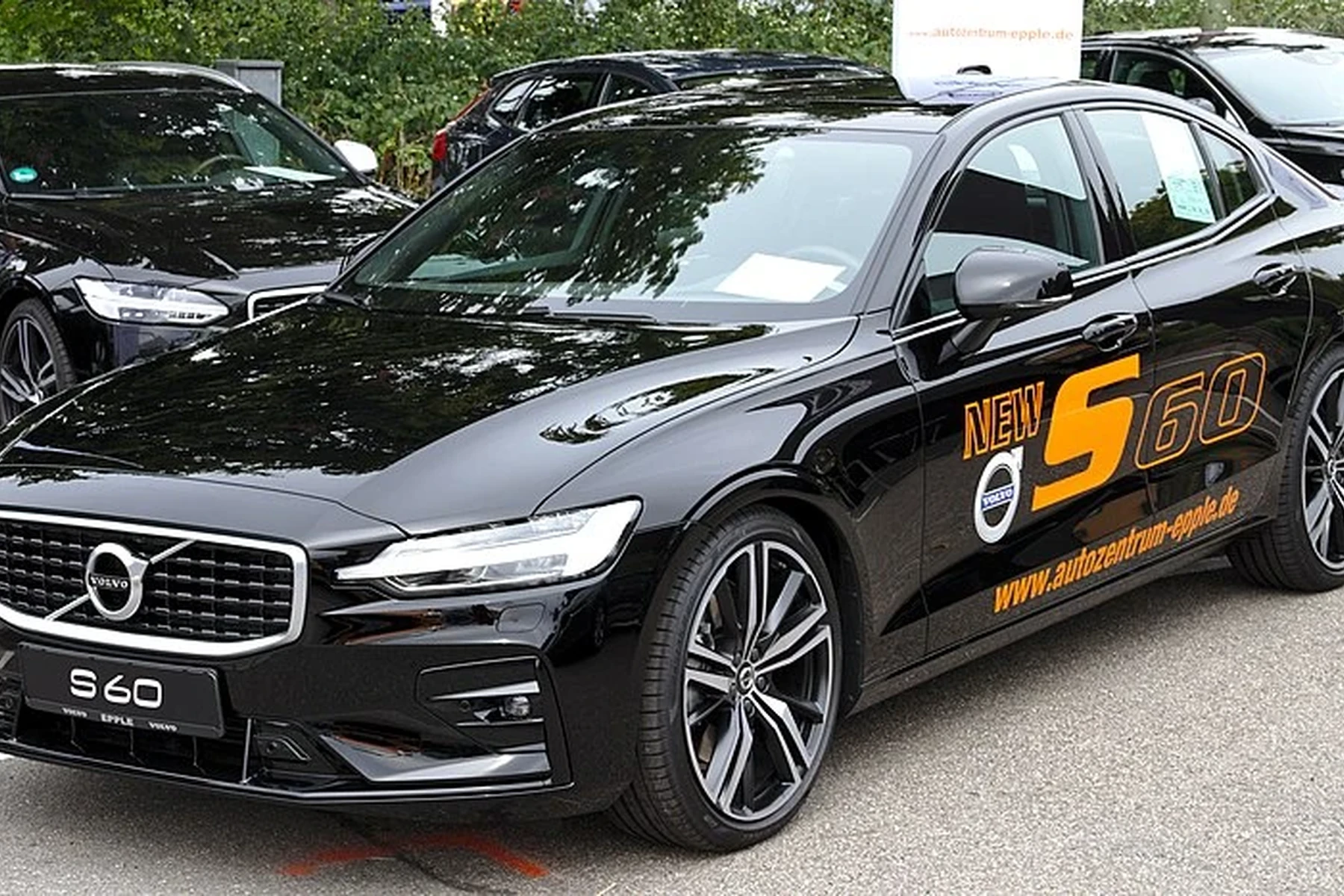
Modern Volvo SPA/CMA 4‑cylinder turbos (XC90, XC60, XC40, S60, V60, V90) start reliably with 12V lithium units rated 1500–2000A. Older 5‑cylinder and diesel trims benefit from 2000–3000A. For related context, you may also want to read is scanner for Volvo XC60.
Always use the designated jump posts shown in the owner’s manual; many newer models place the negative jump point on chassis ground, not the battery terminal.
- Check the Volvo’s under-hood label for battery type (AGM/EFB) and location of jump posts.
- In winter, “wake up” the booster indoors for 5–10 minutes; lithium output improves when warm.
- Save fault codes after a low-voltage event with an OBD scanner before clearing anything.
- Recharge the jump starter after every use; don’t store it under 50% charge for months.
If you need to avoid triggering the alarm on certain models during a jump, see our step-by-step on how to jump start a Volvo S60 without setting off the alarm.
Jump Starter for Volvo Diesel, Hybrid, and Electric Models
Diesel cranking demands more current. On 12V Volvo diesels, target 2000–3000A; on 24V equipment diesels, choose a dual-voltage 12V/24V unit with 3000–5000A capacity.
PHEV (Recharge/T8) models still use a 12V accessory battery; you jump the 12V system only. Fully electric EX30/EX40/EC40/EX90 may need a 12V wake-up, never a high-voltage jump.
Never connect a jump starter to a hybrid or EV high-voltage battery. Only use the 12V jump points specified by Volvo Support, and verify polarity before powering the booster.
Do not jump a swollen, frozen, or leaking battery. Acid fumes and case rupture risk are real. If the case is damaged, stop and have the vehicle or forklift serviced by a qualified technician.
Jump Starter for Volvo Trucks and Heavy Equipment (Forklifts, Excavators, Haulers)
Industrial diesels frequently run 24V cranking circuits. A consumer 12V-only car booster will not work — and misconnection can damage electronics.
For diesel forklifts and Volvo CE equipment, use a commercial booster that explicitly supports 12V/24V and includes heavy-gauge cables and reverse-polarity protection. If the machine is an electric forklift with a traction pack (24–80V), use the OEM charger, not a jump starter.
Confirm voltage on the machine’s data plate before connecting. Many yard forklifts label 24V at the starter or battery box. If uncertain, defer to a fleet technician — incorrect voltage can fry control modules.
What Size Jump Starter Do You Need
Five factors decide sizing: system voltage (12V vs 24V), engine size/compression (diesel vs gas), battery health, climate, and cable quality. Err on the larger side for winter or diesels.
Use this as a quick spec target — choose a reputable brand with real reverse-polarity and short-circuit protection.
| Factor | Target spec | Why it matters |
|---|---|---|
| Voltage | Match 12V or 24V exactly | Wrong voltage risks ECU damage |
| Peak amps (12V gas) | 1500–2000A | Reliable starts up to ~3.0L |
| Peak amps (12V diesel) | 2000–3000A | Higher compression needs more burst |
| Peak amps (24V diesel) | 3000–5000A | Industrial engines, cold-soak cranks |
| Cable gauge/length | Thick, short, flexible | Lower resistance = better current |
| Cold performance | Works at 0°F/−18°C | Winter cuts battery output ~40–50% |
How to Use a Jump Starter for Volvo Safely
Correct connection order and the right jump points prevent sparks and module damage. Read your vehicle or forklift manual first; many Volvos specify a remote negative ground instead of the battery post.
If the battery or wiring looks physically damaged, stop and call a professional instead of attempting a jump.
- Identify voltage: Verify 12V or 24V on the data plate/manual; set the booster to the matching voltage if selectable.
- Prepare vehicle/machine: Turn off lights and accessories; place transmission in Park/Neutral and set the brake.
- Find jump points: Use the positive jump post first. Connect the red clamp to positive (+), then black clamp to chassis ground or marked negative post.
- Power the booster: Turn on the jump starter. Wait 15–30 seconds for surface charge to stabilize if recommended by the manufacturer.
- Crank briefly: Attempt a start for up to 3–5 seconds. If it fails, wait 30–60 seconds and try once more. Disconnect in reverse order and recharge the booster.
How to Charge and Store a Jump Starter in Winter
Recharge after every use and top up monthly if unused. Lithium boosters like to live above 20% charge; don’t let them sit empty.
Store indoors when temps drop; many packs specify a charging range of ~32°F to 104°F (0–40°C). Warm the unit before use for best winter output.
Where to Buy a Jump Starter for Volvo
Amazon and major auto parts stores in the U.S. (AutoZone, O’Reilly, NAPA) carry reputable 12V units and some 12V/24V commercial packs. Check return policies and avoid suspiciously cheap listings that may be counterfeits.
Dealers and industrial tool suppliers are reliable sources for fleet-grade 12V/24V boosters, especially when you need long cables and serviceable clamps.
After a low-voltage event, scanning modules helps catch voltage-related faults. See our guide to an OBD scanner for Volvo, and learn whether scanners work with all Volvo models before you buy.
Jump Starter Troubleshooting
No crank after connecting? First confirm clamps are on the correct posts, then verify the booster is charged and in the right voltage mode. Many safety circuits won’t deliver current if reversed or if the battery is at zero volts.
Still dead? The battery may be beyond help, the ground connection poor, or the booster undersized. On 24V fleets, confirm you’re not trying to jump an electric traction system that needs a charger, not a booster.
Common Mistakes to Avoid and When to Replace the Battery
Wrong clamp order, jumping a damaged battery, and trying to boost a 24V system with a 12V pack lead the regret list. Don’t keep jumping a battery that needs two or three assists in a week — replace it and test the charging system.
If your Volvo repeatedly throws low-voltage warnings, it’s time to replace the battery and then clear stored codes with a proper scanner rather than masking the problem. This connects closely with is scanner for Volvo XC90 if you want to compare the topic in more detail.
💡 Evans Torres Tip: I keep a 2000A lithium booster in my XC60 and a dual-voltage cart in the shop. One January morning at 8°F, the car pack started a T6 on the first try, but a yard diesel forklift needed the 24V unit. Since then, I always check the voltage plate before clamping — it saves time and parts.
Frequently Asked Questions
These answers cover common sizing, safety, and buying questions Volvo owners and forklift operators ask once they start comparing 12V car boosters with 12V/24V commercial units.
What jump starter size is best for a Volvo XC60 or XC90?
A 12V lithium booster rated 1500–2000A starts most 2.0T Volvos reliably. Go 2000–3000A if you live in sub‑freezing climates or maintain an older diesel. Use the under‑hood jump posts and crank in short 3–5 second bursts.
Can I use a car jump starter on a Volvo diesel forklift?
Only if the forklift cranking system is 12V and the pack is heavy‑duty (2000–3000A). Many IC forklifts are 24V, which requires a dual‑voltage 12V/24V commercial booster. Always confirm voltage on the data plate before connecting.
Should I ever jump an electric forklift’s traction battery?
No. Electric forklifts use 24–80V traction packs that require an OEM charger or battery service, not a jump starter. A booster is only for 12V/24V cranking circuits on internal-combustion engines or a vehicle’s 12V accessory system.
Is it safe to jump a Volvo Recharge (T8) hybrid?
Yes, but only at the 12V jump points. Never connect anything to the high‑voltage battery. Follow the manual’s diagram for positive and chassis ground locations, and use a booster with reverse‑polarity and spark‑proof protection.
How often should I recharge a jump starter I keep in my Volvo?
Top it up after every use and at least once a month if it hasn’t been used. Lithium packs should not be stored near empty. In winter, store the unit indoors or warm it briefly before use for best performance.
Why did my jump starter not work even though it’s fully charged?
Common causes include reversed or poor clamp contact, an undersized booster for the engine, safety mode not engaged (some need a manual override for “dead flat” batteries), or the battery itself is physically failed. On 24V machines, confirm the booster is in 24V mode.
Do I need a scanner after a jump start?
It’s wise. Low voltage can trigger transient warning lights. A Volvo‑capable scanner lets you read and clear module codes after the battery is replaced or fully charged. Start with an OBD scanner for Volvo that accesses more than just engine codes.
My Top Picks at a Glance
Here are the three jump starter options I would check first if you want a faster buying decision.
These picks highlight the strongest overall choice, the best value option, and the premium-style pick for practical Volvo ownership.
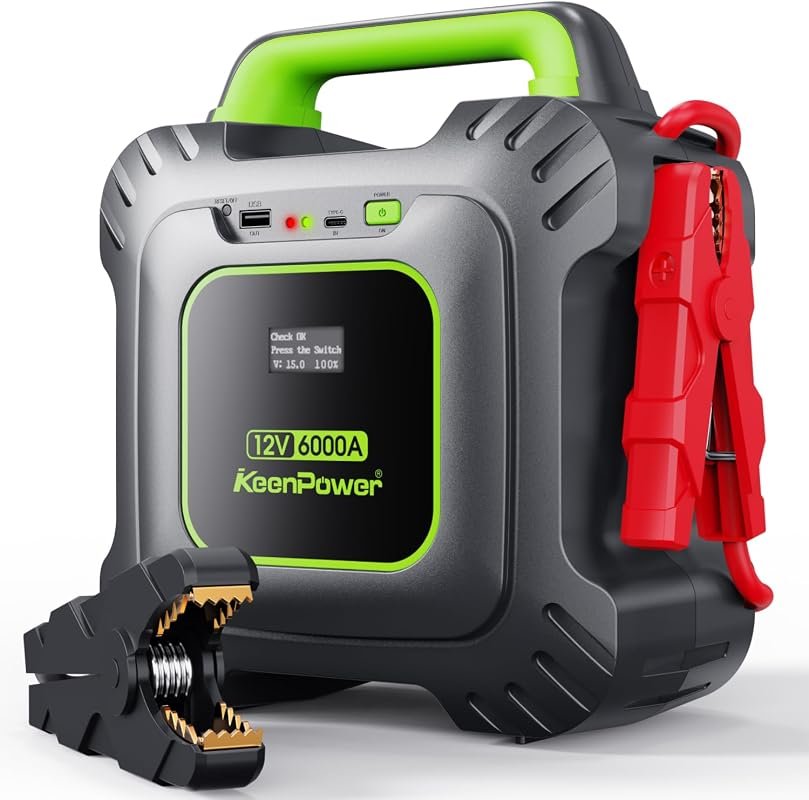 Best Overall
KeenPower 6000A supercapacitor jump starter for 12V cars, 1-minute fast charge, -45°F starts, no pre-charge needed.
It offers the strongest all-around mix of fit, value, and practical daily use for Volvo owners.
 Best Value
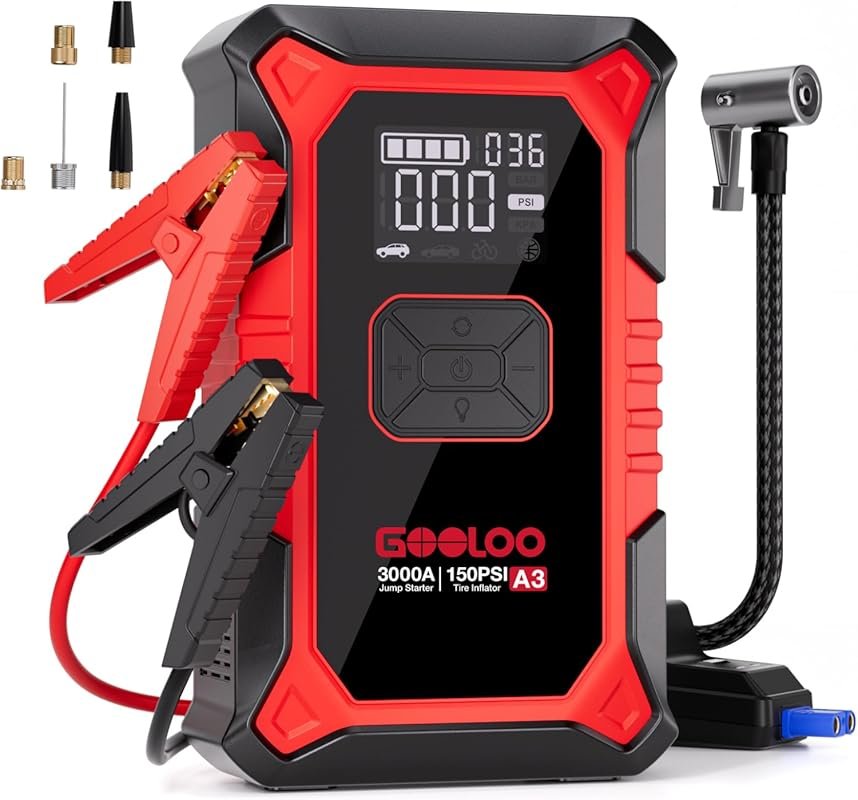
GOOLOO A3 3000A 12V jump starter with air compressor, 150 PSI inflator, for 9L gas/6.5L diesel.
It makes sense for owners who want a useful upgrade without paying more than necessary.
 Best Premium Option
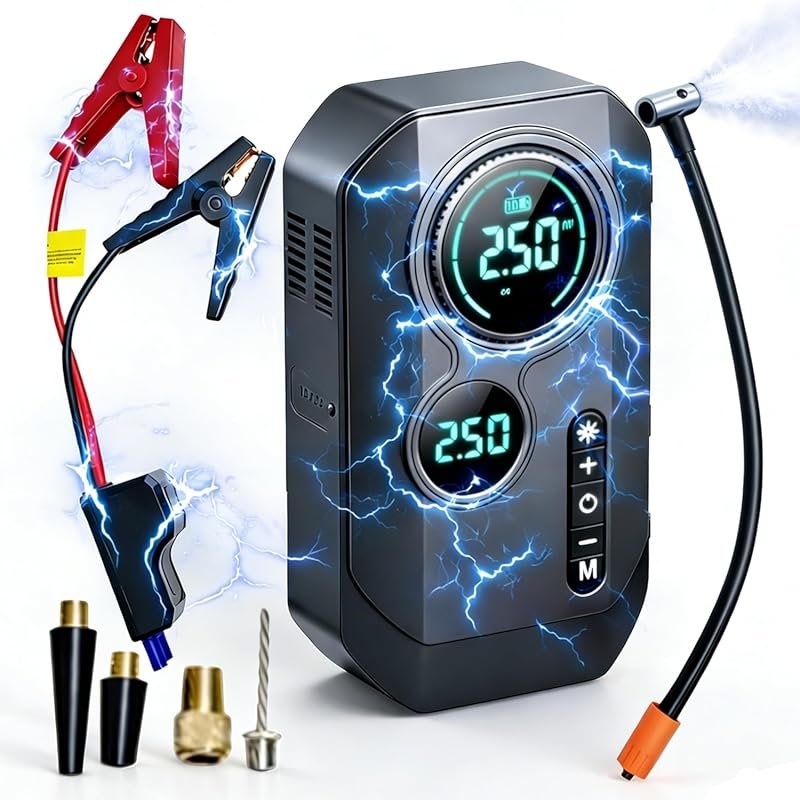
9000A portable car jump starter with air compressor, 200 PSI tire inflator, 4-in-1 emergency tool power bank.
It is the pick I would compare first if build quality, features, and long-term ownership value matter most.
Author

Author

Evans Torres
I’m Evans Torres, an automotive engineer who loves Volvo cars. I graduated in Automotive Engineering from USC. I have worked in the car industry for years and now share my knowledge on The Volvo Life. I started this blog to connect with other Volvo fans. I offer tips, news, and advice to help you care for your car. My goal is to help you keep your Volvo in great shape and find all the best things about it. Join me as we discover everything Volvo has to offer!