


Jump starter for Volvo E55 buyers should choose a 12V lithium booster rated at 2000–3000 peak amps for modern Volvos, especially T6/T8 and cold-climate starts. Smaller 1500A units work for 4-cylinder gas engines in mild weather; go bigger for diesels, V8s, or sub-freezing temps.
A dead battery shows up at the worst time — winter mornings, airport lots, or after a dome light stayed on overnight. A compact lithium jump starter solves that in minutes without waiting for roadside assistance or flagging a neighbor for cables. You can also use do scanner for Volvo exist as a helpful next guide on the same ownership topic.
Below is a Volvo-specific buying guide: sizing by model and powertrain, how to use it safely, winter storage, and where to buy a reliable unit without getting burned by underpowered or clone products.
- Main point: For most Volvo cars/SUVs, a 12V lithium jump starter with 2000–3000A peak is the right all-weather pick.
- Best first step: Match the unit to engine size and climate; oversize if you see sub-freezing temps often.
- Cost or value: Quality lithium boosters run $80–$200; commercial 24V units for Volvo Trucks cost more.
- Who it suits: Daily commuters, cold-climate owners, road-trippers, and DIYers who want independence.
- When to get help: Repeated jump-starts in a week = test/replace the 12V battery and check charging system.
Needs a compact, glovebox-sized booster that can start a 4–6 cylinder Volvo on a cold morning without calling for help.
Lives where temps drop below freezing — a 2000–3000A unit provides the headroom winter starts demand.
Manages Volvo trucks or Volvo CE machines — requires 12V/24V commercial-grade jump packs and proper procedures.
What a Jump Starter Is for Volvo Owners — And How It Differs From a Charger
A portable jump starter is a high-discharge battery pack that delivers a short burst of current to crank the engine. It’s built for instant power, not long charging sessions.
A battery charger is a slow, restorative device that recharges the 12V battery over hours. Trickle and smart chargers maintain batteries; they won’t crank a dead engine immediately.
Most modern Volvos use 12V electrical systems (even hybrids/EVs for accessories). A portable lithium booster is the practical glovebox solution; a smart charger is a garage tool for battery health.
Use a jump starter to get moving now. Use a smart charger later to recover or maintain the 12V battery. They solve different problems — carrying both is ideal for winter or storage.
Why Volvo Drivers Should Carry a Jump Starter
Cold snaps, older AGM batteries, and short-trip driving add up to weak morning cranks. A portable booster turns a no-start into a 2-minute detour rather than a 2-hour delay.
Remote trailheads, airport lots, and parallel street parking make traditional jumper-cable help awkward. A self-contained pack avoids risky nose-to-nose car positioning and electronics surges from another vehicle.
Even after a successful jump, repeated hard starts signal a battery at end-of-life or a charging-system fault. Plan to test the battery and alternator the same week.
Here’s a quick view of real-world use cases and the right sizing approach.
Choose the column that mirrors your situation; cold climates and larger engines benefit most from higher-amp units.
| Scenario | Recommended Peak Amps | Notes | Example Type |
|---|---|---|---|
| 2.0L–2.5L gas (XC40/S60/V60) mild climate | 1500–2000A | Fine above 20°F; oversize for below-freezing starts | Compact lithium pack |
| T5/T6 4-cyl turbo (XC60/XC90/S60) mixed climate | 2000–3000A | Best all-rounder for modern Volvos | Lithium smart booster |
| T8 Recharge (hybrid) 12V accessory start | 1500–2000A | Jump 12V only; never touch HV pack | Lithium smart booster |
| Older 5-cyl/6-cyl gas (S80/V70/XC90) | 2000–3000A | Older starters/AGM benefit from extra headroom | Lithium heavy-duty |
| Small Volvo diesel (Europe) | 2500–3000A | Diesels need more cranking current | HD lithium/AGM pack |
| 24V Volvo truck/CE equipment | Commercial 12V/24V unit | Consumer 12V packs are not suitable | Pro-grade 24V booster |
Best Jump Starter Types for Volvo Cars and SUVs
Most Volvo owners are best served by lithium jump starters. They’re compact, hold charge well, and include safety features like reverse-polarity protection and spark-proof clamps.
AGM/lead-acid “booster boxes” can crank repeatedly but are heavy. They suit garages or service vehicles more than gloveboxes. Smart-clamp safety is a must regardless of chemistry.
Below is a quick comparison of popular types to match space, power, and budget.
| Type | Typical Peak Amps | Best For | Approx Price | Verdict |
|---|---|---|---|---|
| Compact lithium | 1500–2000A | 2.0L–2.5L gas, hybrids, mild climates | $80–$140 | Great glovebox pick |
| HD lithium | 2000–3000A | T5/T6 gas, cold climates, older batteries | $120–$200 | Best all-rounder for Volvos |
| Lead-acid booster | 800–1700 CA | Shop/roadside use, multiple starts/day | $120–$250 | Durable but bulky |
| 12V/24V pro unit | 2000A+ (24V capable) | Volvo Trucks/CE equipment | $300–$700+ | Fleet tool, not for glovebox |
Cranking power drops sharply in cold weather — a typical 12V battery can lose ~30–40% of available cranking amps around 0°F. That’s why a booster with headroom starts cars that a just-enough unit won’t.
Volvo Model-Based Jump Starter Guide
XC40, S60, and V60 with 2.0L turbo engines start reliably with 1500–2000A units in mild climates. For winters below freezing, step to 2000–3000A.
XC60 and XC90 T5/T6 benefit from 2000–3000A for confident cold starts and aging batteries. Earlier P2/P3 5-cyl/6-cyl engines also appreciate higher peak ratings. For related context, you may also want to read is scanner for Volvo XC60.
- XC40/S60/V60 (2.0L turbo): 1500–2000A mild; 2000–3000A cold.
- XC60/XC90 T5/T6: 2000–3000A recommended year-round.
- V70/S80 older 5-cyl/6-cyl: 2000–3000A to overcome starter/battery wear.
- C30/C70: 1500–2000A is fine; oversize for winter or older batteries.
Need alarm-friendly jump tips for older models? See our step-specific guide to jump start a Volvo S60 without setting off the alarm.
Jump Starters for Volvo Diesel, Hybrid, and Electric Models
Diesel engines need more cranking current due to higher compression — target 2500–3000A lithium units or a robust lead-acid booster. Size up further in very cold climates.
Plug-in hybrids (T8 Recharge) still use a 12V accessory battery to boot vehicle systems. You jump the 12V battery only, never the high-voltage pack. 1500–2000A works well.
Fully electric Volvos (EX30/EX40/EC40/EX90) rarely need jump-starts. If the 12V aux battery is flat, follow the owner’s manual for 12V support; do not interact with the traction battery.
Diesel = bigger booster. Hybrids/EVs = 12V system only. Always consult your specific model’s manual or Volvo Support for jump points and procedures by year.
Jump Starters for Volvo Trucks and Heavy Equipment
Many Volvo Trucks and Volvo Construction Equipment use 24V systems. Consumer 12V boosters won’t work. You’ll need a commercial 12V/24V-capable jump pack or slave-start procedure with the correct connectors. For another practical angle, see do scanner for Volvo work with all models.
Given the current and voltage involved, shop-grade tools and experienced hands are strongly advised. Fleet operators should standardize on a 24V-capable unit and train staff on safe connection points.
What Size Jump Starter You Need: Amps, Voltage, Engine, and Cold
Match the jump starter to your Volvo’s requirements, not just a marketing number. Peak amps get attention, but real cranking performance, cable gauge, and safety circuitry matter too.
Use these five factors to choose confidently and avoid an underpowered pack that struggles on cold mornings.
- Battery voltage: Passenger Volvos use 12V; trucks/equipment may be 24V.
- Engine size/type: Larger displacement and diesels need more amps.
- Peak vs. cranking amps: Sustained output matters for harder starts.
- Climate: Below-freezing? Upsize 1 tier.
- Battery age: Older AGMs draw more current; give yourself headroom.
- Choose 2000–3000A for XC60/XC90 and cold climates; 1500–2000A for smaller gas engines in mild weather.
- Prefer smart clamps with reverse-polarity and short-circuit protection to safeguard sensitive Volvo modules.
- Keep the pack charged monthly; most lithium boosters hold 70–80% after 3 months.
- Store it in-cabin in winter — trunk temperatures can sap lithium capacity.
How to Use a Jump Starter on a Volvo Safely
Correct clamp order and solid ground connections make or break a safe jump-start. Follow these steps carefully, then recharge the booster right after use so it’s ready next time.
- Park and power down: Park safely, set the parking brake, and switch off all accessories and lights.
- Locate jump points: Check the owner’s manual for approved positive (+) and negative (-/chassis) jump points under the hood.
- Connect clamps: Attach the red clamp to the positive terminal, then the black clamp to the designated chassis ground.
- Power the booster: Turn on the jump starter and wait for any “ready” indicator from the smart clamps.
- Start the engine: Crank the Volvo. If it doesn’t start in 5–7 seconds, rest the booster 30 seconds and try once more.
- Disconnect in reverse: Remove the black clamp first, then the red. Keep cables clear of moving parts.
- Recharge the booster: Plug it in immediately after use to restore capacity.
Always connect the negative clamp to the recommended chassis ground if your Volvo specifies it — not directly to the battery negative. This reduces spark risk near battery gases and protects electronics.
Never jump a visibly damaged, frozen, or leaking battery. Never connect a jump starter to a hybrid or EV high-voltage battery. If you smell sulfur or see swelling, tow the vehicle for service.
How to Charge and Store a Jump Starter in Winter
Lithium packs prefer moderate temperatures. In winter, capacity dips, and charge acceptance slows. Keep the unit in the cabin when parked outdoors and top it off monthly.
Most brands specify a storage range around -4°F to 122°F and a charging temp above freezing. If the pack is very cold, warm it indoors before charging for best results.
Where to Buy a Jump Starter for Volvo
Amazon and major auto parts stores offer the widest selection and easy returns. Best Buy carries popular brands with in-person pickup. Volvo dealers may stock branded boosters but expect higher pricing.
Check warranty and seller reputation. Avoid listings with vague specs, no brand support site, or reviews mentioning connection failures — these are red flags for clones.
After you’re back on the road, scan for charging-system codes to confirm the alternator and battery health. Our overview of an OBD scanner for Volvo explains how to read voltages and fault histories, and are Volvo-specific scanners reliable breaks down which tools work well on these cars.
Jump Starter Troubleshooting
No crank after connecting? Start with the basics — charge level, clamp placement, and ground quality. Many “bad booster” cases trace back to an uncharged pack or a painted/dirty chassis ground.
- Pack not charged: Top to 100% first; many ship at partial charge.
- Poor ground: Move black clamp to a clean, unpainted chassis point.
- Booster too small: Size up if the engine turns slowly in cold weather.
- Safety lockout: Reverse-polarity protection may need a reset after a misconnection.
- Vehicle fault: If lights dim or nothing powers, test the 12V battery or fuses; a booster can’t fix a broken cable.
Common Mistakes to Avoid — And When to Replace the Battery
Wrong clamp order is the fastest route to sparks and module risk. Always red first, black second; remove black first on disconnect. Don’t let clamps touch each other or moving parts.
Repeated jump-starts within a week usually indicate a failing battery. Replace a 4–6-year-old AGM that needs multiple jumps rather than limping along. Scan for parasitic drains if the new battery still goes flat.
For model-specific alarm considerations on older cars, bookmark our focused tutorial to jump start a Volvo S60 without the alarm blaring.
You can also review general battery and system checks through reputable resources like AAA’s jump-start guide or your model’s online manual at Volvo Support.
💡 Evans Torres Tip: I keep a 2000A lithium booster in my XC90 year-round. It has bailed me out twice after weekend interior lights drained the battery. My routine is simple: store it under the front seat, check charge monthly, and in winter bump HVAC and lights off before cranking to give the starter every amp. This connects closely with is scanner for Volvo XC90 if you want to compare the topic in more detail.
Frequently Asked Questions
This FAQ rounds up quick answers on sizing, safety, and ownership habits that don’t always fit inside a buying table. Use it to sanity-check your pick, confirm safe procedures, and decide when a battery replacement or shop visit is the smarter move.
What size jump starter do I need for an XC90 or T6/T8 engine?
Choose a 12V lithium unit rated 2000–3000 peak amps. That range covers 2.0L turbo engines year-round, with enough headroom for cold starts and slightly aged AGMs. If you regularly see sub-zero temps, lean to the higher end for more reliable cranking.
Can a jump starter damage my Volvo’s electronics?
Quality boosters with reverse-polarity and surge protection are safe when used correctly. The risk comes from incorrect clamp order or poor grounds. Connect red to positive, black to the specified chassis ground, and disconnect in reverse. Avoid low-quality or clone units with vague specs.
How often should I recharge my jump starter?
Top it off monthly, and always after a use. Most lithium boosters hold charge well but lose capacity faster in cold weather. Storing it in the cabin and setting a 30-day reminder on your phone keeps it ready for that one morning you truly need it.
Where are the jump-start terminals on my Volvo?
Most models have a positive post and a designated chassis ground point under the hood. Exact locations vary by year and platform. Check your owner’s manual or consult Volvo Support for your specific layout and warnings about battery-compartment access.
Is it safe to jump-start a Volvo T8 Recharge hybrid?
Yes — but only the 12V system. Use a 1500–2000A booster and connect to the approved 12V jump points. Never interact with the high-voltage battery or orange cables. If the car won’t boot after a 12V jump, contact a qualified technician for HV diagnostics.
Why won’t my Volvo start even with a jump starter?
The pack may be undercharged or undersized, the ground point may be dirty/painted, or a separate fault exists (e.g., failed starter, blown fuse, or corroded battery cables). After a successful jump, scan for charging-system codes to rule out alternator issues using an appropriate Volvo-capable tool.
Can I use a 12V jump starter on a Volvo truck or construction equipment?
Not if it’s a 24V system. You need a commercial-grade 12V/24V-capable booster or a slave-start setup. Given the current involved, follow fleet procedures and use pro tools to avoid equipment damage and safety risks.
Should I replace the battery if I need multiple jump-starts?
Yes. A healthy battery shouldn’t need repeated jumps. If you jump more than once in a week, test the battery and alternator. Most Volvo AGMs last 4–6 years in typical climates; replace sooner if cold-weather cranking slows or resting voltage drops consistently.
Final Verdict
Pick a proven 12V lithium jump starter sized to your Volvo and climate. For XC60/XC90 or regular winter use, 2000–3000A delivers confident starts and long-term utility.
Use smart clamps on the correct jump points, and recharge the pack after each use. If you need more than one jump in a week, schedule a battery test and charging-system check — a new AGM beats living off a booster.
My Top Picks at a Glance
Here are the three jump starter options I would check first if you want a faster buying decision.
These picks highlight the strongest overall choice, the best value option, and the premium-style pick for practical Volvo ownership.
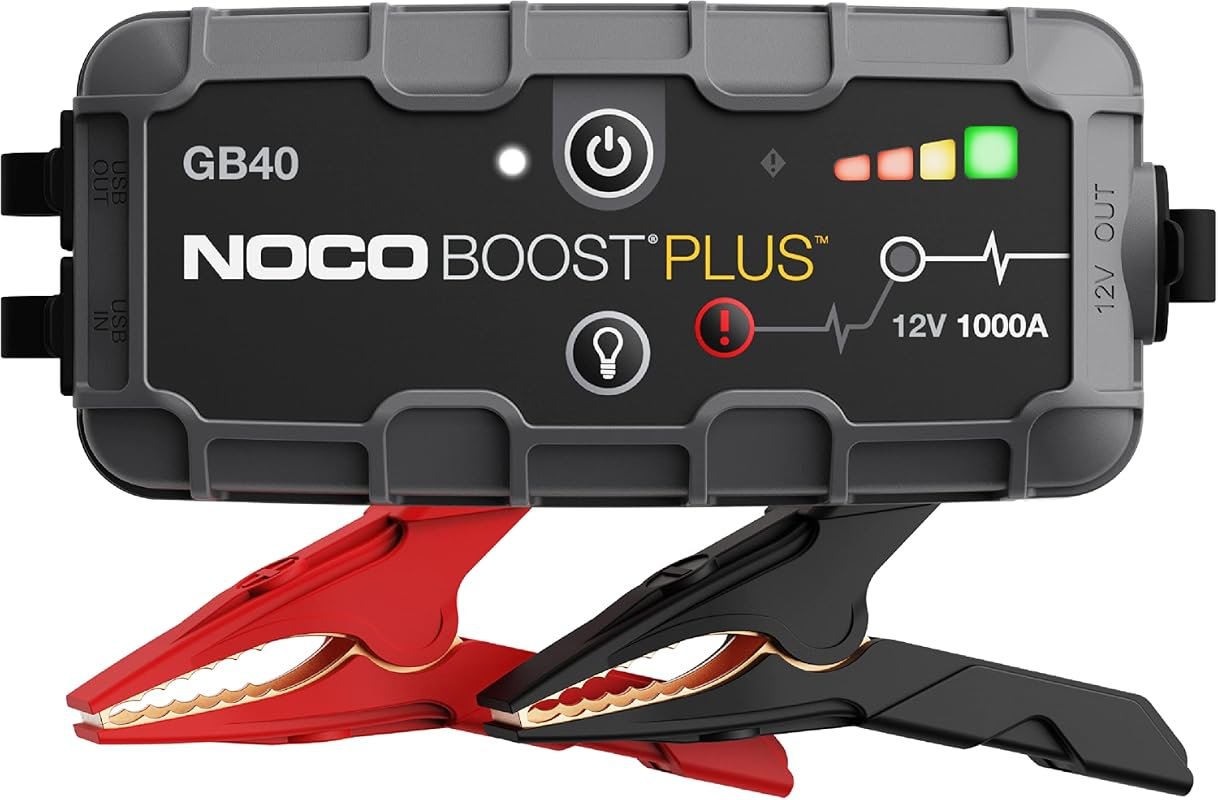 Best Overall
NOCO Boost GB40 1000A 12V UltraSafe portable lithium jump starter, spark-proof, reverse polarity, for 6.0L gas/3.0L diesel.
It offers the strongest all-around mix of fit, value, and practical daily use for Volvo owners.
 Best Value
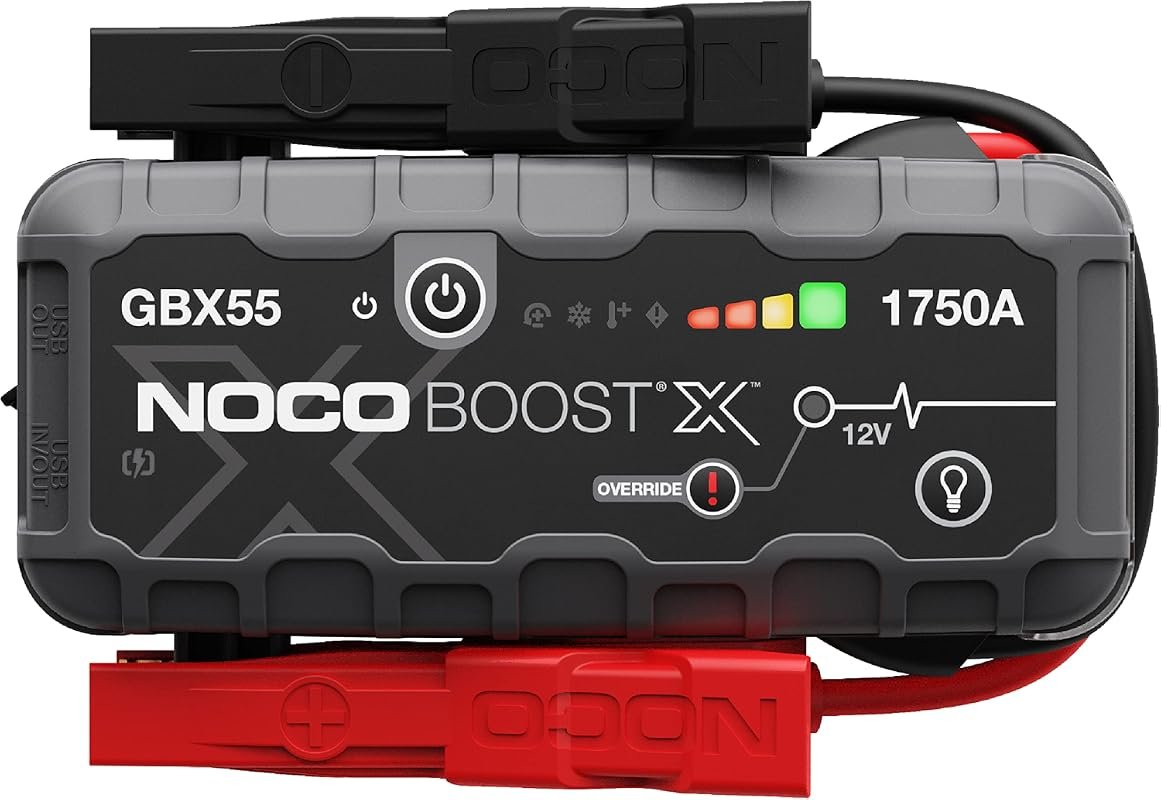
NOCO Boost X GBX55 1750A 12V UltraSafe lithium jump starter, spark-proof, reverse polarity, for 7.5L gas/5.0L diesel.
It makes sense for owners who want a useful upgrade without paying more than necessary.
 Best Premium Option
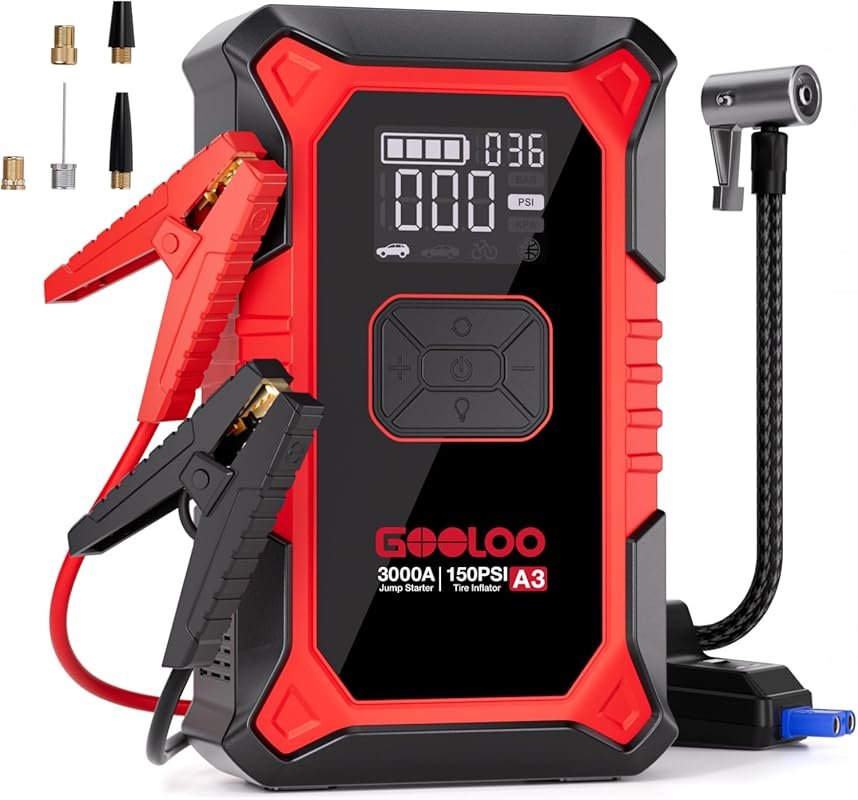
GOOLOO A3 3000A 12V Supersafe jump starter with 150 PSI air compressor, auto-off inflator, 9L gas/6.5L diesel.
It is the pick I would compare first if build quality, features, and long-term ownership value matter most.
Author

Author

Evans Torres
I’m Evans Torres, an automotive engineer who loves Volvo cars. I graduated in Automotive Engineering from USC. I have worked in the car industry for years and now share my knowledge on The Volvo Life. I started this blog to connect with other Volvo fans. I offer tips, news, and advice to help you care for your car. My goal is to help you keep your Volvo in great shape and find all the best things about it. Join me as we discover everything Volvo has to offer!