


In safety volvo vs other cars comparisons, Volvo most consistently makes advanced driver assists standard and earns strong crash outcomes, while Other Cars range from excellent to basic depending on brand and trim. Pick based on specific model-year evidence, not badges or assumptions.
Safety is the lead reason many shoppers consider Volvo, but “Other Cars” in 2026 spans everything from budget sedans to luxury EVs with cutting-edge assists. This guide separates crash-avoidance tech, crashworthiness and real-world limitations so you can judge them on the same scale.
We also address ADAS availability and usability, EV battery protection, and SUV crash data, because size and powertrain shape outcomes. Wherever possible, we reference consistent U.S. protocols from IIHS and NHTSA and explain where numbers are not apples-to-apples.
If you want a deeper brand-history angle, see our take on whether Volvos are still the safest, then come back here for model-year specifics and buying decisions.
- Main difference: Volvo tends to bundle core AEB, lane support, and blind-spot features as standard across trims; Other Cars vary widely by brand and options.
- Best for A: Volvo suits buyers who want consistent safety coverage without chasing packages, plus clear crash-structure pedigree.
- Best for B: Other Cars suit shoppers targeting a specific model that tops current tests or offers superior hands-free highway systems.
- Cost/value: Volvo’s standardization can be better value; Other Cars may match safety, but only when you add the right options.
- Important caveat: Ratings and ADAS behavior are model-year and trim sensitive; verify protocol years, cameras/radar count and calibration needs.
What “Volvo vs Other Cars” Safety Really Covers
This comparison looks at four layers: crash avoidance (ADAS), crashworthiness (structure, restraints), protection for occupants/children/pedestrians, and post-crash response. All four affect real outcomes.
ADAS includes automatic emergency braking (AEB), lane-keeping, blind-spot, rear cross-traffic and driver monitoring. Crashworthiness includes small/overlap impacts, roof strength, head restraints and battery protection for EVs.
Child-seat installation and pedestrian detection are part of modern safety definitions. Finally, post-crash services (automatic SOS, hazard alerts) can reduce secondary harm after an impact.
Match protocol and year when comparing: IIHS Top Safety Pick criteria changed in 2023–2024, and NHTSA’s New Car Assessment Program is separate. Compare like-for-like body style and model year before drawing conclusions.
Volvo vs Other Cars: Systems and Features at a Glance
The table summarizes common safety and ADAS elements you’ll actually use. It highlights typical standard vs optional status and notable coverage differences across recent model years.
| Feature/Area | Volvo | Other Cars |
|---|---|---|
| Forward AEB with pedestrian/cyclist detection | Typically standard across lineup | Common, but often trim/package dependent |
| Intersection/junction AEB | Available on many models | Available on select brands/models |
| Blind-spot and rear cross-traffic | Frequently standard | Standard on some; optional on others |
| Lane-keeping + centering (highway assist) | Available; behavior is conservative | Available; performance varies by brand |
| Driver monitoring (camera/attention) | Increasingly available on newer models | Rapidly expanding; varies by brand |
| Rear AEB / parking autobrake | Available on many trims | Available but not universal |
| Airbag coverage and whiplash mitigation | Strong head restraint/seat designs historically | Strong in many brands; varies by seat design |
| EV battery structural protection | Emphasis on rigid protection and liquid-cooling safety | Varies; strong on several leading EVs |
| Pedestrian/cyclist night detection | Supported; performance model-dependent | Supported on many; performance varies |
| Over-the-air updates affecting safety | Available on newer platforms | Common on many EVs; less on older ICE models |
| Post-crash SOS and hazard alerts | Standard telematics with automatic SOS | Common telematics; activation/subscription varies |
Volvo Systems Explained: Standard vs Optional
Most current Volvo models make forward AEB with pedestrian and cyclist detection, lane-keeping aid, and blind-spot information standard. This reduces the risk of buying an under-equipped trim.
Highway assist (often branded Pilot Assist/Driver Assistance) adds lane centering and adaptive cruise. It typically requires a step-up trim or package, and its tuning favors smooth, cautious corrections over aggressive lane centering.
Rear AEB, 360° camera views, and advanced parking autobrake are widely available but not universal on base trims. Newer Volvo platforms support over‑the‑air updates that can refine driver-assistance behavior over time.
2023–2026 equipment can shift mid-cycle. Confirm exact Volvo build codes for ADAS sensors (camera/radar), rear autobrake and Driver Assistance levels before assuming coverage.
Other Cars’ Systems Explained: What Varies Most
“Other Cars” covers everything from mainstream compacts to flagship luxury EVs. Many now include AEB and lane-keeping standard, but blind-spot, cross-traffic, driver monitoring and rear AEB often sit in optional packages.
Hands-free highway systems on top-end rivals can exceed Volvo’s lane-centering convenience, but only in specific conditions and typically on higher trims with mapping or subscription requirements. Pedestrian/cyclist night performance differs greatly by brand and sensor suite.
Child-seat fit and headlights are frequent differentiators. Even among highly rated vehicles, LATCH access and headlight glare control vary by model and year.
Independent Tests and Usability Evidence
Recent IIHS and NHTSA data show both Volvo and top “Other Cars” can earn leading ratings, but results depend on model and protocol year. Always check the exact vehicle against the current test methods.
IIHS research also shows front crash prevention meaningfully cuts rear-end crashes when engaged, and better headlight performance correlates with lower nighttime crash rates. These effects depend on proper calibration and driver understanding.
EV and SUV notes: EVs’ low centers of gravity and rigid battery enclosures aid occupant protection, while higher-mass SUVs and trucks protect their occupants well but can increase injury risk to others. Pedestrian tests and updated AEB/night criteria help reveal these trade-offs.
For specific comparisons, browse our roundup of Volvo crash-test outcomes versus other cars and confirm the exact year and trim you’re considering.
IIHS studies have linked vehicles with automatic emergency braking to substantially fewer police‑reported rear‑end crashes versus similar vehicles without AEB—evidence that consistent fitment matters as much as peak capability.
Real-World Strengths, Limitations and False Assumptions
Volvo’s conservative ADAS tuning is confidence-inspiring for many drivers, especially in traffic, but some rivals offer more assertive lane centering or limited hands‑free on mapped highways. The benefit is comfort; neither replaces attentive driving.
Limitations apply to both sides: dirty cameras, heavy rain, glare, construction zones and poor lane markings degrade performance. Nighttime pedestrian detection varies by sensor quality and software.
Winter grime or snow can disable sensors. Clean front camera areas and radar covers at every fuel/charge stop, and don’t rely on lane centering where markings are obscured.
Costs, Subscriptions and Repair/Calibration Implications
Advanced sensors add costs after glass or bumper repairs. Windshield replacements with camera calibration can run hundreds to low thousands of dollars, and radar/parking-sensor repairs may be similar depending on parts and labor.
Connected features and map-supported highway systems on Other Cars may need data plans or subscriptions. Newer Volvos offer OTA updates; connectivity terms vary by model year and plan length.
Long-term value often favors trims with standard equipment, because safety packages can be difficult to source used and expensive to retrofit. Insurance discounts for specific ADAS features depend on state and carrier.
Budget for calibration after windshield/bumper work and verify ADAS is fully functional post-repair. For a broader look at running costs, see our guide to Volvo maintenance costs vs other cars.
Volvo Pros and Cons
- Broad standard ADAS coverage reduces trim confusion.
- Strong crash-structure heritage and whiplash mitigation.
- Clear driver-alert philosophy; conservative tuning builds trust.
- OTA potential to refine features on newer platforms.
- Hands-free highway systems are limited versus some rivals.
- Advanced options can still require packages on certain models.
- Calibration costs apply after glass/bumper repairs.
Other Cars Pros and Cons
- Top rivals can match or exceed ratings and capability.
- Hands-free highway aids available on select models.
- Wide range of prices and body styles to target needs.
- Safety coverage is inconsistent; many features are optional.
- Nighttime pedestrian/cyclist performance varies widely.
- Subscription requirements may add cost for full functionality.
How to Decide Between Volvo and Other Cars
Use these five steps to reach a data-backed decision tailored to your driving, family and budget rather than brand perceptions.
- Define routes: city/night/pedestrian-heavy vs highway. Prioritize AEB/night and headlights for the former, lane-centering quality for the latter.
- Match protocols: pull IIHS/NHTSA results for the exact model year and body style you’re shopping.
- Test ADAS behavior: drive the same loop and note lane centering, following distance and false alerts.
- Price the real build: include required packages/subscriptions to equalize features.
- Plan ownership: get quotes for windshield calibration and insurance differences before buying.
Try stop‑and‑go traffic, an unlit road, and a well-marked highway. Toggle assist levels, simulate a slow rolling car ahead, and evaluate alert clarity without relying on the system to avoid a collision.
Best Choice for Families, Older Drivers, Commuters and Tech-Focused Buyers
Families and daily commuters often benefit from Volvo’s default fitment and predictable alert logic. Tech-forward shoppers or frequent highway travelers might prefer Other Cars with robust hands‑free capability—if it’s available on the trim they can actually buy.
How to Verify the Exact Equipment on a Specific Vehicle
Never assume safety coverage from brochures or badging. Confirm these five items before you commit.
- Decode the VIN and print the build sheet to confirm AEB, blind‑spot, rear AEB and driver monitoring hardware.
- Inspect the windshield/camera pod and bumpers for sensors; check for prior glass/bumper replacement and calibration records.
- Open the infotainment safety menu and verify each feature’s presence and setting options.
- Run a live ADAS function check on a safe route with a salesperson present.
- Check owner’s manual sections for system limits and maintenance (cleaning sensors, software updates).
For a broader frame on crash outcomes by body style and generation, our guide to Volvo vs other cars crash tests provides context on year‑to‑year changes and protocol shifts.
When you want a brand-level angle beyond model specifics, this overview of Volvo’s safety position today can help align expectations with current tech.
💡 Evans Torres Tip: On your test route, find one well-marked curve and one faded or patched section. Engage lane centering in both. Note how early the system warns you to steer and whether it recenters smoothly. This one exercise quickly tells you more than any brochure claim.
Frequently Asked Questions
Shoppers often ask if Volvo is “safest” by default. In reality, both Volvo and top “Other Cars” can achieve excellent results, and differences hinge on year, trim, headlights, child-seat fit and nighttime AEB. These FAQs address the most common decision points we see in U.S. model‑year 2023–2026 comparisons.
Are Volvos safer than Other Cars overall in 2026?
Not universally. Many Volvos post excellent scores and broad standard ADAS, but several “Other Cars” match or exceed them in specific models and years. Check IIHS and NHTSA for the exact body style and trim, then confirm headlights, LATCH, and nighttime AEB performance.
How do Volvo EVs compare on battery safety?
Volvo EVs emphasize rigid battery protection and thermal management, aligning with industry best practices. Leading “Other Cars” EVs do the same, though designs vary. Review official crash tests and any post‑crash battery procedures in the owner’s manual for the specific model year.
Do SUVs test safer than sedans for families?
SUV occupants often benefit from mass and ride height in certain crashes, but heavier SUVs can increase risk to others and to pedestrians. Look at IIHS ratings, pedestrian AEB performance and headlight scores for the exact SUV you’re considering, rather than assuming bigger is safer.
Is Volvo’s highway assist as advanced as hands‑free rivals?
Volvo’s lane centering and adaptive cruise are competent and conservative but generally not hands‑free. Some “Other Cars” offer hands‑free on mapped highways. The safety margin depends more on driver monitoring quality and alert design than on hands‑free status alone.
What should I know about ADAS repair and calibration costs?
Camera/radar calibration after windshield or bumper work can cost hundreds to low thousands of dollars across brands. Ask body shops for OEM‑specified calibration procedures and keep documentation—improper calibration can degrade AEB and lane assistance performance.
How important are headlights and nighttime AEB?
Very. IIHS has linked better headlight ratings to lower nighttime crash rates, and updated AEB evaluations emphasize pedestrian detection after dark. Two similar vehicles can differ meaningfully at night; check ratings for your exact year and trim.
Do child seats fit better in Volvos than Other Cars?
It depends on the model. LATCH access, seat contouring and third‑row belt geometry vary widely. Review IIHS ease‑of‑use ratings and test‑fit your seats during the demo; bring your base and verify tether anchor paths.
Where can I see a plain‑English crash comparison?
Start with our side‑by‑side review of Volvo crash tests vs other cars, which explains protocol shifts and model‑year caveats so you can compare vehicles fairly.
Final Verdict
If you want predictable safety coverage without option‑hunting, Volvo’s lineup is the safer bet; the brand’s standardization and crash‑structure focus reduce the chances of missing key features. That consistency pays off in both new and used shopping.
If you’re targeting the most advanced highway assist or a specific model that tops current tests, an “Other Cars” choice can be the right call—just price the exact packages and confirm headlights, child‑seat fit and nighttime AEB for the precise trim and year.
Either way, match protocols, drive the systems yourself and verify calibration history on any car with recent glass or bumper work. Safety is achievable on both sides when you buy the right build, not just the right badge.
My Top Picks at a Glance
These three Volvo accessories are practical options to compare after choosing the right Volvo configuration.
 Best Overall
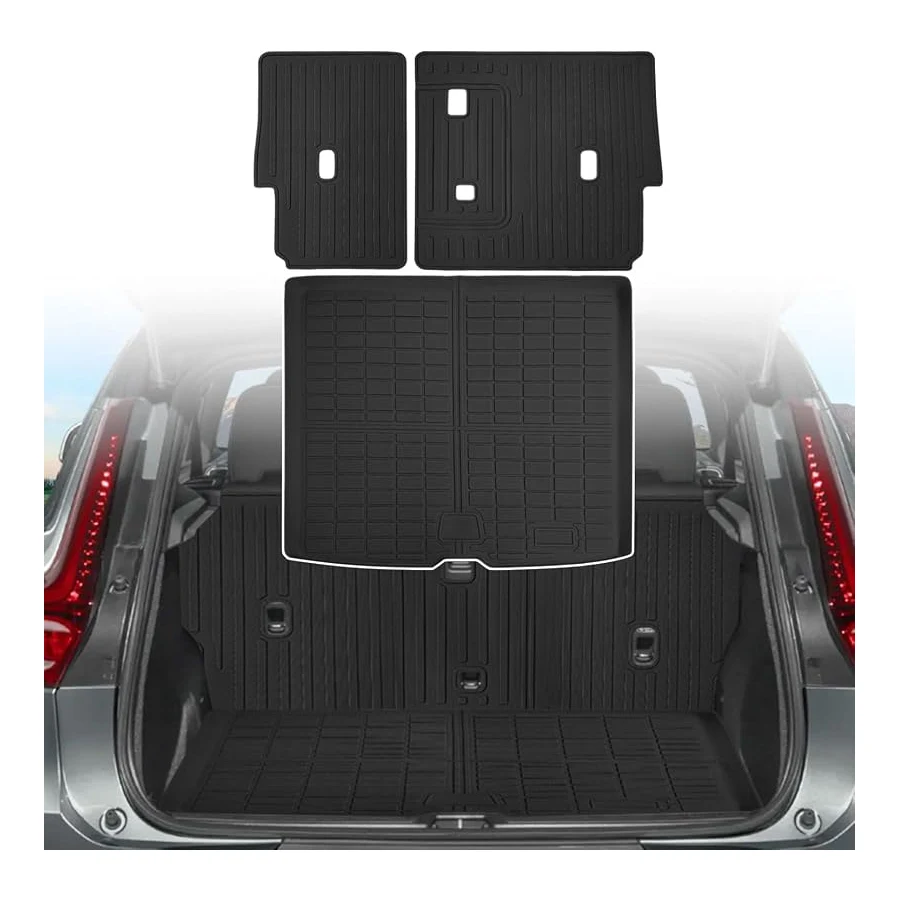
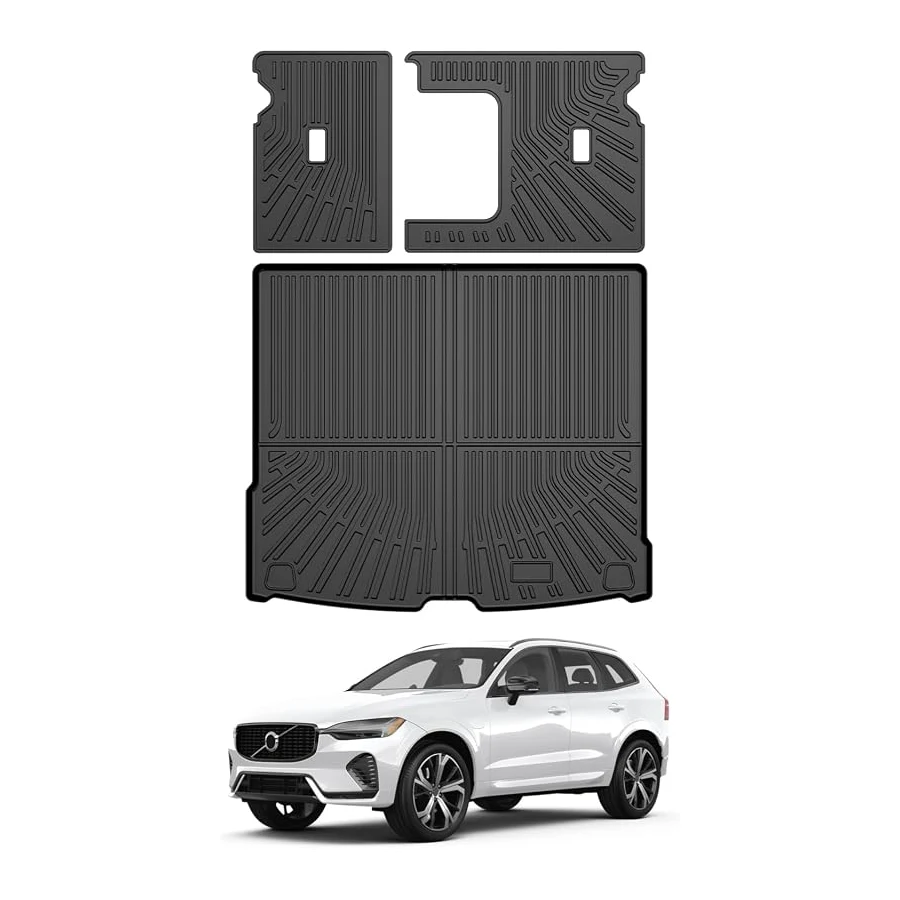
3-piece rear seat backrest cargo liner for Volvo XC40 2018-2026 and C40 2022-2024, hook-and-loop, all-weather, anti-slip
A vehicle-fit accessory to compare for compatibility, daily usefulness, and value.
 Best Value
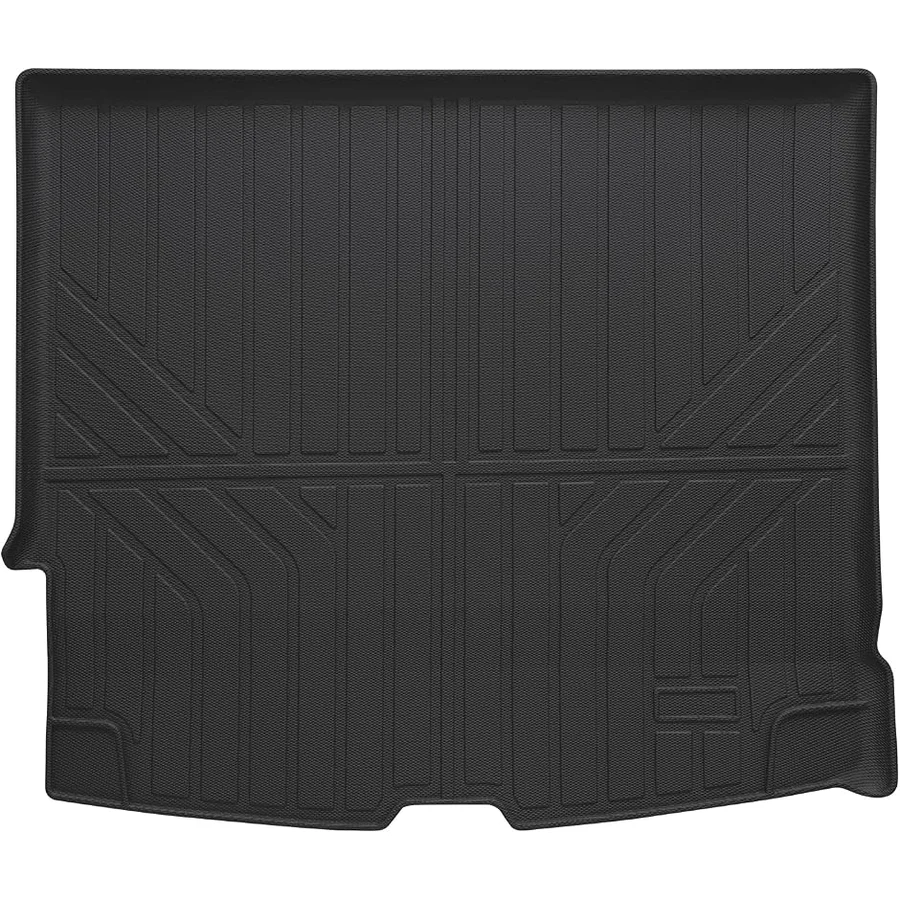
Mixsuper TPE cargo liner and backrest mat for Volvo XC60 2018-2025, all-weather, custom-fit protection
A vehicle-fit accessory to compare for compatibility, daily usefulness, and value.
 Best Premium Option
All-weather TPE cargo liner for Volvo XC60 2018-2026, waterproof, easy-clean trunk mat, custom fit
A vehicle-fit accessory to compare for compatibility, daily usefulness, and value.
Sources and Methodology
U.S. focus, model years 2023–2026 where comparable data exists. We matched body style and trim level where possible, emphasizing standard vs optional ADAS, IIHS and NHTSA results, and reputable research on ADAS effectiveness and EV/SUV safety considerations. We avoided speculative figures and flagged protocol changes that affect cross‑year comparisons. Verified August 2026.
Author

Author

Evans Torres
I’m Evans Torres, an automotive engineer who loves Volvo cars. I graduated in Automotive Engineering from USC. I have worked in the car industry for years and now share my knowledge on The Volvo Life. I started this blog to connect with other Volvo fans. I offer tips, news, and advice to help you care for your car. My goal is to help you keep your Volvo in great shape and find all the best things about it. Join me as we discover everything Volvo has to offer!