


In rental car citroen c4 picasso 2014 vs volvo xc60, the trade-off is family-first MPV space and diesel economy versus luxury-SUV comfort, safety tech, and refinement. Choose the Citroën if maximum cabin versatility and mileage rule; the XC60 if quietness, protection, and long-haul ease matter more.
Shoppers often meet this odd matchup when a rental search or used-car hunt puts a 2014 Citroën C4 Picasso beside a Volvo XC60. They’re not direct rivals, but many travelers and families compare them for the same reason: practical room for five and stress-free road trips.
The C4 Picasso is a compact European MPV that focuses on space efficiency and fuel-sipping diesel power. The XC60 is a compact luxury SUV that emphasizes comfort, safety, and refinement for U.S. highways and mixed weather.
Below we break down the major differences and where they overlap. We also flag market caveats (the Citroën was never sold new in the U.S.), rental cost drivers, and the ownership costs that matter if you’re considering a de-fleeted rental or a used import.
- Main difference: C4 Picasso is a space-maximizing MPV with strong diesel economy; XC60 is a luxury SUV delivering higher refinement and top-tier safety credentials.
- Best for A: Citroën C4 Picasso suits families prioritizing flexible seating, airy visibility, and low fuel spend on slower-speed, mixed routes.
- Best for B: Volvo XC60 fits U.S.-style interstate cruising with quieter cabins, robust safety tech, and stronger high-speed composure.
- Cost/value: C4 Picasso can be cheaper to fuel (diesel) but may carry parts/insurance complexity in the U.S.; XC60 costs more to insure and tire but holds value better here.
- Important caveat: The Citroën’s Euro crash ratings and diesel economy aren’t directly comparable to U.S. IIHS/NHTSA and EPA figures—adjust expectations accordingly.
Are the Citroën C4 Picasso 2014 and Volvo XC60 direct competitors?
No. The 2014 Citroën C4 Picasso is a compact MPV/people carrier, while the Volvo XC60 is a compact luxury SUV. Both seat five, but they approach the brief differently: the Citroën maximizes interior volume and flexibility; the Volvo emphasizes premium ride, refinement, and safety tech.
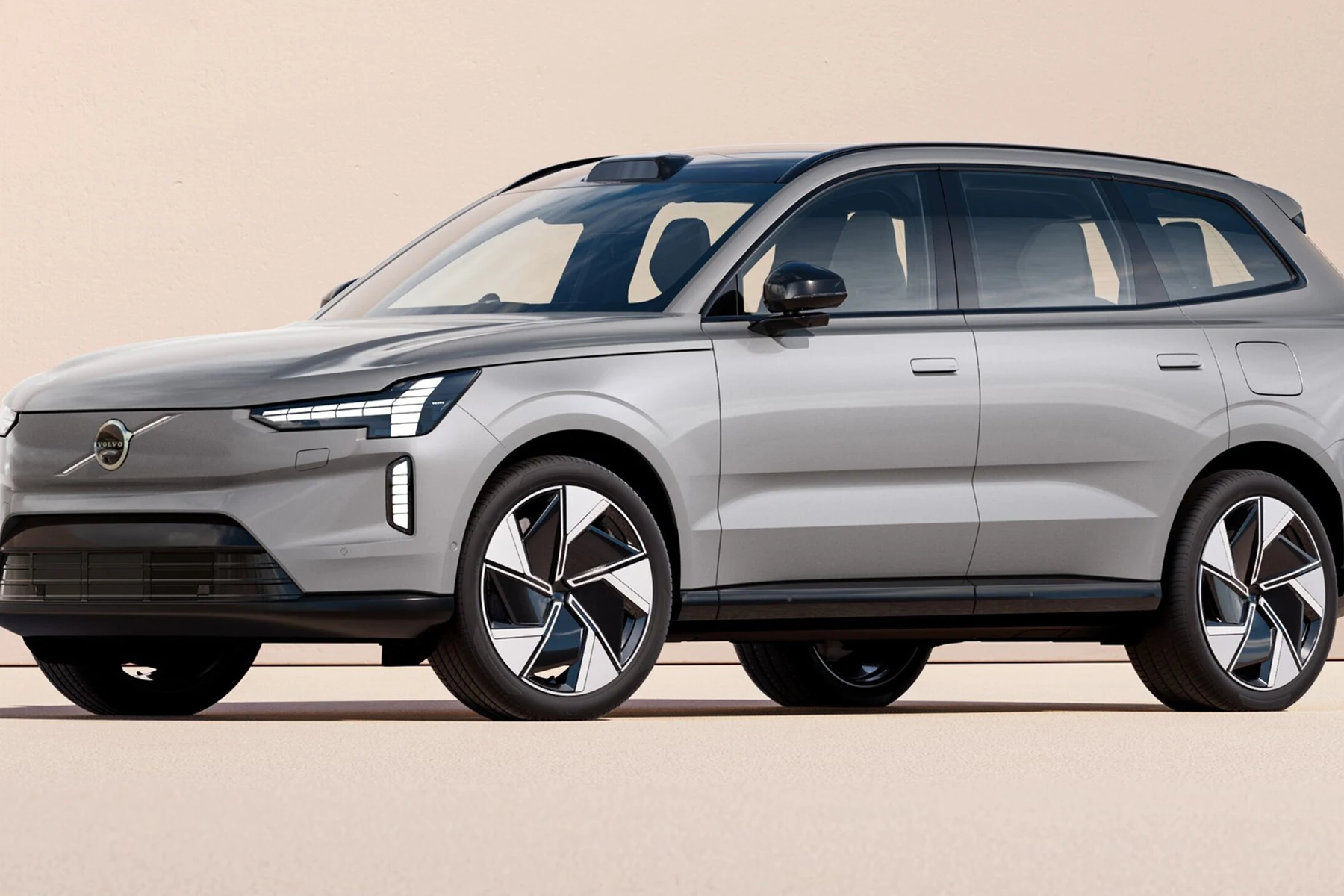
Price positioning also differs. In-period, the XC60 sat in the luxury class against German crossovers. The C4 Picasso targeted mainstream European family buyers, often with smaller-displacement diesels and a focus on running costs.
The 2014 Citroën C4 Picasso was not officially sold in the U.S. Confirm whether you’re renting abroad or via a U.S. peer-to-peer/import. Verify 5-seat C4 Picasso vs 7-seat Grand C4 Picasso, engine (e.g., 1.6 e‑HDi vs 2.0 BlueHDi), and transmission before booking.
At-a-glance comparison: Citroën C4 Picasso 2014 vs Volvo XC60
This table highlights the practical differences most renters and used buyers weigh first: cabin type, space, safety credentials, powertrains, and tech expectations for the era.
| Spec | Citroën C4 Picasso (2014, EU) | Volvo XC60 (2013–2017, U.S.) |
|---|---|---|
| Vehicle type | Compact MPV/people carrier (5-seat C4 Picasso) | Compact luxury SUV/crossover (5-seat) |
| Drivetrain | FWD (most); manual/automated/auto (varies by engine) | FWD or AWD; 6‑speed automatic (most U.S. trims) |
| Typical powertrains | Small turbo-diesels (e.g., 1.6 e‑HDi, 2.0 BlueHDi); some gasoline in select markets | Gasoline I6 (3.2 NA, T6 turbo); later 2.0T/2.0T+SC in some years |
| Safety ratings | Euro NCAP 5 stars (2013 protocol) for C4 Picasso | IIHS Top Safety Pick+ (with optional front crash prevention); NHTSA 5-star overall (select years) |
| Cargo volume (seats up/down) | Approx 537 L / up to ~1,851 L (5‑seat C4 Picasso) | 30.8 cu ft / 67.4 cu ft (≈873 L / ≈1,909 L) |
| Infotainment era | Dual-screen layout; no native CarPlay/Android Auto (2014) | Sensus (7″); no native CarPlay/Android Auto in these years |
| Fuel economy benchmark | EU NEDC diesel figures notably high; not directly comparable to EPA | EPA combined typically in the low‑20s mpg (gasoline, U.S. spec) |
Citroën offered a larger 7-seat Grand C4 Picasso with different dimensions and cargo figures. This comparison references the 5-seat C4 Picasso unless noted.
Main differences between Citroën C4 Picasso 2014 and Volvo XC60
The biggest split is mission: the C4 Picasso is packaging-led, with three individual rear seats and a glassy cabin; the XC60 is refinement-led, with thicker sound insulation, stronger highway stability, and a more premium interior.
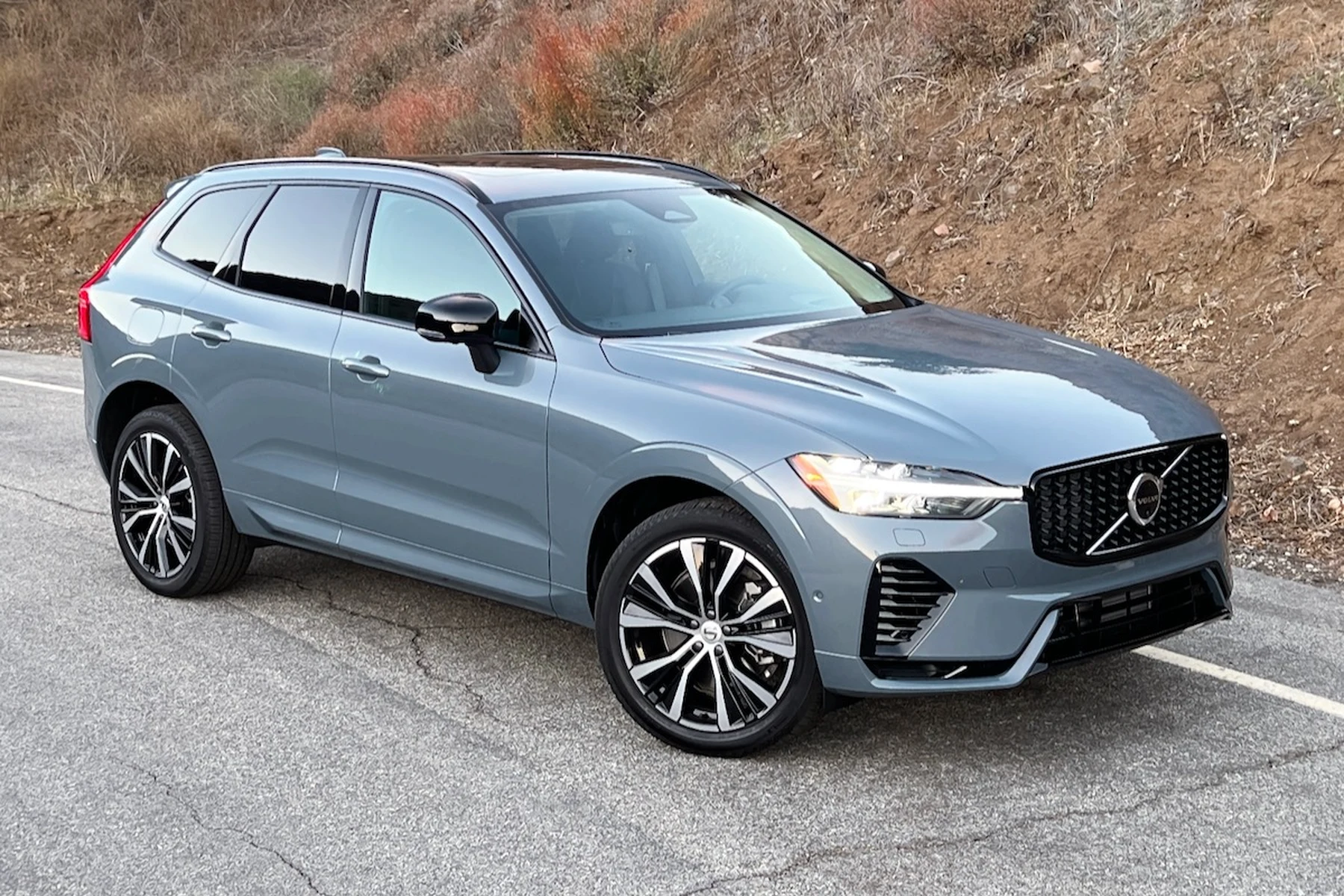
Safety tech and calibration differ too. The XC60 popularized city-speed automatic braking in the segment, while the C4 Picasso achieved strong Euro NCAP scores with a mainstream safety suite and light body structure.
Similarities and common ground
Both carry five adults in comfort for their size, offer flexible cargo areas with folding rear seats, and deliver relaxed long-distance manners. Each emphasizes driver-assistance for its era—just tuned for different markets and standards.
The C4 Picasso’s panoramic windshield and slim A-pillars create a uniquely airy forward view, especially helpful in tight European cities—an experience few SUVs, including the XC60, can replicate.
Price, comparable trims and feature‑adjusted value
Rental pricing varies widely by market, season, and supplier mix. In Europe, a C4 Picasso often undercuts a premium-badged SUV day rate; in the U.S., finding a Citroën at a mainstream agency is rare, tilting availability and pricing toward the XC60.
On the used market, U.S.-spec XC60s are plentiful with better parts access and dealer coverage. A U.S.-registered C4 Picasso is likely an import or private listing; while purchase price can be attractive, feature-matching and support may be more complex.
- XC60: premium tires (18–20″) and luxury insurance can raise annual costs.
- C4 Picasso: diesel savings are real on long trips, but U.S. diesel prices/DEF and parts sourcing can offset gains.
Size, seating, cargo and everyday practicality
The Citroën C4 Picasso prioritizes flexibility: three separate second‑row seats (often ISOFIX on all three), a flat load floor, and fold‑flat front passenger seat in many trims. It’s easy to configure for strollers, luggage, or flat-pack furniture.
The Volvo XC60 offers generous SUV cargo volume and a wide tailgate opening. While it uses a conventional 60/40 rear bench, the load bay is long and square, and optional grocery dividers and power tailgate simplify daily chores.
Bring two suitcases and a stroller. Try: C4 Picasso’s three‑across child seats and folding passenger seat vs XC60’s cargo length and load height. If you need three child seats across, the Citroën’s individual chairs can be a decisive advantage.
Interior comfort, visibility and cabin usability
The C4 Picasso’s panoramic windshield and high seating create outstanding visibility. Light colors and large glass make it feel larger than it is, though some drivers prefer a more conventional dashboard layout and switchgear feel.
The XC60 counters with trademark Volvo seats—supportive on multi-hour drives—and quieter highway refinement. Cabin materials and sound isolation outclass most mainstream MPVs, which many renters notice after a long interstate leg.
Infotainment, controls and technology
Neither vehicle from this era natively supports Apple CarPlay/Android Auto. The Citroën’s dual-screen setup centralizes climate and media; the Volvo’s Sensus interface uses a 7‑inch display with hard keys and steering-wheel controls.
Bluetooth audio and USB were common in both, but smartphone-mirroring came later. If modern app integration is essential, plan on a quality phone mount and offline maps for trips.
Download offline maps before pickup. Pack a dual‑USB 12V adapter and a sturdy phone mount—older Sensus and Citroën touchscreens can be slow, but a stable phone setup closes the gap quickly.
Safety and driver assistance
The 2014 Citroën C4 Picasso earned 5 stars at Euro NCAP (2013 protocol), reflecting strong passive safety and common driver aids for the class. Lane alerts and speed-limit recognition were available on many European trims.
The 2013–2017 Volvo XC60 achieved IIHS Top Safety Pick+ when equipped with optional front crash prevention, and select model years received 5 stars overall from NHTSA. Volvo’s City Safety low‑speed autobrake was a standout feature in urban traffic.
Compare within agency standards. Use Euro NCAP for the C4 Picasso; use IIHS/NHTSA for the XC60. Protocols differ, so a 5‑star Euro NCAP is not directly equal to a 5‑star NHTSA.
For a deeper dive into how Volvo’s philosophy and systems stack up against luxury rivals, see our guide to Volvo safety systems vs other luxury brands.
Performance, ride, handling and drivetrain
Citroën tunes the C4 Picasso for comfort and efficiency. Light steering and compliant suspension suit urban routes and moderate speeds. Diesel torque helps low‑rpm drivability, but high‑speed passing takes planning in smaller engines.
The XC60 feels more planted and quiet at U.S. highway speeds. Gasoline turbo power delivers stronger merging and passing. Steering is heavier and more precise, and AWD availability helps in snowbelt regions.
Fuel economy and range
Most 2014 C4 Picasso rentals in Europe were diesel, posting high NEDC figures. Real-world fuel use is excellent for long, steady trips, but those lab ratings aren’t EPA‑comparable and vary by engine and transmission.
U.S.-spec 2013–2017 XC60 gasoline models typically return EPA combined in the low‑20s mpg, with highway ranges that suit long interstates. Later 2.0‑liter four‑cylinders improved efficiency versus earlier I6s.
EU NEDC (2014) often overstates mpg compared with EPA. If you’re cross‑shopping numbers, prioritize independent real‑world tests or your own mixed‑route trial.
Reliability, known issues and evidence level
Evidence varies by market. The XC60’s first generation has a reputation for solid durability when serviced on schedule; age-related wear (cooling, suspension, electronics) depends on mileage and maintenance.
C4 Picasso reliability reports in Europe cite generally low running costs but occasional diesel emissions items (DPF/EGR) and electrical niggles in older cars. For U.S. owners, parts logistics and diagnostic support can be the bigger factor.
Review service history, timing/belt intervals (engine‑specific), transmission fluid records, diesel DPF service notes, and any outstanding recalls before committing. This single check prevents most surprises.
Maintenance, insurance, depreciation and total ownership cost
In the U.S., an XC60 benefits from dealer and independent Volvo specialist networks, which stabilizes long-term ownership. Insurance tends to be higher than mainstream MPVs due to luxury classification and repair costs.
A Citroën C4 Picasso can be economical to fuel and tire, but parts availability, diagnostic tooling, and insurer familiarity in the U.S. can add friction and cost. In Europe, its mainstream status flips that equation in its favor.
For a broader sense of how Volvo upkeep compares outside this matchup, see our overview of Volvo maintenance costs vs other cars.
Resale and daily practicality
XC60 resale is strong in the U.S., helped by brand reputation and buyer demand for premium compact SUVs. That cushions total cost of ownership over several years.
In the U.S., a C4 Picasso’s resale path is less predictable. In the EU, it’s a known quantity with consistent demand from family buyers who value space and economy.
Citroën C4 Picasso (2014) Pros and Cons
- Outstanding cabin packaging and visibility
- Diesel efficiency excellent for long trips
- Three individual rear seats suit family car seats
- Often cheaper to rent in Europe than premium SUVs
- Not officially supported in U.S. dealer networks
- Less refined and slower at highway passing
- Infotainment feels dated; no native CarPlay/Android Auto
- U.S. parts/insurance complexity if owned
Volvo XC60 (2013–2017) Pros and Cons
- Top-tier U.S. safety credentials (IIHS/NHTSA)
- Quieter, more composed at interstate speeds
- Strong gasoline performance; available AWD
- Good U.S. parts, service, and resale
- Higher insurance and tire costs
- Cabin/cargo versatility not as flexible as an MPV
- No native CarPlay/Android Auto in these years
- Fuel economy lower than EU diesel MPV
Which vehicle is better for different buyers?
Alternatives worth considering
If you’re leaning Volvo but want more space, the XC90 is the natural step up. If you’re committed to XC60 size yet want to see segment dynamics, compare it directly with Audi Q5 and BMW X3.
Start with a like-for-like comparison in the class here: Audi Q5 vs Volvo XC60. If Volvo-only options are on the table, see how the brand’s two-row and three-row SUVs differ in XC90 vs XC60.
How to Decide Between Citroën C4 Picasso 2014 and Volvo XC60
- Define your driving: mostly city/suburban or mostly interstate? Pick MPV for urban efficiency; pick SUV for highway refinement.
- Seat map your family: will you need three child seats across? Try the Citroën’s individual chairs before deciding.
- Check market support: renting in Europe vs owning in the U.S. drives availability, insurance, and service access.
- Drive both back‑to‑back: evaluate visibility, noise at 70 mph, and passing performance on a safe on‑ramp.
- Total the costs: fuel, insurance, tires, and likely depreciation in your market—not just the day rate or purchase price.
Before we jump into FAQs, here’s one practical cross‑shop habit that prevents buyer’s remorse.
💡 Evans Torres Tip: When figures come from different test standards (Euro NCAP vs IIHS; NEDC vs EPA), anchor your decision to what you can test yourself. Replicate your commute loop with a fuel app, time a 40–70 mph merge on a safe on‑ramp, and bring your car seats and luggage to verify real fit—then let the numbers support what you felt.
Frequently Asked Questions
This section answers the specific questions shoppers raise when a European MPV meets a U.S. luxury SUV in the same search. It focuses on safety standards, fuel economy comparability, space, and the logistics of renting or owning each in the U.S. vs Europe.
Is the 2014 Citroën C4 Picasso safe compared with a Volvo XC60?
The C4 Picasso scored 5 stars at Euro NCAP (2013 protocol). The 2013–2017 XC60 earned IIHS Top Safety Pick+ when equipped with front crash prevention and strong NHTSA results in select years. Compare within each agency; protocols differ.
Which has more usable cargo space for a family of five?
Numbers are close on paper, but the Citroën’s square load bay, low floor, and fold‑flat front passenger seat boost versatility. The XC60’s cargo area is wide and long, and its ride height eases loading heavier items.
Will I get better fuel economy with the Citroën?
Likely, if you rent a diesel C4 Picasso in Europe and drive steady routes. Its EU NEDC figures are high, though not EPA‑comparable. In the U.S., gasoline XC60s typically land in the low‑20s mpg combined per EPA.
Can I easily service a C4 Picasso in the U.S.?
Not as easily as an XC60. Some independent shops can handle common items, but parts sourcing, diagnostics, and emissions components for EU diesels can be challenging. The XC60 has broad U.S. dealer and aftermarket support.
Which is quieter and more comfortable at 70 mph?
The Volvo XC60. Its luxury‑class sound insulation, seats, and highway stability give it the edge on long U.S. interstates, especially in crosswinds and with full loads.
Do either of these have Apple CarPlay or Android Auto?
Not natively in these years. The Citroën used a dual‑screen layout; the XC60 used Volvo’s early Sensus. Plan on Bluetooth audio and a high‑quality phone mount for navigation and streaming.
What about winter driving and light off‑pavement use?
The XC60’s available AWD, ground clearance, and traction systems make it the safer bet for snow and gravel. Most C4 Picassos are FWD and tuned for roads rather than trails.
If I want a premium feel but more space, what should I try?
Test the Volvo XC90. It brings three rows and a calmer ride without losing Volvo’s safety emphasis. See our XC90 vs XC60 guide for in‑brand trade‑offs on size, cost, and daily usability.
Final Verdict
If you’re renting in Europe or prioritizing maximum packaging and low fuel spend, the 2014 Citroën C4 Picasso is a clever, family‑friendly hauler. It shines with three‑across seating, airy visibility, and city efficiency, and it often rents cheaper than premium SUVs there.
If your driving is U.S.‑centric—long interstates, winter weather, and higher speeds—the Volvo XC60 is the safer, calmer, and more straightforward choice to own and service. Its highway composure, safety credentials, and resale value make it the better long‑term partner in the U.S.
Choose based on where you’ll drive most and which practical advantage you’ll feel daily: the Citroën’s unmatched MPV flexibility, or the Volvo’s premium refinement and support network.
My Top Picks at a Glance
These three XC60 accessories are practical options to compare after choosing the right Volvo configuration.
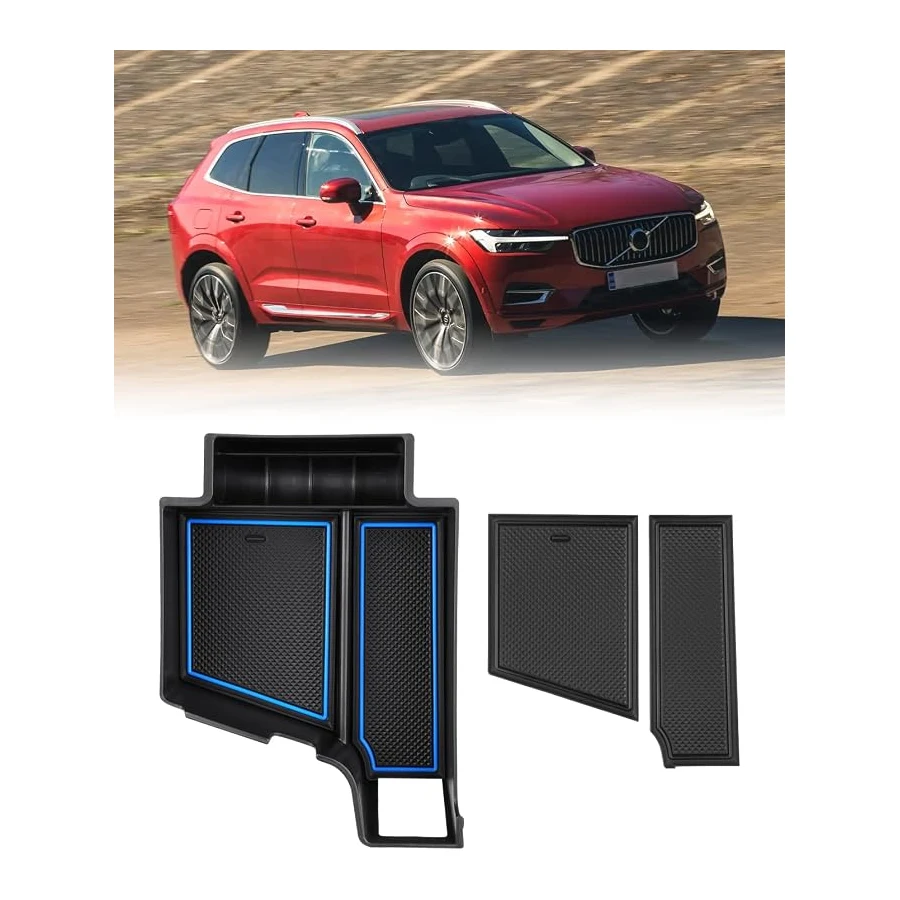
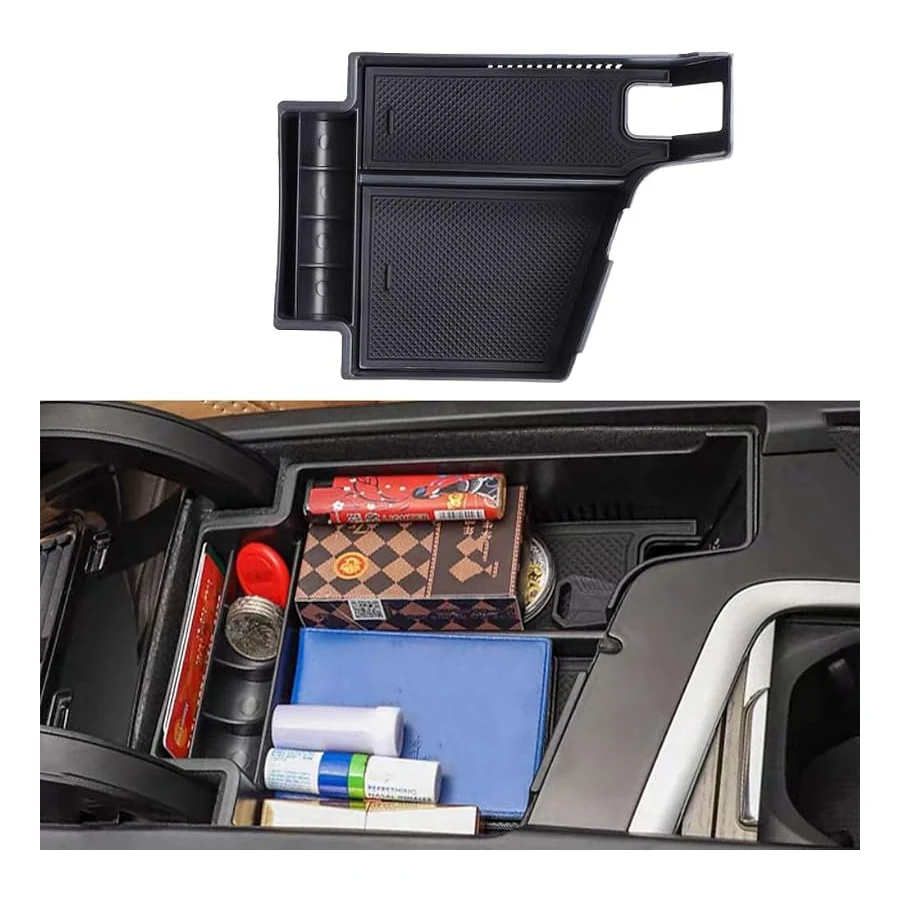 Best Overall
Center Console Organizer Tray for Volvo XC60 XC90 S60 S90 V60 V90, XC60 2018-2026, others 2015-2026
A vehicle-fit accessory to compare for compatibility, daily usefulness, and value.
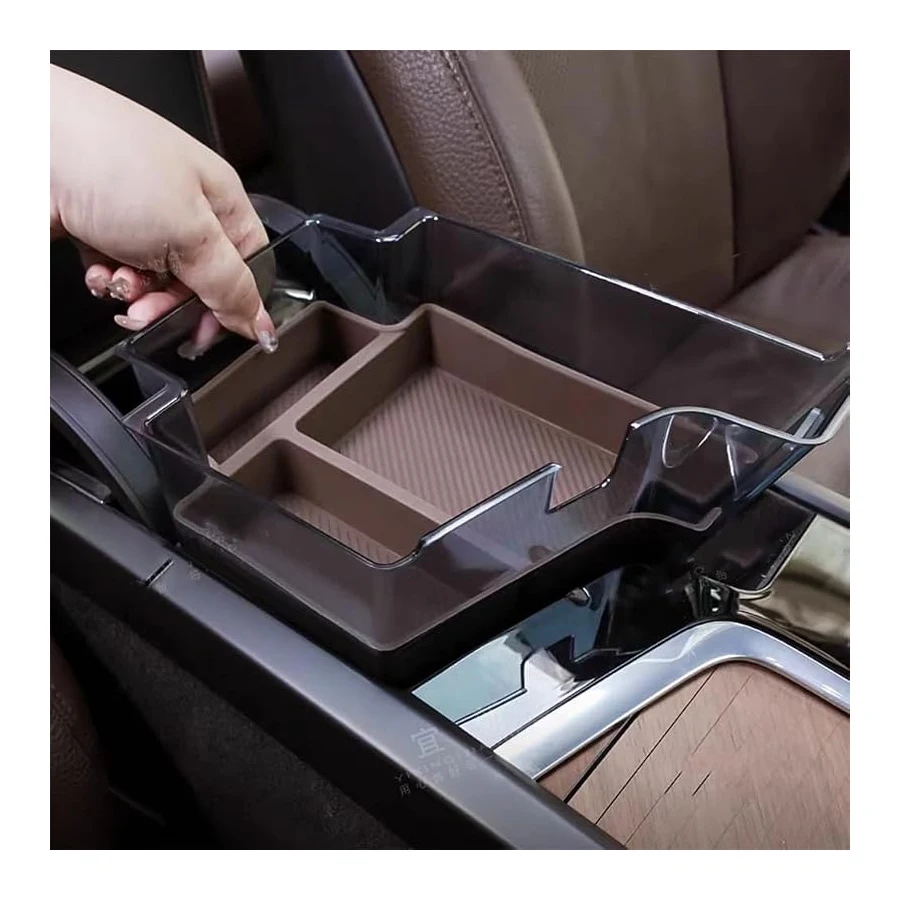
 Best Value
FIILINES Console Organizer Tray for Volvo XC60 XC90 S60 S90 V60 V90, ABS insert with anti-slip mats
A vehicle-fit accessory to compare for compatibility, daily usefulness, and value.
 Best Premium Option
Center Console Organizer Tray for Volvo XC60 2026, armrest storage insert with anti-slip mats, black
A vehicle-fit accessory to compare for compatibility, daily usefulness, and value.
Sources and Methodology
We matched a 2014 Citroën C4 Picasso (EU‑market, 5‑seat) against the first‑gen Volvo XC60 (2013–2017, U.S. market). Safety data references Euro NCAP for Citroën and IIHS/NHTSA for Volvo; fuel data references EU NEDC context and U.S. EPA context without cross‑converting. Cargo figures for XC60 use Volvo/U.S. specs; C4 Picasso figures reference Citroën EU materials for the 5‑seat model. Availability, pricing, and costs vary by market; verification date: August 2026.
Author

Author

Evans Torres
I’m Evans Torres, an automotive engineer who loves Volvo cars. I graduated in Automotive Engineering from USC. I have worked in the car industry for years and now share my knowledge on The Volvo Life. I started this blog to connect with other Volvo fans. I offer tips, news, and advice to help you care for your car. My goal is to help you keep your Volvo in great shape and find all the best things about it. Join me as we discover everything Volvo has to offer!