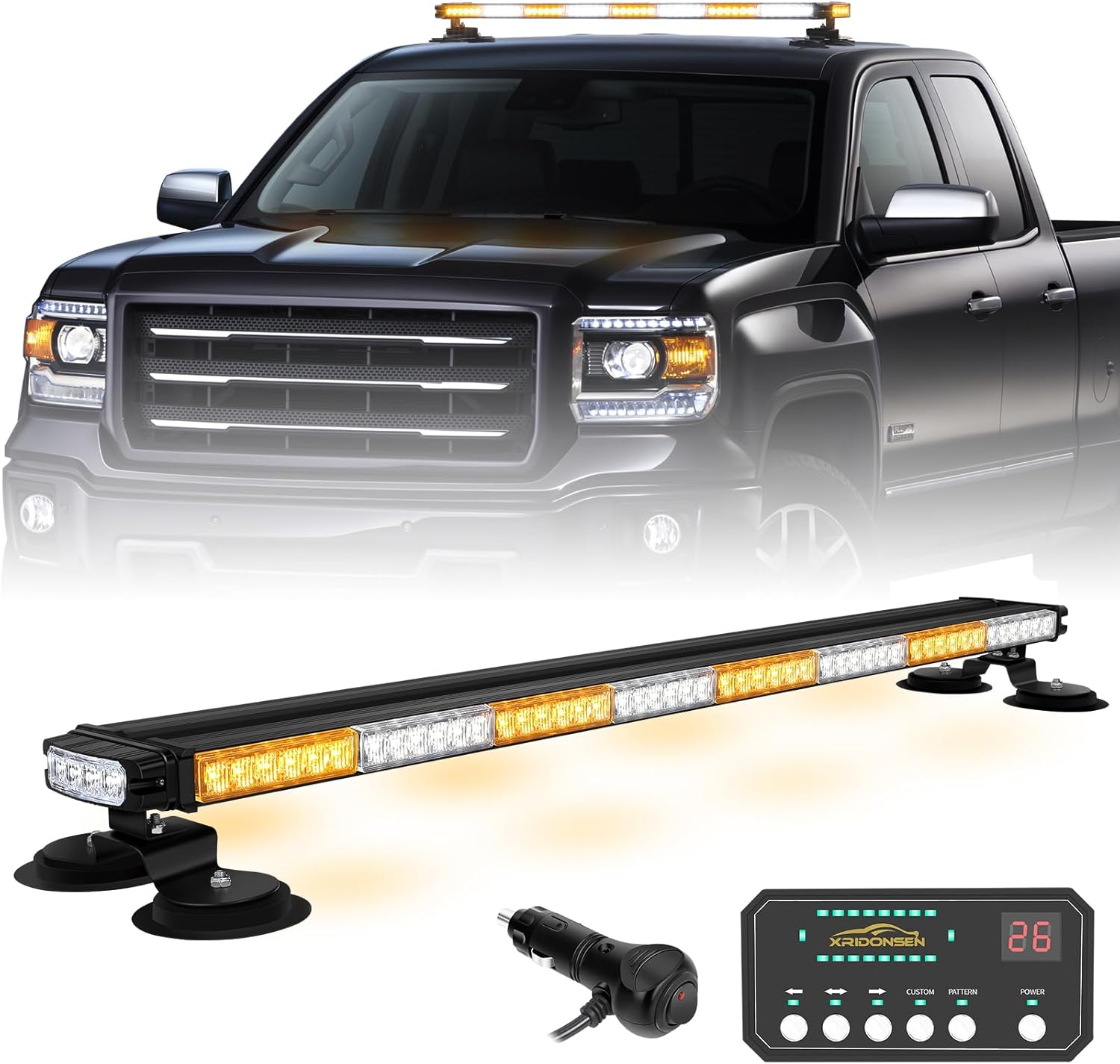



Jump starter for volvo excavator — use a 24V-capable lithium or ultracapacitor booster rated around 4000–6000 peak amps for medium/large diesel machines; mini excavators often need a 12V unit rated 1500–2000A. Verify system voltage on the data plate and use the factory jump points.
A dead excavator at a remote site can idle an entire crew. Volvo excavators commonly use 24V electrical systems with high-compression diesel engines, so car-sized boosters won’t cut it. Sizing the right jump pack by voltage, cranking demand, and climate prevents delays and protects sensitive electronics. For related context, you may also want to read is scanner for Volvo XC60.
Below you’ll find the best jump starter types for Volvo excavators, how to size them correctly, safe connection steps, winter storage advice, and what to do if a jump won’t take. Fleet-specific tips for 12V/24V operations are included. This connects closely with is scanner for Volvo XC90 if you want to compare the topic in more detail.
- Main point: Most Volvo excavators are 24V; pick a 12V/24V booster with 4000–6000 peak amps. Minis may be 12V and can use 1500–2000A units.
- Best first step: Check the machine’s data plate or wiring diagram for system voltage and use the dedicated jump posts.
- Cost or value: Quality 24V-capable boosters run about $400–$1,200; heavy wheeled shop units cost more but deliver reliable cranking.
- Who it suits: Jobsite operators and fleet managers who need fast restarts without calling a service truck.
- When to get help: If an excavator needs multiple jumps in a week, test the batteries/alternator and schedule service.
You need a reliable booster to get a Volvo excavator running quickly and safely after overnight cold-soaks. You can also use do scanner for Volvo exist as a helpful next guide on the same ownership topic.
Standardize on the right 12V/24V jump packs and cut downtime and service calls across multiple machines.
Lower winter cranking performance demands higher-rated amps and good storage habits to avoid no-starts.
What a Jump Starter Does for a Volvo Excavator vs a Battery Charger
A jump starter delivers a high-current burst to crank the engine immediately; a charger replenishes battery capacity over hours. For a stalled excavator, a booster gets you back to work now. For another practical angle, see do scanner for Volvo work with all models.

Portable lithium and ultracapacitor boosters are made for field use. A plug-in charger won’t help unless you can park near power and wait long enough to recover charge.
Never connect a jump starter to a damaged, frozen, or leaking battery. Confirm system voltage (12V vs 24V) before clamping. Always use the manufacturer’s designated jump-start terminals.
Why Volvo Excavator Operators Should Carry a Jump Starter
Cold mornings, short run cycles, and aging batteries create surprise no-starts on sites far from power. A properly sized booster avoids towing costs and lost hours.
Many Volvo excavators use twin 12V batteries in series for 24V. A booster that matches that voltage, with heavy clamps and long cables, is the difference between cranking and clicking.
Here is a summary of common scenarios and the jump starter capability that prevents downtime. Use it to size a single kit that covers most of your fleet.
For larger EC‑series machines, lean toward 24V ultracapacitor or high-output lithium units; minis and compacts often accept robust 12V lithium boosters.
| Scenario | Symptom | Recommended spec |
|---|---|---|
| EC220–EC380 (24V) | Slow crank in cold | 24V booster, 4000–6000 peak amps, heavy-duty clamps |
| EC480/EC530+ (24V) | No crank, deep discharge | Commercial 24V unit or wheeled shop booster, long-duty cables |
| ECR25/EW minis (12V) | Single click, lights dim | 12V lithium booster, 1500–2000A peak |
| Repeated short cycles | Starts, then stalls | Booster with manual override; schedule battery test |
| Sub‑zero jobsite | Cranks slow, smoke | Unit rated for low-temperature discharge; keep warm pre-use |
| Remote site, no power | Dead battery, no charger | Portable lithium/ultracapacitor with 24V support |
Best Jump Starter Types for Volvo Excavators and Jobsite Use
Lithium jump packs are light and powerful for their size. Ultracapacitor boosters excel in extreme cold and recharge quickly from the dead battery’s residual voltage.
Wheeled lead-acid shop boosters deliver sustained current and durability at the cost of mobility. Slave-start cables are useful between two machines but require strict safety discipline.
The table below compares types by peak amps, fit, and value for typical Volvo excavator use.
| Type | Peak amps | Best for | Approx price (USD) | Verdict |
|---|---|---|---|---|
| Lithium (12V/24V) | 3000–6000 | General field use, mixed fleet | $400–$900 | Great balance of power/portability |
| Ultracapacitor (12V/24V) | 3000–5000 | Cold climates, repeated starts | $600–$1,200 | Top performance in cold |
| Wheeled shop booster | 400A+ cranking (24V) | Yard/shop, heavy diesel | $900–$1,800 | Heavy but reliable, long cables |
| Slave-start cables | Donor battery dependent | Machine-to-machine assist | $80–$200 | Works with training and proper posts |
Many Volvo excavators provide a red positive remote post and a designated chassis ground near the service hood. Using these posts protects battery terminals and the machine’s electronics from clamp damage.
Volvo Excavator Model-Based Jump Starter Guide
Mini and compact models (e.g., EC20, EC27, ECR25) commonly use 12V systems. A 12V booster rated 1500–2000A peak typically handles cold starts and mild discharge.
Mid/large models (e.g., EC140, EC220, EC300, EC380, EC480) are usually 24V with twin batteries in series. Choose a 24V‑capable booster with 4000–6000 peak amps and robust clamps.
Check your operator’s manual or the battery compartment label for exact voltage and the location of jump points. Volvo CE provides model manuals on its support site (Volvo CE).
Keeping batteries healthy reduces jump needs. For hour-based service intervals and checks, see our Volvo excavator maintenance schedule and the Volvo 480 excavator maintenance schedule.
Jump Starters for Volvo Diesel, Hybrid, and Electric Machines
Diesel excavators demand higher cranking current, especially below freezing. Size up one tier in cold regions to maintain cranking speed.
Hybrid or electric Volvo machines still have a low‑voltage system, but you never jump the high‑voltage traction pack. Only assist the 12V or 24V service battery using the designated posts.
Diesel = higher amps and often 24V. Hybrids/Electrics = only jump the low‑voltage service battery via the marked terminals. Never access or bridge the high‑voltage circuit.
Jump Starters for Volvo Trucks and Heavy Equipment (Excavators, Haulers, Loaders)
Heavy Volvo machines often run 24V, may have battery disconnect switches, and provide slave-start sockets or remote posts. A 24V booster with long, heavy-gauge cables is recommended.
For articulated haulers or very large excavators, a commercial 24V shop unit or a service truck with a regulated slave-start output delivers the most reliable crank without stressing the booster.
If repeated jump attempts fail, isolate the root cause: sulfated batteries, loose grounds, or a weak alternator. Scheduling a load test prevents a mid-shift shutdown.
- Open the battery disconnect switch to inspect, then return it to ON before jumping.
- Clamp the negative to the approved chassis ground, not the battery negative, unless the manual says otherwise.
- Keep the jump pack warm in winter; capacity drops sharply below 14°F (–10°C).
- Label machine voltage on the cab door to stop 12V/24V mix-ups on site.
What Size Jump Starter You Need (Voltage, Amps, Engine, and Climate)
Match voltage first: 12V minis vs 24V mids/large. Next, choose peak amps suited to engine displacement and temperature. More compression and colder oil demand higher current.
Use manufacturer-rated “cranking amps” where available; peak-amp marketing varies by brand. When in doubt, upsize one tier for sub-zero sites or older batteries.
- 12V mini/compact (1.5–3.0L diesel): 1500–2000A peak lithium or 500–800A cranking.
- 24V mid (4–7L diesel): 24V unit with 3000–5000 peak amps or 400A+ 24V cranking.
- 24V large (9L+ diesel): 24V commercial booster, long-duty cables, consider wheeled shop unit.
- Cold weather: Add 25–40% overhead; keep the booster insulated until use.
Do not “make” 24V by series-connecting two 12V consumer jump packs. Use a purpose-built 24V-capable booster or a regulated slave-start output. Incorrect series connections can destroy onboard electronics.
How To Use a Jump Starter on a Volvo Excavator Safely
Correct connection order and the right terminal points protect ECUs and reduce arcing. Read your operator’s manual for model-specific posts, then follow these steps exactly, especially on 24V systems.
- Confirm voltage: Verify 12V or 24V on the machine’s data plate or battery compartment label.
- Prepare the area: Park safely, set the brake, switch lights/accessories OFF, and ensure the battery disconnect is ON.
- Locate jump posts: Find the marked positive post and the recommended chassis ground point.
- Connect clamps: Red clamp to positive post first; black clamp to chassis ground second. Check for firm contact.
- Power booster and crank: Turn on the booster, wait for ready light, then start the engine. Disconnect in reverse order and recharge the booster.
For step-by-step machine starting procedures beyond jumping, see how to start a Volvo excavator and how to start a Volvo mini excavator.
How To Charge and Store a Jump Starter in Winter
Top off lithium boosters monthly, or after every use. Store between 32°F and 80°F (0–27°C) when possible, and transport the pack in a cab or insulated case to keep cells warm.
Ultracapacitor units tolerate cold better, but still perform best when warmed. Always let a cold-soaked pack acclimate for a few minutes in the cab before use.
Lithium chemistry can lose 30–40% effective output near 0°F (–18°C). Pre‑warming the pack often restores enough discharge to crank a diesel without upsizing hardware.
Where To Buy a Jump Starter for Volvo Excavators
Good sources include equipment dealers, industrial tool suppliers, and reputable online retailers. Prioritize 24V support, clamp quality, long cables, and clear warranty terms.
Avoid unverified listings with unrealistic amp claims. Check return windows and customer support, especially for fleet purchases that need fast replacements.
Counterfeit boosters often advertise inflated amps and lack real protection circuits. Poorly regulated packs can spike voltage and damage ECUs. Buy from known brands and authorized sellers.
Jump Starter Troubleshooting on a Volvo Excavator
No crank after connection usually traces to low booster charge, poor clamp contact, or wrong ground point. Recheck connections and ensure the booster is rated for your machine’s voltage.
Repeated click/no-start after a good jump indicates failing batteries or a charging-system fault. Perform a load test and inspect grounds and the alternator output.
- Reverse-polarity light on: Recheck clamp positions; do not bypass safety.
- Booster shuts down: Thermal or current limit reached; let it cool and try again.
- Cranks slowly in deep cold: Warm the pack in the cab and try a second assist.
Common Mistakes to Avoid and When to Replace Batteries Instead
Wrong-voltage connection and clamping to painted or rusty metal top the error list. Skipping the chassis ground point can introduce dangerous arcing near the battery.
Any machine that needs two or more jumps in a single week likely has sulfated or undersized batteries. Replace them and clean grounds to restore reliable starts.
Wear eye protection and gloves around batteries. Ventilate the area and keep open flames away. See OSHA guidance for battery handling (OSHA).
Reliable starting is also tied to hour-based service. Tracking intervals prevents cold-weather surprises and reduces booster reliance.
💡 Evans Torres Tip: I keep a 24V ultracapacitor booster in my truck all winter. On a frosty dawn callout to a Volvo EC220 that would barely click, warming the pack in the cab for five minutes made the difference — it cranked strong on the first try. I label each machine’s voltage by the door to avoid any 12V/24V mix-ups.
Frequently Asked Questions
This section answers common sizing, safety, and usage questions specific to Volvo excavators — from system voltage and jump points to winter charging habits and when to stop jumping and replace batteries. Use these quick checks to pick the right tool and avoid costly jobsite delays.
What size jump starter do I need for a Volvo EC220 or EC300?
Choose a 24V-capable booster rated around 4000–6000 peak amps with heavy-duty clamps and long cables. In sub-zero climates, step up one tier or use an ultracapacitor unit. If the machine still cranks slowly, warm the booster in the cab and verify clean, tight ground points.
Are Volvo excavators 12V or 24V?
Most mid and large Volvo excavators use 24V systems (often two 12V batteries in series). Many mini and compact models are 12V. Always confirm on the data plate or battery label and use the manufacturer’s jump-start posts to avoid damaging electronics.
Can I use a car jump starter on a Volvo excavator?
Only on 12V minis, and only if the unit is rated 1500–2000A peak with quality clamps. Car-sized boosters won’t reliably start 24V diesel machines. For 24V excavators, use a true 24V booster or a regulated slave-start source designed for heavy equipment.
Where are the jump-start points on Volvo excavators?
Many models provide a red positive remote post and a designated chassis ground point under a service cover near the battery compartment or engine bay. Check the operator’s manual for your model. Using these posts protects the battery terminals and sensitive control modules.
How often should I charge a lithium jump starter in winter?
Top it off monthly, after every use, and before extended cold spells. Store it in the cab or an insulated case to keep cells warm. Cold can cut effective output by 30–40%, so warming the pack for a few minutes before use noticeably improves cranking.
Is an ultracapacitor booster better than lithium for heavy equipment?
Ultracapacitors handle extreme cold and repeated starts very well and can recharge rapidly from the machine’s residual voltage. They’re excellent for 24V diesel work. Lithium packs are lighter and often cheaper. For sub-zero fleets, ultracapacitors are a strong choice.
Can I slave start a Volvo excavator from another machine?
Yes, if both machines share voltage and you use proper slave-start posts and cables. Follow the operator’s manual for both machines. Do not create 24V by improvising series connections between 12V sources — use a regulated 24V output or a purpose-built booster.
When should I replace excavator batteries instead of jumping?
If you need two or more jumps in a week, or voltage sags immediately under glow-plug load, schedule a load test. Sulfated or aged batteries and weak grounds are common causes. Replacing batteries and cleaning grounds restores reliable starts and reduces alternator strain.
Final Verdict
Carry a booster that matches your Volvo excavator’s voltage and cranking needs: 24V units with 4000–6000 peak amps for mid/large diesels, and 12V 1500–2000A for minis. Cold sites benefit from ultracapacitors or upsized lithium packs.
Verify voltage, use the factory jump posts, and follow a strict clamp order. If you’re jumping the same machine repeatedly, schedule a battery load test and charging-system check to restore dependable starts and keep the crew productive.
Author

Author

Evans Torres
I’m Evans Torres, an automotive engineer who loves Volvo cars. I graduated in Automotive Engineering from USC. I have worked in the car industry for years and now share my knowledge on The Volvo Life. I started this blog to connect with other Volvo fans. I offer tips, news, and advice to help you care for your car. My goal is to help you keep your Volvo in great shape and find all the best things about it. Join me as we discover everything Volvo has to offer!