


genesis g70 vs volvo s60 car and driver pits sport-first tuning and a longer warranty (G70) against the S60’s efficiency, safety tech depth and calmer ride. If you prize back-road feel and value coverage, pick the G70; for daily comfort and fuel savings, the S60.
Shoppers often land on the Genesis G70 and Volvo S60 because they occupy the same compact luxury sedan space yet take different paths. Car and Driver and other U.S. outlets frame it as sport versus serenity, and that lens still fits the latest model years.
This guide uses verified U.S.-market specs, EPA and IIHS data, and well-documented tests to compare price, performance, safety and ownership. Where 2026 changes are pending or thin on public detail, we note the most recent, confirmable information and advise how to verify on your dealer’s build sheet.
- Main difference: Genesis G70 prioritizes rear-drive dynamics and warranty value; Volvo S60 emphasizes safety tech, efficiency (including a PHEV option), and a more relaxed ride.
- Best for A: G70 is best for drivers who want sharper steering, a livelier powertrain feel and class-leading warranty coverage.
- Best for B: S60 suits commuters and families who value crash-test leadership, advanced driver assists and better fuel or EV-only range via the Recharge PHEV.
- Cost/value: G70 usually undercuts comparable S60 trims and includes a longer warranty; S60 Recharge can cut fuel spend significantly if you charge at home.
- Important caveat: Availability of specific engines and safety packages varies by model year and region; verify build details before you decide.
Are the Genesis G70 and Volvo S60 direct competitors?
Yes. Both are compact luxury sedans with five seats, four doors, and similar footprints and pricing. They compete directly for buyers cross-shopping European dynamics and Scandinavian comfort with a high standard of safety and tech.
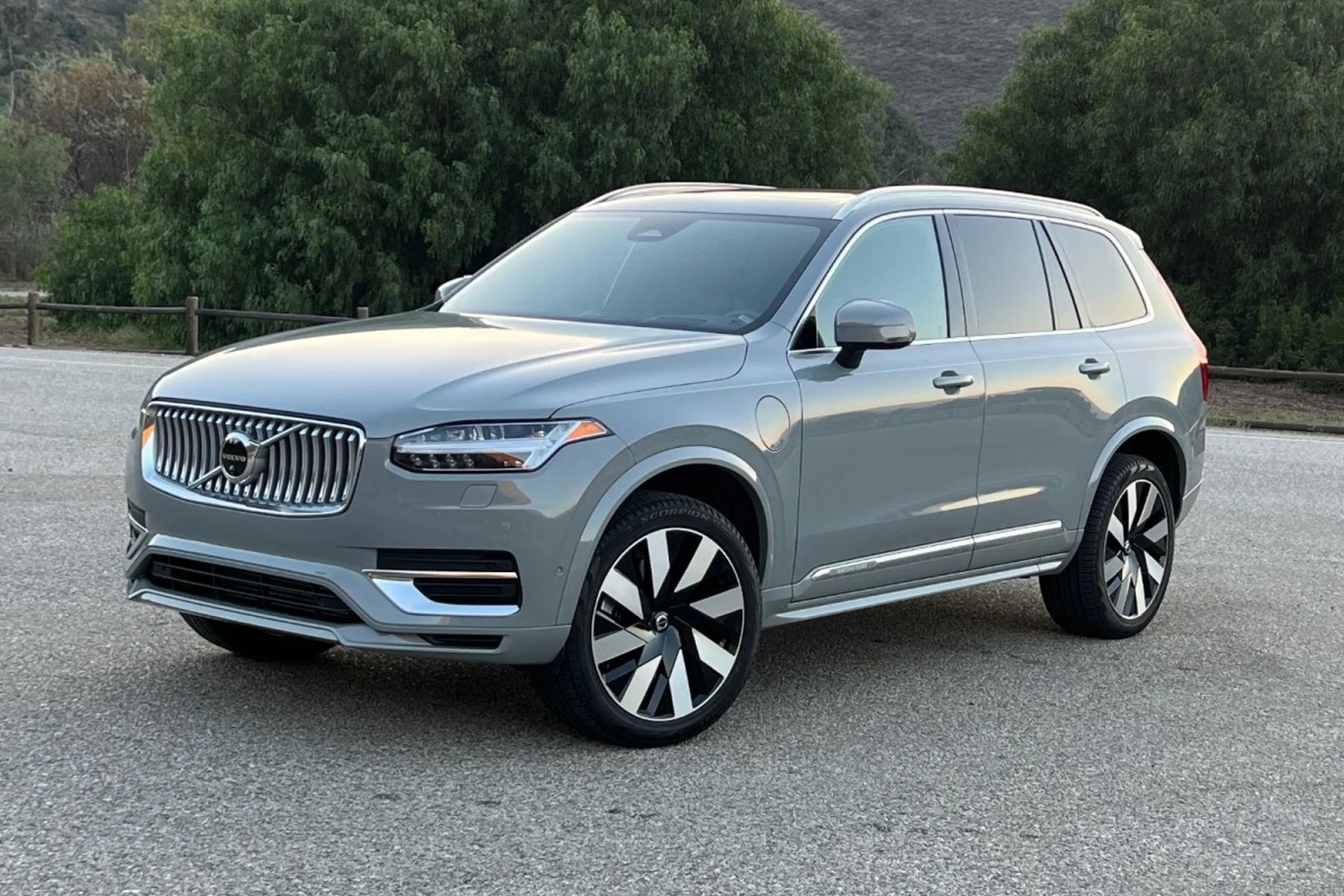
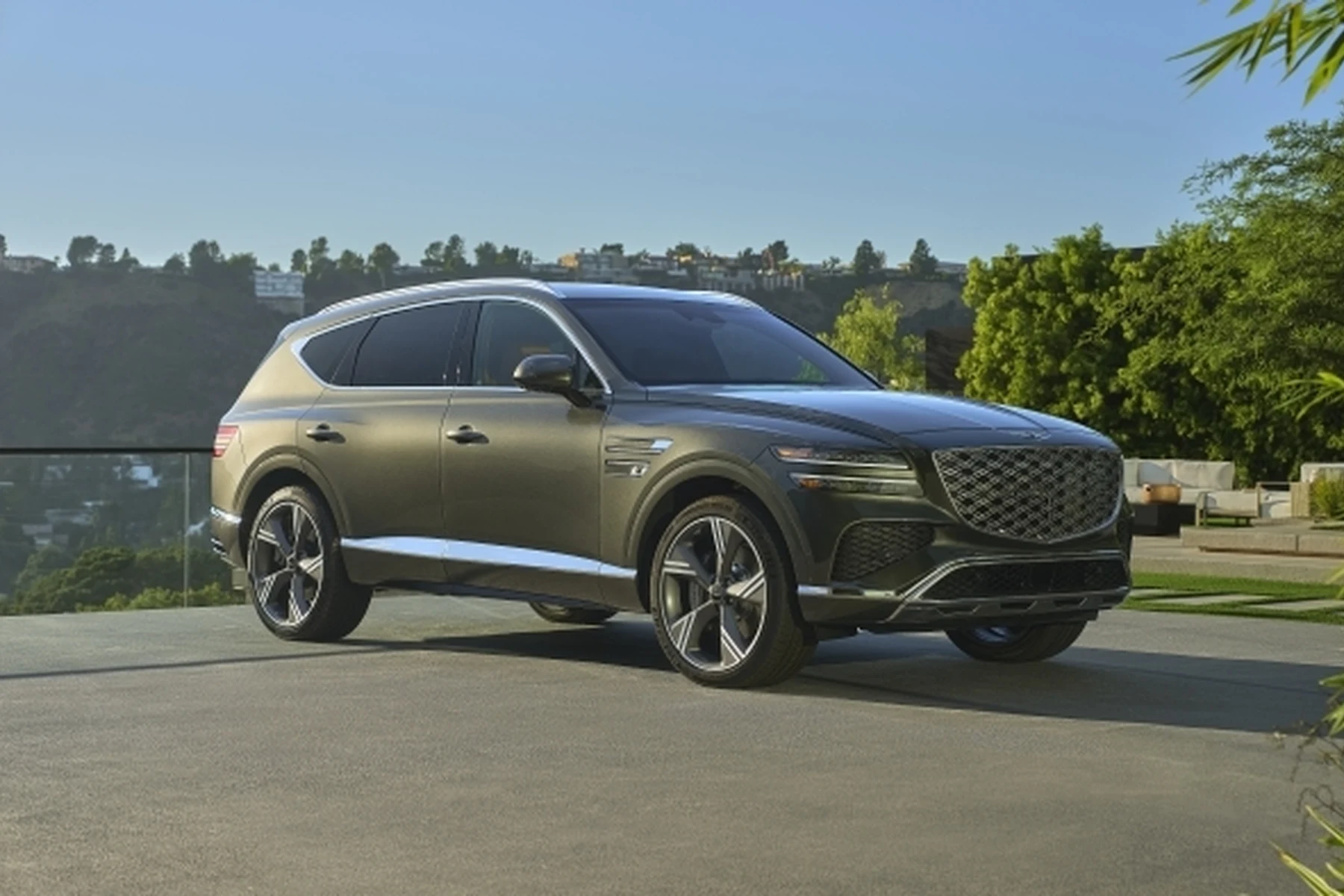
The core divergence is philosophy: the Genesis G70 leans overtly sporty with rear-wheel-drive roots, while the Volvo S60 favors refined ride quality, efficiency, and advanced driver assistance breadth.
Genesis G70 vs Volvo S60 at a glance
The table below lines up the most decision-relevant specs and ownership facts for recent U.S.-market models. Use it to shortlist which trim paths make sense before a test drive.
| Key item | Genesis G70 | Volvo S60 |
|---|---|---|
| Body/class | Compact luxury sport sedan | Compact luxury sedan |
| Base MSRP (approx.) | ~$41,000 (2.5T RWD); options vary by year | ~$42,000 (B5 FWD/AWD); Recharge PHEV ~low $50Ks |
| Powertrains (recent) | 2.5L turbo I4 (≈300 hp, ≈311 lb-ft) RWD/AWD; select 2024 builds with 3.3L V6 | B5 2.0L turbo mild-hybrid (≈247 hp, 258 lb-ft) FWD/AWD; Recharge T8 PHEV eAWD (≈455 hp) |
| Transmission | 8-speed automatic | 8-speed automatic |
| Drivetrain layout | RWD standard; AWD available | FWD or AWD (Recharge: AWD) |
| EPA fuel economy (combined) | ~23–25 mpg (2.5T; AWD vs RWD) | B5: ~28–30 mpg (AWD vs FWD); Recharge: ~69–74 MPGe + ~40 mi EV range |
| 0–60 mph (recent tests/est.) | Quick; notably sharper than S60 B5; older 3.3T: very quick | B5: mid-6s; Recharge PHEV: very quick (around 4-sec range in tests) |
| IIHS status (recent) | Top-tier ratings; TSP/TSP+ depending on year/equipment | Top Safety Pick+ on recent years with proper equipment |
| Warranty | 5yr/60k bumper-to-bumper; 10yr/100k powertrain | 4yr/50k bumper-to-bumper & powertrain |
| Complimentary maintenance | 3yr/36k miles (typ.) | 3yr/36k miles (typ.) |
| Infotainment | 10.25-inch display; Apple CarPlay/Android Auto | 9-inch Google built-in; Apple CarPlay support |
| Trunk volume | ~10.5 cu ft | ~11.6 cu ft |
| Rear legroom | ~34–35 in | ~35 in |
| Curb weight (range) | ~3,500–3,900 lb | B5: ~3,800–3,900 lb; Recharge: higher |
Main differences between the Genesis G70 and Volvo S60
The Genesis G70 feels more athletic, especially with rear-wheel drive and the 2.5T’s stronger low-end torque. Volvo S60 counters with broader safety tech integration, calmer ride tuning, and the unique option of an efficient, very quick Recharge plug-in hybrid.
Warranty is another split: Genesis offers significantly longer coverage, while Volvo leans on software-forward features via Google built-in and strong active-safety availability.
Similarities and common ground
Both sedans deliver premium cabins, available AWD, standard active safety (AEB and lane-keeping), and competitive pricing for the segment. Each includes 3 years/36,000 miles of complimentary maintenance and supports smartphone integration.
Size and daily usability are close, with the Volvo S60 carving out a small trunk advantage and similar rear-seat space to the Genesis G70.
Before you judge acceleration or safety claims, confirm the exact year and trim on the window sticker. U.S. G70 powertrains shifted recently, and S60 Recharge availability/equipment can vary by region and year.
Price, comparable trims and feature-adjusted value
At similarly equipped levels, the Genesis G70 often undercuts the Volvo S60 by several hundred to a couple thousand dollars, especially when you factor in dealer incentives and the G70’s long powertrain warranty.
The Volvo S60 B5 is price-competitive at the base end, while the S60 Recharge typically commands a higher MSRP but can pay back if you charge at home and drive mostly on electricity. Always compare like-for-like driver aids, audio, and seat packages.
Run a 5-year “total cost” including insurance, tires, brakes, fuel/electricity, and depreciation. Genesis’s warranty lowers risk, while the S60 Recharge can trim fuel costs if your commute fits its EV range.
Size, seating, cargo and everyday practicality
Both cars seat five, but the Volvo S60 offers a touch more usable trunk space and slightly airier rear legroom. That matters if you regularly carry two adults in back or fit strollers and weekend luggage.
The Genesis G70’s rear-drive proportions can nibble at trunk opening height, while the S60’s design helps with loading ease. Either will handle weekly errands, but the S60 is a little friendlier for family duty.
Planning for child seats? Our S60-focused guides dive deeper into fit and installation details for various seat types across recent generations.
Interior comfort, visibility and cabin usability
The Volvo S60 emphasizes Scandinavian simplicity with supportive seats, excellent outward visibility for the class, and intuitive climate and drive-mode controls. Its ride tuning leans quiet and composed.
The Genesis G70 sports firmer bolstering and a cockpit-like posture that performance drivers appreciate. Road and tire noise can be slightly more pronounced on aggressive wheel/tire packages.
Bring your daily bag, a rear-facing seat or golf clubs, and spend 15 minutes on rough pavement. Compare road noise, seat comfort, and how easy it is to use climate shortcuts without digging through screens.
Infotainment, controls and technology
Volvo S60 integrates Google built-in, giving you native Google Maps, Assistant and app updates. Apple CarPlay is supported; Android Auto functionality depends on year and software but Google’s native suite reduces the need for mirroring.
The Genesis G70 uses a more traditional 10.25-inch interface with Apple CarPlay/Android Auto. It’s straightforward and responsive, with physical controls complementing the screen for common tasks.
For a broader look at how Volvo’s system stacks up against rivals’ ecosystems and update cadence, see our analysis of the Volvo infotainment experience versus other luxury brands.
Volvo infotainment system vs other luxury cars: what stands out
Safety and driver assistance
Both sedans score well in IIHS testing, with recent Volvo S60 models earning Top Safety Pick+ when equipped appropriately. Genesis G70 models also achieve top-tier results, though awards can vary by headlight and crash-prevention equipment.
Advanced driver aids such as adaptive cruise with lane-centering (Volvo Pilot Assist; Genesis Highway Driving Assist) are available by trim/package. Check that the exact car you’re considering includes the right camera, radar, and headlight spec to secure comparable ratings.
Match model year, trim and headlights before quoting IIHS awards. “Top Safety Pick+” often hinges on specific headlight and crash-prevention options—not just the badge on the trunk.
If you want to dig deeper into Volvo’s safety design ethos and how its systems compare across the luxury field, we’ve covered it in detail here:
Volvo safety systems vs other luxury car brands
Performance, ride, handling and drivetrain
Genesis G70 prioritizes driver engagement, with rear-drive dynamics, eager steering, and confident throttle response from the 2.5T. Earlier V6 cars (still on some lots) remain legitimately quick.
Volvo S60 B5 focuses on smoothness and efficiency, not lap times. The S60 Recharge flips the script: it’s one of the quickest plug-in hybrids in the class while retaining a composed ride for commuting.
In many instrumented tests, the S60 Recharge PHEV is quicker 0–60 mph than most G70 2.5T trims—yet can drive on electricity alone for typical short commutes.
Fuel economy and EV range
EPA-combined ratings place the S60 B5 ahead of the G70 2.5T by a noticeable margin, particularly in FWD form. The S60 Recharge PHEV dramatically cuts gasoline use on short trips thanks to an EPA-rated electric-only range of roughly 40 miles.
Genesis G70’s efficiency is respectable for a sport-tuned compact luxury sedan but lags the Volvo S60, especially against the Recharge. AWD lowers economy slightly for both brands.
Reliability, known issues and evidence level
Large-sample reliability data for the latest 2025–2026 cars is still maturing. Neither model shows a systemic red flag in recent model years, but long-term costs can diverge due to complexity and warranty coverage.
Genesis’s 10-year/100,000-mile powertrain warranty meaningfully reduces exposure versus Volvo’s 4-year/50,000-mile coverage. The S60 Recharge’s electrified hardware adds complexity that rewards diligent maintenance and software updates.
Maintenance, insurance, depreciation and total ownership cost
Both brands include roughly 3 years/36,000 miles of complimentary scheduled maintenance. Consumables and insurance can cost more on the G70 if you choose performance tires and packages.
Historically, value retention depends on engine and trim: performance variants can depreciate faster early on, while efficient trims fare better in volatile fuel-price cycles. Price your exact build over 5 years, not just the sticker.
For a Volvo-wide look at service and cost patterns against segment rivals, our ownership breakdown is a useful reference point:
Volvo maintenance cost vs other cars: where the S60 fits
Two big swing factors: tire choice and commute profile. Summer or staggered fitments can double tire costs; daily charging of an S60 Recharge can cut your fuel bill in half or more.
Resale and daily practicality highlights
Volvo S60’s efficiency and safety credentials help with broad-market appeal on the used side, and its trunk advantage is handy week-to-week. The G70’s enthusiast lean attracts drivers who value dynamics, but verify options like adaptive dampers and limited-slip availability on used listings.
Either model can be a comfortable daily, but families often find the S60’s cabin and cargo layout more accommodating.
Genesis G70 Pros and Cons
- Sportier steering and chassis feel, RWD standard
- Strong 2.5T torque; earlier V6 cars are very quick
- Excellent warranty coverage (5yr/60k basic; 10yr/100k powertrain)
- Value pricing for features and materials quality
- Fuel economy trails S60, especially versus Recharge PHEV
- Rear seat and trunk are tighter than S60
- Ride can feel firm on larger wheels/tire packages
- Advanced driver aids may require higher trims/packages
Volvo S60 Pros and Cons
- Top-tier safety performance and assist features
- Better efficiency; Recharge PHEV delivers EV-only commuting
- Calm, quiet ride and highly supportive seats
- Google built-in with clean, updatable interface
- Shorter warranty than Genesis
- B5 isn’t as lively as G70 2.5T
- Recharge PHEV costs more upfront
- Feature bundles can make optioning pricey
Which vehicle is better for different buyers?
Alternatives worth considering
BMW 3 Series: benchmark dynamics with broad powertrain choices, often pricier with options. Audi A4: refined, tech-forward, and quiet with confident AWD.
Acura TLX: value-packed with a roomy cabin and sharp steering. Lexus IS: dependable, premium feel with a conservative infotainment interface.
How to Decide Between the Genesis G70 and Volvo S60
- Define your commute profile. If most trips are under 40 miles with home charging, the S60 Recharge can slash fuel costs.
- Pick your drivetrain. If you want RWD balance, the G70 is the obvious path; if you prefer FWD/AWD stability, the S60 B5/Recharge fits.
- Match safety equipment. Ensure headlights and crash-prevention options align before you compare IIHS awards.
- Drive them back-to-back. Use the same route, tire pressures, and loads to judge ride noise, steering, and brake feel.
- Total the 5-year costs. Include warranty coverage, insurance quotes, tires, and projected depreciation alongside fuel or electricity.
Before we jump into FAQs, one practical cross-check can save time and money during your final test drives.
💡 Evans Torres Tip: Bring a short “tech script” for each car: pair your phone, set a destination, use voice to add a coffee stop, then adjust driver assists on the highway. Time each step. The system that lets you do all this faster and with fewer taps will feel better every single day.
Frequently Asked Questions
Below are the most common questions U.S. shoppers ask when weighing a Genesis G70 against a Volvo S60. Answers reflect 2024–2026 model information where available; always verify the exact car’s build sheet and window sticker.
Which is quicker: Genesis G70 or Volvo S60?
Generally, a G70 2.5T feels quicker than an S60 B5. However, the S60 Recharge PHEV is among the quickest in the segment and can out-accelerate many G70 2.5T trims while offering EV-only driving for short trips.
Which has better fuel economy?
Volvo S60. The B5 typically beats the G70 2.5T by several mpg combined, and the S60 Recharge PHEV can significantly reduce gasoline use if you charge regularly and drive within its electric range.
Which is safer?
Both test well. Recent S60 models often earn IIHS Top Safety Pick+ when properly equipped. G70 ratings are also strong but can vary by headlight and options. Match year and equipment to compare fairly.
Which car is more comfortable for long commutes?
Volvo S60. It emphasizes ride comfort, superb front seats and low cabin noise. The G70’s firmer chassis favors driving engagement and can feel busier on rough pavement, especially on larger wheels.
Does the S60 Recharge qualify for a federal tax credit?
Eligibility has changed with battery sourcing rules. Many recent S60 Recharge models did not qualify for the federal clean-vehicle credit; check the current IRS list and your specific VIN for status.
Which infotainment system is better?
Different strengths. The S60’s Google built-in offers native Maps and Assistant with over-the-air updates. The G70’s system is traditional but quick and clear, with Apple CarPlay/Android Auto. Try both to see which workflow you prefer.
How do warranties compare?
Genesis leads: 5 years/60,000 miles basic and 10 years/100,000 miles powertrain. Volvo offers 4 years/50,000 miles for both basic and powertrain. Both include about 3 years/36,000 miles of complimentary maintenance.
Is AWD available on both?
Yes. Genesis G70 offers AWD as an option on the 2.5T. Volvo S60 offers AWD on B5 trims and standard AWD on the Recharge PHEV. AWD lowers fuel economy slightly for both.
Final Verdict
Pick the Genesis G70 if your heart wants rear-drive feel, your ears like a sportier soundtrack, and your wallet values the class-leading warranty. It’s the driver’s choice that still delivers luxury trimmings and a fair price.
Choose the Volvo S60 if you want daily serenity, standout safety credentials, and lower running costs. The B5 is efficient, and the Recharge PHEV can be a game-changer for short, charge-at-home commutes without giving up quick acceleration.
If you’re torn, drive a G70 2.5T AWD and an S60 Recharge on the same loop. The one that makes your routine easier—and your total 5‑year math cleaner—is the right one for you.
My Top Picks at a Glance
These three S60 accessories are practical options to compare after choosing the right Volvo configuration.
 Best Overall
Autotech Park foldable sunshade for 2011-2018 Volvo S60, metal-reinforced, custom fit, keeps interior cool
A vehicle-fit accessory to compare for compatibility, daily usefulness, and value.
 Best Value
Autotech Park custom-fit windshield sun shade for 2011-2018 Volvo S60 sedan, foldable, UV-blocking
A vehicle-fit accessory to compare for compatibility, daily usefulness, and value.
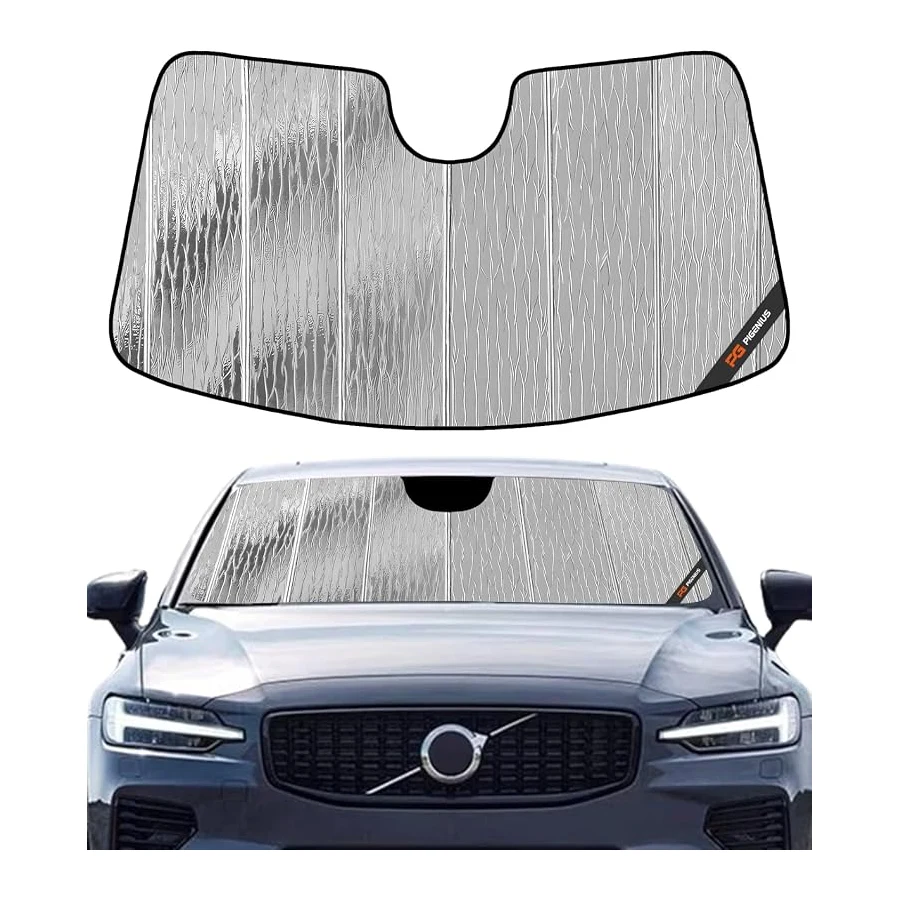 Best Premium Option
AstraGuard windshield sunshade for 2019-2026 Volvo S60 and V60 models, custom fit, blocks UV
A vehicle-fit accessory to compare for compatibility, daily usefulness, and value.
Sources and Methodology
This comparison covers U.S.-market Genesis G70 and Volvo S60 models, focusing on 2024–2026 availability. We matched trims by drivetrain and feature content where possible, using official manufacturer specs, EPA fuel economy data, and IIHS safety ratings. Instrumented performance references reflect reputable tests; exact figures vary by year, drivetrain, tires and conditions. Safety awards depend on specific equipment such as headlights and crash-prevention systems. Data verified August 2026.
Author

Author

Evans Torres
I’m Evans Torres, an automotive engineer who loves Volvo cars. I graduated in Automotive Engineering from USC. I have worked in the car industry for years and now share my knowledge on The Volvo Life. I started this blog to connect with other Volvo fans. I offer tips, news, and advice to help you care for your car. My goal is to help you keep your Volvo in great shape and find all the best things about it. Join me as we discover everything Volvo has to offer!