


The difference between volvo v90 and v90 cross country comes down to ride height and traction: V90 is the low-slung luxury wagon with sharper on-road poise, while V90 Cross Country adds about 3 inches of ground clearance and standard AWD for rough roads and snow.
Volvo built the V90 as a sleek, long-roof luxury wagon and the V90 Cross Country as its raised, adventure-ready twin. They share the same cabin, safety DNA and basic footprint, but diverge in suspension, ground clearance and driveline strategy.
This guide focuses on the specs that matter most to buyers in the U.S.: ground clearance, AWD availability, comfort and day-to-day usability. It also covers pricing context when new, used-market realities, fuel economy, safety and ownership costs.
By the end, you’ll know exactly which model fits your roads, weather and lifestyle, and what to check on a test drive before you decide.
- Main difference: V90 Cross Country rides ≈3 inches higher and includes standard AWD and rough-road tuning; V90 sits lower for tighter handling and slightly better efficiency.
- Best for A: Volvo V90 if you drive mostly paved roads and value lower price, crisper handling and a sleeker stance.
- Best for B: Volvo V90 Cross Country if you face snow, gravel, ruts or steep driveways and want extra clearance with standard AWD.
- Cost/value: Cross Country typically carried a $5,000–$7,000 MSRP premium when new and tends to hold value slightly better in U.S. used listings.
- Important caveat: The standard V90 left the U.S. earlier than the Cross Country; equipment and infotainment differ by model year—verify the exact build.
Are Volvo V90 and V90 Cross Country direct competitors?
No—these are two flavors of the same large Volvo wagon. The Volvo V90 is the standard, lower-slung luxury wagon; the Volvo V90 Cross Country is the lifted, cladded version tuned for mixed surfaces.
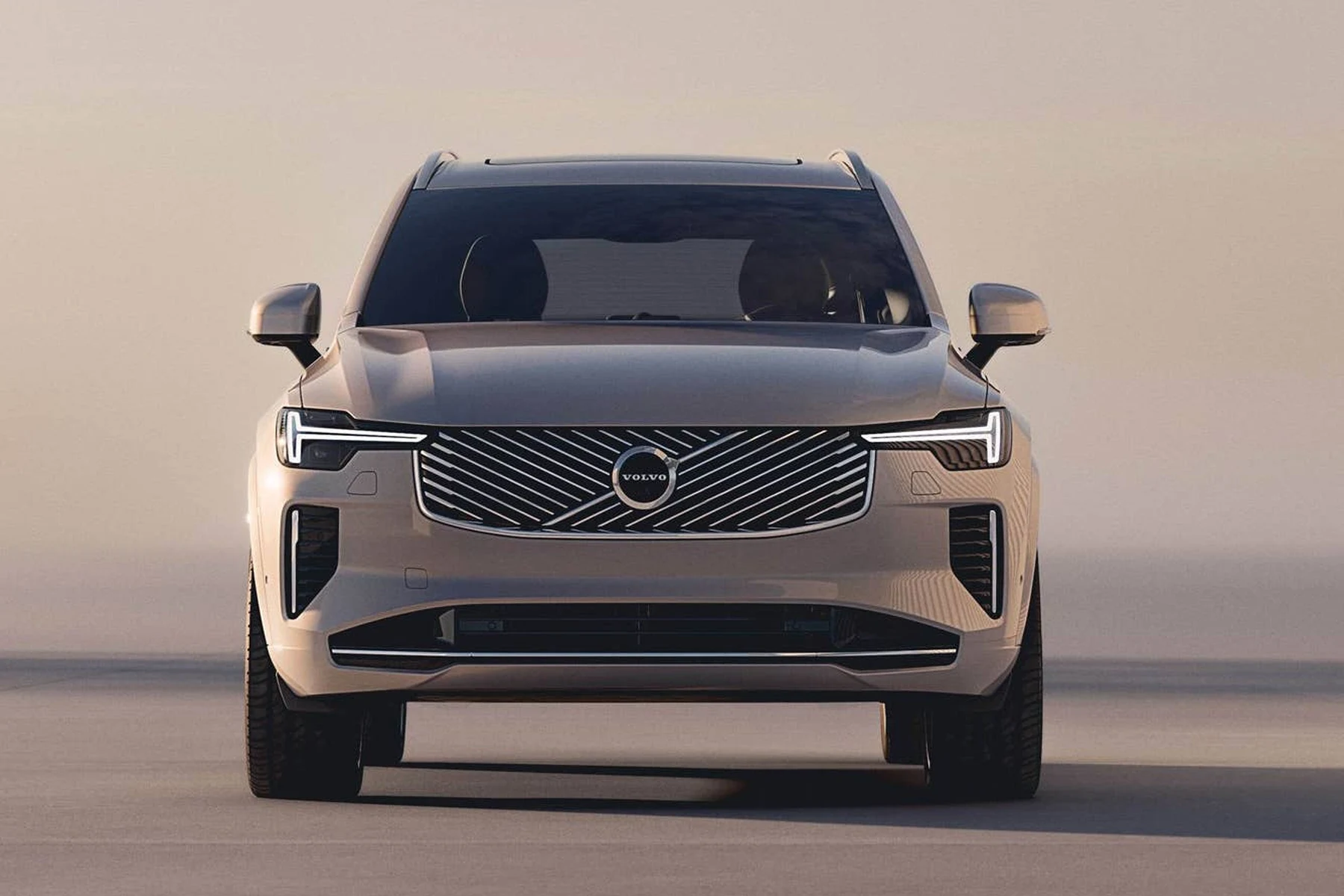
Shoppers compare them because they share the same platform, interior and safety tech, but differ in standard AWD, ground clearance and ride character. Think of Cross Country as the “all-road” package on the same car.
Volvo V90 vs. Volvo V90 Cross Country at a glance
Here’s a side-by-side to quickly visualize where the two wagons diverge in the areas that usually make or break the decision.
| Specification | Volvo V90 | Volvo V90 Cross Country |
|---|---|---|
| Body/style | Large luxury wagon (low ride height) | Large luxury wagon (raised, body cladding) |
| Standard drivetrain | FWD (T5) or AWD (T6), varies by year | AWD standard across years |
| Ground clearance | ≈5.5–5.9 in (≈140–150 mm) | ≈8.3 in (≈210 mm) |
| Suspension tuning | Lower, firmer on-road focus | Longer-travel, softer rough-road focus |
| Off-road aids | Drive modes; HDC typically not fitted | Drive modes incl. Off-Road; Hill Descent Control |
| Typical wheels/tires | 18–20 in touring-oriented | 18–20 in with more sidewall options |
| Length/height | ≈195 in L / ≈58–59 in H | ≈195 in L / ≈60–61 in H |
| Cargo volume (SAE) | ≈25 cu ft (rear up) / ≈54 cu ft (folded) | ≈25 cu ft (rear up) / ≈54 cu ft (folded) |
| Seating | 5 | 5 |
| Common U.S. powertrains | 2.0L T5 FWD; 2.0L T6 AWD (2017–2021) | 2.0L T5/T6 AWD (early); B6 MHEV AWD (2022) |
| Infotainment | Sensus (portrait) through 2021 | Sensus through 2021; Google built-in for 2022 |
| EPA combined MPG (typical) | ≈24–27 MPG (varies by engine/drivetrain) | ≈23–26 MPG (typically 1–2 MPG lower) |
| Towing (when equipped) | Up to 3,500 lb (braked) with factory hitch | Up to 3,500 lb (braked) with factory hitch |
| Safety ratings | Strong IIHS performance (by year/trim) | Strong IIHS performance (by year/trim) |
Main differences between Volvo V90 and V90 Cross Country
The headline difference is geometry and traction. Volvo V90 Cross Country rides roughly 3 inches higher and includes standard AWD with extra chassis travel and rough-road modes, while the Volvo V90 sits lower with available AWD and a more on-road-oriented tune.
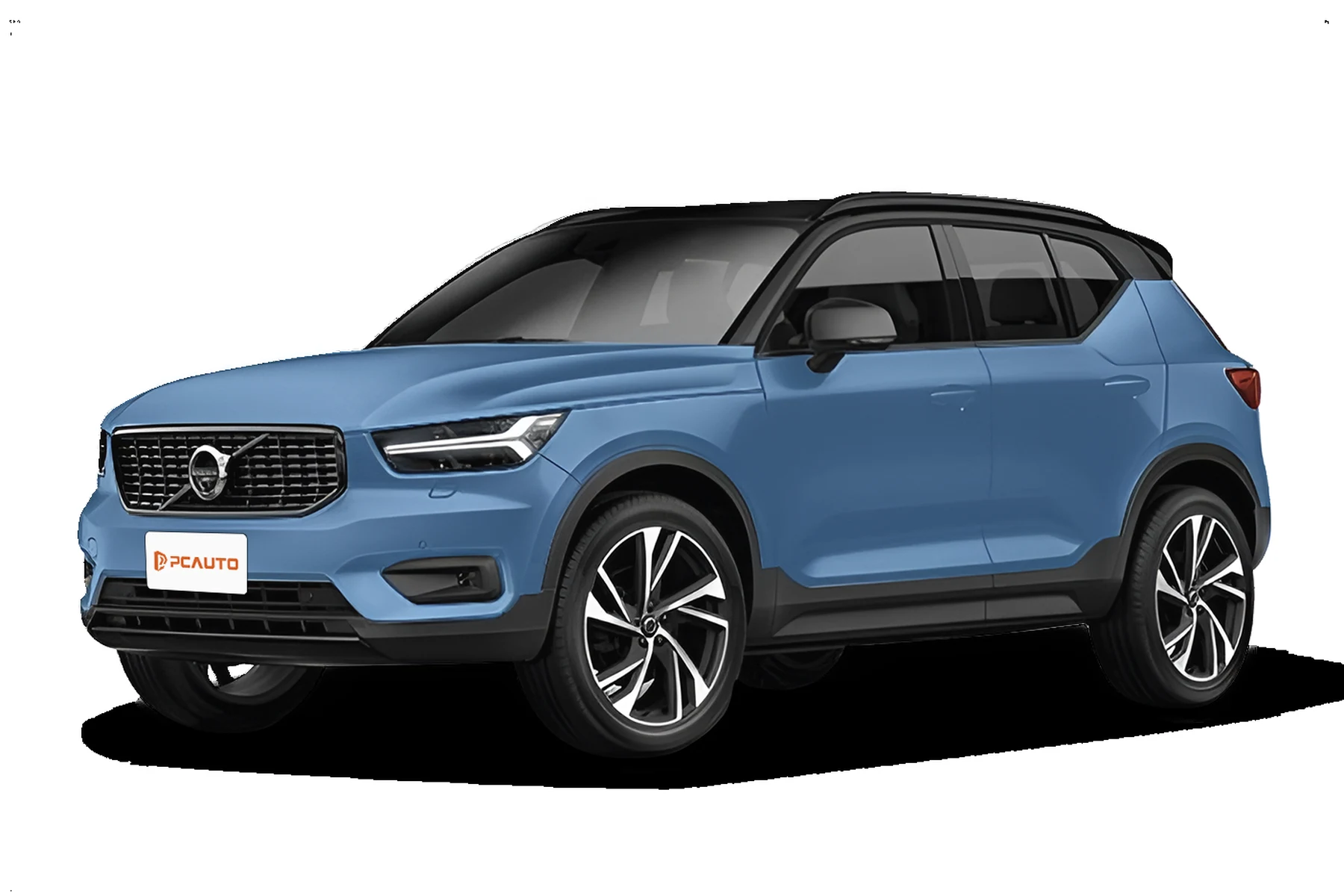
That translates to easier snow/driveway clearance for the Cross Country, and slightly better fuel economy and sharper handling for the V90. Cross Country also received Google built-in infotainment in 2022; the regular V90 left the U.S. earlier and kept Sensus.
Similarities and common ground
Cabin design, seating space and cargo room are essentially the same. Both share Volvo’s advanced safety suite, excellent seats and a serene long-distance character.
Ride comfort is high in both, but the Cross Country filters broken pavement better; the V90 feels a touch more tied-down in quick transitions.
U.S. availability differs: V90 (2017–2021) and V90 Cross Country (2017–2022). Some 2022 Cross Country models added the B6 mild-hybrid and Google built-in. Always confirm your exact year, engine and options on the window sticker or by VIN before comparing.
Price, comparable trims and feature‑adjusted value: Volvo V90 vs. V90 Cross Country
When new, the Volvo V90 Cross Country typically carried a $5,000–$7,000 premium over an equivalently equipped V90 due to standard AWD, the raised suspension and added hardware.
On the used market, the Cross Country often retains slightly more value in snow-belt regions thanks to demand for clearance and AWD. In sun-belt markets, the standard V90’s lower price can be compelling if you don’t need the extra height.
Cross Country tires often have taller sidewalls but can skew larger in diameter/price. Expect a full set to cost $200–$400 more than many base V90 18-inch fitments, and budget for AWD tire matching to protect the center coupling.
Size, seating, cargo and everyday practicality
Volvo V90 and Volvo V90 Cross Country share the same generous cargo bay: roughly 25 cubic feet behind the second row and about 54 cubic feet with it folded. The load floor is long and flat, and the power tailgate eases daily use.
The Cross Country’s higher ride height raises the load-in angle slightly, but it also clears steeper driveways and ruts more easily. The V90’s lower stance helps smaller pets or kids hop in without a lift.
- Back-to-back load-in: lift a bulky item into each car to feel the height difference.
- Drive over a speed hump at 20 mph: compare impact isolation and rebound control.
- Check rear visibility with cargo cover in place vs. retracted in both cars.
Interior comfort, visibility and cabin usability
Seat design, materials and space are essentially identical, with typical Volvo comfort and excellent long-trip support. The V90 feels fractionally more planted at highway speeds due to its lower center of gravity.
V90 Cross Country offers a slightly taller hip-point that eases entry/exit and improves forward view over snowbanks. Road noise is well controlled in both, with the Cross Country’s added sidewall helping on coarse pavement.
Infotainment, controls and technology
Most U.S. Volvo V90 and V90 Cross Country models use Volvo’s portrait-oriented Sensus system with Apple CarPlay/Android Auto support. For 2022, some V90 Cross Country models adopted Google built-in with native Google Maps and Assistant.
If you’re weighing interface preferences, try both systems on a test drive. For broader context on Volvo’s approach to infotainment, see our overview of the Volvo infotainment system vs. other luxury brands.
Safety and driver assistance
Both Volvo V90 and Volvo V90 Cross Country offer Volvo’s City Safety suite and available Pilot Assist. IIHS testing shows strong crash performance for the V90 family in the tested years, with Top Safety Pick-level results depending on headlights and specific configurations.
NHTSA often did not publish ratings for these low-volume wagons. Compare like-for-like model years and trims when safety is a deciding factor.
Use IIHS results for the exact body style and year, and verify whether your car has the rated headlights/driver aids. Early years may require option packages for top ratings; later cars made many items standard.
Performance, ride, handling and drivetrain
Volvo V90 prioritizes on-road precision. In T6 AWD guise, it delivers brisk acceleration with a slightly firmer, more tied-down feel in quick transitions. T5 FWD models are calmer cruisers with lighter front-end weight.
V90 Cross Country trades some roll control for extra travel and compliance. Standard AWD improves traction on wet leaves, gravel and snow. The 2022 B6 mild-hybrid added smoother low-speed response while keeping the car’s grand-touring personality.
Only the Volvo V90 Cross Country includes an Off-Road drive mode and Hill Descent Control in the U.S. These features modulate throttle/ABS for loose surfaces and controlled descents—handy on snowy driveways or rutted trails.
Fuel economy: EPA context and real-world expectations
Across common U.S. years, Volvo V90 models typically post a slightly higher EPA combined MPG than Volvo V90 Cross Country. Expect roughly a 1–2 MPG combined gap in favor of the lower, lighter V90 given similar engines and tires.
Actual numbers vary by T5 vs. T6 vs. B6, wheel size and AWD. Cross-check the exact VIN on fueleconomy.gov to confirm ratings for your build and region.
Reliability, known issues and evidence level
Neither Volvo V90 nor V90 Cross Country has widely documented systemic failures in U.S. data. Most concerns revolve around software updates for infotainment and driver aids, routine wear items and occasional sensor-related warnings.
For 2022 B6 mild-hybrids, ensure all software campaigns are current. For earlier Sensus cars, verify that the latest infotainment updates are installed to reduce lag or reboot events.
Maintenance, insurance, depreciation and total ownership cost
Routine service intervals and parts costs are effectively the same. Insurance can be modestly higher for the Volvo V90 Cross Country due to higher MSRP and trim valuation. Depreciation trends favor the Cross Country slightly in snow-belt regions.
Planning ownership proactively helps. Review our detailed Volvo V90 maintenance schedule to map out service and wear items. Match that plan to a pre-purchase inspection and warranty coverage for your build.
Some U.S. V90 (non‑CC) units were special-order only. Build content can vary more than typical inventory cars. Price the actual equipment on your VIN instead of assuming pack-by-pack equivalence.
Towing and light utility
When factory-equipped with a tow package, both Volvo V90 and Volvo V90 Cross Country are commonly rated up to 3,500 pounds braked in the U.S. Always verify hitch class, cooling and wiring on the exact vehicle.
The Cross Country’s higher hitch height can help trailer clearance on uneven approaches; the V90’s lower stance may ease loading a cargo carrier.
Volvo V90 Pros and Cons
- Lower ride height yields sharper on-road handling and slightly better MPG.
- Typically lower purchase price than Cross Country for similar equipment.
- Sleek wagon look; easier load-in height for pets and kids.
- Less ground clearance for snow, ruts and steep driveways.
- AWD may be optional depending on year/engine.
- U.S. availability ended earlier; fewer late‑model examples.
Volvo V90 Cross Country Pros and Cons
- ≈3 inches more ground clearance; AWD standard.
- Smoother isolation on broken pavement and gravel.
- Off-Road mode and hill descent add capability in snow and on trails.
- Higher price when new; used values often run stronger.
- Marginally lower fuel economy and more body motion in quick transitions.
- Tire replacement can cost more depending on size/spec.
Which vehicle is better for different buyers?
Alternatives worth considering
If you like the Volvo approach but want different sizing or price, look at the Volvo V60 Cross Country for a smaller footprint with similar capability. Audi A6 allroad and Mercedes E-Class All-Terrain deliver luxury all-road wagons with higher price tags.
Value-focused buyers might also consider a Subaru Outback XT—less premium, but rugged and roomy. For Volvo naming context, our guide to Volvo V vs. S model designations explains wagon vs. sedan badges.
How to Decide Between Volvo V90 and V90 Cross Country
- Measure your obstacles. Note driveway angles, unplowed routes and seasonal ruts; if you’ve scraped before, favor Cross Country.
- Pick a drivetrain. If you need AWD every winter, CC makes it standard; otherwise an AWD V90 may suffice.
- Test two tire setups. Drive each car on the wheel size you’ll actually buy; tires change ride/noise more than you think.
- Match features by VIN. Align driver aids, audio, seats and headlights so price reflects real equipment.
- Project 5‑year costs. Compare insurance quotes, tire sets and maintenance for your ZIP and mileage.
Before we jump into FAQs, here’s one practical check that often reveals the right answer in minutes.
💡 Evans Torres Tip: Park both wagons nose-to-curb and mark the lowest front point on painter’s tape. Then drive each over the same speed hump at 20 mph and an angled driveway at walking speed. The combo of scrape clearance and impact isolation will usually choose the winner for your neighborhood.
Frequently Asked Questions
Shoppers often have the same short list of concerns when deciding between Volvo’s two big wagons. These quick answers focus on ground clearance, traction, comfort, efficiency and ownership—areas where the Volvo V90 and Volvo V90 Cross Country truly differ.
How much higher is the Volvo V90 Cross Country than the regular V90?
Approximately three inches. U.S.-spec Volvo V90 models sit around 5.5–5.9 inches off the ground, while Volvo V90 Cross Country is roughly 8.3 inches. That extra clearance helps with snow, ruts and steep driveways without jumping to SUV proportions.
Is AWD standard on the Volvo V90?
No. AWD is standard on Volvo V90 Cross Country, but on the regular Volvo V90 it depends on engine and model year. Many U.S. V90 T6 cars are AWD, while T5 models are commonly FWD. Verify the specific car’s drivetrain by VIN or window sticker.
Which rides more comfortably over broken pavement?
Volvo V90 Cross Country. Its longer-travel suspension and additional tire sidewall options improve isolation on potholes and gravel. The standard Volvo V90 is still very comfortable, but it feels more buttoned-down in quick transitions and at highway speeds.
Does the Cross Country get worse fuel economy?
Usually by about 1–2 MPG combined compared with a similar-engine Volvo V90. The higher ride height and standard AWD add a small penalty. Actual results vary by powertrain, wheel size, tires and climate—check the specific VIN on fueleconomy.gov.
Are the interiors and cargo room the same?
Yes. Volvo V90 and Volvo V90 Cross Country share the same cabin design, seat dimensions and cargo volume. The Cross Country’s seat hip-point is slightly higher for easier entry/exit; the V90’s lower deck eases loading heavier items.
Did the V90 Cross Country get Google built‑in?
Some 2022 U.S. Volvo V90 Cross Country models adopted Google built‑in. The standard Volvo V90 left the U.S. earlier and retained the Sensus interface. If infotainment is a priority, test both systems to see which you prefer.
Which holds value better in the U.S.?
Generally the Volvo V90 Cross Country, especially in snow-belt regions where clearance and standard AWD are prized. In markets with mild weather, the lower-priced V90 can be the smarter value if you don’t need the extra capability.
Do maintenance costs differ between the two?
Routine maintenance is similar. The Volvo V90 Cross Country may see slightly higher tire costs depending on size and spec. For planning, review our detailed Volvo V90 maintenance checklist and map the intervals to your mileage.
Final Verdict
If your daily routes are paved and predictable, the Volvo V90 delivers the same elegant cabin and safety with a lower price, tidier handling and a small efficiency edge. It’s the purist’s long-roof.
If winter, gravel or angled driveways are part of your life, the Volvo V90 Cross Country’s clearance, standard AWD and rough-road tuning remove friction you’ll feel every week. Late-model CCs with Google built‑in sweeten the deal for tech-minded buyers.
Match drivetrain, wheels and driver aids by VIN, drive both over your local obstacles, and buy the one that makes your daily loop calmer. For many Americans, that’s the Cross Country; for committed road-trippers, the V90 still charms.
My Top Picks at a Glance
These three V90 accessories are practical options to compare after choosing the right Volvo configuration.
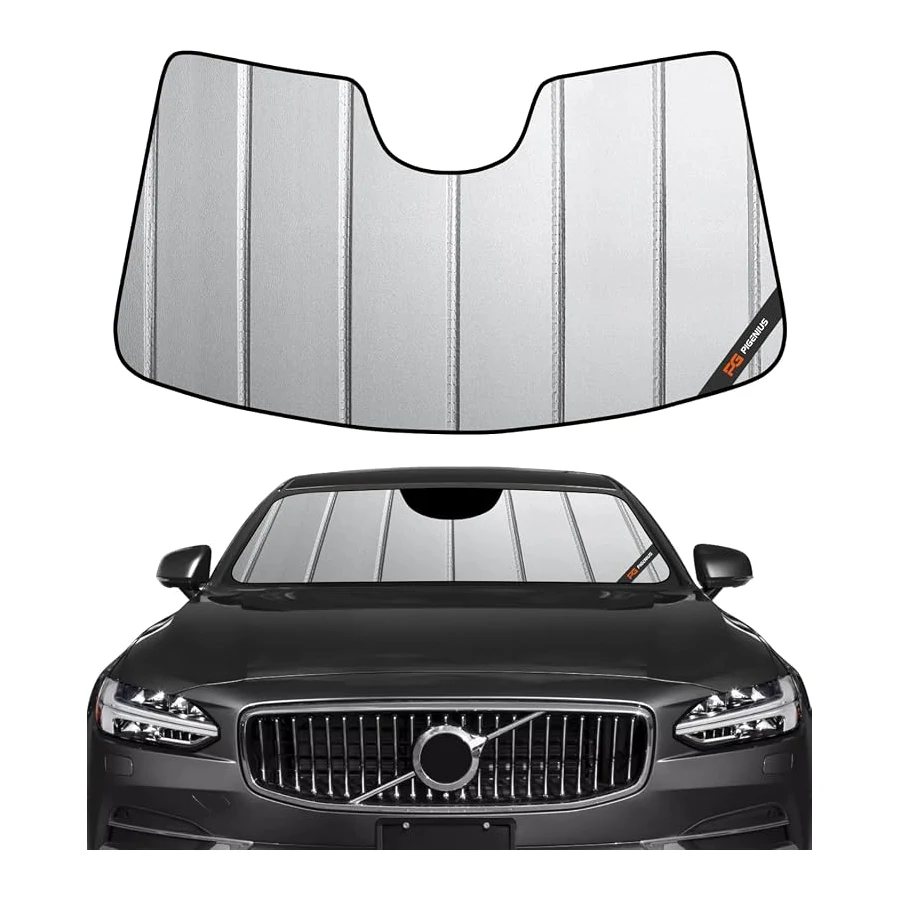 Best Overall
Safeguard custom-fit windshield sunshade for Volvo S90, V90, V90 Cross Country, UV protection, heat reduction
A vehicle-fit accessory to compare for compatibility, daily usefulness, and value.
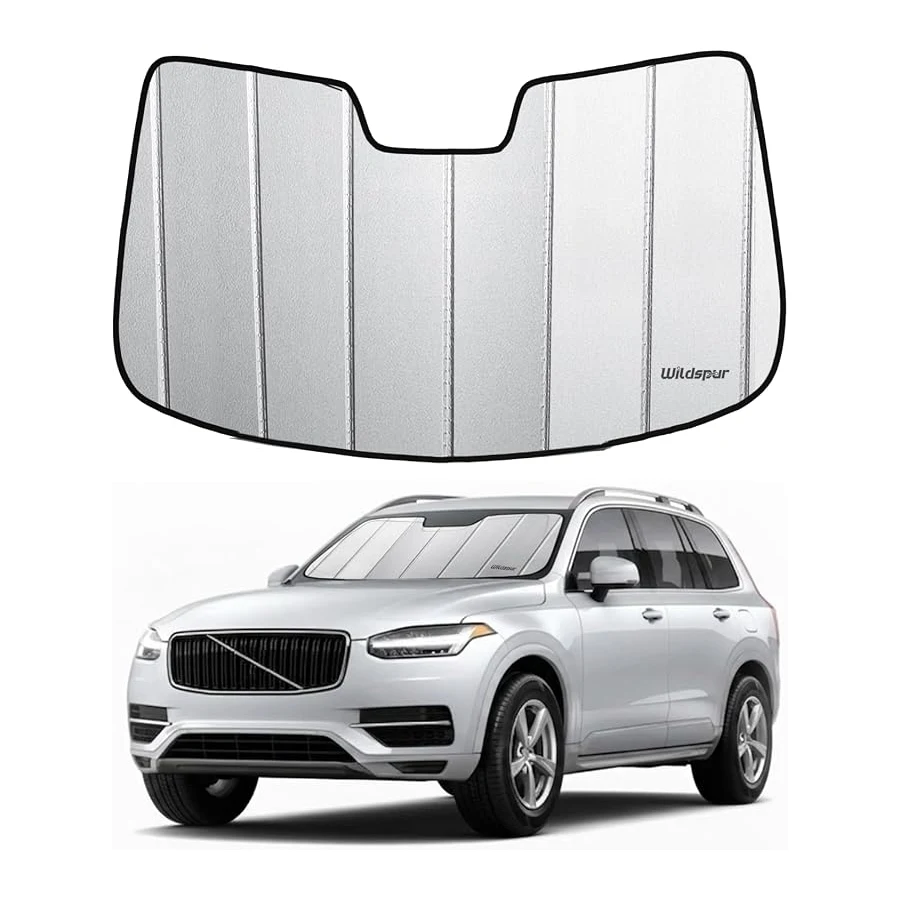 Best Value
Custom-fit windshield sun shade for Volvo XC90 2016-2026, blocks UV, reduces interior heat
A vehicle-fit accessory to compare for compatibility, daily usefulness, and value.
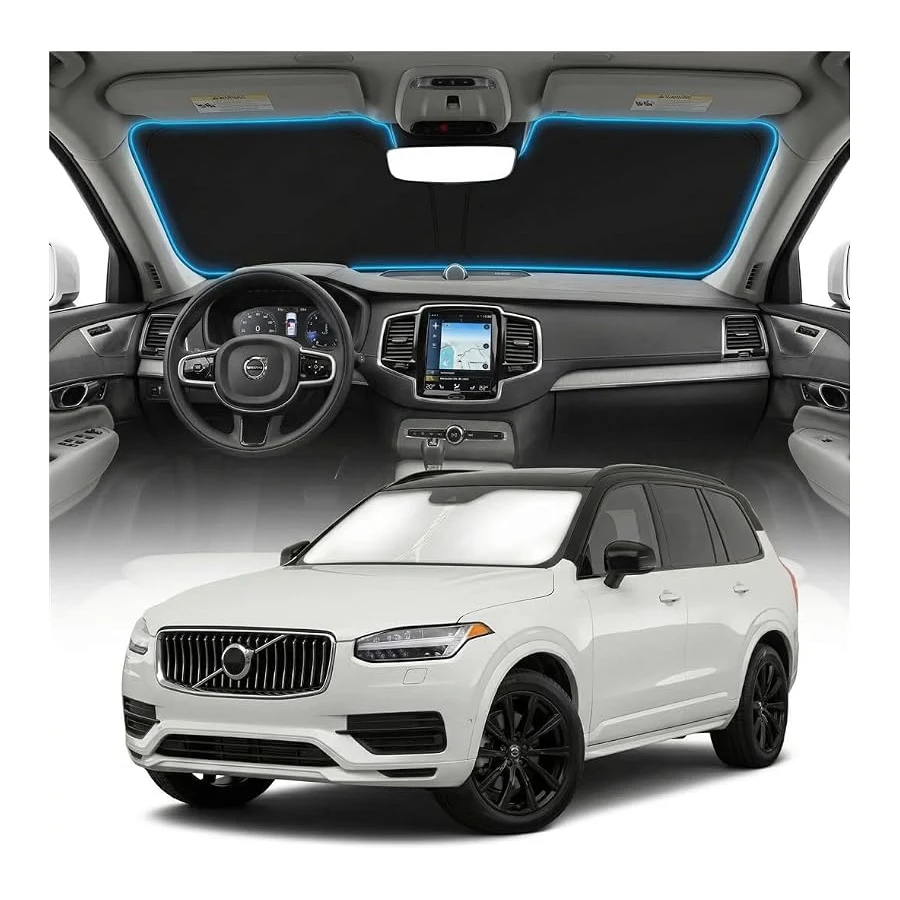 Best Premium Option
Custom-fit windshield sun shade for Volvo XC90 2016-2026, foldable UV protection heat shield
A vehicle-fit accessory to compare for compatibility, daily usefulness, and value.
Sources and Methodology
This U.S.-market comparison covers 2017–2021 Volvo V90 and 2017–2022 Volvo V90 Cross Country. We aligned trims by engine/drivetrain and standard equipment where possible. Ground clearance and feature notes come from Volvo specifications and reputable reviews; efficiency references use EPA data; safety references use IIHS tests for the applicable body styles/years. Availability and equipment vary; always verify by VIN and window sticker. Data verified August 2026.
Author

Author

Evans Torres
I’m Evans Torres, an automotive engineer who loves Volvo cars. I graduated in Automotive Engineering from USC. I have worked in the car industry for years and now share my knowledge on The Volvo Life. I started this blog to connect with other Volvo fans. I offer tips, news, and advice to help you care for your car. My goal is to help you keep your Volvo in great shape and find all the best things about it. Join me as we discover everything Volvo has to offer!