


volvo car financial services vs volvo financial services compares two separate captives: VCFS funds consumer Volvo Cars loans and leases through U.S. retailers, while VFS finances Volvo Group commercial trucks and equipment. Pick VCFS for personal car financing; pick VFS for business-use trucks or machinery.
Volvo uses two different finance brands in the U.S., and they serve completely different buyers. Volvo Car Financial Services (VCFS) supports consumer and small-business purchases or leases of Volvo Cars models through franchised dealers.
Volvo Financial Services (VFS) is the captive lender for Volvo Group’s commercial brands. It funds trucks, heavy equipment and related business assets, not Volvo passenger cars.
This guide clarifies the split, outlines eligibility, typical contract structures, end‑of‑term choices and risks. You’ll also find a simple decision grid and a five‑step checklist to compare current offers without confusion.
- Main difference: VCFS is for consumer Volvo Cars financing; VFS is for Volvo Group commercial trucks/equipment—different companies, products and rules.
- Best for A: VCFS suits individuals and households leasing or buying a new or CPO Volvo car/SUV.
- Best for B: VFS suits businesses financing Volvo or Mack trucks, trailers or Volvo Construction Equipment.
- Cost/value: VCFS pricing revolves around APR, money factor and residual; VFS adds TRAC/FMVs, seasonal payments and business tax considerations.
- Important caveat: You cannot finance a Volvo car through VFS, and you cannot finance a commercial truck through VCFS.
What Volvo Car Financial Services is
Volvo Car Financial Services is the captive-brand finance program that supports retail loans and leases for Volvo Cars in the U.S. It works through authorized Volvo retailers and approved lending partners.
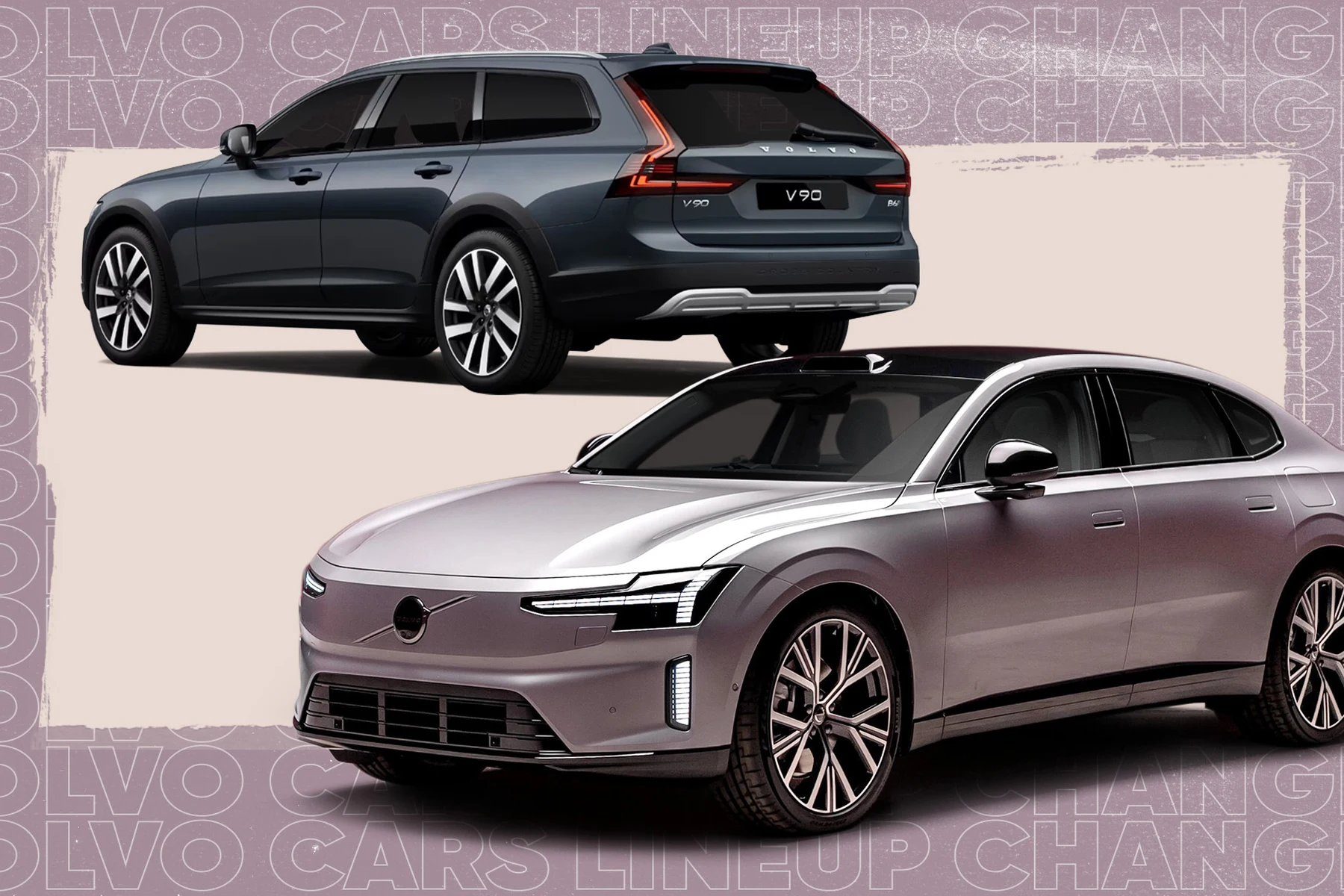
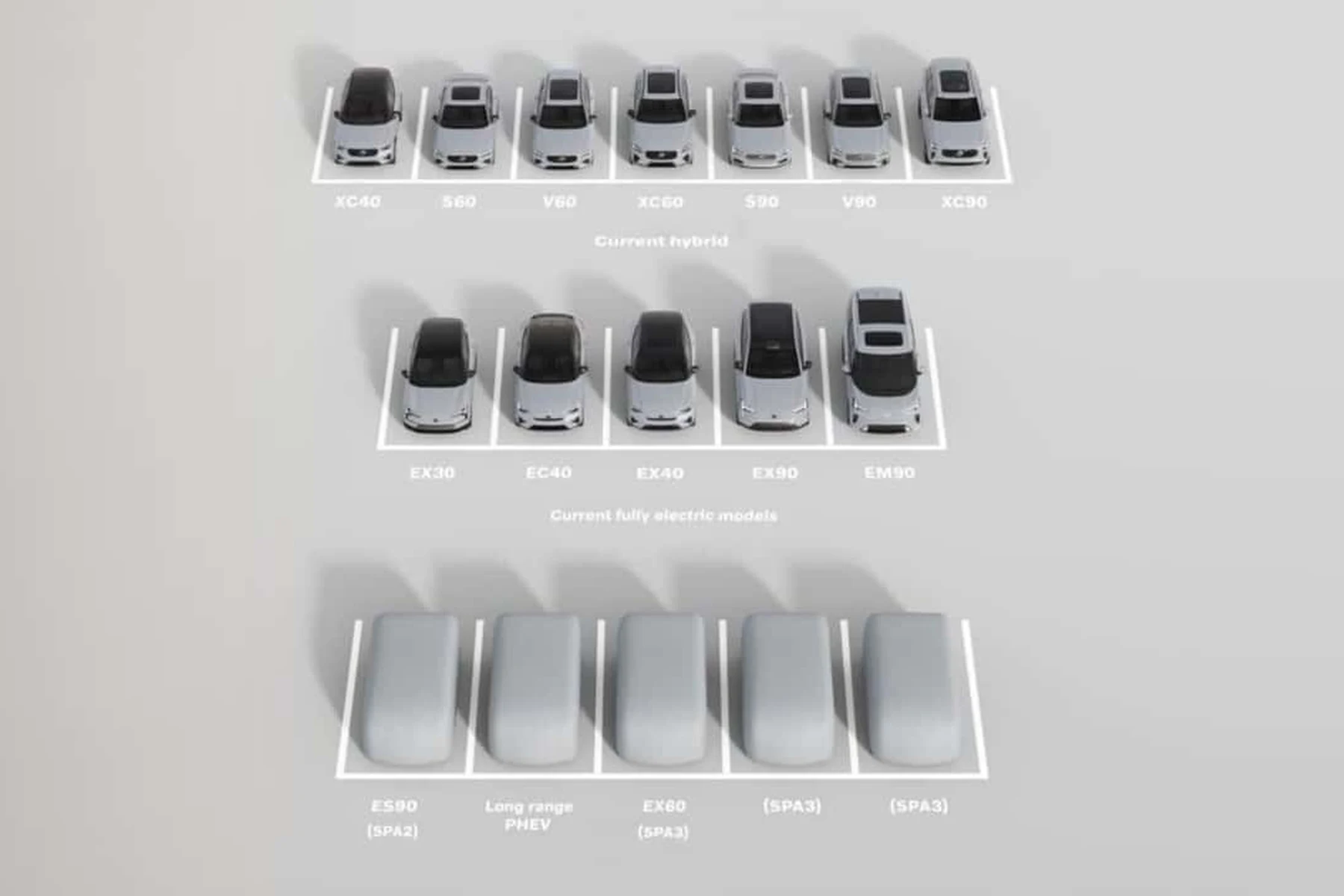
VCFS focuses on consumers and eligible small businesses acquiring Volvo models like XC40, XC60 and XC90. It does not finance commercial trucks or construction equipment.
“Volvo Car Financial Services” is tied to Volvo Car USA and the Volvo Cars brand. It is separate from “Volvo Financial Services,” which belongs to the Volvo Group commercial side.
What Volvo Financial Services is
Volvo Financial Services is the captive finance arm of Volvo Group. In the U.S., it funds commercial assets such as Volvo Trucks, Mack Trucks, Volvo Construction Equipment and related business-use vehicles.
VFS products include loans and commercial leases tailored to fleet and vocational needs. It does not provide financing for Volvo passenger cars sold by Volvo Car USA retailers.
Volvo Cars and Volvo Group split in 1999 and operate independently. Their finance arms mirror that divide, which is why consumer car leasing and commercial truck financing never cross over.
At-a-glance comparison: Volvo Car Financial Services vs Volvo Financial Services
Use this snapshot to see audience, products and end‑of‑term paths side by side. It’s a quick way to confirm which lane your purchase belongs in before you negotiate terms.
| Item | Volvo Car Financial Services | Volvo Financial Services |
|---|---|---|
| Who it serves | Consumers and small businesses buying/leasing Volvo Cars | Businesses financing Volvo/Mack trucks, trailers, construction equipment |
| Assets covered | Volvo passenger cars and SUVs | Class 6–8 trucks, vocational equipment, yellow iron |
| Common products | Retail loan, closed‑end lease | Loan, TRAC lease, FMV lease, balloon/seasonal structures |
| Mileage limits | Yes (leases typically 10k–15k/yr) | No mileage caps; usage based on business needs |
| End‑of‑term | Return, buy at preset residual, or replace | Return/buy (FMV); customer‑guaranteed residual (TRAC); own if loan |
| Tax treatment | Personal use; limited deductions unless business use documented | Business deductions/depreciation subject to IRS rules |
| Insurance | Personal auto with lease/loan loss payee; GAP often available | Commercial auto policy; liability and physical damage limits set by lender |
| Early termination | Restricted; significant charges on leases | Restricted; payoff/fees apply per commercial contract |
| Who cannot use | Fleets financing heavy trucks/equipment | Retail Volvo car buyers |
Availability, eligibility, market and verification date
VCFS is available through U.S. Volvo Cars retailers to qualified applicants who meet credit and documentation standards. Programs change periodically and may vary by state.
VFS is available through authorized commercial dealers to businesses that meet commercial credit criteria. Structures can vary by asset type, industry and fleet size.
Consumer Volvo Cars are financed/leasing via VCFS channels. Volvo Group commercial brands use VFS. If a proposal mixes the two, ask for corrected documentation—misclassification can void approvals or incentives.
For corporate background on the brand split that drives this divide, see our guide to Volvo AB vs. Volvo Cars.
Cost structure, upfront charges and what is included
VCFS loans price via APR; leases use a money factor and residual value. Expect typical car deal fees: acquisition on leases, dealer documentation, registration/taxes, and possibly a security deposit.
Volvo Cars often includes limited complimentary scheduled maintenance on new vehicles, but coverage length and items vary by model year. Confirm what’s included against the Volvo maintenance schedule before you compare offers.
Budget beyond payments: insurance, tires and routine service can outweigh small APR differences over 36–48 months. Price these items now, not after signing.
VFS commercial structures quote base rate, term and collateral‑specific fees. Upfronts can include documentation, titling, UCC filings, and sales/use taxes. Maintenance is generally not included unless you add a service contract or full‑service lease component.
For VCFS leases, ask the finance manager to disclose the buy rate money factor, residual and all add‑ons in writing. For VFS, request a side‑by‑side of loan vs TRAC vs FMV showing total cash outlay and assumed residual.
Contract term, mileage, insurance, maintenance, cancellation and early termination
VCFS leases typically span 24–48 months with annual mileage choices around 10k–15k. Excess mileage and wear are billed at turn‑in, and early termination is costly.
Loan terms vary by credit tier and vehicle. Insurance must list the lender as loss payee, and GAP protection may be available or included depending on program and state.
Confirm in writing whether GAP is included on a VCFS lease in your state. If not, price standalone GAP or raise physical damage limits to protect against total‑loss shortfalls.
VFS contracts commonly run 36–84 months depending on asset life. There are no mileage caps; usage is governed by maintenance covenants and condition at return if leased.
Commercial insurance requirements are higher and may include specified liability and physical damage deductibles. Early payoff and termination follow commercial terms; TRAC leases carry residual obligations at maturity.
End-of-term options, ownership rights and major restrictions
VCFS closed‑end leases allow you to return the car, buy it at a preset residual plus fees, or replace it with another Volvo. Modifications are restricted, and disposition or purchase option fees may apply.
Loans through VCFS transfer title upon payoff; you may sell or trade at any time subject to lien release and state law.
With VFS, FMV leases let you return or buy at fair market value. TRAC leases assign a target residual you are responsible for at end—if sale proceeds are below target, you pay the difference; above, you may benefit per contract terms.
VFS loans place title in the business’s name with a lien. Resale, assignment and use restrictions follow the security agreement and fleet policies.
Personal VCFS leases rarely deliver broad deductions unless there is legitimate business use. VFS transactions may qualify for business deductions or depreciation—consult a CPA before choosing TRAC vs FMV vs loan.
Pros, cons and financial risks
Each path has distinct strengths and watchouts. Weigh the structure that matches how you use the vehicle and how long you plan to keep it.
Volvo Car Financial Services Pros and Cons
- Simple consumer underwriting and dealership integration.
- Predictable lease end with preset residual and mileage options.
- Access to brand incentives and loyalty programs.
- Mileage overages and wear charges on leases.
- Early termination is expensive and limited.
- Personal insurance and taxes may be higher in some states.
Volvo Financial Services Pros and Cons
- Commercial products tailored to fleets and duty cycles.
- TRAC/FMVs can optimize cash flow and tax outcomes.
- Seasonal or skip‑payment options may match revenue cycles.
- Residual risk exposure with TRAC leases.
- Higher documentation and insurance requirements.
- Early exit flexibility is limited and can be costly.
Before chasing the lowest rate, price maintenance and downtime. For Volvo Cars, review real‑world upkeep in our analysis of Volvo maintenance costs in the USA.
Which option fits which buyer
The right choice follows the asset you’re buying and how it will be used. There’s no overlap between the two programs, so matching your need is straightforward.
How to Decide Between Volvo Car Financial Services and Volvo Financial Services
Use these steps to validate the correct channel, then compare apples to apples within that channel.
- Confirm asset type and use. Passenger car/SUV for personal use = VCFS; commercial truck/equipment for business = VFS.
- Ask for the full quote pack. For VCFS: APR/money factor, residual, fees. For VFS: rate, term, structure (loan/TRAC/FMV) and residual obligations.
- Price ownership costs. Insurance, tires and scheduled service can swing the real monthly. Cross‑check with Volvo’s maintenance schedule.
- Model taxes with a pro. Personal vs business deductibility and depreciation rules can change the best structure.
- Stress‑test exit options. If you might exit early, compare payoff math and fees; avoid structures with high penalties for your scenario.
If you want a quick refresher on the brand split behind these finance lanes, our explainer on Volvo AB vs Volvo Cars has the essentials.
💡 Evans Torres Tip: Ask the finance manager to show you the “total of payments” and “assumed residual” on one page for each option you’re considering. Then add insurance and estimated maintenance to each. The plan with the best all‑in cost for the miles and months you’ll actually drive is usually the right one.
Frequently Asked Questions
Shoppers often mix up VCFS and VFS because the names sound alike. The simplest filter is to start with the asset: passenger cars and SUVs route to VCFS, while heavy trucks and equipment route to VFS. These answers clear up the most common edge cases, from mileage limits and insurance to tax treatment and early exits.
Are Volvo Car Financial Services and Volvo Financial Services the same company?
No. Volvo Car Financial Services supports Volvo Cars retail financing. Volvo Financial Services belongs to Volvo Group and serves commercial vehicles/equipment. They are separate organizations with different products, underwriting and contracts.
Can I finance a Volvo XC60 or XC90 through Volvo Financial Services?
No. Volvo passenger cars and SUVs are financed through VCFS at Volvo Cars retailers. VFS finances commercial assets like Volvo or Mack trucks and Volvo Construction Equipment through commercial dealers.
Do either VCFS or VFS offer 0% APR or special rates?
Promotions change by model, term and credit tier. VCFS may run retail or lease incentives on specific Volvo models; VFS may publish targeted programs for certain assets. Ask the dealer to provide current written program bulletins.
What credit score do I need for VCFS or VFS approval?
Neither lender publishes a single cutoff. VCFS evaluates consumer credit profiles, income and debt; VFS evaluates business credit, financials and collateral. Approvals and terms vary by risk profile and program.
Are VCFS leases mileage‑limited?
Yes. VCFS closed‑end leases typically offer 10,000, 12,000 or 15,000 miles per year, with charges for excess miles and wear at turn‑in. You can often buy extra miles upfront for a lower per‑mile cost.
What is a TRAC lease with Volvo Financial Services?
A TRAC (Terminal Rental Adjustment Clause) lease sets a target residual the customer is responsible for at end. If sale proceeds are below the target, you pay the difference; if above, you may share the gain per contract.
Are there tax benefits to using VFS compared to VCFS?
Potentially. VFS transactions are business‑use and may qualify for deductions or depreciation subject to IRS rules. VCFS is primarily personal‑use unless you document legitimate business use. Consult a CPA for your case.
How expensive is Volvo maintenance during a VCFS term?
New Volvo models may include limited complimentary maintenance for early miles, but out‑of‑pocket costs vary by model and driving. See our U.S. deep dive on Volvo maintenance costs to budget accurately.
Final Verdict
Choose Volvo Car Financial Services if you’re financing or leasing a Volvo car or SUV for personal use. It aligns with consumer incentives, predictable lease terms and straightforward dealership delivery.
Choose Volvo Financial Services if you’re a business acquiring trucks or equipment from Volvo Group brands. Its commercial loans and TRAC/FMVs are built for fleet cash flow, tax planning and duty cycles.
There is no crossover between the two. Start with the asset, request full written terms, price insurance and maintenance, then model exit paths. That sequence will surface the structure that truly lowers your total cost.
My Top Picks at a Glance
These three Volvo accessories are practical options to compare after choosing the right Volvo configuration.
 Best Overall
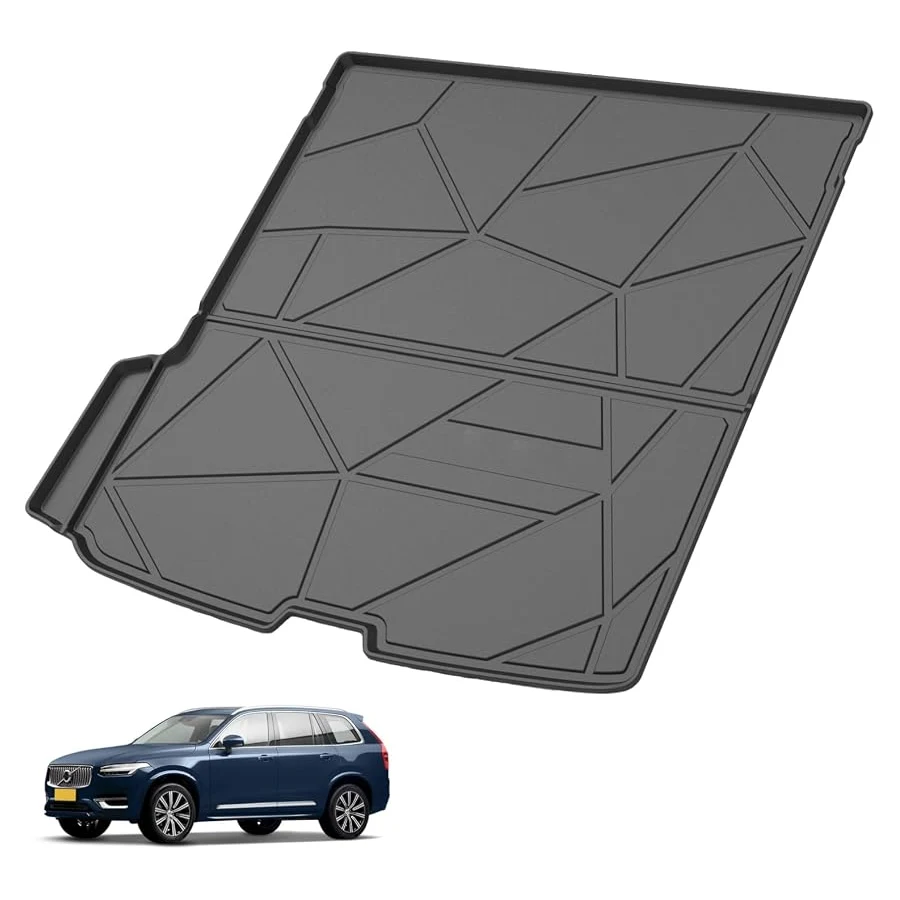
Elsetyler cargo liner for 2016-2026 Volvo XC90, custom-fit black TPE rear cargo, all-weather, waterproof, heavy-duty.
A vehicle-fit accessory to compare for compatibility, daily usefulness, and value.
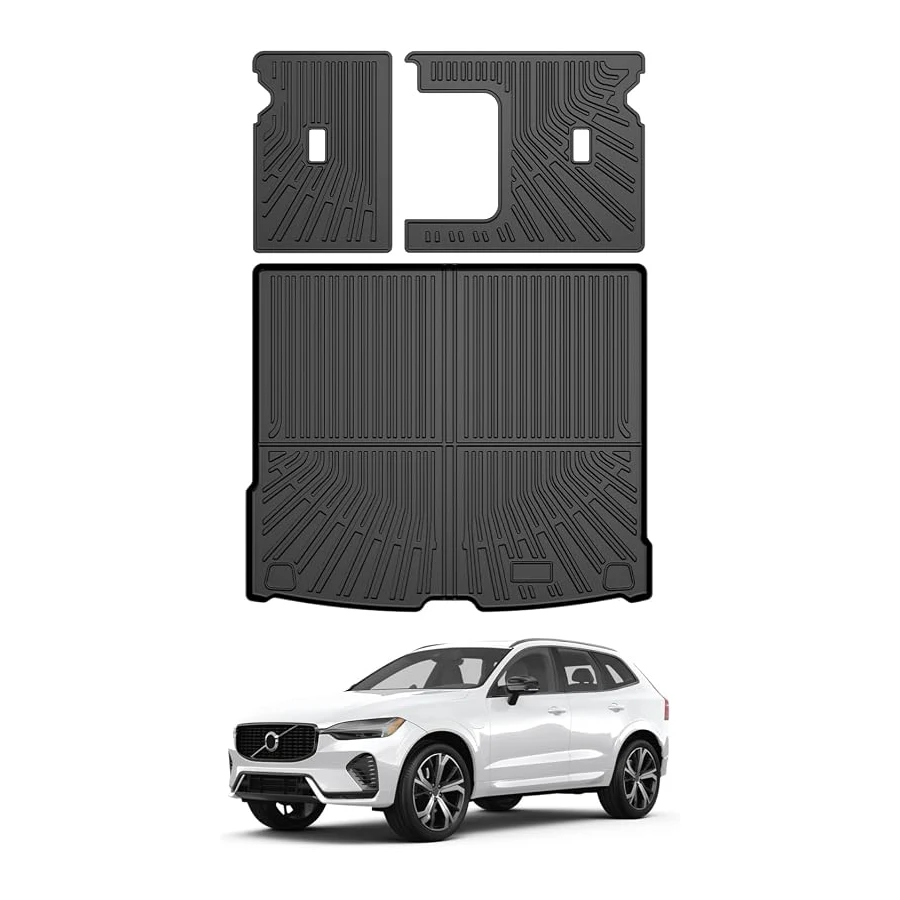 Best Value
Mixsuper cargo liner and backrest mat for 2018-2025 Volvo XC60, TPE, all-weather back seat protection.
A vehicle-fit accessory to compare for compatibility, daily usefulness, and value.
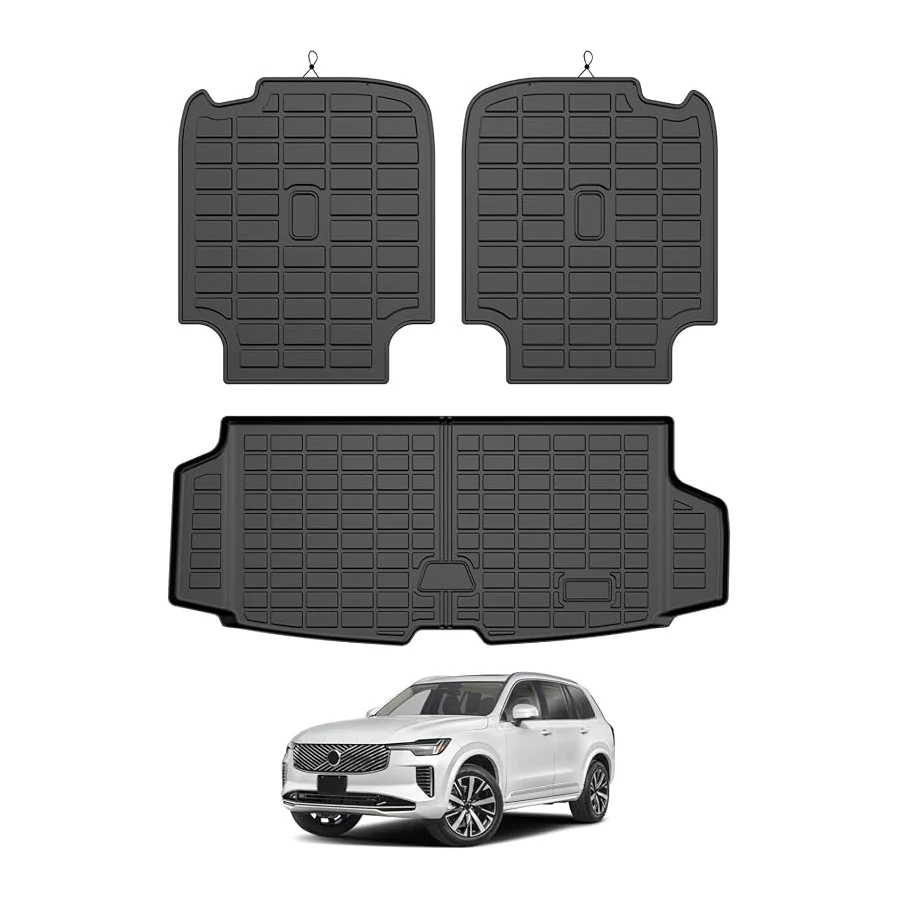 Best Premium Option
Mixsuper cargo liner and backrest mat for 2016-2026 Volvo XC90, TPE, all-weather rear seat protection.
A vehicle-fit accessory to compare for compatibility, daily usefulness, and value.
Sources and Methodology
This U.S. comparison reflects publicly available finance program descriptions and corporate disclosures current through August 2026. We matched products by asset class (passenger cars vs commercial vehicles) and limited claims to verifiable structures rather than promotional rates. Tax notes are general; buyers should consult a CPA. Program specifics can vary by state, credit tier and model year.
Author

Author

Evans Torres
I’m Evans Torres, an automotive engineer who loves Volvo cars. I graduated in Automotive Engineering from USC. I have worked in the car industry for years and now share my knowledge on The Volvo Life. I started this blog to connect with other Volvo fans. I offer tips, news, and advice to help you care for your car. My goal is to help you keep your Volvo in great shape and find all the best things about it. Join me as we discover everything Volvo has to offer!