


In volvo vs luxury cars decisions, Volvo leans toward safety-first design, serene comfort and value-rich standard equipment, while Luxury Cars emphasize broader performance choices, brand cachet and larger dealer reach. Pick based on your priority: calm, tech-forward safety or maximum performance and prestige.
Shoppers weighing Volvo vs Luxury Cars often compare XC60 or XC90 to German and Japanese SUVs, and Volvo’s EX line to premium EVs. The core trade-off is Volvo’s safety-centric, minimalist approach versus rivals’ wider spread of performance and brand personalities.
This guide focuses on the U.S. market in 2024–2026, covering SUVs and EVs most buyers cross-shop. We’ll keep the lens at the brand/category level, using official specs and independent test data where comparable.
Expect clear, model-adjusted insights: what typically comes standard, what you’ll pay to add, and how EV charging and resale may differ. When specific models matter, we’ll note them without turning this into a multi-brand shootout.
- Main difference: Volvo prioritizes safety, comfort and clean tech interfaces; Luxury Cars span a wider spectrum of sporty dynamics, prestige badges and dealer availability.
- Best for A: Volvo fits buyers who want standard active safety, calming cabins, Google-based infotainment and strong value per feature.
- Best for B: Luxury Cars suit shoppers chasing peak performance, larger dealer networks, or a specific badge experience (e.g., track-tuned SUVs or ultra-luxe trims).
- Cost/value: Comparable Volvos are often priced competitively for the equipment level; rivals may cost more once you add driver aids and AWD.
- Important caveat: Reliability, crash results and EV range vary by model and year—verify like-for-like trims and current safety protocols before deciding.
Scope of Volvo vs Luxury Cars
This article compares Volvo, as a single brand, against the broader Luxury Cars category in the U.S. That category includes German, Japanese and American premium makes.
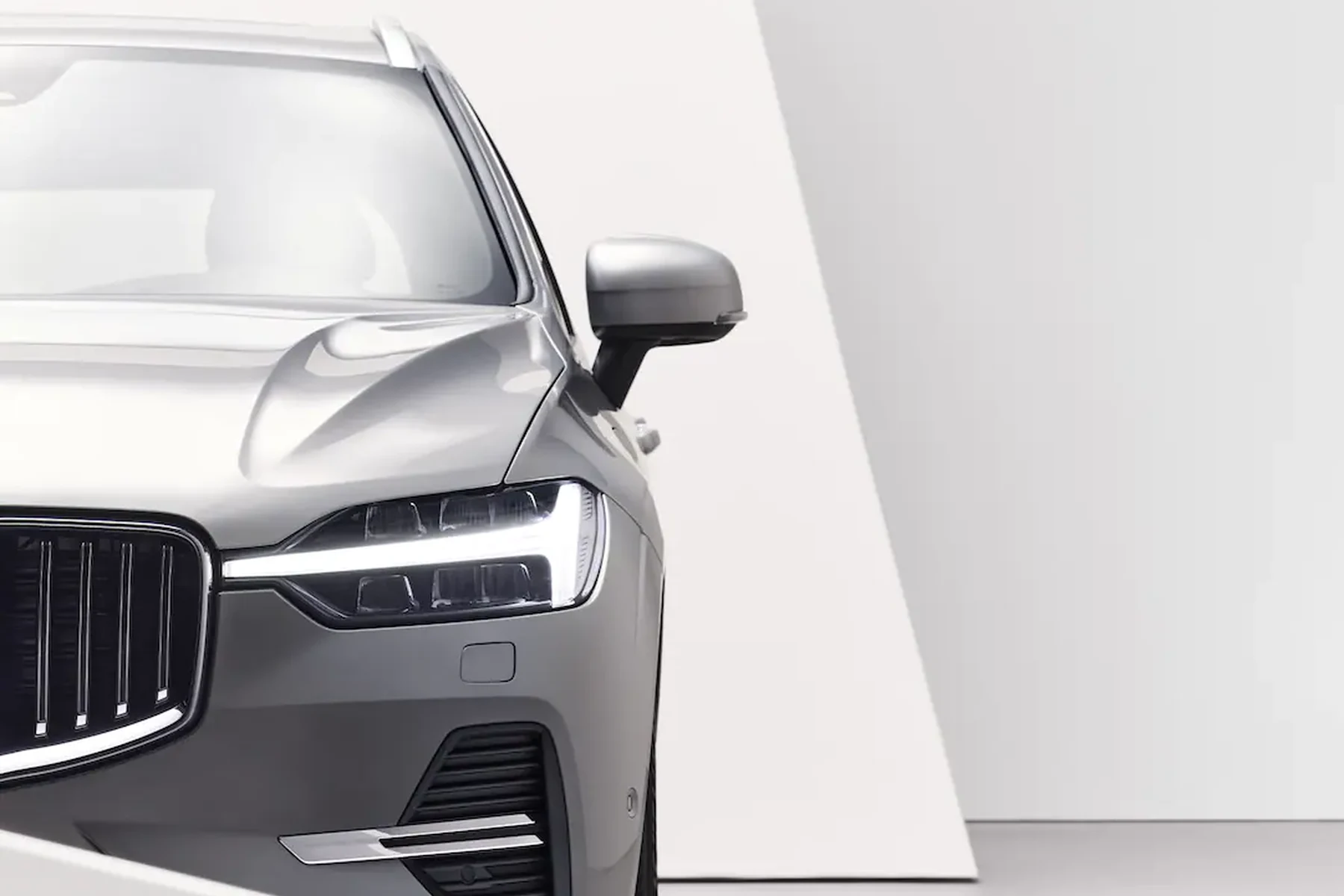
We focus on popular SUVs (XC40/EX40, XC60, XC90/EX90 class) and sedans/wagons as context, plus EVs and PHEVs. When differences hinge on specific rivals, we call them out in-line without adding columns or side cards.
Volvo and Luxury Cars at a glance
Here’s how the two sides typically stack up on mission, safety approach, powertrains and ownership basics. Use this table to orient your priorities before digging deeper.
| Category | Volvo | Luxury Cars |
|---|---|---|
| Brand focus | Safety-first, serene comfort, minimalist design, Google-based infotainment | Broader spectrum: from track-tuned performance to ultra-luxury and tech showcases |
| Standard driver aids | Extensive on most trims; many features standard | Varies widely; often optional packages on rivals |
| Safety scores | Strong showings in comparable IIHS/NHTSA protocols when equipped | Varies by brand/model; many top-tier performers, some mixed results |
| Powertrains | Mild-hybrid, PHEV Recharge, and BEV (EX line) | All types available; more high-output and performance-tuned variants |
| Driving character | Comfort-biased, composed, secure | Ranges from comfort-first to highly sporty depending on brand/model |
| Infotainment | Android Automotive OS with Google built-in on newer models | Proprietary systems (e.g., iDrive/MBUX/MMI) and brand apps |
| Warranty/maintenance | Typical 4yr/50k basic; scheduled maintenance generally included 3yr/36k | Typically 4yr/50k basic; complimentary maintenance varies by brand |
| AWD availability | Commonly standard on SUVs in U.S., model-year dependent | Often optional or trim-dependent |
| EV charging access | NACS access beginning 2025 via adapters/ports (brand-stated) | Policies vary; some native NACS, others via adapters |
| Resale outlook | Solid on core SUVs and PHEVs; new BEVs still normalizing | Strong for select badges/performance trims; EV residuals evolving |
Brand positioning, engineering priorities and model lineup
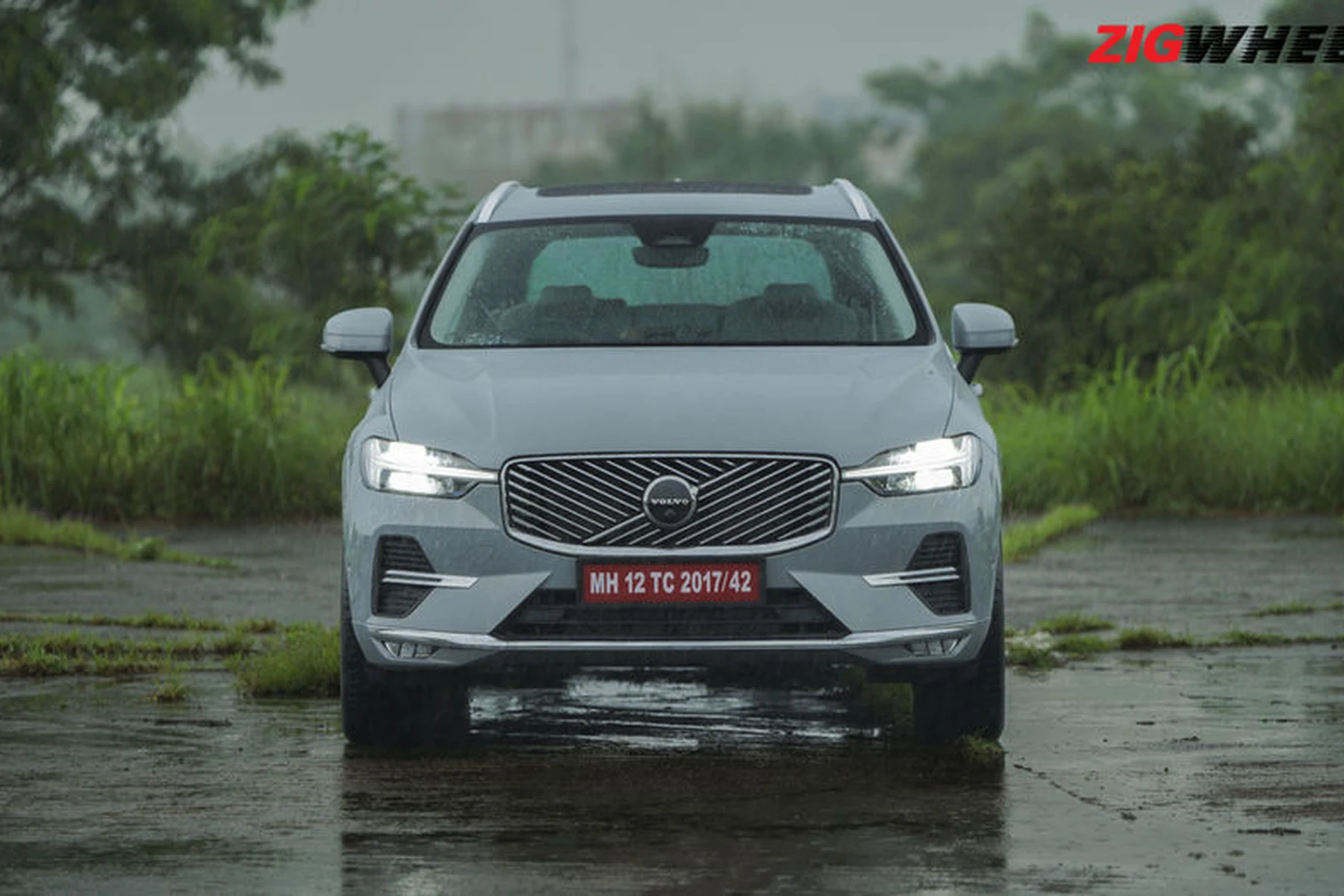
Volvo positions around human-centric safety, comfort and clean Scandinavian design. Engineering often favors composure and intuitive tech over theatrics.
Luxury Cars is a spectrum: some rivals chase Nürburgring times and flagship prestige, others emphasize quiet durability or cutting-edge UI showpieces. The variety can be an advantage if you want something highly specific.
Before judging value, align trims and packages: compare Volvo Core/Plus/Ultimate vs rivals’ tiered packages, confirm AWD standard/optional, and match wheel sizes, audio, and driver-assist bundles. Small package differences can swing pricing by thousands.
In SUVs, Volvo’s XC60 and XC90 anchor the lineup, with Recharge PHEVs and the EX40/EX90 for BEVs. Rivals cover equivalent sizes plus more niche performance or ultra-luxury variants, which may not have direct Volvo matches.
Safety philosophy and actual model-level evidence
Volvo’s philosophy is proactive crash avoidance backed by strong crashworthiness, often with more standard driver assists. In comparable years and classes, multiple Volvo models achieve top safety picks when properly equipped.
Luxury Cars includes many vehicles that also achieve top-tier ratings, but standardization varies. Some rivals require option packages for the same camera/radar suites that Volvo often includes.
Cross-check IIHS Top Safety Pick criteria and NHTSA star ratings for the same model year and body class. Verify if pedestrian AEB, lane-centering and blind-spot monitoring are standard or optional. Ensure the tests follow the updated 2023+ protocols where applicable.
If you want a deeper dive on why Volvo emphasizes occupant protection, see our overview of whether Volvo cars are still the safest. It explains how to interpret safety labels across brands without relying on stereotypes.
Performance and driving character
Volvo is tuned for secure, predictable handling and ride comfort. PHEV Recharges can feel brisk, and BEVs deliver instant torque, but pure performance theatrics are not the main mission.
Luxury Cars offers wider extremes: from track-oriented crossovers to ultra-soft cruisers. If you crave maximum steering feedback, high-revving engines or performance badges, you’ll find more choices outside Volvo.
- Drive identical tire sizes and suspensions; tire compounds can mask dynamics.
- Compare brake feel and one-pedal/regenerative tuning on EVs/PHEVs.
- Evaluate body control over rough patches at 25–40 mph.
- Assess lane-centering smoothness and driver monitoring on the same highway loop.
On the SUV front, shoppers often cross-shop XC90 against German midsize luxury SUVs; our detailed XC90 vs BMW X5 guide shows how suspension choices and tire specs alter the ride/handling balance.
Interior design, comfort, technology and infotainment
Volvo cabins lean minimalist, with excellent seats and uncluttered controls. Newer models run Android Automotive OS with Google built-in for native Maps, Assistant and app support.
Luxury Cars vary from ornate to ultra-modern. Proprietary systems like iDrive, MBUX or MMI can be richer in features, but some require steeper learning curves and option spends for premium audio or advanced HUDs.
Because Volvo’s Google-based system is native, voice navigation and app updates often arrive via OTA without phone mirroring. If you rely on Google services daily, this integration can reduce setup friction compared with some proprietary systems.
Reliability, warranty, dealer/service access and maintenance cost
Volvo and many Luxury Cars offer a typical 4-year/50,000-mile bumper-to-bumper warranty. Reliability varies by model and year; consult current independent reliability studies for the exact vehicles on your list.
Dealer density is broader in the overall Luxury Cars category, which can matter for rural owners. Volvo’s scheduled maintenance is generally covered for 3 years/36,000 miles in the U.S., while rivals range from complimentary plans to paid prepaid packages.
- Budget for premium tires every 25–45k miles depending on use.
- Insurance can be higher for performance trims; compare VIN-specific quotes.
- Confirm maintenance coverage: Volvo generally includes 3yr/36k; some rivals differ by program and model year.
Resale value, used-car considerations and electrification strategy
Core Volvo SUVs and well-equipped PHEVs tend to hold value competitively. Like the broader market, newer luxury EV residuals are still normalizing as tech and charging ecosystems evolve.
Strategically, Volvo has publicly committed to a fully electric lineup by 2030. Many Luxury Cars brands also push aggressive EV plans, but timelines and charger access differ, especially during the NACS transition.
Volvo has announced access to the North American Charging Standard (NACS) beginning in 2025 via adapters/ports. For practical charging options today and near-term, see how Volvo cars use Tesla chargers in the U.S.
Where Volvo is stronger
Volvo shines when you value standard active-safety coverage, calming ride/seat comfort and a clean interface that minimizes distraction. The feature-for-dollar equation is often favorable once you align trims and packages.
For PHEV buyers, Volvo’s Recharge models can deliver quiet electric commuting with straightforward controls. If you prefer Google-native infotainment, Volvo’s implementation is a daily-life advantage.
Volvo Pros and Cons
- Safety features often standard, not extra-cost
- Comfort-first tuning and excellent seats
- Google built-in infotainment on newer models
- Competitive value at equivalent equipment levels
- Clear EV roadmap and charging access commitments
- Fewer extreme-performance variants
- Smaller dealer network vs major luxury badges
- Some options/packages are trim-gated
- EV resale trends still maturing industrywide
Where Luxury Cars is stronger
Luxury Cars collectively offer more performance-tuned variants, broader personalization and larger dealer/service footprints. If a specific badge experience or maximum power is your goal, you’ll likely find it here.
Ultra-luxury interiors, track packages and niche body styles are more prevalent. Just confirm how much of the safety and tech you want is standard versus a-la-carte.
Luxury Cars Pros and Cons
- Widest range of performance and prestige options
- Broader dealer/service coverage
- More bespoke configurations and materials
- Multiple high-resale halo trims
- Key safety/tech often locked behind packages
- Higher prices when comparably equipped
- Infotainment learning curves vary widely
- Ride quality can be harsh on sporty setups
Best choice by buyer type
How to choose between Volvo and Luxury Cars
Make a like-for-like decision using real data, not brochure impressions. These five steps will keep you honest about equipment, costs and everyday livability.
- Spec-match trims and options. Line up AWD, active safety, wheels/tires, audio and seats; then compare the actual prices.
- Validate safety. Check IIHS/NHTSA ratings for the same year and confirm if crucial assists are standard or optional.
- Drive on your roads. Test potholes, highway expansion joints and a familiar commute route to judge noise and ride.
- Model the costs. Price insurance by VIN, verify maintenance coverage, tire replacement cadence and real-world fuel/electric costs.
- Plan charging or PHEV use. For EVs, confirm NACS/CCS access and highway charging curves; for PHEVs, map daily electric miles.
For a crash-testing perspective across brands, our readers also explore how Volvo crash tests compare with other cars. It can help you interpret ratings by class and year.
💡 Evans Torres Tip: Don’t assume a safety feature is standard because it appears in photos. Ask the dealer for the exact window sticker or build sheet, match option codes to the brochure, and verify activation during a test drive. For EVs, request a live demo of DC fast charging status screens and lane-centering behavior.
Frequently Asked Questions
These questions address the most common decision points for Volvo vs Luxury Cars shoppers in the U.S. Each answer assumes like-for-like model years and equipment. When a point depends on a specific trim or brand policy, verify the current brochure and dealer build sheet, as features and warranties change over time.
Is Volvo generally safer than other Luxury Cars?
Volvo designs around safety and often includes more driver assists as standard. Many Luxury Cars also earn top ratings, but equipment can be optional. Compare IIHS and NHTSA results for the same year/class and confirm whether features like AEB, blind-spot and lane-centering are standard on the vehicles you’re considering.
Do Volvos cost less than Luxury Cars when similarly equipped?
Often, yes. Volvo typically bundles safety and comfort features that may be optional on rivals, which can narrow or reverse price gaps. Always align trims, packages, wheels and AWD before comparing out-the-door pricing, and request VIN-specific quotes to capture incentives and destination fees.
How does Volvo’s performance compare to sporty Luxury Cars?
Volvo targets poised, confident dynamics rather than track-tuned aggression. Recharge PHEVs and BEVs can be quick, but dedicated performance trims from some Luxury Cars deliver sharper handling and higher-output powertrains. If maximum cornering grip and lap-time focus are priorities, you’ll likely find more choices among rivals.
Which has better infotainment: Volvo’s Google built-in or rival systems?
Volvo’s Android Automotive OS integrates Google Maps, Assistant and apps natively, which many users find intuitive. Rival systems vary: some are richer in customization or augmented-reality features, while others have steeper learning curves. Try voice commands, nav reroutes and wireless phone mirroring in both on the same route.
What about reliability and maintenance between Volvo and Luxury Cars?
Reliability varies by model and year. Review current independent data for the exact vehicles. Volvo generally includes 3 years/36,000 miles of scheduled maintenance in the U.S., while rivals range from complimentary maintenance programs to prepaid plans. Factor in tire wear, insurance and parts pricing by VIN.
How does EV charging differ for Volvo versus other Luxury Cars?
Volvo has announced access to the North American Charging Standard (NACS) beginning in 2025 via adapters/ports, expanding station options. Other Luxury Cars may adopt NACS natively or via adapters at different timelines. Check your specific EV’s connector, adapter support, peak DC rate and real charging curves before committing.
Do Volvos hold resale value as well as Luxury Cars?
Core Volvo SUVs and well-equipped PHEVs typically retain value competitively. Resale varies widely among Luxury Cars—halo performance and in-demand trims often lead. EV residuals are evolving across the industry, so verify third-party forecasts and tax-credit impacts for the exact model year and configuration.
Which is quieter and more comfortable on daily commutes?
Volvo usually emphasizes cabin calmness and seat ergonomics, a strong match for commuting. Some Luxury Cars match or exceed this, while others trade comfort for sportier suspensions and low-profile tires. Test both on coarse asphalt at 60–75 mph and over city imperfections to judge noise and ride quality.
Final Verdict
If your priorities are standard safety tech, refined ride quality, excellent seats and a clean, Google-native interface, Volvo is the simpler, value-forward answer. You’ll likely get the protection and calm you want without option hunting.
If you’re chasing a specific badge, maximum performance, or a rare configuration, the broader Luxury Cars field opens more doors. Just budget for packages to match Volvo’s driver-assist and comfort features, and verify dealer access where you live.
EV shoppers should confirm real charging access, battery warranties and highway fast-charge behavior. With trims aligned and safety verified, Volvo wins on serene daily usability; Luxury Cars win on specialization and breadth.
My Top Picks at a Glance
These three Volvo accessories are practical options to compare after choosing the right Volvo configuration.
 Best Overall
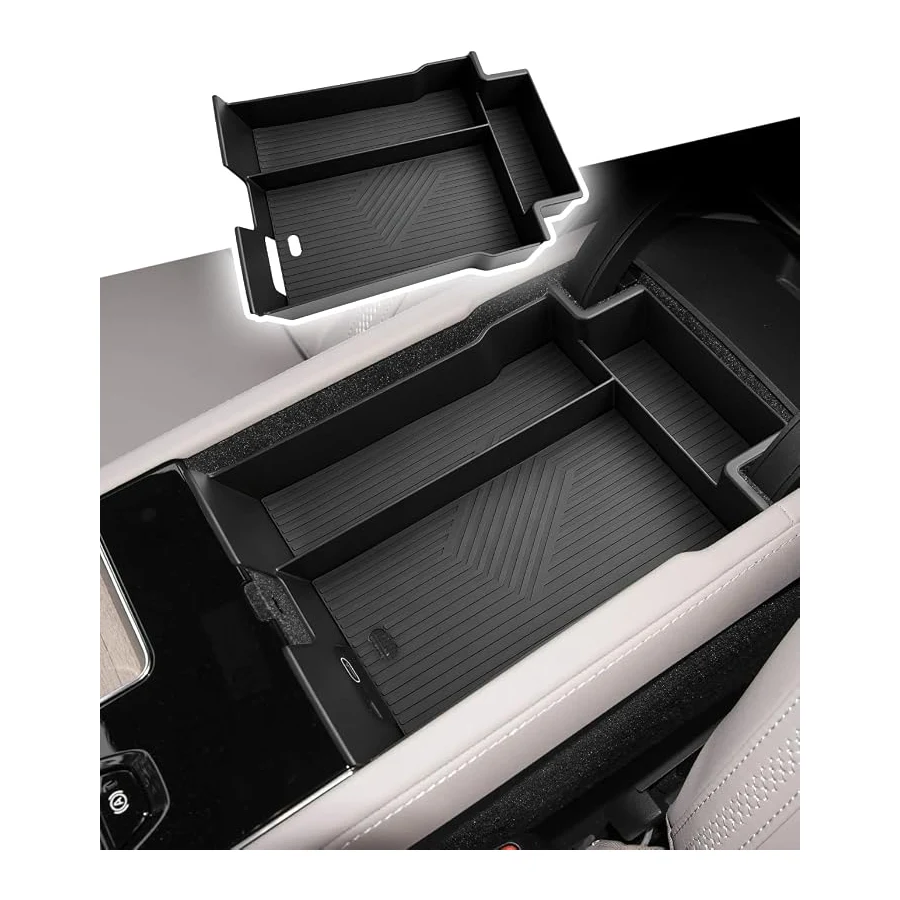
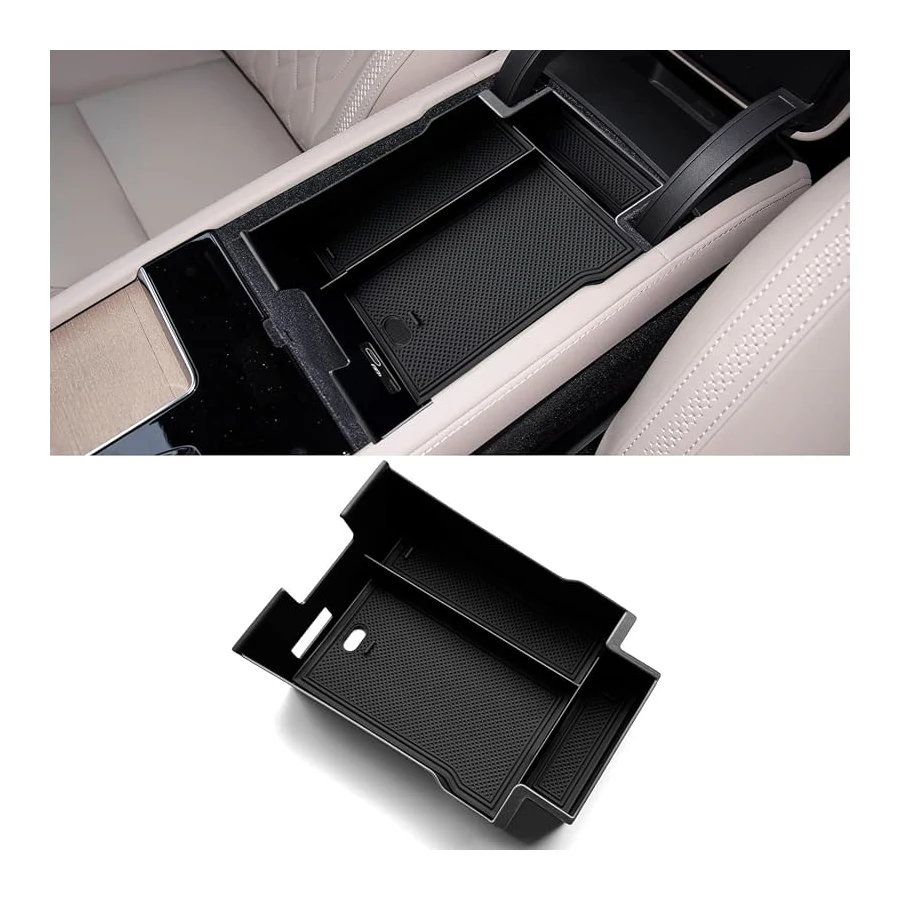
2026+ Volvo XC90 center console organizer tray, drop-in armrest storage fits Core/Plus/Ultra, 5/6/7-seat layouts.
A vehicle-fit accessory to compare for compatibility, daily usefulness, and value.
 Best Value
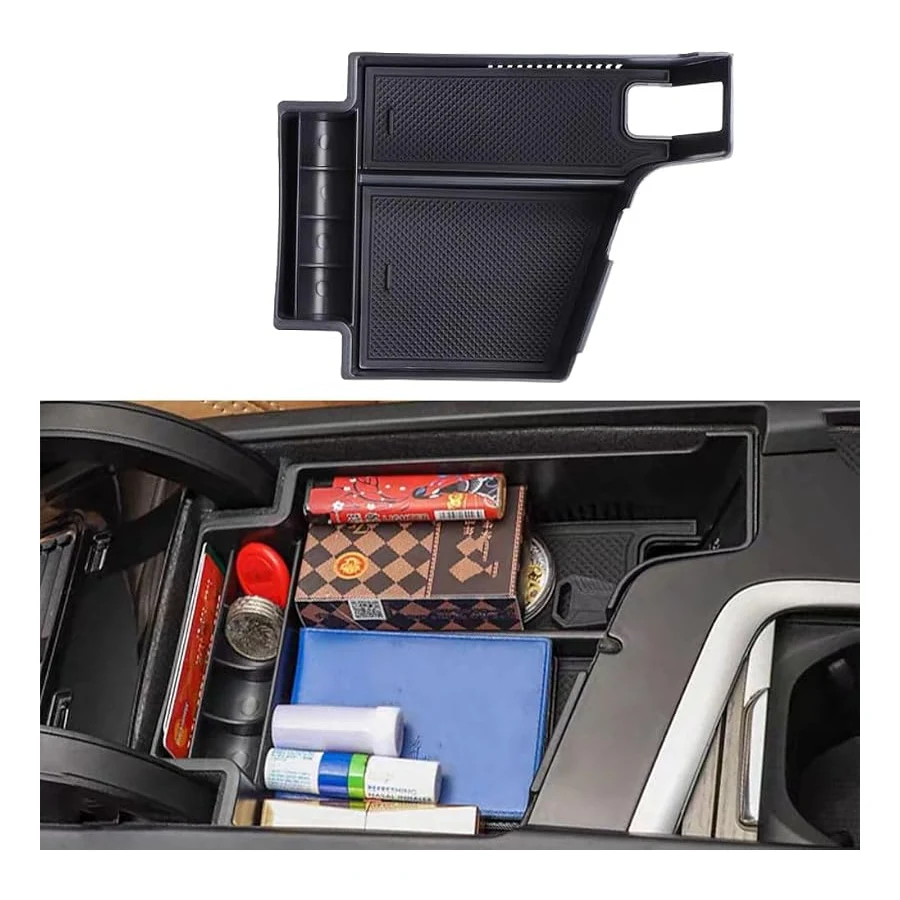
2026 Volvo XC90 center console organizer tray, ABS armrest box insert, easy-clean, custom-fit accessory.
A vehicle-fit accessory to compare for compatibility, daily usefulness, and value.
 Best Premium Option
Volvo center console organizer tray fits 2018-2026 XC60, 2015-2026 XC90, S90 S60 V60 V90.
A vehicle-fit accessory to compare for compatibility, daily usefulness, and value.
Sources and Methodology
This U.S.-market analysis focuses on 2024–2026 new vehicles with 2020–2023 used context. We matched trims by drivetrain, wheel size and key safety/tech. Safety references rely on IIHS and NHTSA for comparable years/classes. Warranty/maintenance and charging access reflect manufacturer publications. We avoided unverified specs and do not generalize all models; verify VIN-specific equipment. Data verified August 2026.
Author

Author

Evans Torres
I’m Evans Torres, an automotive engineer who loves Volvo cars. I graduated in Automotive Engineering from USC. I have worked in the car industry for years and now share my knowledge on The Volvo Life. I started this blog to connect with other Volvo fans. I offer tips, news, and advice to help you care for your car. My goal is to help you keep your Volvo in great shape and find all the best things about it. Join me as we discover everything Volvo has to offer!