


In volvo estate car vs bmw m3, the Volvo estate prioritizes cargo space, comfort and efficiency at a lower running cost, while the BMW M3 delivers far quicker acceleration, sharper handling and track capability; your choice hinges on needing wagon utility versus wanting uncompromised speed.
Volvo’s “estate” (wagon) lineup in the U.S. has centered on the V60 family, including the all-road V60 Cross Country and the plug-in hybrid V60 Recharge. The BMW M3 is a compact, high-performance sports sedan built for speed and engagement.
They aren’t natural rivals, yet shoppers cross-shop them when one car must do it all: haul family gear during the week and feel special on a backroad. This guide focuses on U.S.-market models and verified specs so you can make a clear, numbers-backed decision.
If you want a broader brand-level overview before diving into specific models, see our comparison of Volvo vs. BMW strengths, then return here for this model-level decision.
- Main difference: Volvo estate = space, comfort, efficiency and calmer ride; BMW M3 = explosive performance, sharper chassis, higher running costs.
- Best for A: Volvo estate car buyers who need real cargo flexibility, better fuel economy and family-friendly ergonomics.
- Best for B: BMW M3 shoppers who prioritize acceleration, steering feel and track-day capability.
- Cost/value: A well-equipped Volvo estate undercuts an optioned M3 on price and ownership costs; M3 typically holds stronger resale.
- Important caveat: U.S. availability varies: Volvo wagons have fluctuated by year, and the M3 Touring wagon has not been offered in the U.S. as of recent model years.
Are Volvo Estate Car and BMW M3 direct competitors?
No. A Volvo estate car is a premium wagon focused on practicality and comfort, while the BMW M3 is a track-capable performance sedan. They sit in different niches with different missions and buyer priorities.
Shoppers still compare them because a quick, upscale family car is appealing, and the V60 Recharge PHEV can be very fast while keeping wagon utility. The choice is less “brand” and more “use case.”
Verify exact U.S.-market availability for your year. Volvo wagon availability has shifted by model year, and the BMW M3 Touring wagon has not been sold in the U.S. recently. Confirm build, drivetrain and options on the manufacturer’s site before pricing.
Volvo Estate Car vs BMW M3 at a glance
This snapshot highlights the decision-critical differences: body style, performance, space, economy and price. Specs reflect typical U.S.-market configurations for recent model years.
| Specification | Volvo Estate Car (V60 family) | BMW M3 (G80 sedan) |
|---|---|---|
| Body style / seats | Wagon (5-passenger) | Sedan (5-passenger) |
| Powertrain examples | V60 Cross Country B5 2.0T MHEV AWD; V60 Recharge T8 PHEV eAWD | 3.0L twin‑turbo I6 (S58): 473 hp (manual), 503 hp Comp; xDrive optional |
| Output (hp / lb‑ft) | B5 ~247 hp / ~258 lb‑ft; Recharge ~455 hp / ~523 lb‑ft (system) | 473 hp / 406 lb‑ft; Comp 503 hp / 479 lb‑ft |
| 0–60 mph (manufacturer/typical tests) | B5 ~6.4–6.6 sec; Recharge ~4.3 sec | Base ~4.1 sec (MT); Comp xDrive ~3.4 sec (tests) |
| EPA efficiency | B5 ~26 mpg combined; Recharge ~74 MPGe, ~40+ mi EV range (EPA) | ~19–20 mpg combined (RWD/AWD variants) |
| Cargo volume | ~23 cu ft (rear up); ~50+ cu ft (folded) | ~13 cu ft trunk |
| Drivetrain | AWD standard on CC/Recharge | RWD standard; AWD (xDrive) on Competition |
| Starting MSRP (recent MYs) | V60 CC ~low‑to‑mid $50Ks; V60 Recharge ~low‑to‑mid $70Ks | ~$76K base M3; ~$80K+ Competition; options add quickly |
| Safety tech | Volvo Pilot Assist, comprehensive ADAS availability | BMW Driving Assistance/Pro packages available |
| Warranty | 4 yr/50K mi limited; PHEV battery typically 8 yr/100K mi | 4 yr/50K mi limited |
The V60 Recharge plug‑in hybrid’s ~4.3‑second 0–60 mph is within striking distance of a base M3, yet it can drive ~40+ miles on electricity alone (EPA). That dual personality is unique among practical wagons in this price band.
Main differences between Volvo Estate Car and BMW M3
The BMW M3 is meaningfully quicker, louder and sharper to drive, with greater track endurance and braking capacity. It also carries higher insurance, tire and brake costs, and delivers lower fuel economy.
The Volvo estate emphasizes cargo flexibility, calmer ride tuning and easier daily usability. The plug-in Recharge trim adds serious straight-line speed without giving up wagon practicality.
Similarities and common ground
Both are premium, five-seat cars with robust active-safety suites, high-quality cabins and available all-wheel drive. Each offers configurable drive modes, adaptive dampers in certain trims and excellent infotainment with smartphone integration.
Drive them the same day on the same loop. In the Volvo, load a stroller or golf bag and fold a rear seat. In the M3, sample Comfort vs Sport Plus and an emergency stop from 60 mph. Note road noise, visibility and parking ease in each.
Price, comparable trims and feature-adjusted value
In recent model years, a Volvo V60 Cross Country typically starts in the low-to-mid $50,000s, while the V60 Recharge plug-in hybrid lands in the low-to-mid $70,000s with strong standard equipment. AWD is standard on both Volvo estate variants.
The BMW M3 starts around the mid-$70,000s, with the Competition and xDrive variants pushing into the $80,000s before options. Carbon buckets, carbon-ceramic brakes and packages can raise the price substantially.
Feature-adjusted, a V60 Cross Country undercuts a base M3 by a healthy margin and brings far more utility. A V60 Recharge often prices near a base M3 but adds electric commuting capability. The M3, in turn, delivers unmatched performance per dollar in this pair and tends to hold value better.
Budget for consumables. M3 tires and brakes are performance-grade and wear faster; track days accelerate costs. Volvo wagons use less expensive rubber and sip less fuel or electricity. Get insurance quotes for your ZIP and driving record before deciding.
Size, seating, cargo and everyday practicality
Volvo’s wagon body is the reason many buyers choose it. With roughly 23 cubic feet behind the rear seats and over 50 cubic feet when folded, the estate easily carries strollers, dogs and flat-pack furniture.
The BMW M3 sedan’s trunk is around 13 cubic feet, which is fine for luggage but not comparable to a wagon’s load bay. Rear legroom is broadly similar between the two, but the Volvo’s squared opening and lower floor height make loading simpler.
Bring your bulkiest item to the showroom. In the Volvo, test the split-fold and cargo cover. Check for integrated rails and tie-downs. In the M3, confirm ski pass-through fit and trunk height for a stroller frame or golf bag.
Interior comfort, visibility and cabin usability
Volvo estates lean into supportive seats, large glass areas and intuitive controls, prioritizing low-stress commuting. Ride tuning favors composure over ultimate cornering grip, especially on the Cross Country’s taller-sidewall tires.
The M3’s seats, especially optional carbon buckets, are built for lateral support, not easy child-seat buckling. Visibility is decent for a sports sedan, but lower ride height and firmer tuning make potholes and steep driveways more noticeable.
Infotainment, controls and technology
Recent Volvo wagons use Google built-in for native Maps, Assistant and app support, plus wireless Apple CarPlay. Physical controls remain for high-use functions, and the UX is straightforward.
The BMW M3 runs iDrive 8/8.5 on a curved display with rapid processing and deep customization, plus wireless Apple CarPlay and Android Auto. It offers more performance telemetry and configurable drive modes than the Volvo.
Safety and driver assistance: Volvo Estate Car vs BMW M3
Both lineups test well with U.S. agencies in recent years. The Volvo V60 family has earned top-tier ratings from IIHS in many model years, and the BMW 3 Series platform that underpins the M3 has also scored highly.
Availability and standard fitment of advanced driver aids differ by trim and package. Verify automatic emergency braking, blind-spot monitoring and lane-centering on your specific build sheet.
For brand-level context on safety philosophies, see our explainer on which brand tends to be safer, then confirm equipment on the exact cars you’re pricing.
Compare like with like. Use the same agency (IIHS or NHTSA), same model year and verify whether each feature is standard or part of a paid package. Some M3 driver aids require option bundles; many Volvo aids are widely available.
Performance, ride, handling and drivetrain
The BMW M3 is the driver’s car here. Its S58 twin-turbo six revs hard, the chassis resists fade on track and the brakes and cooling are engineered for repeated hot laps. Steering feel and body control are substantially sharper than the Volvo’s.
The V60 Cross Country is tuned for comfort and confidence, not lap times. The V60 Recharge adds serious thrust, using e-boost for instant response, but it can’t match the M3’s sustained track durability or road-course braking stamina.
Fuel economy and (for PHEV) EV range
Expect a Volvo V60 Cross Country to average around the mid‑20s mpg combined per EPA estimates. The V60 Recharge PHEV can cover roughly 40+ miles on electricity and posts around mid‑70s MPGe combined when charged regularly.
The BMW M3 typically returns about 19–20 mpg combined depending on configuration and driving. Highway economy can stretch higher with gentle cruising, but city and spirited driving bring the average down.
Reliability, known issues and evidence level
Neither brand is a guaranteed reliability winner year-to-year. Large datasets place both Volvo and BMW near the luxury-segment average, with variability by model and powertrain. The M3’s performance consumables and track use can accentuate wear.
The V60 Recharge adds PHEV complexity; battery and charging systems have long warranties, but proper charging habits and software updates matter. Always review recall/TSB history and pre-purchase inspection results for the exact VIN.
Maintenance, insurance, depreciation and total ownership cost
Both Volvo and BMW typically include 4 yr/50K mi limited warranties and about 3 yr/36K mi of complimentary scheduled maintenance on recent model years. Beyond that, maintenance costs diverge with use case and tire/brake choices.
Insurance quotes for the M3 are commonly higher given its performance profile. Depreciation trends favor the M3 versus most wagons, although low-volume, well-kept Volvo estates can hold value respectably. Incentives for PHEVs vary by state and model eligibility—verify current programs.
If you’re factoring upkeep heavily, our guide to Volvo maintenance costs in the U.S. outlines typical intervals and what drives expenses.
- Performance tires: M3 replacements can cost 2× a Volvo set and wear faster.
- Track days: plan for pads/rotors and fluid flushes.
- Charging: PHEV owners save most when charging at home on off-peak rates.
Resale strength and daily livability
The BMW M3’s enthusiast demand and limited variants typically support stronger residuals. Option choices matter; manuals and well-specified Competition xDrive cars often lead.
Daily livability favors the Volvo estate: easier cargo use, calmer cabin, less attention from onlookers and fewer compromises on winter tires and rough roads.
Carbon-ceramic brakes on an M3 can boost track appeal but narrow the buyer pool on resale due to higher replacement costs. On a Volvo wagon, winter package and driver aids tend to broaden appeal.
Volvo Estate Car Pros and Cons
- Wagon cargo space and versatile folding seats
- Comfortable ride and excellent seat ergonomics
- V60 Recharge offers strong acceleration plus EV commuting
- Better fuel efficiency and typically lower insurance
- Robust active-safety availability
- Not a track car; softer handling limits
- PHEV complexity and charging learning curve
- U.S. availability varies by model year
- Resale typically trails M3 performance trims
BMW M3 Pros and Cons
- Class-leading acceleration and handling
- Manual or blistering auto; AWD available
- Strong braking and track durability
- Typically stronger resale and enthusiast demand
- Deep performance customization and telemetry
- Small trunk versus a wagon; less cargo flexibility
- Lower fuel economy and higher consumable costs
- Harsher ride with performance setups
- Driver aids and key features may require pricey packages
Which vehicle is better for different buyers?
Alternatives worth considering
If you love the M3 idea but want more cargo, look at the Audi RS 6 Avant (pricey but practical) or Mercedes E‑Class All‑Terrain for refined wagon utility. For a milder performance sedan, BMW M340i offers pace with friendlier ride and cost.
EV-curious drivers could sample Tesla Model 3 Performance or BMW i5 M60 for speed with lower local emissions, accepting charging trade-offs. Volvo XC60 Recharge provides SUV cargo in a similar footprint if wagon availability is limited.
How to Decide Between Volvo Estate Car and BMW M3
- Define the mission: List your top five real-world uses (e.g., stroller + luggage, ski trips, track days) and weight them.
- Measure your gear: Bring the biggest item to dealerships and test-fit in both cars, including folded seats.
- Drive both on the same route: Include rough pavement, highway merge and a tight parking maneuver.
- Price the whole build: Match driver aids, audio, wheels/tires and maintenance plans, then compare out-the-door and insurance quotes.
- Project 5-year costs: Fuel/charging, tires/brakes, depreciation and any track use—choose the car that wins your weighted mission at a cost you accept.
Before we wrap, here’s one focused tip that can save you time and money during research.
💡 Evans Torres Tip: Build each car twice—once exactly as you want, and once stripped to only must-have safety and seating features. If the M3’s performance extras blow past budget, that second build reveals whether its base dynamics still satisfy, or whether a V60 Recharge gives you 90% of the speed with 200% of the utility.
Frequently Asked Questions
This FAQ tackles the recurring questions U.S. shoppers ask when weighing a practical Volvo wagon against a high-performance BMW M3. Answers assume recent model years and highlight where equipment or availability can change by trim and year—always verify the specific VIN you’re considering.
Is a Volvo estate car faster than a BMW M3?
In raw terms, no—the M3 accelerates and handles better, especially in Competition xDrive form. However, the V60 Recharge PHEV is surprisingly quick (roughly 4.3 seconds 0–60 mph), which narrows the gap for daily driving while preserving wagon utility and EV commuting capability.
Which is safer: Volvo estate car or BMW M3?
Both lineups have earned strong crash-test results in recent years. Safety depends on specific equipment and model year. Ensure each vehicle has automatic emergency braking, blind-spot monitoring and, if desired, lane-centering, then compare IIHS or NHTSA results for the exact year and trim.
Can a Volvo estate replace an SUV for family duty?
Often, yes. A V60’s low load floor and square opening carry strollers, pets and luggage easily. It can’t match a large SUV’s towing or third row, but it’s easier to park, more efficient, and with AWD, it handles winter duty competently for many families.
Is the BMW M3 comfortable enough for daily commuting?
It can be, especially in Comfort mode and on non-track tire choices. That said, ride firmness, road noise and seat bolstering are sport-focused. If your roads are rough or you frequently carry kids in car seats, test-drive carefully and compare against the Volvo’s calmer ride.
Does the M3 accommodate child seats well?
Yes, there are LATCH anchors and room for most forward-facing seats, but large rear-facing seats may be tight. Optional carbon bucket fronts complicate buckling. The Volvo wagon’s rear access and seat contouring usually make child-seat loading simpler.
How do maintenance plans compare between the two?
Recent U.S. models typically include around 3 years/36,000 miles of complimentary scheduled maintenance and 4 years/50,000 miles of warranty coverage. After that, the M3’s performance tires and brakes usually cost more, while the Volvo PHEV introduces charging-related upkeep considerations.
Is the BMW M3 Touring wagon available in the U.S.?
As of recent model years, BMW has not offered the M3 Touring in the U.S. Market offerings change, so check BMW’s official site or a dealer. If you want a fast wagon stateside, options have been limited and often pricier, like the Audi RS 6 Avant.
Final Verdict
Pick the Volvo estate car if life logistics rule: you need real cargo space, a calmer cabin and better efficiency, and you want premium quality without runaway running costs. The V60 Recharge is the stealth performance play, adding near‑M3 punch with EV commuting.
Choose the BMW M3 if driving thrills top your list. Its acceleration, steering and track durability are in another league, and resale typically rewards that focus. Just be honest about cargo needs and ownership costs—if the mission is 70% family and 30% fun, the Volvo wagon’s balance is hard to beat.
My Top Picks at a Glance
These three Volvo accessories are practical options to compare after choosing the right Volvo configuration.
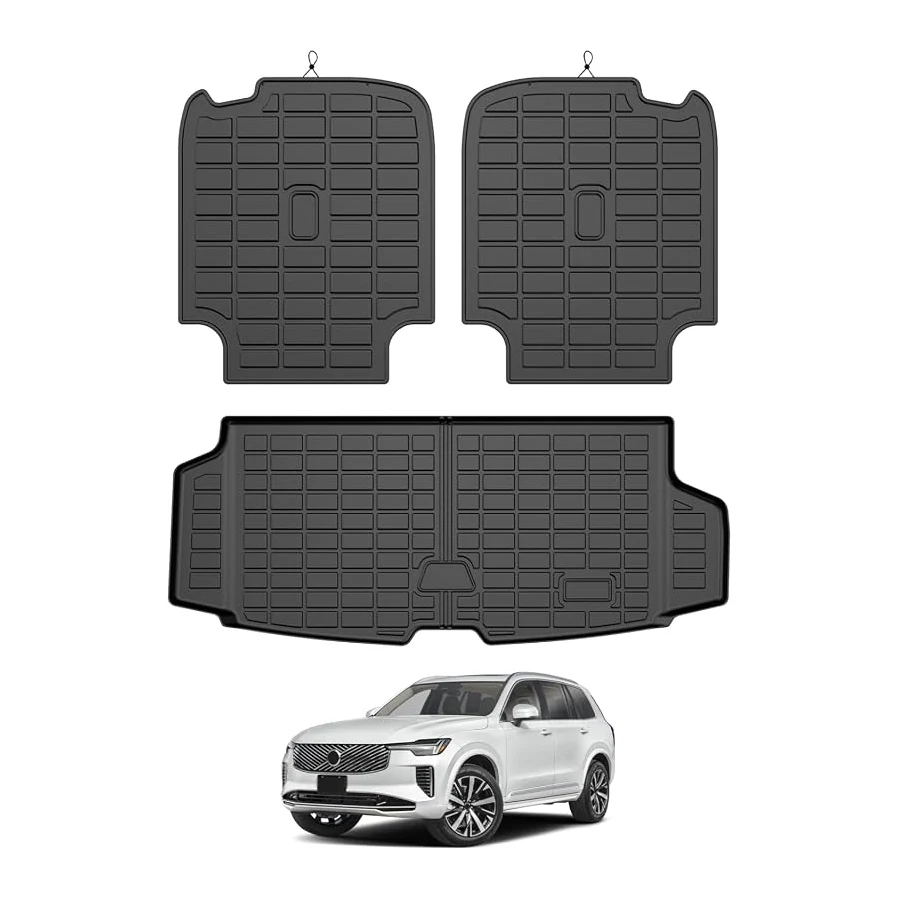 Best Overall
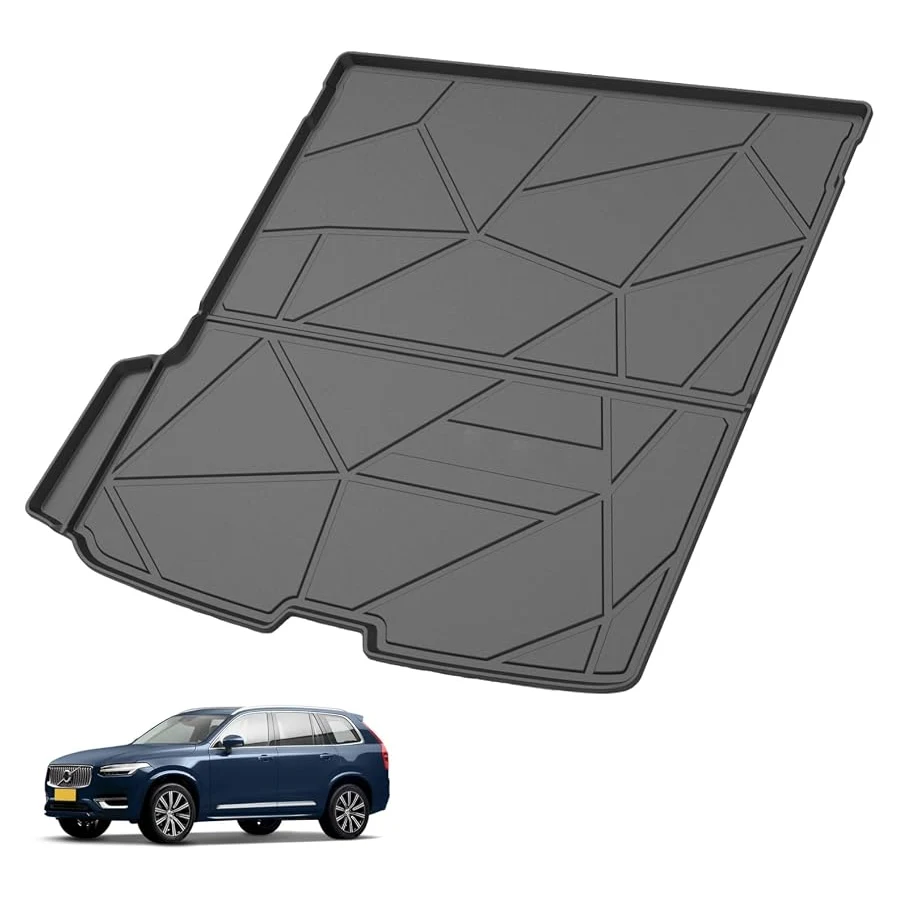
Mixsuper Volvo XC90 cargo liner with backrest mat, 2016-2026, all-weather TPE, waterproof, easy-clean
A vehicle-fit accessory to compare for compatibility, daily usefulness, and value.
 Best Value
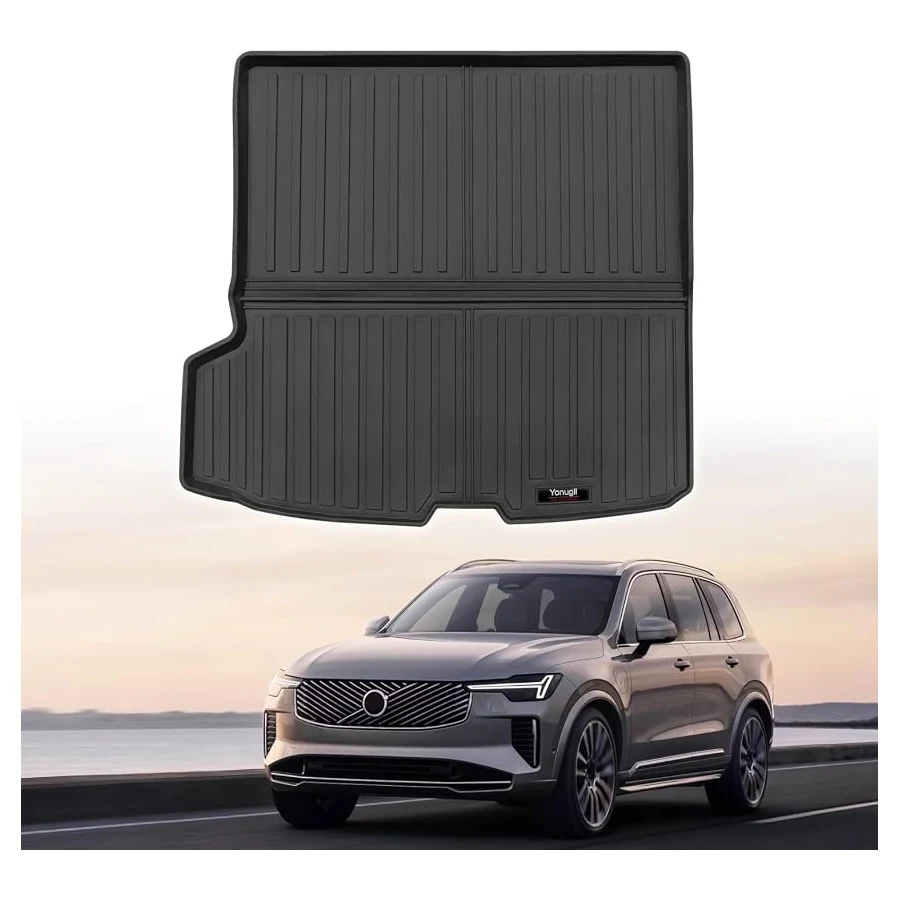
Elsetyler Volvo XC90 cargo liner, 2016-2026, black TPE, heavy-duty, waterproof, custom-fit rear trunk mat
A vehicle-fit accessory to compare for compatibility, daily usefulness, and value.
 Best Premium Option
Custom Volvo XC90 cargo liner behind 2nd row, 2016-2026, all-weather TPE, waterproof, easy-clean
A vehicle-fit accessory to compare for compatibility, daily usefulness, and value.
Sources and Methodology
This U.S.-market comparison references recent model years (2023–2025 where available). We aligned Volvo estate data with V60 Cross Country and V60 Recharge specifications and BMW M3 data with the G80 sedan lineup. Performance figures cite manufacturer claims and widely reported instrumented tests. Fuel economy uses EPA ratings. Safety references IIHS/NHTSA for comparable years. Availability and trims can change; verify final build sheets, options and agency ratings for the exact VIN. Data verified August 2026 context using sources current to our research window.
Author

Author

Evans Torres
I’m Evans Torres, an automotive engineer who loves Volvo cars. I graduated in Automotive Engineering from USC. I have worked in the car industry for years and now share my knowledge on The Volvo Life. I started this blog to connect with other Volvo fans. I offer tips, news, and advice to help you care for your car. My goal is to help you keep your Volvo in great shape and find all the best things about it. Join me as we discover everything Volvo has to offer!