


Old Volvo vs new car crash outcomes rarely favor the classic Volvo in head-to-head tests. Modern vehicles — including recent Volvos — use stronger structures, advanced airbags, and crash-avoidance tech that typically outperform 1980s–2000s cars, especially in small-overlap and side impacts. Weight helps some older models in two-car collisions, but missing modern protections raises injury risk. Check IIHS/NHTSA ratings for your exact model year; for family highway use, stepping into a newer, top-rated car is often the safer move.
A boxy 240 or 850 feels like a tank, yet today’s crash tests tell a different story. Energy-absorbing structures, high-strength steels, and smart restraints have transformed survivability, while city-speed automatic emergency braking reduces some impacts entirely. Owners weighing “keep the classic” versus “buy newer” want clear, data-backed direction: how do older Volvos compare to modern cars in real crashes, which tests matter most, and what upgrades (if any) change the math? This guide cuts through nostalgia with test results, physics, and practical steps so you can choose safety with confidence. For another practical angle, see how to get a new Volvo car key.
- Main point: Newer cars, including modern Volvos, generally beat 1990s–2000s models in crash tests, notably small-overlap and side-pole impacts.
- Best first step: Look up your exact car’s IIHS and NHTSA ratings, then inspect tires, belts, airbags, and head restraints.
- Cost or value: Updating an old Volvo’s safety basics helps, but advanced crash protection and ADAS can’t be retrofitted cost-effectively.
- Who it suits: City and highway family drivers benefit most from newer, Top Safety Pick+/5-star cars with AEB.
- When to get help: Any SRS warning, structural rust, or seatbelt damage warrants professional inspection before regular use.
You love 240/740/850-era cars and want to understand where they stand against modern safety and what you can realistically improve.
You’re deciding between keeping an older Volvo and moving to a newer car for better crash protection and driver-assist tech. For related context, you may also want to read Volvo car vs XC40.
You rack up highway miles and need a clear, data-focused comparison that balances costs, crash tests, and real-world risk.
What Old Volvo vs New Car Crash Outcomes Really Look Like Today
Crash videos of older Volvos meeting newer cars can be sobering. Structural advances — dual-load paths, multi-phase boron steel, and precisely tuned crumple zones — let modern cars maintain survival space far better than 1990s designs. Today’s restraint systems time pretensioners and load limiters to manage chest forces in ways early airbags and belts couldn’t. On top of that, collision-avoidance tech such as automatic emergency braking (AEB) prevents or slows many city-speed impacts before any metal bends.
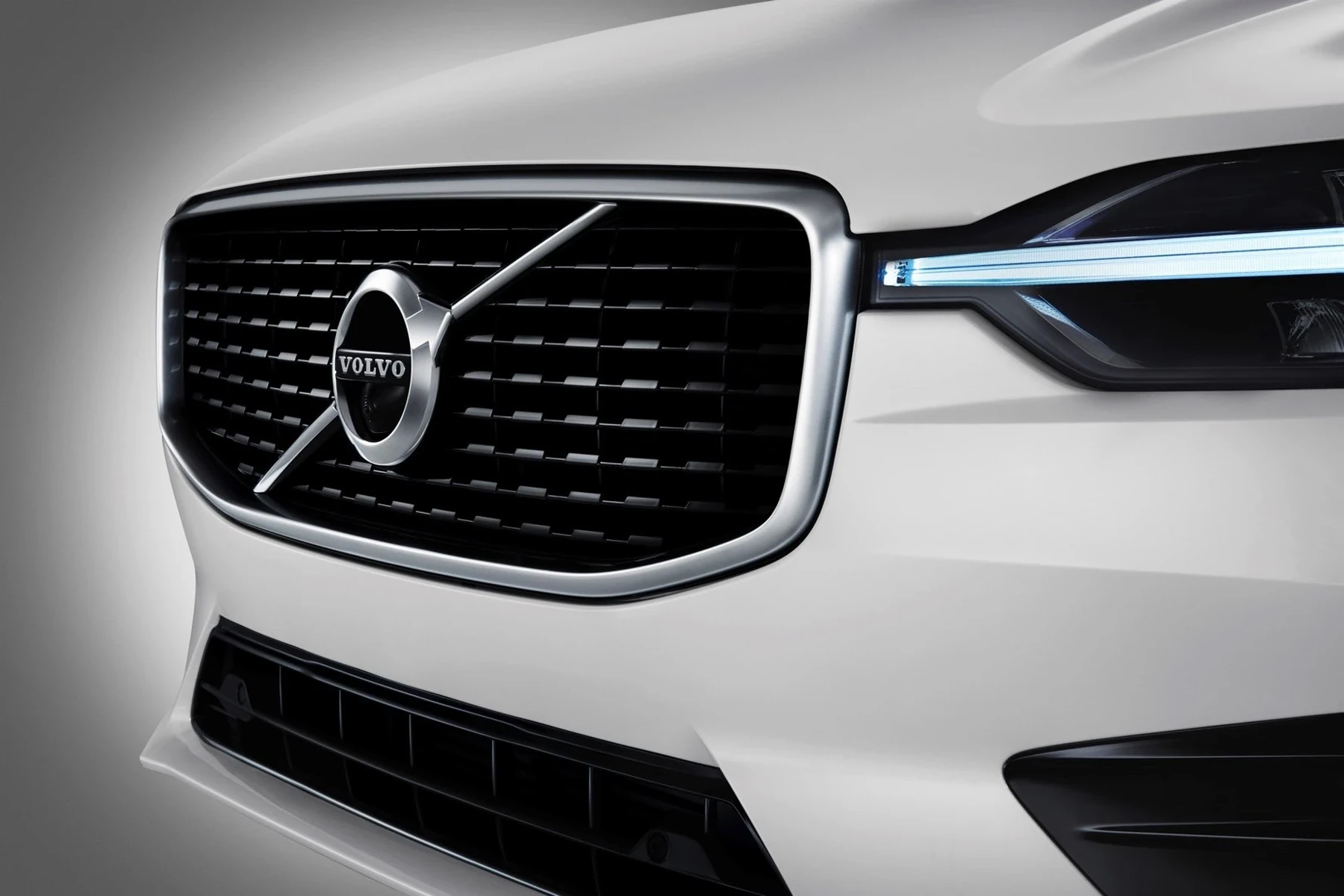
Mass still matters in multi-vehicle crashes, which is why some classic big wagons fare decently against very small modern cars. But crash compatibility, restraint sophistication, and small-overlap performance swing the odds toward newer designs overall. For many families, the safer bet is a post-2015 vehicle with strong small-overlap, side, and roof ratings — and AEB standard or as-equipped.
Volvo invented the three-point seat belt in 1959 and made the patent open so others could use it. Independent studies credit this single innovation with saving over a million lives worldwide — yet modern restraint systems add layers of protection those early belts couldn’t provide.
For a visual sense of how energy management changed, see our deeper Volvo vs car crash analysis that breaks down cabin intrusion and deceleration differences.
No vehicle protects well at extreme speeds. Seat belts, proper child-seat use, sober driving, and speed discipline remain the biggest life-savers, regardless of model year.
Key Differences in Safety Tech: Classic Volvo (240/850 era) vs Modern Cars
Classic Volvos brought meaningful safety firsts: three-point belts, side-impact protection structures (SIPS), early frontal airbags, and whiplash-reducing seats (WHIPS) as the 1990s progressed. Those gains still help. However, modern cars stack multiple layers: advanced airbag arrays (including side-curtain coverage), pre-tensioners and load limiters tuned by crash sensors, pedestrian protection measures, and stronger occupant cages with strategic high-strength steel. Beyond passive safety, active systems such as AEB, lane keeping, blind-spot monitoring, and rear cross-traffic alert reduce crash frequency and severity.
Small-overlap crash modes — where just a front corner hits a narrow object — expose the limits of many pre-2010 designs. Older cars often let the wheel, A-pillar, or firewall intrude significantly. Newer designs route loads around the cabin, preserving space and allowing airbags and belts to work optimally. That’s why two cars with “good” older-style frontal ratings can still look very different in a modern small-overlap test.
Airbags and seat belts age. A persistent SRS warning, frayed belt webbing, seized retractors, or seat-track damage can seriously compromise protection in older vehicles. Do not ignore restraint faults — have them diagnosed and repaired before relying on the car.
Crash Test Results Compared: Legacy Volvo Models vs Modern New Cars
Test programs evolved. The NHTSA 5-Star ratings and IIHS tests added tougher scenarios over time — notably IIHS’s small-overlap frontal and side-pole tests, which stress the occupant cage and restraint timing. Older Volvos can perform respectably in moderate-overlap frontal tests, yet struggle in newer small-overlap and aggressive side tests. Many late-model cars (including modern Volvos) now achieve top marks across the board and pair them with AEB to avoid some crashes outright. If you are comparing similar topics, 2013 Volvo d11 engine problems new model is also worth checking.
Here is a concise view of how typical outcomes differ. Treat it as directional guidance; always check the exact ratings for your model year on IIHS and NHTSA.
In short: classic strength shows in moderate frontal and roof tests, but modern structures and airbags dominate small-overlap and side-pole outcomes. Add AEB and you reduce impact speed or avoid the crash entirely.
| Test Type | Older Volvo (1990s–2000s) | Modern Car (2015+) | What It Means |
|---|---|---|---|
| Moderate-overlap frontal | Often good cabin control in later 1990s+ models | Consistently strong, optimized restraints | Both can protect well; newer cars manage forces better |
| Small-overlap frontal | Frequent A-pillar/wheel intrusion | Load paths route around cabin | Modern designs greatly reduce intrusion |
| Side (with/without curtain) | Pre-curtain era: higher torso/head injury risk | Side-curtain + torso airbags standard/common | Modern cars cut head injury risk significantly |
| Roof strength (rollover) | Varies; generally improved late 2000s | High strength-to-weight ratios | Better survival space in rollovers |
| Pedestrian safety | Minimal design features | Energy-absorbing front, detection/braking | Lower pedestrian injury risk, AEB mitigates |
| AEB (crash avoidance) | Not available | Common/standard; detects vehicles/pedestrians | Fewer or slower impacts in city traffic |
| Seat/head restraints | Early WHIPS helps whiplash | Advanced geometry + active head restraints | Lower neck injury risk in rear hits |
Real-World Factors That Decide Who Walks Away: Mass, Speed, and Mismatch
Physics still rules. Kinetic energy rises with the square of speed, so a small speed increase dramatically raises crash severity. Mass and ride height differences affect outcomes in two-vehicle crashes; a heavier, taller SUV can impose greater forces on a smaller sedan. That said, modern compatibility engineering and aligned bumper/rail heights reduce under/override risks across classes. Inside the cabin, modern restraint timing and airbag coverage often decide whether chest and head loads stay survivable.
Tires and brakes matter more than people think. Shorter stopping distances prevent impacts and reduce delta-V, which massively cuts injury risk. A 25-mph AEB deceleration before impact changes everything. Finally, maintenance and structural integrity — rust-free sills and pillars, proper glass bonding, intact seats — keep safety systems working as designed.
Compare ratings within era and class. IIHS and NHTSA scores aren’t directly cross-era. Always check recalls using your VIN via NHTSA’s recall lookup and consult the car’s owner manual for exact safety system details.
For broader context on outcomes and mortality trends, see our data-focused piece: How many people have died in a Volvo car crash.
Cost-Benefit: Repairing/Keeping an Old Volvo Safe vs Buying a New Car
Refreshing an older Volvo’s “safety consumables” helps: quality tires ($600–$1,200), brake overhaul ($350–$900), new shocks/struts ($500–$1,200), and replacing damaged belts ($200–$500 each). Fixing an SRS fault can run $150–$800 depending on the cause. These steps restore braking, grip, and restraint readiness — but they cannot add small-overlap-optimized structures, advanced curtains, or AEB to a 1990s car at reasonable cost. This connects closely with Volvo car vs toyota if you want to compare the topic in more detail.
If your budget allows, a newer used car with Top Safety Pick+/5-star ratings and AEB often delivers the biggest risk reduction per dollar. To gauge the upgrade budget, review our pricing guide: How much does a new Volvo car cost. Certified pre-owned models can bridge safety gains and affordability, especially in the 2018–2021 window.
- Start with tires: Choose premium all-season or dedicated winter tires; grip is safety.
- Fix SRS lights now: Airbags/pretensioners offline = reduced protection.
- Check seat belts: Replace frayed or slow-retracting belts; verify latch function.
- Head restraints: Adjust to at least ear height; reduces whiplash risk.
- Rust inspection: Examine sills, towers, and pillars; structural rust undermines crash performance.
How To Evaluate Old Volvo vs New Car Crash Safety for Your Situation
A head/heart decision becomes simple when you compare known tests, your driving risks, and the car’s condition. Begin by finding objective crash ratings for your exact year and trim, then weigh how and where you drive: city vs highway, solo vs family, day vs night, fair vs winter weather. Finally, balance upgrade costs (tires, belts, SRS repairs) against the safety lift from moving to a newer, top-rated vehicle with AEB and robust side/overlap scores. You can also use Volvo car vs bmw as a helpful next guide on the same ownership topic.
- Find crash ratings: Look up your car on IIHS and NHTSA by year/model; note small-overlap and side results.
- Check safety systems: Confirm no SRS warnings; test every belt; set head restraints correctly; review airbag coverage in your owner manual.
- Assess tires/brakes: Measure tread, replace aged tires (>6 years), and inspect pads/rotors; winter set where climate warrants.
- List ADAS features: Note whether you have AEB, lane keeping, BLIS, and rear cross-traffic; these lower crash rates in daily driving.
- Decide upgrade vs replace: Add repair costs and compare to a newer used/new car with top ratings and AEB — pick the option that best cuts your real-life risk.
💡 Evans Torres Tip: I kept a ’98 V70 for years and felt safe — until a near-miss in a 2019 XC60 where City Safety hit the brakes before I did. That moment sold me on modern ADAS. If you’re keeping an older Volvo, invest first in top-tier tires and fix any SRS light. But for highway family trips, I’d step into a post-2016 Top Safety Pick+ with AEB.
Frequently Asked Questions
This FAQ tackles the most common questions around older Volvos versus modern cars in crashes: which wins in real tests, whether weight beats newer design, what crash tests matter most, how driver-assist tech shifts outcomes, and whether upgrades on a classic can close the gap. You’ll also find guidance on choosing between a refreshed older Volvo and a newer car, plus what to inspect if you stick with your classic.
Are old Volvos safer than new small cars in a crash?
Not generally. Modern small cars with strong small-overlap, side, and roof ratings — plus advanced airbags — often protect occupants better than 1990s designs. While weight can favor the older, heavier car in two-vehicle crashes, newer occupant cages and restraint timing typically preserve survival space more effectively. Add AEB, and many low-speed crashes are avoided or softened, further favoring the newer car.
Which crash tests matter most when comparing across eras?
Focus on IIHS small-overlap frontal and side tests, plus NHTSA’s frontal and side ratings. Small-overlap is where many older structures struggle, allowing wheel/A-pillar intrusion. Side tests reveal the value of side-curtain airbags and strong B-pillars. Roof strength is important for rollover protection. Remember: ratings evolved; always compare your exact year and body style, not just a nameplate.
Can I retrofit modern safety tech onto a classic Volvo?
Meaningful structural and airbag upgrades aren’t practical to retrofit. You can improve tires, brakes, lighting, and seating position and repair SRS faults. Aftermarket forward-collision warning exists, but true OEM-grade AEB or curtain airbags can’t be added feasibly. If you want AEB, lane keeping, and comprehensive airbag coverage, a newer used or new car is the realistic path.
Does vehicle weight always win in mixed-vehicle crashes?
Weight helps, but it’s not the whole story. Crash compatibility, structure alignment, restraint performance, and impact speed all matter. A heavier, older car can still do worse if its occupant cage collapses or airbags and belts can’t control occupant motion. Modern designs intentionally align crash structures and tune restraint timing to protect occupants across a wide range of impacts.
Is an older Volvo with new tires and perfect maintenance “safe enough”?
Up-to-date tires, brakes, and repaired SRS systems absolutely help. That said, the biggest safety leap in the last decade came from improved structures, better airbag coverage, and AEB. For short, low-speed city driving, a well-maintained older Volvo can be reasonable. For frequent highway family use, a newer car with strong recent ratings and AEB usually offers substantially better protection.
How do driver-assist features like AEB change real outcomes?
AEB reduces or avoids front-to-rear city crashes and mitigates speed before impact, lowering injury risk. Pedestrian detection further prevents vulnerable road-user strikes. Lane keeping, blind-spot monitoring, and rear cross-traffic alert don’t change crash physics but help prevent dangerous situations from forming. Prevention plus strong crashworthiness is the winning combination in everyday driving.
Where can I verify safety ratings and recalls for my car?
Check IIHS ratings by exact year and model at the Institute’s website and see NHTSA for 5-Star scores. For open recalls, use your VIN at NHTSA’s recall lookup. Also review your owner manual for safety system coverage and any maintenance or inspection notes tied to airbags and seat belts.
Final Verdict
In an old Volvo vs new car crash comparison, modern wins most meaningful scenarios. Advanced occupant cages, comprehensive airbags, and widely available AEB shift both crashworthiness and crash avoidance in favor of recent designs. Still, you can meaningfully improve any older Volvo with premium tires, healthy brakes, and fully functioning belts/airbags — especially for lower-speed city duty. For frequent highway, family hauling, or night/winter driving, a newer, well-rated vehicle with AEB is the safer long-term choice. Verify ratings for your exact model year, fix any SRS faults immediately, and make a clear-eyed decision that matches your roads, passengers, and budget.
My Top Picks at a Glance
Here are the three old volvo vs new car crash options I would check first if you want a faster buying decision.
These picks highlight the strongest overall choice, the best value option, and the premium-style pick for practical Volvo ownership.
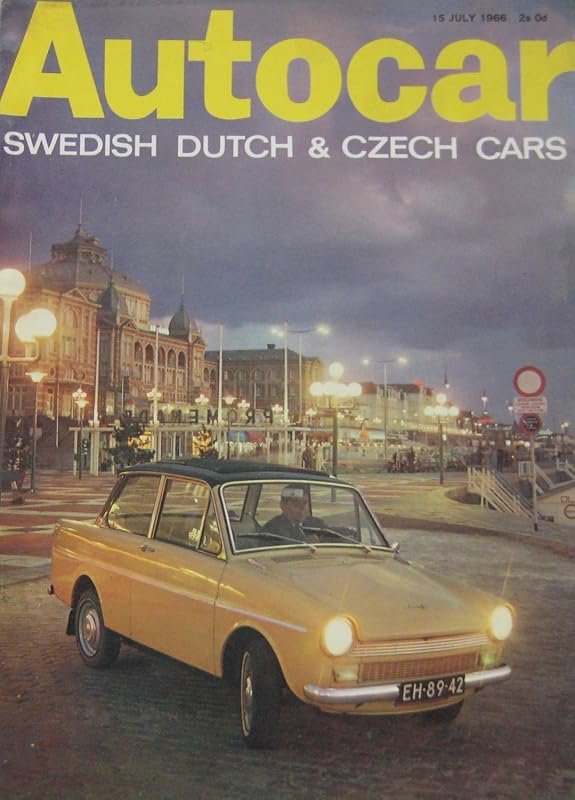 Best Overall
Autocar Magazine 15 July 1966 issue with Volvo 1800S road test, Matra-BRM, NSU Prinz 4
It offers the strongest all-around mix of fit, value, and practical daily use for Volvo owners.
 Best Value
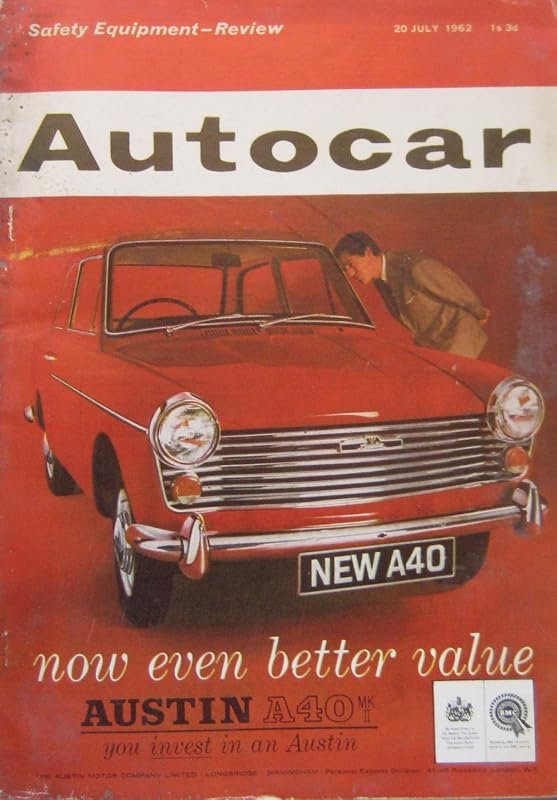
Autocar Magazine 20 July 1962 issue featuring Volvo P1800 road test, collectible vintage motoring magazine
It makes sense for owners who want a useful upgrade without paying more than necessary.
 Best Premium Option
Amazon Gift Card Balance Reload for easy account top-ups and seamless gift card credit additions
It is the pick I would compare first if build quality, features, and long-term ownership value matter most.
Author

Author

Evans Torres
I’m Evans Torres, an automotive engineer who loves Volvo cars. I graduated in Automotive Engineering from USC. I have worked in the car industry for years and now share my knowledge on The Volvo Life. I started this blog to connect with other Volvo fans. I offer tips, news, and advice to help you care for your car. My goal is to help you keep your Volvo in great shape and find all the best things about it. Join me as we discover everything Volvo has to offer!