


Locating your Volvo’s battery is crucial for the jump-start process, as it may vary by model. Understanding the battery specifications can also help in selecting the right tools.
If your Volvo’s battery is dead, knowing how to jump start a Volvo can save you time and hassle. This guide will walk you through the necessary tools, safety precautions, and step-by-step instructions for jump-starting your vehicle effectively.
- Essential Tools and Safety Precautions: Before you begin the jump-start process, it’s essential to gather the right tools and.
- Jump Start a Volvo: Understanding: Locating your Volvo’s battery is crucial for the jump-start process, as it may vary.
- Step-by-Step Guide on How to: Once you have the tools and understand the battery’s location, follow these steps to.
- Common Mistakes to Avoid When: Jump starting can be straightforward, but several common mistakes can lead to complications or.
- How to Confirm Your Volvo: After attempting to jump start your Volvo, confirming its success is vital..
Essential Tools and Safety Precautions for Jump Starting a Volvo
Before you begin the jump-start process, it’s essential to gather the right tools and follow safety precautions to ensure a smooth operation.
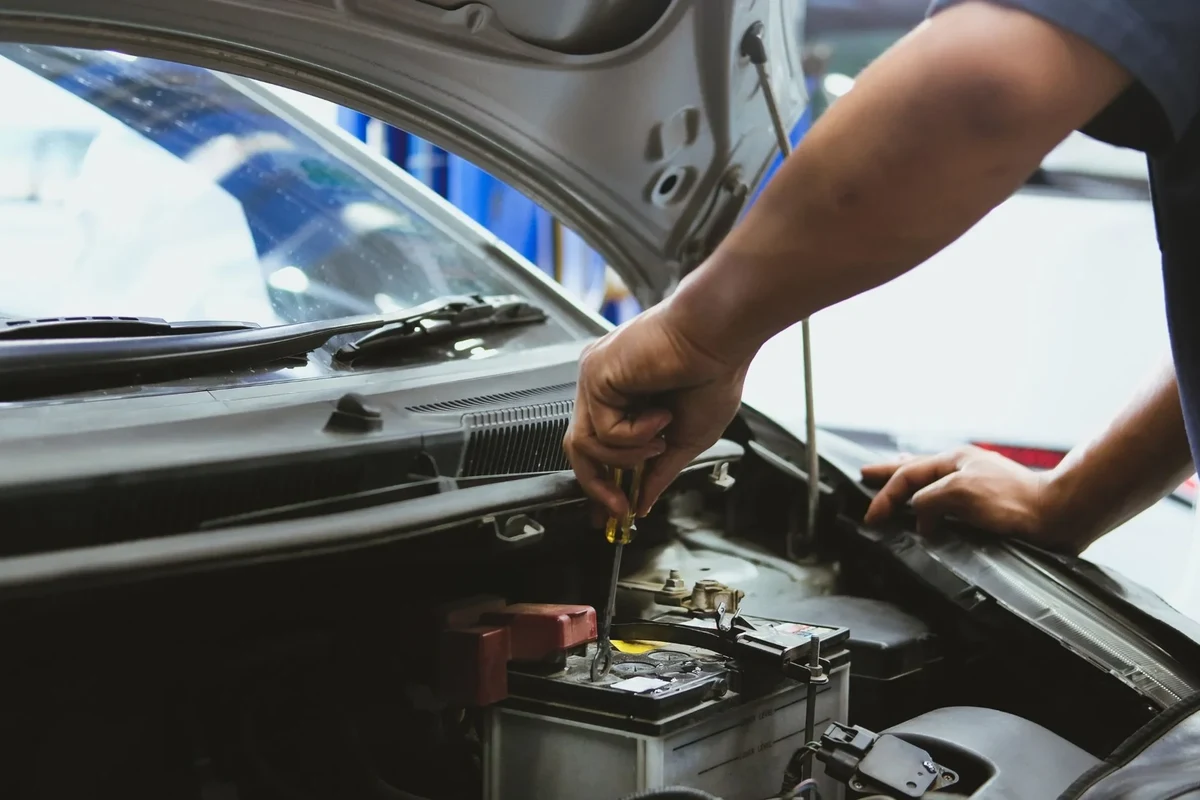
Tools You’ll Need
- Jumper cables
- A functional vehicle with a working battery
- Gloves and safety goggles
Safety Precautions to Follow
Check for fuel leaks and electrical damage. Ensure vehicles are not touching each other during the procedure. Avoid opening the hood while the engine of either vehicle is running. For related risk checks, compare this with how to use a volvo to jump start another car safely.
Jump Start a Volvo: Understanding Your Volvo’s Battery Location and Type
Locating your Volvo’s battery is crucial for the jump-start process, as it may vary by model. Understanding the battery specifications can also help in selecting the right tools.
In models like the XC60 and S60, the battery is typically found in the trunk, while in others like the XC90, it can be under the hood. Refer to your owner’s manual for exact locations. You can also use how to jump start volvo s60 2012 without alarm as the next practical guide.
Before jump-starting your Volvo, check your VIN for any open recalls or safety notices that may affect the battery or electrical systems.
Step-by-Step Guide on How to Jump Start a Volvo
Once you have the tools and understand the battery’s location, follow these steps to jump start your Volvo safely. For related context, read jump start a car with a volvo step by step guides free.
- Prepare the vehicles
Park the functioning vehicle close enough to your Volvo so that the jumper cables can reach both batteries, but ensure the vehicles do not touch. For official guidance on this, see Volvo Cars official website.
- Connect the jumper cables correctly
Start with the red cable: connect one end to the positive terminal of the dead battery and the other end to the positive terminal of the working battery. Next, connect the black cable to the negative terminal of the working battery and attach the other end to a metal ground on the dead vehicle.
- Start the functioning vehicle
Let the functioning vehicle run for a few minutes to charge the dead battery.
- Start the Volvo and disconnect cables
Attempt to start your Volvo. Once it starts, disconnect the cables in the reverse order of connection: black cable from the ground, then from the working battery, followed by the red cable from both batteries.
Ask about the battery’s warranty status and document any service history to help gauge future maintenance costs.
Common Mistakes to Avoid When Jump Starting
Jump starting can be straightforward, but several common mistakes can lead to complications or even damage. Being aware of these can help you avoid issues. This also connects with how to start a volvo penta engine before you pay, sign, or book.
- Incorrect cable connections can create sparks or damage the vehicles.
- Not allowing enough time for the battery to charge can prevent the car from starting.
- Ignoring warning lights and sounds that indicate issues with the vehicle’s electrical system.
How to Confirm Your Volvo is Successfully Jump Started
After attempting to jump start your Volvo, confirming its success is vital. Keep an eye on specific indicators and sounds. For official guidance on this, see NHTSA recall lookup by VIN.
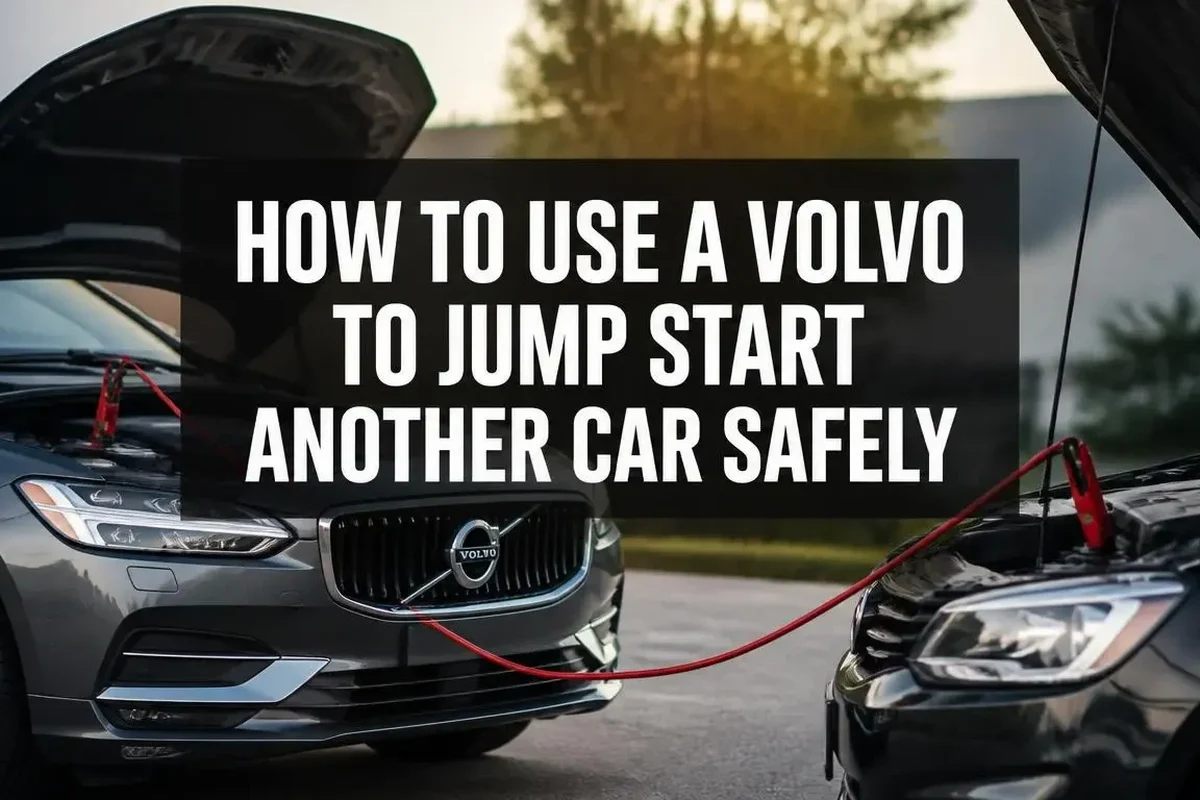
Check the dashboard for warning lights; a stable battery light indicates successful jump starting. Listen for the engine running smoothly and check that electrical systems, like lights and dashboard displays, are functioning. For related context, read how to start a volvo without a key.
- Listen for any unusual sounds during startup.
- Check the operation of electrical components like headlights and dashboard indicators.
When to Seek Professional Help
If your Volvo fails to start after multiple jump-start attempts, it may signal a deeper issue. Here’s when to consider professional assistance. You can also use how to start a volvo mini excavator as the next practical guide.
- Repeated failures to start could indicate a faulty battery or electrical system.
- Unusual sounds or warning lights may point to other underlying issues requiring expert evaluation.
- Store jumper cables in an easily accessible location in your vehicle.
- Regularly check battery health to avoid unexpected failures.
Maintaining Your Volvo’s Battery for Future Reliability
Maintaining your battery helps prevent future dead battery situations. Regular checks and proper care can extend battery life.
Regularly inspect battery terminals for corrosion and clean them as necessary. Consider testing the battery’s charge periodically, especially before winter. Replace batteries according to manufacturer recommendations or if showing signs of weakness. For related context, read how to start a volvo excavator.
How to Jump Start a Volvo Quickly and Easily
To jump start your Volvo effectively, first gather essential tools like jumper cables and ensure safety by checking for fuel leaks and electrical damage. Follow a simple process: connect the cables properly, start the functioning vehicle, then attempt to start your Volvo. You can also use how to start a volvo car as the next practical guide.
Always confirm the jump was successful by monitoring dashboard indicators and sounds.
- Gather jumper cables, gloves, and safety goggles.
- Connect the cables in the correct order to avoid sparks.
- Inspect for warning lights after jump-starting to confirm success.
This guide on how to jump start a volvo is general information. Rules, fees, rents, salaries, service coverage, product details, and procedures can change, so confirm important points with the manufacturer, retailer, or official app documentation before acting.
Questions Worth Asking
You will need jumper cables, a functional vehicle with a working battery, gloves, and safety goggles. Having the right tools ensures a smoother and safer jump-starting process.
Before starting, check for fuel leaks and electrical damage, and ensure that the vehicles do not touch each other during the procedure. Avoid opening the hood while either vehicle’s engine is running to prevent accidents.
First, connect the red cable to the positive terminal of the dead battery and the positive terminal of the working battery. Then, connect the black cable to the negative terminal of the working battery and attach the other end to a metal ground on the dead vehicle.
Avoid incorrect cable connections, as they can create sparks or cause damage. Also, ensure you allow enough time for the battery to charge before trying to start the vehicle.
Check the dashboard for warning lights; a stable battery light indicates a successful jump start. Also, listen for the engine running smoothly and ensure that electrical systems like lights and dashboard displays are functioning.
If your Volvo fails to start after multiple jump attempts, it could signal a deeper issue with the battery or electrical system. Unusual sounds or persistent warning lights may also indicate that expert evaluation is needed.
Final Thoughts
Knowing how to jump start a Volvo is a valuable skill for any owner. Following the right procedures and precautions ensures that you can get back on the road safely and effectively.
Author

💡 Evans Torres Tip: On every Volvo I have owned, I always keep a full digital service record from day one. When something goes wrong — and eventually something always does — having that history makes diagnosis faster and often saves money at the mechanic. Start your records today, even if the car is not new.