

The Volvo V60 and V90 are two compelling options in Volvo’s lineup, each catering to distinct needs and preferences. Understanding their differences is crucial for buyers considering one of these stylish wagons.
Understanding the volvo difference between the v60 and v90 can help potential buyers make informed decisions. Both models offer unique features suited for different lifestyles and preferences. This article explores their key differences to guide your choice.
- Understanding the Volvo V60 and: The Volvo V60 and V90 are two compelling options in Volvo’s lineup, each catering.
- Size and Cargo Capacity: V60: When comparing the dimensions of the V60 and V90, it’s clear that size has.
- Performance and Powertrain Comparison: Both the V60 and V90 offer various powertrain options, including efficient engines designed to.
- Safety Features and Ratings: Safety is a hallmark of the Volvo brand..
- Cost of Ownership: Running Costs: Owning a vehicle involves various costs, including maintenance, insurance, and fuel..
Understanding the Volvo V60 and V90: A Comparison
The Volvo V60 and V90 are two compelling options in Volvo’s lineup, each catering to distinct needs and preferences. Understanding their differences is crucial for buyers considering one of these stylish wagons.
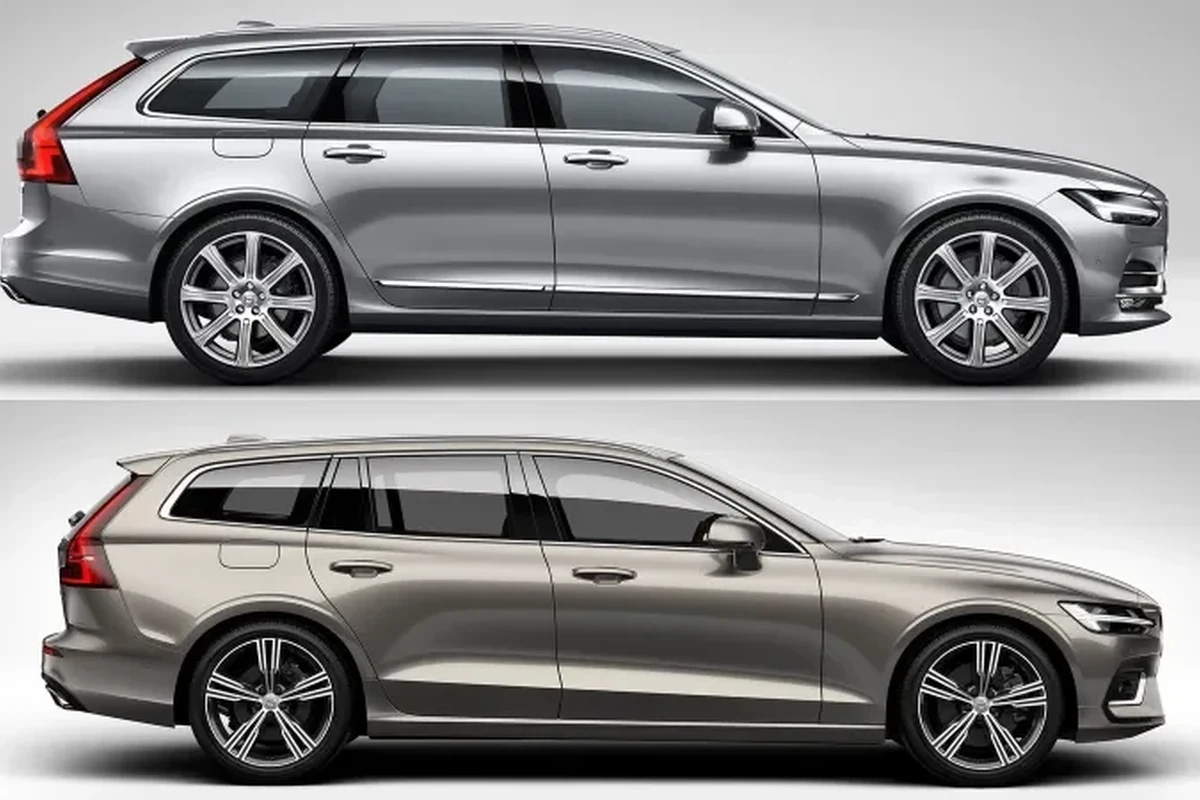
Key Considerations for Choosing Between the V60 and V90
Before making a decision between the Volvo V60 and V90, it’s essential to evaluate specific factors that align with your lifestyle and preferences.
- Assess your space needs: Determine if the V60’s compact design, with a cargo volume of 23.2 cu ft, meets your requirements or if the V90’s larger capacity of 28.6 cu ft is necessary.
- Evaluate ownership costs: Consider the V60’s typically lower maintenance and fuel costs compared to the V90, which may have higher expenses due to its larger engine and additional features.
- Consider your driving style: If you prioritize sportier handling, the V60 might be the better fit, while the V90 offers a smoother ride ideal for long-distance travel.
- Identify your target audience: The V60 is more suited for urban drivers, whereas the V90 caters to families and long-distance travelers needing extra space.
| Feature | V60 | V90 |
|---|---|---|
| Body Style | Compact Wagon | Mid-Size Wagon |
| Interior Space | Less Cargo Space | More Cargo Space |
| Driving Dynamics | Sportier Handling | Smoother Ride |
| Target Audience | Urban Drivers | Family and Long-Distance Travelers |
Key Differences Between the V60 and V90
The primary distinctions between the V60 and V90 lie in their size, performance, and design aesthetics. For official guidance on this, see Volvo Cars official website.
While both models uphold Volvo’s commitment to safety and luxury, the V90 is larger, offering more space and additional features that may appeal to families or those needing extra cargo capacity. For related context, read best roof boxes for volvo v60.
Size and Cargo Capacity: V60 vs. V90
When comparing the dimensions of the V60 and V90, it’s clear that size has a significant impact on cargo space and passenger comfort.
The V90’s larger footprint allows for increased storage and legroom, making it an excellent choice for families or those who frequently transport goods. This area decision also connects with best volvo v60 accessories.
| Model | Length | Width | Cargo Volume |
|---|---|---|---|
| V60 | 182.3 in | 73.4 in | 23.2 cu ft |
| V90 | 194.0 in | 74.0 in | 28.6 cu ft |
Families needing space and luxury.
2023 and later V60 and V90 models.
You prefer a more compact and economical option.
Performance and Powertrain Comparison
Both the V60 and V90 offer various powertrain options, including efficient engines designed to enhance performance while maintaining fuel economy. Understanding these differences can help buyers choose a model that aligns with their driving style and needs.
Fuel Efficiency: V60 vs. V90
Fuel economy is vital for daily driving costs. Generally, the V60 offers slightly better fuel efficiency due to its smaller size and lighter weight, making it a more economical choice for those who prioritize fuel savings. For another location comparison, read best roof rack for volvo v60.
Confirm the model year and trim for your area, ensuring all features and specifications align with your needs.
Safety Features and Ratings
Safety is a hallmark of the Volvo brand. Both the V60 and V90 come equipped with advanced safety technologies, including adaptive cruise control and lane-keeping assist. Reviewing their crash-test ratings from IIHS and NHTSA can provide additional assurance about their safety capabilities. This also connects with what is the difference between volvo group and volvo cars before you pay, sign, or book.
Cost of Ownership: Running Costs and Resale Value
Owning a vehicle involves various costs, including maintenance, insurance, and fuel. The V60 typically has lower ownership costs due to its smaller size and engine options. For official guidance on this, see EPA fuel economy guide.
In contrast, the V90’s larger engine and additional features may result in higher costs, though it often retains high resale value. For related context, read difference between 2025 and 2025 5 volvo xc90.

Check the VIN-based recall database for any active safety notices or issues before making a purchase.
Best Fit Buyers: Who Should Choose the V60 or V90?
Identifying the ideal buyer for each model can help narrow down choices. The V60 is great for singles or couples who prioritize efficiency and compactness, while the V90 caters to families needing more space and luxury. You can also use volvo difference between t5 and t6 as the next practical guide.
Consider maintenance history, warranty status, and typical running costs associated with each model before committing to a purchase.
Pros and Cons of the V60 and V90
Evaluating the advantages and disadvantages of both models can assist potential buyers in making the right decision. The V60 is agile and economical, whereas the V90 offers luxury and space. For related context, read volvo cars with the best technology.
Understanding the Volvo Difference Between the V60 and V90
The Volvo difference between the V60 and V90 is marked by distinct characteristics that cater to different needs.
The V60 offers a compact design suited for urban drivers, while the V90 provides greater cargo space and comfort, ideal for families or long-distance travel. Choosing between them requires assessing your space needs, driving style, and ownership costs. You can also use what is the best infant car seat for volvo xc60 as the next practical guide.
- Evaluate your space requirements: consider the V60’s 23.2 cu ft vs. the V90’s 28.6 cu ft cargo space.
- Compare maintenance and fuel costs between the V60 and V90.
- Identify your driving style: prioritize sportier handling with the V60 or a smoother ride with the V90.
This guide on volvo difference between the v60 and v90 is general information. Rules, fees, rents, salaries, service coverage, product details, and procedures can change, so confirm important points with the manufacturer, retailer, or official app documentation before acting.
Questions People Also Ask
The Volvo V60 measures 182.3 inches in length and has a cargo volume of 23.2 cubic feet, while the V90 is larger at 194.0 inches long with 28.6 cubic feet of cargo space. This increased size in the V90 provides more storage and legroom, making it more suitable for families or those needing extra capacity.
Both the V60 and V90 offer various powertrain options designed for performance and fuel efficiency. However, the specific performance characteristics may differ due to their size and engine configurations, influencing the choice based on driving preferences.
The V60 generally provides better fuel efficiency due to its smaller size and lighter weight, making it a more economical option for daily driving. This can be particularly beneficial for buyers looking to save on fuel costs over time.
Both the V60 and V90 come equipped with advanced safety technologies such as adaptive cruise control and lane-keeping assist. Reviewing their crash-test ratings from IIHS and NHTSA ensures buyers understand the safety capabilities of each model.
The V60 typically has lower ownership costs due to its smaller size and engine options, making it more economical to maintain. In contrast, the V90’s larger engine and additional luxury features may lead to higher running costs, though it often retains a strong resale value.
The V60 is ideal for singles or couples who prioritize efficiency and compactness, while the V90 caters to families needing more space and luxury features. Understanding these user profiles can help potential buyers make informed decisions based on their lifestyle needs.
The Bottom Line
The volvo difference between the v60 and v90 is significant regarding size, performance, and ideal user profiles. Understanding these differences is essential for making an informed choice that best fits your needs.
Author

💡 Evans Torres Tip: On every Volvo I have owned, I always keep a full digital service record from day one. When something goes wrong — and eventually something always does — having that history makes diagnosis faster and often saves money at the mechanic. Start your records today, even if the car is not new.