


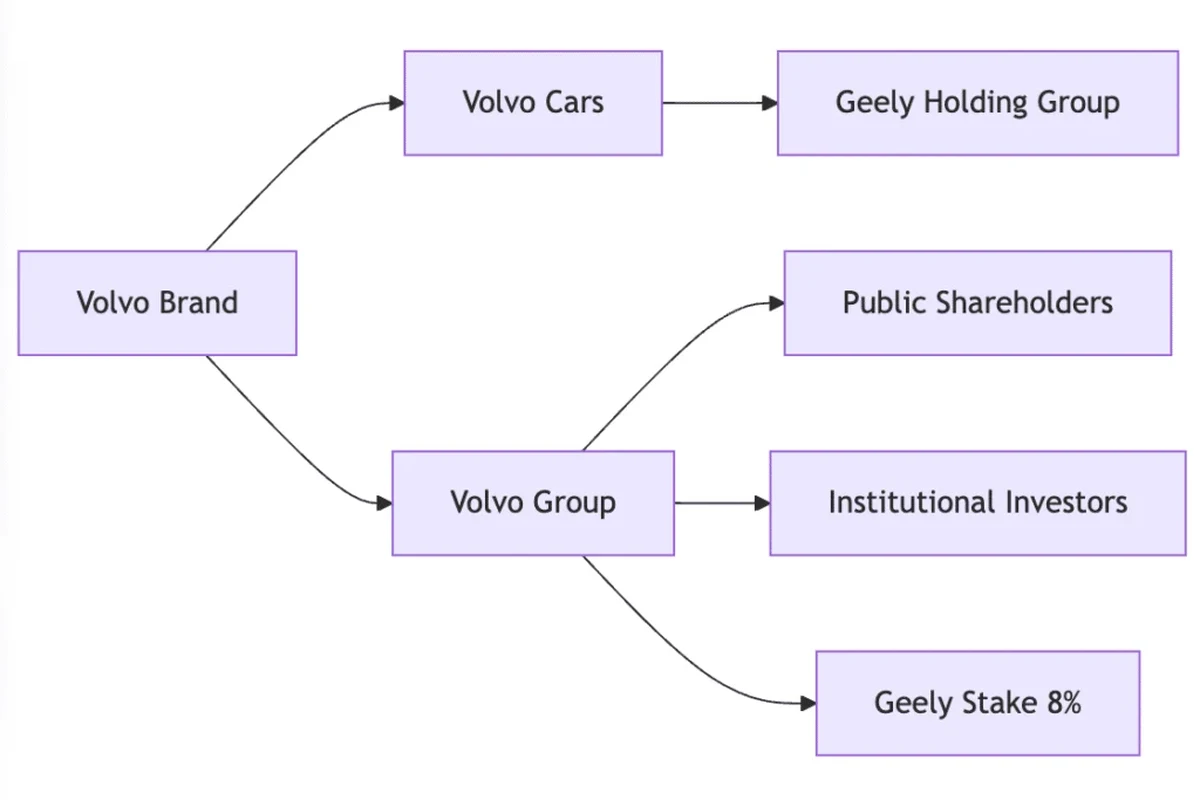
Volvo operates under two major divisions: Volvo Cars and Volvo Group, both of which are owned by the Chinese automotive giant Geely. Each division serves different markets and has unique operational focuses.
The difference between Volvo Cars and Volvo Group ownership under Geely lies in their distinct markets and product focus. Volvo Cars produces passenger vehicles, while Volvo Group specializes in trucks and heavy equipment. This article explores these differences in detail. You can also use volvo group vehicle automation technology as the next practical guide.
- Understanding Volvo’s Structure: Cars vs.: Volvo operates under two major divisions: Volvo Cars and Volvo Group, both of which.
- The Key Differences Between Volvo: Distinct product lines and target markets set Volvo Cars apart from Volvo Group..
- Market Segmentation and Target Audiences: Each division targets different consumer segments, which influences their marketing strategies and product offerings..
- Safety Features and Technology Comparisons: Both divisions prioritize safety and technology, but their approaches differ based on their respective.
- Financial Performance and Market Outlook: Analyzing the financial health of both entities offers insights into their market positions and.
Understanding Volvo’s Structure: Cars vs. Group
Volvo operates under two major divisions: Volvo Cars and Volvo Group, both of which are owned by the Chinese automotive giant Geely. Each division serves different markets and has unique operational focuses.
Understanding their structure is essential for potential buyers and industry enthusiasts alike.
| Division | Ownership | Market Focus |
|---|---|---|
| Volvo Cars | Owned by Geely | Passenger Vehicles |
| Volvo Group | Owned by Geely | Commercial Vehicles and Solutions |
Ownership Under Geely: An Overview
Geely acquired Volvo Cars in 2010 and later took control of Volvo Group. While both divisions share a common ownership, they operate independently, focusing on their respective sectors.
Volvo Cars emphasizes passenger vehicles, while Volvo Group deals primarily with commercial vehicles and construction equipment. For related context, read what is the difference between volvo group and volvo cars.
Individuals and families looking for safe and innovative vehicles.
All recent models from Volvo Cars and Volvo Group.
You’re seeking heavy-duty machinery or construction equipment.
The Key Differences Between Volvo Cars and Volvo Group
Distinct product lines and target markets set Volvo Cars apart from Volvo Group. Understanding these differences helps potential buyers identify which entity suits their needs best. You can also use difference between 2025 and 2025 5 volvo xc90 as the next practical guide.
What Each Entity Primarily Offers
- Volvo Cars: Specializes in consumer vehicles like sedans, SUVs, and hybrids, focusing on safety and innovation.
- Volvo Group: Focuses on commercial vehicles, including trucks and buses, along with construction equipment, providing solutions for businesses.
Market Segmentation and Target Audiences
Each division targets different consumer segments, which influences their marketing strategies and product offerings. Understanding who each entity serves can guide buyers in their decisions. For official guidance on this, see Volvo Cars official website.
Who Should Choose Volvo Cars?
Volvo Cars appeals to individuals and families looking for safe, reliable vehicles with modern technology. Buyers interested in electric and hybrid options will find innovative models like the XC40 Recharge and the C40 Recharge particularly appealing.
Who Should Consider Volvo Group Products?
Businesses and fleet operators will benefit from Volvo Group’s offerings, including heavy trucks and construction machinery. The division’s focus on efficiency and durability makes it ideal for commercial applications. For related context, read volvo difference between t5 and t6.
Confirm your target vehicle model, trim, and VIN-specific options through the official Volvo website or authorized dealers.
Safety Features and Technology Comparisons
Both divisions prioritize safety and technology, but their approaches differ based on their respective markets.
Evaluating Safety Ratings and Innovations
Volvo Cars is renowned for its safety innovations, often leading the industry in crash-test ratings and driver-assist technologies. Meanwhile, Volvo Group incorporates advanced safety features in its commercial vehicles, focusing on reducing accidents in industrial settings. This also connects with volvo trucks group technology before you pay, sign, or book.
Verify any recalls or safety updates for your specific model via the VIN-based lookup tool on the official Volvo site.
Financial Performance and Market Outlook
Analyzing the financial health of both entities offers insights into their market positions and future growth potential.
Current Sales Trends and Predictions
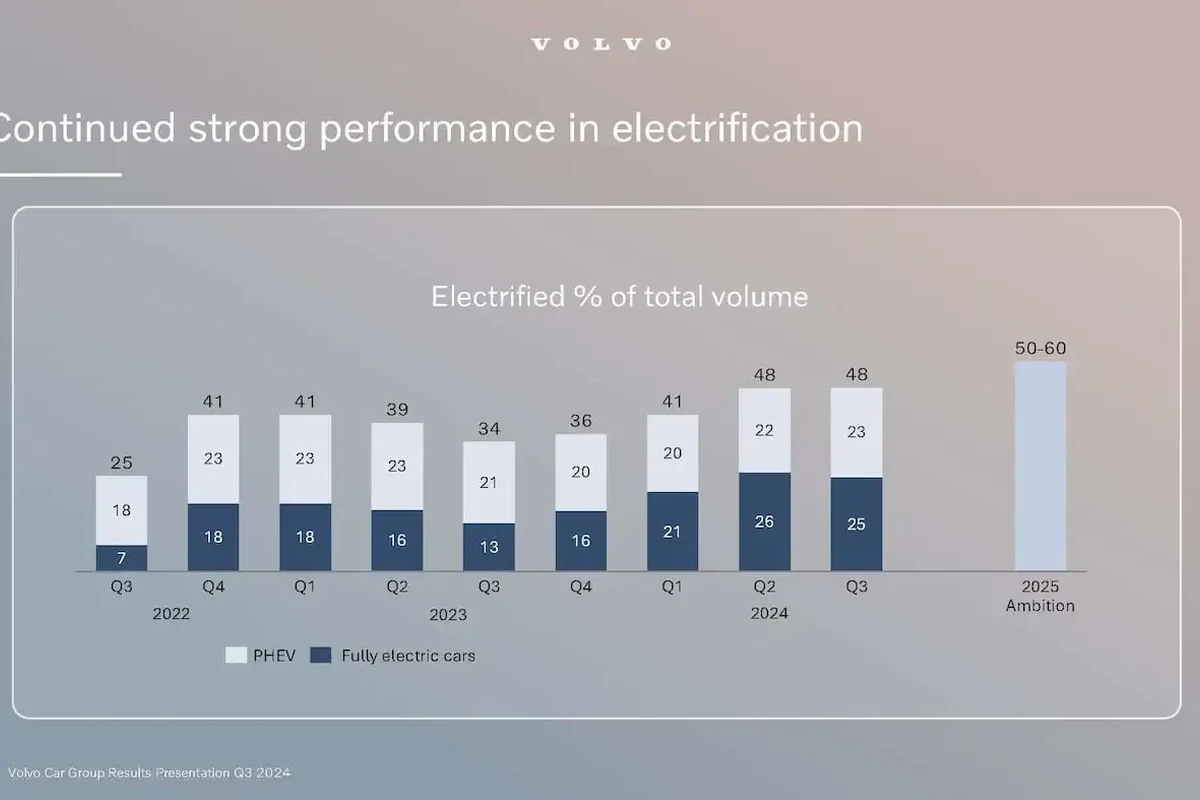
Volvo Cars has seen an increase in sales driven by the growing demand for electric vehicles, while Volvo Group continues to expand in emerging markets, particularly in Asia. Economic conditions and industry trends will significantly influence their future trajectories. For related context, read volvo technology group.
Geely’s Influence on Volvo’s Operations
Geely’s ownership has brought significant changes to both Volvo Cars and Volvo Group, impacting their operational strategies and market approaches. For official guidance on this, see Volvo Group official website.
Strategic Changes and Innovations Post-Acquisition
Under Geely, Volvo has enhanced its focus on sustainability, leading to the development of electric vehicles across both divisions. This strategic shift reflects a commitment to reducing carbon footprints and meeting global emissions standards. You can also use volvo group vehicle automation technology features as the next practical guide.
Ask about service history, warranty status, and the costs associated with specific models before making a purchase.
Understanding the Difference Between Volvo Cars and Volvo Group Ownership Under Geely
The distinction between Volvo Cars and Volvo Group ownership under Geely is crucial for potential buyers. Volvo Cars focuses on passenger vehicles, offering safety and innovative technology for individuals and families, while Volvo Group specializes in commercial vehicles and equipment for businesses. For related context, read volvo group trucks technology wiki.
Recognizing these differences helps consumers make informed decisions based on their specific needs.
- Assess whether you need a passenger vehicle or commercial equipment.
- Explore the latest models from Volvo Cars for personal use.
- Investigate Volvo Group’s offerings if you’re in the market for heavy trucks or construction machinery.
This guide on difference between volvo cars and volvo group ownership geely is general information. Rules, fees, rents, salaries, service coverage, product details, and procedures can change, so confirm important points with the manufacturer, retailer, or official app documentation before acting.
Questions Worth Asking
Volvo Cars specializes in passenger vehicles, including sedans and SUVs, while Volvo Group focuses on commercial vehicles such as trucks and construction equipment. This distinction in product lines highlights their different target markets and operational strategies.
Both Volvo Cars and Volvo Group are owned by Geely, but they operate independently, each catering to its respective sector. This independence allows them to tailor their products and services to different consumer and business needs.
Volvo Cars targets individuals and families looking for safe and innovative consumer vehicles, particularly electric and hybrid models. In contrast, Volvo Group serves businesses and fleet operators needing reliable heavy trucks and construction machinery.
Volvo Cars is renowned for its safety innovations in passenger vehicles, often leading in crash-test ratings and driver-assist technologies. Meanwhile, Volvo Group emphasizes safety in its commercial vehicles, focusing on reducing accidents in industrial environments.
Volvo Cars has experienced a sales increase driven by the growing demand for electric vehicles. On the other hand, Volvo Group continues to expand in emerging markets, particularly in Asia, which significantly influences its market performance.
Geely’s ownership has led both divisions to enhance their focus on sustainability, particularly through the development of electric vehicles. This strategic shift reflects their commitment to reducing carbon footprints and adhering to global emissions standards.
Final Words
The difference between Volvo Cars and Volvo Group ownership under Geely is marked by their distinct focuses on consumer versus commercial markets.
Understanding these differences can guide buyers in selecting the right products for their needs, whether they seek a family vehicle or commercial equipment.
Author

💡 Evans Torres Tip: On every Volvo I have owned, I always keep a full digital service record from day one. When something goes wrong — and eventually something always does — having that history makes diagnosis faster and often saves money at the mechanic. Start your records today, even if the car is not new.