
Both the Volvo C30 2.0 and R-Design models are part of the C30 lineup, which offers a sporty hatchback experience. However, each variant caters to different preferences in terms of performance and aesthetics.
The difference between the Volvo C30 2.0 and R-Design centers on performance, features, and design. The C30 2.0 offers a standard experience, while the R-Design elevates style and handling for a sportier drive. This article explores these distinctions in detail.
- Understanding the Volvo C30 2.0: Both the Volvo C30 2.0 and R-Design models are part of the C30 lineup.
- Comparing the Volvo C30 2.0: Understanding the key differences between these models can help potential buyers decide which variant.
- Design Differences Between the Volvo: Design is another area where the C30 2.0 and R-Design diverge..
- Safety Ratings and Technology: Volvo is known for its commitment to safety, and both the C30 2.0 and.
- Cost of Ownership: Price and: When considering the difference between the C30 2.0 and R-Design, the cost of ownership.
Understanding the Volvo C30 2.0 and R-Design Variants
Both the Volvo C30 2.0 and R-Design models are part of the C30 lineup, which offers a sporty hatchback experience. However, each variant caters to different preferences in terms of performance and aesthetics.
| Variant | Performance | Aesthetics |
|---|---|---|
| C30 2.0 | Standard performance for daily driving | Classic hatchback design |
| R-Design | Enhanced sport tuning for dynamic handling | Sporty exterior accents and aggressive styling |
Key Specifications and Features
The C30 2.0 features a 2.0L inline-four engine, producing around 145 horsepower. In contrast, the R-Design variant is equipped with a more powerful 2.5L five-cylinder engine, generating approximately 227 horsepower. For related context, read what is the difference between volvo group and volvo cars.
This performance difference is significant for buyers looking for a more engaging driving experience.
- Engine: C30 2.0: 2.0L I4; R-Design: 2.5L I5.
- Power: C30 2.0: 145 hp; R-Design: 227 hp.
- Transmission: Both models offer a 6-speed manual or 5-speed automatic transmission.
- Drive Type: Front-wheel drive for both variants.
Verify the model year and trim of your C30 to confirm the specifications that apply. Check Volvo’s official specification page for your VIN.
Comparing the Volvo C30 2.0 and R-Design: What Sets Them Apart?
Understanding the key differences between these models can help potential buyers decide which variant suits their needs better. Here we highlight the most noticeable distinctions, particularly in performance metrics. For official guidance on this, see Volvo Cars official website.
Performance Metrics: Engine and Power
The C30 2.0 is designed for everyday driving, providing adequate power for daily commutes and city driving. The R-Design, however, is tuned for a sportier feel, with enhanced throttle response and handling characteristics that cater to enthusiasts.
Acceleration: The R-Design accelerates faster due to its higher horsepower. Handling: The R-Design features sport-tuned suspension for improved cornering. Braking: Both models have reliable braking systems, but the R-Design offers larger brake components for better stopping power. You can also use difference between 2025 and 2025 5 volvo xc90 as the next practical guide.
Design Differences Between the Volvo C30 Variants
Design is another area where the C30 2.0 and R-Design diverge. The aesthetic elements can influence a buyer’s choice, as each model seeks to attract different tastes.
Interior and Exterior Features
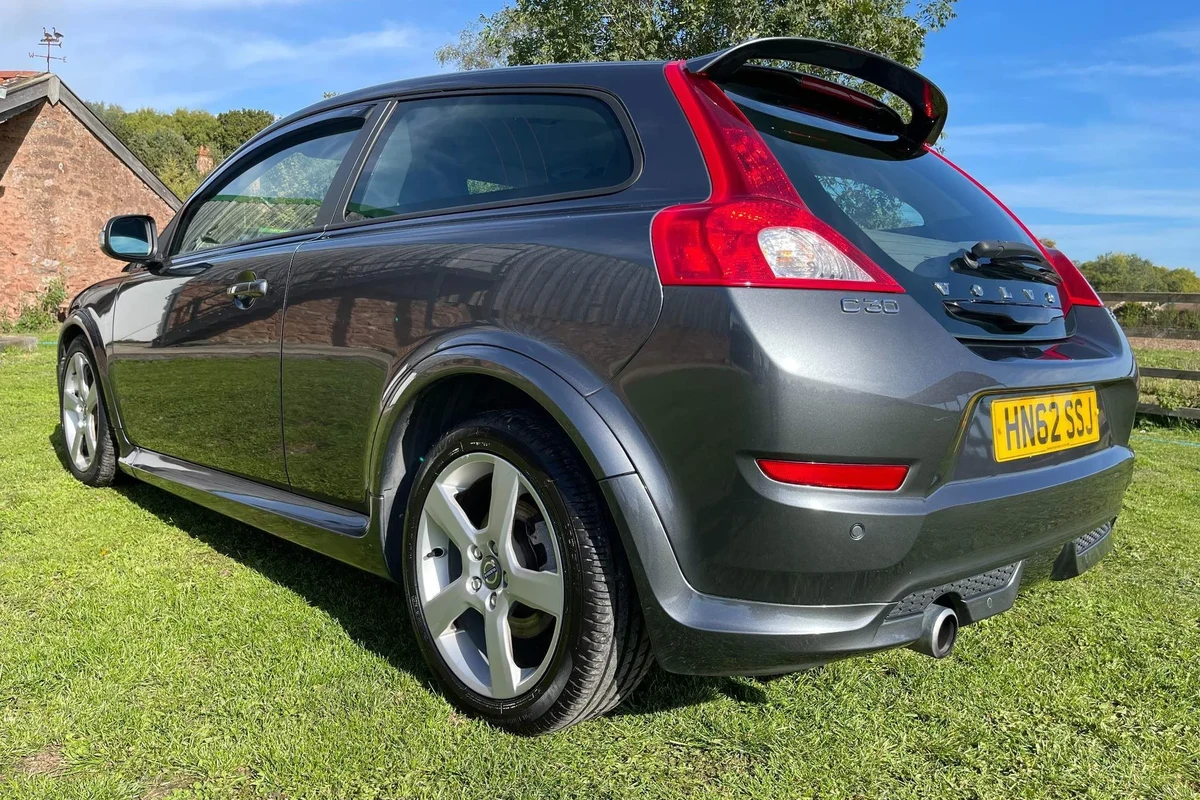
The R-Design comes with unique styling cues, such as a sportier front bumper, side skirts, and distinctive alloy wheels. Inside, it features sport seats and an upgraded sound system, making it more appealing for those who appreciate a refined driving environment. For related context, read volvo difference between t5 and t6.
- Exterior: R-Design includes sportier bumpers and unique badging.
- Interior: R-Design offers upgraded materials and sport seats.
- Color Options: R-Design typically has exclusive color options not available on the C30 2.0.
Before purchasing, check for any open recalls or safety campaigns related to your chosen model. Use the VIN-based recall lookup for accurate information.
Safety Ratings and Technology
Volvo is known for its commitment to safety, and both the C30 2.0 and R-Design uphold this reputation. However, there are slight differences in safety features and ratings that buyers should be aware of.
Safety Features and Ratings from IIHS and NHTSA
Both variants receive high marks from safety organizations, but the R-Design may include additional safety technology, like advanced driver assistance systems, that may not be standard on the base model. For official guidance on this, see NHTSA recall lookup by VIN.
Crash Test Ratings: Both models have received high safety ratings from IIHS and NHTSA. Safety Features: R-Design may include additional tech like lane departure warning. Standard Features: Both models have standard safety features such as multiple airbags and stability control. This also connects with best studded tires for volvo c30 before you pay, sign, or book.
Consider the factors that affect ownership costs, such as fuel efficiency and typical maintenance expenses, before making your choice.
Cost of Ownership: Price and Maintenance
When considering the difference between the C30 2.0 and R-Design, the cost of ownership is a vital factor. From purchase price to maintenance costs, understanding these elements will aid in making a decision.

Fuel Efficiency and Reliability Records
The C30 2.0 generally offers better fuel efficiency due to its smaller engine. However, the R-Design, while slightly less efficient, provides a more dynamic driving experience. For related context, read best battery for volvo c30.
- Fuel Economy: C30 2.0 averages around 22 mpg city and 30 mpg highway.
- R-Design Economy: R-Design averages about 19 mpg city and 28 mpg highway.
- Maintenance Costs: Both models have similar maintenance costs, but the R-Design may incur higher expenses due to its performance parts.
Best Fit Buyers: Which Model Suits You?
Identifying the right model depends on your lifestyle, driving preferences, and budget. Here’s a look at who might benefit most from each variant.
Target Audience for C30 2.0 vs. R-Design
The C30 2.0 is ideal for buyers looking for a reliable and economical hatchback for everyday use. Conversely, the R-Design appeals to those who want a sportier look and enhanced performance without sacrificing practicality.
C30 2.0: Best for daily commuters and budget-conscious buyers. R-Design: Ideal for driving enthusiasts and those valuing style. Considerations: Think about how often you drive and what features matter most. This area decision also connects with how to reset volvo c30 service light.
- Listen for engine noise during acceleration.
- Check the responsiveness of the steering and brakes.
- Inspect the interior quality and gauge visibility.
Difference Between Volvo C30 2.0 and R-Design
The Volvo C30 2.0 and R-Design differ significantly in performance, design, and intended use. The C30 2.0 offers standard performance suitable for daily driving, while the R-Design provides enhanced sport tuning and aggressive styling for those seeking a dynamic driving experience. For related context, read volvo maintenance schedule c30.
Your choice should reflect your driving habits and personal style preferences.
- Test drive both models to evaluate handling and acceleration differences.
- Inspect the interior materials and features unique to the R-Design.
- Consider fuel efficiency ratings based on your expected driving patterns.
This guide on difference between volvo c30 2.0 and r design is general information. Rules, fees, rents, salaries, service coverage, product details, and procedures can change, so confirm important points with the manufacturer, retailer, or official app documentation before acting.
Questions People Also Ask
The C30 2.0 features a 2.0L inline-four engine with 145 horsepower, while the R-Design is equipped with a more powerful 2.5L five-cylinder engine producing 227 horsepower. This performance difference makes the R-Design more suitable for driving enthusiasts seeking a sportier experience.
The C30 2.0 is designed for everyday driving, offering adequate handling for daily commutes. In contrast, the R-Design features sport-tuned suspension for improved cornering and a more engaging driving feel.
The R-Design includes sportier exterior elements like a unique front bumper, side skirts, and distinctive alloy wheels. Inside, it offers sport seats and upgraded materials, enhancing the overall aesthetic appeal.
The C30 2.0 averages around 22 mpg city and 30 mpg highway, making it more fuel-efficient due to its smaller engine. The R-Design, while providing a sportier drive, averages about 19 mpg city and 28 mpg highway, reflecting its performance-oriented focus.
While both models uphold Volvo’s high safety standards, the R-Design may come with advanced driver assistance systems that are not standard on the C30 2.0. Both variants, however, share essential safety features such as multiple airbags and stability control.
The C30 2.0 is ideal for daily commuters and budget-conscious buyers due to its economical performance and better fuel efficiency. The R-Design, on the other hand, is better suited for those who value style and sportier driving dynamics.
Wrapping Up
The difference between the Volvo C30 2.0 and R-Design boils down to performance, design, and intended use. While both models deliver on Volvo’s promise of quality, your choice should reflect your driving habits and personal style. You can also use volvo c30 scheduled maintenance as the next practical guide.
Author

💡 Evans Torres Tip: On every Volvo I have owned, I always keep a full digital service record from day one. When something goes wrong — and eventually something always does — having that history makes diagnosis faster and often saves money at the mechanic. Start your records today, even if the car is not new.