

The Volvo XC70 and XC90 are both popular models in the Volvo lineup, each catering to distinct buyer needs. The XC70, a midsize wagon, is known for its practicality and versatility, while the XC90 stands out as a spacious SUV with a focus on family comfort and advanced safety features.
The difference between a Volvo XC70 and an XC90 primarily lies in their size, design, and intended use. While the XC70 offers a flexible wagon experience, the XC90 provides a larger, family-friendly SUV option with advanced features.
- Understanding the XC70 and XC90: The Volvo XC70 and XC90 are both popular models in the Volvo lineup, each.
- Key Differences Between the Volvo: When comparing the Volvo XC70 and XC90, several key differences emerge, particularly in size.
- Powertrains and Performance: What Drives: The powertrain options available for the XC70 and XC90 vary significantly, impacting performance and.
- Safety Features: Comparing the XC70: Volvo is renowned for its commitment to safety, and both the XC70 and XC90.
- Running Costs: Fuel Economy and: Understanding the running costs associated with both models is vital for budget-conscious buyers..
Understanding the XC70 and XC90: A Quick Overview
The Volvo XC70 and XC90 are both popular models in the Volvo lineup, each catering to distinct buyer needs.
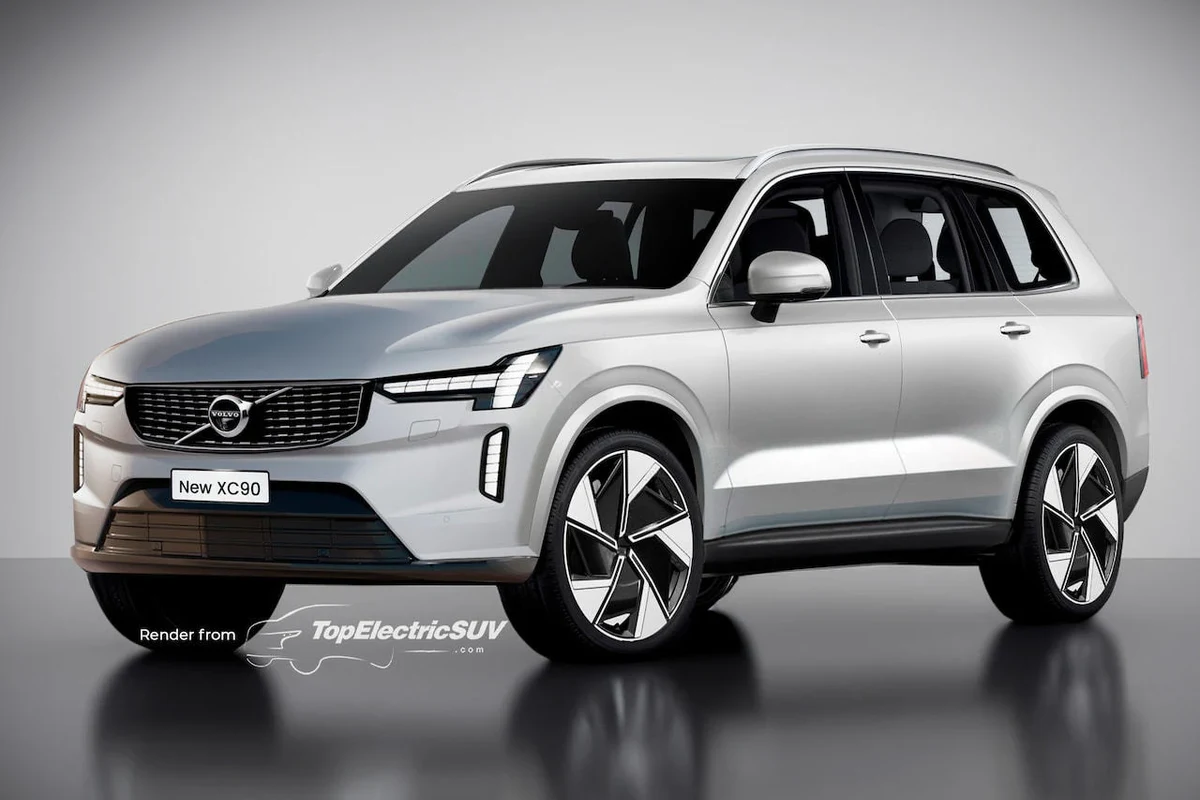
The XC70, a midsize wagon, is known for its practicality and versatility, while the XC90 stands out as a spacious SUV with a focus on family comfort and advanced safety features. For related context, read difference between 2025 and 2025 5 volvo xc90.
Understanding these differences is crucial for potential buyers when choosing between these two models.
| Model | Type | Key Features |
|---|---|---|
| Volvo XC70 | Midsize Wagon | Practicality, Versatility |
| Volvo XC90 | SUV | Spacious, Family Comfort, Advanced Safety Features |
Confirm the specific model year and trim for your XC70 or XC90, as dimensions and features can vary. Check the official Volvo website for exact specifications based on your VIN.
Key Differences Between the Volvo XC70 and XC90
When comparing the Volvo XC70 and XC90, several key differences emerge, particularly in size, design, and utility. These factors play a significant role in determining which model better suits specific buyer needs. For official guidance on this, see EPA fuel economy guide.
Size and Dimensions: Which One Fits You Best?
One of the most apparent differences between the XC70 and XC90 is their size. The XC70 measures approximately 182 inches in length, while the XC90 stretches to about 195 inches. This difference impacts cargo capacity, passenger space, and overall maneuverability. You can also use what is the difference between volvo group and volvo cars as the next practical guide.
- Volvo XC70: Offers a lower stance and wagon-like profile, making it easier to load and unload cargo.
- Volvo XC90: Features a higher ride height and a more commanding presence on the road, providing additional ground clearance.
- Cargo Space: The XC70 provides around 60.5 cubic feet of cargo space with the rear seats folded down, whereas the XC90 offers up to 85.7 cubic feet.
| Model | Length | Cargo Space |
|---|---|---|
| XC70 | 182 inches | 60.5 cubic feet |
| XC90 | 195 inches | 85.7 cubic feet |
Powertrains and Performance: What Drives Them?
The powertrain options available for the XC70 and XC90 vary significantly, impacting performance and driving experience. Understanding these differences can help buyers choose the right model based on their driving needs.
Volvo XC70: Typically equipped with a 2.5L five-cylinder turbocharged engine or a 3.2L six-cylinder engine, delivering adequate power for daily driving. Volvo XC90: Offers a wider range of engine options, including a turbocharged four-cylinder and a powerful T8 plug-in hybrid variant, making it suitable for various driving styles. Transmission: Both models come with an automatic transmission, but the XC90 features more advanced transmission technology, enhancing driving dynamics. For related context, read volvo difference between t5 and t6.
Before purchasing, verify any open recalls or safety concerns for your specific XC70 or XC90. Use your VIN on the official Volvo recall lookup tool.
Safety Features: Comparing the XC70 and XC90
Volvo is renowned for its commitment to safety, and both the XC70 and XC90 are equipped with a range of safety features. However, the XC90 often includes more advanced technology, reflecting its newer design and focus on family safety.
- XC70: Features standard safety systems, including multiple airbags, stability control, and anti-lock brakes.
- XC90: Equipped with advanced safety features such as Pilot Assist, City Safety, and a comprehensive suite of driver-assistance technologies.
Reliability Records: Which Model Holds Up Better?
When considering reliability, it’s essential to look at the historical performance of each model. Owner reports and reliability ratings can provide insight into the longevity and durability of the XC70 and XC90.
XC70: Generally regarded as reliable, with many owners reporting low maintenance costs over the years. XC90: Also has a solid reputation but may incur higher repair costs due to its advanced technology and features. You can also use how much is an oil change for a volvo xc90 as the next practical guide.
Compare like for like: the same model year range, comparable engine, and the equipment level you would really buy in your market.
Running Costs: Fuel Economy and Maintenance
Understanding the running costs associated with both models is vital for budget-conscious buyers. Fuel economy can significantly affect overall ownership costs over time. For related service checks, see how often does a volvo xc90 need an oil change.

- Fuel Economy: The XC70 typically offers better fuel efficiency, averaging around 24-30 mpg depending on the engine choice.
- XC90: The fuel economy varies widely, with the T8 hybrid offering the best efficiency, while the standard models average around 22-27 mpg.
- Maintenance Costs: The XC70 tends to have lower maintenance costs due to simpler mechanics, while the XC90 may require more expensive repairs due to its advanced systems.
Consider documenting the service history and verifying warranty status before purchasing either model. This can provide insights into potential future costs.
Best-Fit Buyers: Who Should Choose Each Model?
Identifying the ideal buyer for each model can help potential owners make an informed decision. Each vehicle caters to different lifestyles and needs. For official guidance on this, see Volvo Cars official website.
Volvo XC70: Best suited for individuals or families who prioritize versatility, prefer a lower ride height, and appreciate the practicality of a wagon. Volvo XC90: Ideal for larger families or those needing extra passenger space and advanced safety features, making it perfect for long road trips. You can also use does a 2006 volvo xc70 engine drop safety feature as the next practical guide.
Pros and Cons of the Volvo XC70 and XC90
Understanding the pros and cons of each model can assist buyers in weighing their options effectively. Here’s a balanced view of both vehicles. For related context, read where is the engine oil in a 2004 volvo xc70.
- XC70: Versatile cargo space and practicality.
- XC90: Advanced safety features and spacious interior.
XC70: Limited technology compared to newer models. XC90: Higher repair costs and complexity.
Families needing space and safety (XC90) or individuals valuing versatility (XC70).
XC70 (2008-2016) and XC90 (2003-present).
You need a compact vehicle or have budget considerations (XC70 may be better).
Key Differences Between the Volvo XC70 and XC90
The Volvo XC70 and XC90 cater to different needs: the XC70 is a flexible midsize wagon emphasizing practicality, while the XC90 is a spacious family-friendly SUV featuring advanced safety and comfort.
Buyers should consider their space requirements, driving preferences, and safety needs when choosing between these two distinct models. You can also use how to check engine oil in a 2004 volvo xc70 as the next practical guide.
- Assess your need for cargo space: XC70 offers 60.5 cubic feet, while XC90 provides 85.7 cubic feet.
- Consider the type of driving experience: XC70 is suited for versatility, XC90 for family comfort.
- Evaluate safety features: XC90 includes advanced technologies like Pilot Assist and City Safety.
This guide on difference between a volvo xc70 and an xc90 is general information. Rules, fees, rents, salaries, service coverage, product details, and procedures can change, so confirm important points with the manufacturer, retailer, or official app documentation before acting.
💡 Evans Torres Tip: On every Volvo I have owned, I always keep a full digital service record from day one. When something goes wrong — and eventually something always does — having that history makes diagnosis faster and often saves money at the mechanic. Start your records today, even if the car is not new.
Frequently Asked Questions
The Volvo XC70 measures approximately 182 inches in length, while the XC90 is about 195 inches long. This size difference affects cargo capacity, passenger space, and overall maneuverability of the vehicles.
The XC70 provides around 60.5 cubic feet of cargo space with the rear seats folded down, while the XC90 offers significantly more at up to 85.7 cubic feet. This makes the XC90 a better choice for buyers needing maximum storage capacity.
The XC70 typically comes with a 2.5L five-cylinder turbocharged engine or a 3.2L six-cylinder engine, providing adequate power for daily driving. In contrast, the XC90 offers a wider range of engine options, including a turbocharged four-cylinder and a T8 plug-in hybrid variant for varied driving styles.
While both models are equipped with standard safety systems, the XC90 includes advanced features like Pilot Assist and City Safety, reflecting its newer design. These enhancements make it a more family-friendly option focused on comprehensive safety.
The XC70 generally has lower maintenance costs due to its simpler mechanics, making it more budget-friendly over time. On the other hand, the XC90 may incur higher repair costs because of its advanced technology and features.
The XC70 is ideal for individuals or families who prioritize versatility and practicality in a lower ride height vehicle. Conversely, the XC90 is best for larger families needing extra passenger space and advanced safety features for long trips.
Closing Thoughts
Choosing between the Volvo XC70 and XC90 ultimately depends on individual needs. The XC70 is ideal for buyers seeking a reliable wagon with ample cargo space, while the XC90 suits those looking for a spacious, family-oriented SUV with advanced safety features.
Assess your priorities and consider your driving lifestyle before making a decision.
