


The Volvo 240 and 740 are two iconic models that have etched their place in automotive history. Both cars are celebrated for their design, reliability, and safety features, yet they cater to different preferences and driving needs.
When exploring the volvo 240 vs 740, car enthusiasts often compare these two classic models to understand their unique offerings. While both are renowned for their solid design and safety features, they cater to distinct driving experiences and preferences.
This comparison will look at their specifications, performance, and timeless appeal.
- Criteria That Matter in the: When comparing the Volvo 240 and 740, several criteria are essential for a thorough.
- Volvo 240 vs 740 Side-by-side: To better understand how the Volvo 240 and 740 stack up against each other.
- Comparing Size and Design: The Volvo 240 is known for its boxy, classic design, which has become synonymous.
- Powertrain Options: Performance and Efficiency: The engine specifications play a crucial role in determining the performance of both models..
- Safety Features: A Legacy of: Both the Volvo 240 and 740 have been recognized for their safety features, which.
Volvo 240 vs 740: A Comprehensive Comparison for Classic Car Enthusiasts

Criteria That Matter in the Volvo 240 vs 740 Comparison
When comparing the Volvo 240 and 740, several criteria are essential for a thorough evaluation. These include size and design, powertrain options, safety features, running costs, reliability records, maintenance needs, and resale value.
Understanding these elements will help potential buyers and enthusiasts make informed decisions.
Key Criteria for Evaluating the Volvo 240 vs 740
When deciding between the Volvo 240 and 740, understanding the essential criteria can help streamline your evaluation process. For another location comparison, read best car battery for volvo 740.
- Size and Design: Consider the compact dimensions of the Volvo 240 versus the more spacious layout of the Volvo 740.
- Powertrain Options: Evaluate the engine choices available for each model, including the turbocharged options offered by the Volvo 740.
- Safety Features: Assess the safety technologies present in both models, such as crumple zones in the Volvo 240 and anti-lock brakes in the Volvo 740.
- Running Costs: Analyze potential maintenance costs and fuel economy for both vehicles, noting the 240’s generally lower expenses.
- Reliability Record: Review the historical reliability of both models, with the Volvo 240 often recognized for its durability.
Volvo 240 vs 740 Side-by-side Differences
To better understand how the Volvo 240 and 740 stack up against each other, let’s take a closer look at their specifications and features.
| Model | Years Produced | Engine Options | Dimensions (L x W x H) | Safety Features | Fuel Economy (City/Highway) |
|---|---|---|---|---|---|
| Volvo 240 | 1974-1993 | 2.0L I4, 2.3L I4, 2.4L I5 | 180.3 x 66.9 x 55.0 inches | Airbags (from 1992), crumple zones | 20/28 MPG |
| Volvo 740 | 1984-1992 | 2.3L I4, 2.3L Turbo I4, 2.4L I5 | 184.3 x 68.1 x 54.5 inches | Airbags, anti-lock brakes | 19/26 MPG |
Both models have a rich history of reliability and safety. However, their differences in size, powertrain options, and fuel economy can significantly influence a buyer’s choice. This area decision also connects with best car battery for volvo 740 2.
Consider how the engine type and maintenance history can affect the long-term costs of owning either model. Document service history and verify the condition of wear items before committing to a purchase.
Comparing Size and Design
The Volvo 240 is known for its boxy, classic design, which has become synonymous with the brand. It’s slightly smaller than the 740, making it more suitable for urban driving and tight spaces.
On the other hand, the Volvo 740 offers a more modern appearance with a slightly elongated body, providing additional cabin space and a more spacious trunk.
The design of the 740 often appeals to those looking for a more contemporary aesthetic while still embracing the classic Volvo look. Both vehicles maintain the signature Volvo safety features, such as crumple zones and solid construction. For related context, read volvo 740 wagon car cover.
Powertrain Options: Performance and Efficiency
The engine specifications play a crucial role in determining the performance of both models.
The Volvo 240 features engine options ranging from a 2.0L I4 to a 2.4L I5, providing a balanced performance for daily driving. The 240 is often praised for its reliability and ease of maintenance, making it a favorite among classic car enthusiasts.
Conversely, the Volvo 740 offers turbocharged options, such as the 2.3L Turbo I4, which delivers a more spirited driving experience.
The turbo variant gives the 740 an edge in terms of power, making it more suitable for those looking for a performance-oriented classic. For official guidance on this, see Consumer Reports car guidance.
In terms of fuel economy, the 240 typically offers slightly better ratings compared to the 740, making it a more economical choice for daily driving. You can also use jump start a car with a volvo step by step guides free as the next practical guide.
Classic car enthusiasts seeking reliability and ease of maintenance.
Volvo 240 (1974-1993) and Volvo 740 (1984-1992).
You prefer more modern features or higher performance.
Safety Features: A Legacy of Protection
Both the Volvo 240 and 740 have been recognized for their safety features, which were advanced for their time. The 240 introduced features like crumple zones and, from 1992 onwards, airbags. The 740 included anti-lock brakes and airbags, enhancing its safety profile.
While both cars are built with safety in mind, the 740’s additional features may appeal to those prioritizing modern safety technologies.
The legacy of Volvo’s commitment to safety is evident in both models, making them attractive options for buyers concerned about passenger protection. For related risk checks, compare this with best car battery charger for volvo car.
Running Costs and Maintenance Needs
The running costs of the Volvo 240 and 740 can vary based on factors such as engine choice, maintenance history, and driving style.
Generally, the 240 tends to have lower maintenance costs, as it is simpler in design and has more readily available parts.
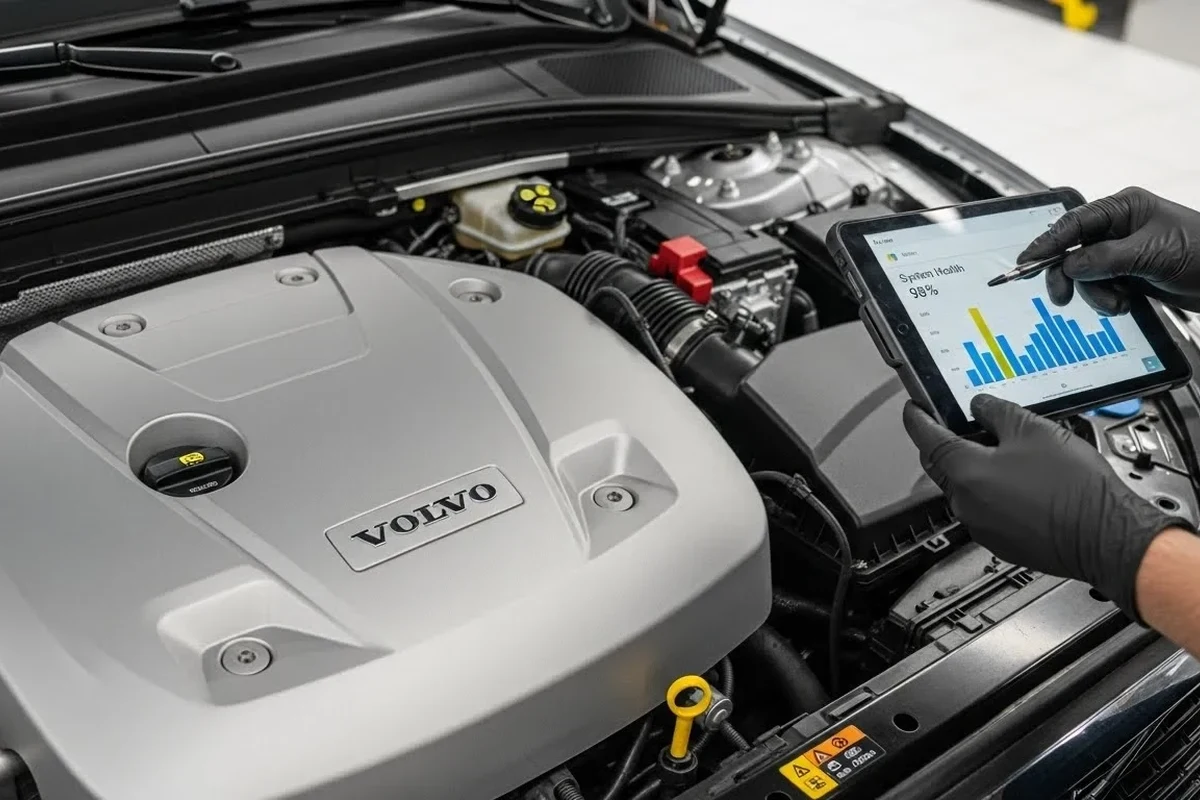
Both models have a reputation for reliability, but the 740’s turbocharged engines may require more frequent maintenance and care, particularly concerning the turbo system.
Owners should consider their mechanical skill level or willingness to invest in maintenance when choosing between these two models. Use car accessories for volvo 2023 xc90 to compare scope, quotes, and provider questions.
The Volvo 240 was one of the first cars to incorporate crumple zones, making it a pioneer in automotive safety.
Reliability Record and Resale Value
For reliability, both the Volvo 240 and 740 have garnered strong reputations. The 240 is often viewed as one of the most reliable Volvo models, known for its longevity and durability.
Its simplicity allows for easier repairs and a lower likelihood of major issues.
The 740, while also reliable, may not hold up as well over time compared to the 240 due to its more complex systems. However, it often fetches higher resale values, particularly the turbo models, due to their performance capabilities and modern features.
For buyers looking to invest in a classic car, the 240 offers solid reliability, while the 740 may provide a better return on investment if maintained well. For related context, read volvo xc60 accessories for car fob green.
Who Each Volvo 240 vs 740 Option Fits Best
Choosing between the Volvo 240 and 740 largely depends on the buyer’s preferences and needs.
The Volvo 240 is ideal for those who appreciate classic styling, simplicity, and reliability. It’s a great option for first-time classic car buyers or individuals looking for a dependable daily driver.
On the other hand, the Volvo 740 is better suited for those who want a blend of classic design with modern performance. For official guidance on this, see EPA fuel economy guide.
Its turbocharged engine options appeal to enthusiasts seeking a more spirited drive, while the additional cabin space is a plus for families or those needing extra cargo capacity. This area decision also connects with pink car accessories for volvo xc60.
Before making your decision, confirm the specific model year, trim, and features available in your market to ensure you find the right fit for your needs.
Common Mistakes in the Volvo 240 vs 740 Comparison
When comparing the Volvo 240 and 740, potential buyers might overlook certain critical factors. One common mistake is focusing solely on aesthetics. While both models have distinct looks, the decision should also consider reliability, maintenance needs, and driving experience.
Another mistake is neglecting to check the vehicle history or maintenance records. Understanding how well the car has been cared for can significantly impact its future reliability and performance.
Lastly, some buyers may assume that all turbocharged vehicles are inherently better. While the 740’s turbo models offer increased power, they may also come with additional maintenance challenges that require attention.
The Practical Verdict on Volvo 240 vs 740
Both the Volvo 240 and 740 have their strengths and weaknesses. The Volvo 240 is an excellent choice for those who value reliability, ease of maintenance, and a classic driving experience.
Its solid reputation for safety and durability makes it a favorite among enthusiasts.
Conversely, the Volvo 740 offers a more modern experience with additional performance options, making it suitable for those who want a blend of classic design and spirited driving.
Its turbocharged engines provide a unique appeal, particularly for those seeking a more dynamic driving experience.
Ultimately, the choice between the Volvo 240 and 740 will depend on personal preferences, intended use, and budget considerations.
This guide on volvo 240 vs 740 is general information. Rules, fees, rents, salaries, service coverage, product details, and procedures can change, so confirm important points with the manufacturer, retailer, or official app documentation before acting.
A Few More Questions
The Volvo 240 offers engine options ranging from a 2.0L I4 to a 2.4L I5, while the 740 includes a 2.3L I4, a 2.3L Turbo I4, and a 2.4L I5. The turbocharged option in the 740 provides a more spirited driving experience compared to the 240.
The Volvo 240 typically achieves better fuel economy, rated at 20 MPG city and 28 MPG highway. In contrast, the Volvo 740 has slightly lower ratings at 19 MPG city and 26 MPG highway.
The Volvo 240 features crumple zones and, from 1992, airbags, while the Volvo 740 includes both airbags and anti-lock brakes. Both models are recognized for their advanced safety features for their time, appealing to buyers concerned about passenger protection.
Generally, the Volvo 240 has lower maintenance costs due to its simpler design and readily available parts. The 740’s turbocharged engines may require more frequent maintenance, particularly concerning the turbo system.
The Volvo 240 is often viewed as one of the most reliable Volvo models, known for its longevity and durability. While the 740 is also reliable, it may not hold up as well over time due to its more complex systems.
One common mistake is focusing solely on aesthetics without considering reliability, maintenance needs, and driving experience. Also, buyers may overlook the importance of checking the vehicle history or maintenance records, which can significantly impact future reliability and performance.
The Bottom Line
The comparison of the Volvo 240 and 740 reveals two distinct yet equally appealing classic cars. Each model brings its own strengths to the table, making them worthy options for different types of buyers.
Whether you prioritize reliability, performance, or design, understanding their differences can help you make an informed choice. Both models represent the enduring legacy of Volvo’s commitment to safety, durability, and style.
Author

💡 Evans Torres Tip: On every Volvo I have owned, I always keep a full digital service record from day one. When something goes wrong — and eventually something always does — having that history makes diagnosis faster and often saves money at the mechanic. Start your records today, even if the car is not new.