


Instrument clusters integrate various gauges and indicators to provide real-time data about the truck’s status. In addition to the speedometer and tachometer, they may include displays for fuel consumption, battery voltage, and other vital statistics.
Volvo truck instrument cluster problems can manifest in various ways, affecting both functionality and safety. Understanding the symptoms and troubleshooting steps can help you maintain your truck’s performance and ensure a reliable driving experience.
- Understanding Volvo Truck Instrument Clusters: The instrument cluster in Volvo trucks serves as the primary interface for drivers to.
- Common Instrument Cluster Problems in: Despite their solid design, instrument clusters in Volvo trucks can experience issues that may.
- Troubleshooting Instrument Cluster Problems: Addressing instrument cluster issues often requires systematic troubleshooting to identify and rectify the underlying.
- Diagnostic Tools for Volvo Truck: Using the right diagnostic tools can significantly streamline the troubleshooting process and provide accurate.
- Differences Across Volvo Truck Models: Instrument clusters can vary significantly across different Volvo truck models, affecting both functionality and.
Understanding Volvo Truck Instrument Clusters
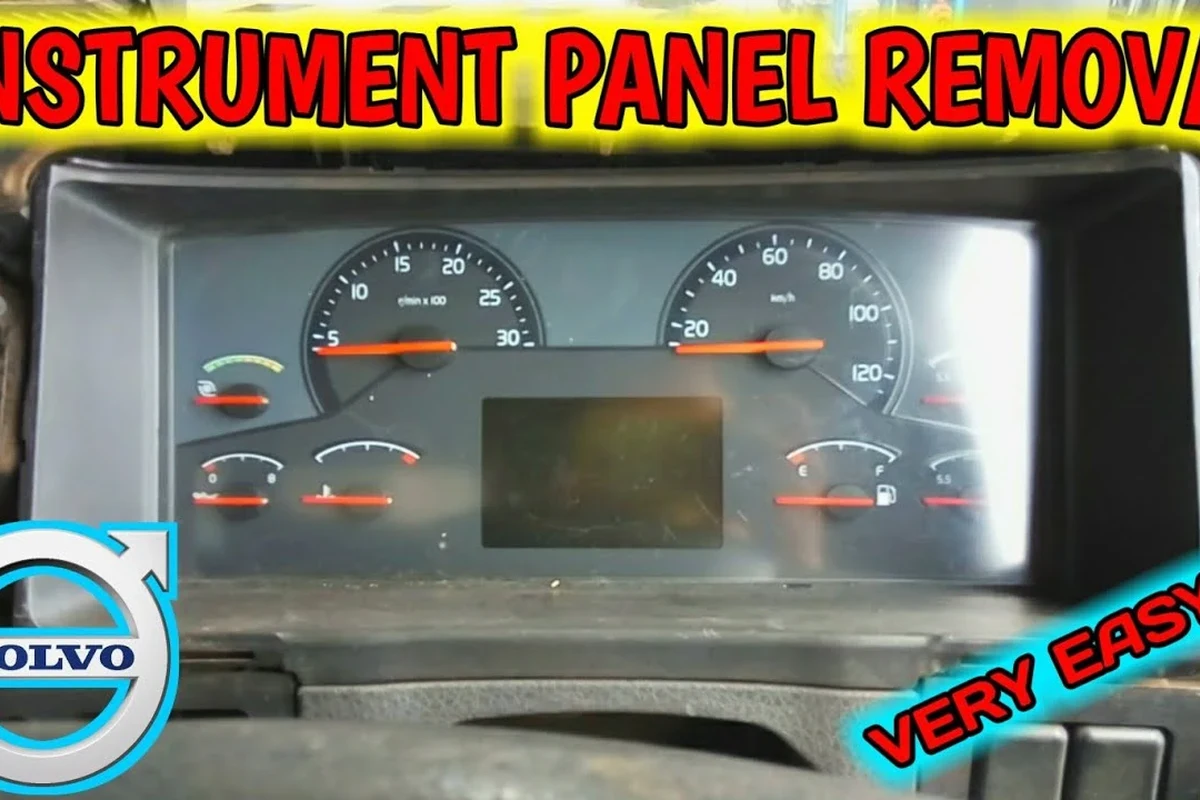
The instrument cluster in Volvo trucks serves as the primary interface for drivers to monitor vehicle performance and diagnostics. It displays critical information such as speed, fuel level, engine temperature, and warning lights, all essential for safe operation.
What is an Instrument Cluster and Its Role in Volvo Trucks?
Instrument clusters integrate various gauges and indicators to provide real-time data about the truck’s status. In addition to the speedometer and tachometer, they may include displays for fuel consumption, battery voltage, and other vital statistics. For related context, read how to reset service light on volvo v60.
The reliability of these instruments is crucial for fleet management and driver safety.
Always check for warning lights and gauge functionality before driving. If issues persist, consult your authorized Volvo dealer for diagnostics.
Common Instrument Cluster Problems in Volvo Trucks
Despite their solid design, instrument clusters in Volvo trucks can experience issues that may hinder their performance. It’s essential for drivers and fleet managers to recognize these common problems early. You can also use reset volvo xc60 maintenance light as the next practical guide.
Identifying Symptoms of Instrument Cluster Issues
Common signs of instrument cluster problems include:
- Erratic gauge readings, such as fluctuating speed or fuel levels.
- Warning lights that remain illuminated despite no apparent issue.
- Complete failure of the cluster, rendering all displays inactive.
- Intermittent functionality, where the cluster works sporadically.
Troubleshooting Instrument Cluster Problems
Addressing instrument cluster issues often requires systematic troubleshooting to identify and rectify the underlying cause. Here’s a step-by-step approach to diagnosing these problems. For related context, read volvo s60 maintenance light reset.
Step-by-Step Troubleshooting Process
- Visual Inspection
Check the instrument cluster for obvious signs of damage, such as cracks or moisture buildup.
- Electrical Connections
Inspect wiring and connectors behind the cluster for corrosion or loose connections.
- Fuse Check
Examine the fuses related to the instrument cluster for any blown fuses that may impede functionality.
- Software Update
Ensure that the truck’s software is up to date, as outdated software can lead to erroneous readings.
- Diagnostic Scan
Use a diagnostic tool to read any trouble codes that may indicate specific issues with the cluster. For official guidance on this, see Volvo Cars official website.
This guide on volvo truck instrument cluster problems covers a Volvo Group product line, which is separate from Volvo passenger cars in specifications, service, and sales channels.
Diagnostic Tools for Volvo Truck Instrument Clusters
Using the right diagnostic tools can significantly streamline the troubleshooting process and provide accurate insights into the instrument cluster’s performance.
Recommended Tools and Techniques for Accurate Diagnostics
Essential tools include:
OBD-II Scanner: For reading and clearing trouble codes. Multimeter: To check electrical connections and voltage levels. Diagnostic Software: Specific to Volvo trucks for in-depth analysis of the instrument cluster. You can also use volvo s60 replace headlight bulb as the next practical guide.
Volvo specifications, features, and equipment can differ by model year, market, and trim, so a detail that is true for one car may not apply to another.
Differences Across Volvo Truck Models
Instrument clusters can vary significantly across different Volvo truck models, affecting both functionality and features.
How Instrument Clusters Vary by Model and Year
Models such as the Volvo FH, FM, and VNL may have distinct instrument cluster designs and functionalities. It’s crucial to refer to the specific service manual for your truck model to understand the variations and any model-specific issues. For related context, read volvo s60 light bulb replacement.
💡 Evans Torres Tip: Ask the dealer for uptime and service-interval data for your actual duty cycle; a spec sheet describes the machine, but your routes decide the running costs.
Maintenance Tips to Prevent Instrument Cluster Issues
Proper maintenance of the instrument cluster can help prevent many common issues and extend its lifespan. Use volvo s60 service light reset to compare scope, quotes, and provider questions.
Best Practices for Maintaining Your Volvo Truck’s Instrument Cluster
To ensure optimal performance, consider the following maintenance tips:
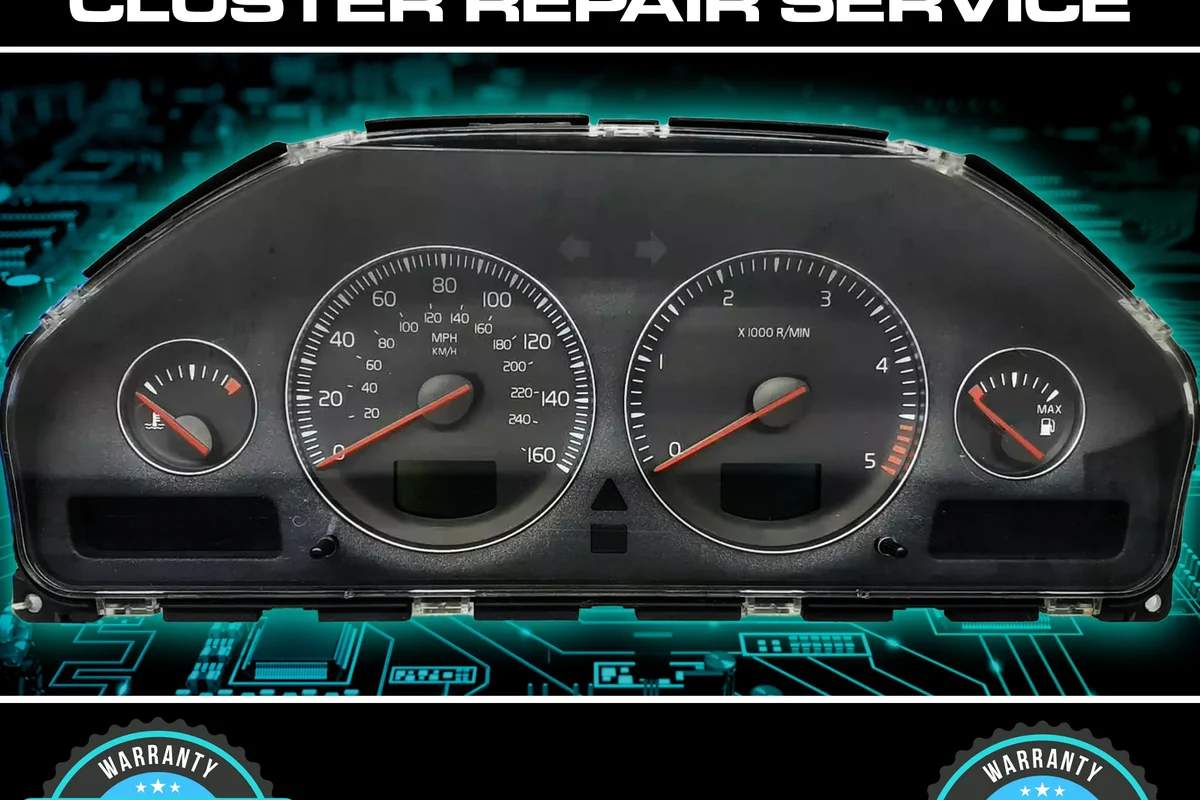
- Regularly clean the dashboard and instrument cluster to prevent dust buildup.
- Periodically check electrical connections for corrosion or wear.
- Schedule routine software updates at your Volvo dealership.
- Monitor and maintain battery voltage to prevent electrical issues.
When to Seek Help from Authorized Dealers
While some problems can be diagnosed and fixed by yourself, others require professional intervention to ensure safety and reliability.
Understanding the Importance of Professional Assistance
For persistent issues or complex problems, consulting with authorized Volvo dealers is crucial. They have access to specialized tools and the latest service bulletins that can aid in accurate diagnostics and repairs.
Do not assume a car-based rule of thumb applies to a truck, bus, or machine; the specification and service rules are different.
Conclusion: Ensuring Your Volvo Truck’s Instrument Cluster Stays Functional
Understanding the common issues, symptoms, and troubleshooting techniques for Volvo truck instrument clusters is essential for maintaining your vehicle’s reliability. Regular maintenance and timely diagnostics can prevent minor problems from escalating into significant repairs. For official guidance on this, see EPA fuel economy guide.
Troubleshooting Volvo Truck Instrument Cluster Problems
To effectively troubleshoot instrument cluster problems in Volvo trucks, drivers should be vigilant about identifying symptoms and conducting a systematic inspection. Common issues include erratic gauge readings and persistent warning lights.
Addressing these problems early through visual checks, electrical inspections, and software updates can help maintain the truck’s functionality and safety.
Perform a visual inspection for damage or moisture buildup on the instrument cluster. Inspect wiring and connectors behind the cluster for corrosion or loose connections. Ensure the truck’s software is up to date to avoid erroneous readings.
This guide on volvo truck instrument cluster problems is general information. Rules, fees, rents, salaries, service coverage, product details, and procedures can change, so confirm important points with the manufacturer, retailer, or official app documentation before acting.
Questions Worth Asking
Common symptoms include erratic gauge readings, warning lights that remain illuminated without a clear issue, complete failure of the cluster, and intermittent functionality. Recognizing these signs early can help in maintaining the truck’s performance and safety.
The first step is a visual inspection to check for obvious signs of damage, such as cracks or moisture buildup on the instrument cluster. This initial assessment can help identify visible problems that need to be addressed.
Corrosion or loose connections in the wiring behind the instrument cluster can significantly impair its functionality. Inspecting these connections is vital to ensure that the cluster receives proper electrical signals.
Checking the fuses is crucial because blown fuses can impede the functionality of the instrument cluster, leading to inaccurate readings or complete failure. If a fuse is found to be blown, replacing it may resolve the issue.
Recommended diagnostic tools include an OBD-II scanner for reading trouble codes, a multimeter for checking electrical connections, and specific diagnostic software for in-depth analysis. Using the right tools can streamline the troubleshooting process and lead to accurate insights.
You should consult an authorized Volvo dealer for persistent issues or complex problems that require professional intervention. They have access to specialized tools and the latest service bulletins that can aid in accurate diagnostics and repairs.
The Bottom Line
Being proactive about instrument cluster issues can enhance your driving experience and ensure the safety of your Volvo truck. Regular checks and awareness of symptoms will keep your truck running smoothly.
