


Fuel costs can significantly impact your overall vehicle ownership experience. For Volvo owners, the cost per 100 miles depends on various factors, including the model, engine type, and driving conditions.
Understanding the Volvo fuel cost per 100 miles is essential for drivers looking to budget their expenses. This article explores how fuel costs vary by model, driving habits, and maintenance practices, helping you make informed decisions for your Volvo.
- Understanding Volvo Fuel Costs: What: Fuel costs can significantly impact your overall vehicle ownership experience..
- How Fuel Costs Vary Across: Different Volvo models have distinct fuel efficiency ratings, leading to varied costs per 100.
- Factors Affecting Fuel Costs in: Several factors can influence the fuel costs incurred while driving a Volvo..
- Practical Tips to Decrease Your: Reducing fuel expenses is attainable through various strategies that involve both maintenance and driving.
- Aftermarket Options for Enhanced Fuel: Exploring aftermarket parts may provide additional savings on fuel costs for your Volvo..
Understanding Volvo Fuel Costs: What to Expect per 100 Miles
Fuel costs can significantly impact your overall vehicle ownership experience. For Volvo owners, the cost per 100 miles depends on various factors, including the model, engine type, and driving conditions. This section outlines what to expect regarding fuel consumption and expenses. For related context, read volvo xc60 fuel pump replacement cost.
How Fuel Costs Vary Across Different Volvo Models
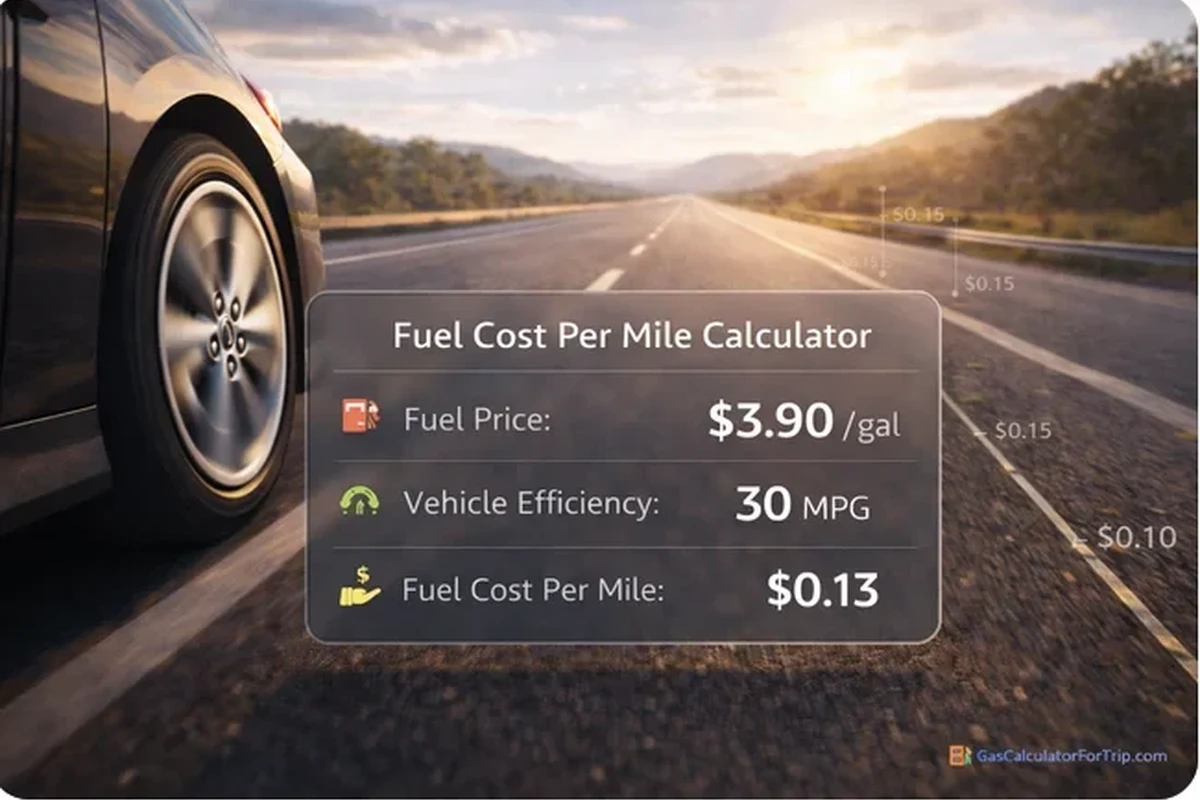
Different Volvo models have distinct fuel efficiency ratings, leading to varied costs per 100 miles. Understanding these differences can help you evaluate the most economical choice for your driving needs.
Fuel Efficiency Ratings by Model and Year
Fuel efficiency ratings, measured in miles per gallon (MPG) or liters per 100 kilometers (L/100 km), differ across Volvo models. For instance:
- The Volvo XC60 typically achieves around 24 MPG combined, translating to approximately $12-$15 per 100 miles, depending on current fuel prices.
- The Volvo S60 may offer around 26 MPG combined, costing roughly $11-$14 per 100 miles under similar conditions.
- Hybrid models like the XC60 Recharge often see improved efficiency, averaging 70 MPGe (miles per gallon equivalent), leading to much lower fuel costs per 100 miles.
To understand the specific costs for your model, refer to the owner’s manual or Volvo’s official specifications. You can also use volvo s90 brake pad replacement cost calculator as the next practical guide.
Document your service history and confirm warranty status before making any modifications to your vehicle.
Factors Affecting Fuel Costs in Volvos
Several factors can influence the fuel costs incurred while driving a Volvo. Recognizing these can help you manage expenses more effectively.
Engine Types: Gasoline, Hybrid, and Electric
Volvo offers various engine types, each with unique fuel consumption characteristics:
Gasoline Engines: Traditional gasoline engines typically provide solid performance but less fuel efficiency compared to hybrids or EVs. Hybrid Engines: Models like the Volvo XC90 Recharge combine gasoline and electric power, improving fuel efficiency significantly. Electric Vehicles (EVs): The Volvo EX30 and similar models incur negligible fuel costs per 100 miles since they rely on electricity. For official guidance on this, see Volvo Cars official website.
Driving Conditions and Their Impact on Fuel Efficiency
Your driving environment matters for fuel consumption. City driving often leads to higher fuel costs due to frequent stops and starts, while highway driving typically offers better mileage. For instance: For related context, read volvo v90 brake pad replacement cost calculator.
- In urban settings, fuel costs can increase by 15-25% compared to highway driving.
- Maintaining a steady speed and avoiding aggressive acceleration can improve overall efficiency.
Verify your vehicle’s recall status and safety features through the official Volvo support page using your VIN.
Practical Tips to Decrease Your Fuel Costs
Reducing fuel expenses is attainable through various strategies that involve both maintenance and driving habits. Below are effective methods to help you save.
Maintenance Practices for Optimal Fuel Efficiency
Regular maintenance can significantly enhance your Volvo’s fuel efficiency. Consider the following tips:
Keep your tires properly inflated; under-inflated tires can decrease fuel efficiency by up to 3%. Schedule routine engine checks, including air filter replacements, which can improve airflow and fuel economy. Use quality fuel and keep your fuel system clean to ensure optimal performance.
Driving Habits That Save Fuel
Your driving style can also impact fuel costs. Implementing these habits can lead to savings: You can also use volvo v60 brake pad replacement cost calculator as the next practical guide.
- Avoid rapid acceleration and hard braking to enhance fuel efficiency.
- Use cruise control on highways to maintain a steady speed.
- Plan routes to avoid congested areas, reducing the need for frequent stops.
Aftermarket Options for Enhanced Fuel Savings
Exploring aftermarket parts may provide additional savings on fuel costs for your Volvo. However, it’s essential to weigh the benefits against potential drawbacks.
Evaluating Genuine vs. Aftermarket Parts
While genuine Volvo parts are designed to fit and function perfectly, aftermarket options can sometimes offer cost savings. Consider these factors: For official guidance on this, see EPA fuel economy guide.
Genuine parts often come with a warranty and have proven reliability. Aftermarket parts may be less expensive but can vary in quality; ensure they meet OEM standards. For another location comparison, read volvo xc90 brake pad replacement cost calculator.
Always confirm compatibility with your specific model and year before purchasing any parts.
- Regularly check tire pressure.
- Keep your engine tuned for optimal performance.
- Use the correct grade of oil for your model.
Regional Fuel Price Variations and Their Impact on Costs
Fuel prices can vary greatly depending on your location, further influencing your Volvo’s operating costs. Understanding these variations is crucial for budgeting. You can also use volvo s60 brake pad replacement cost calculator as the next practical guide.
How Local Prices Affect Your Overall Fuel Expenses
Fuel prices fluctuate based on local market conditions. For example:
- Urban areas may experience higher fuel prices due to demand, while rural areas might offer lower rates.
- Seasonal changes can also affect fuel costs; prices often rise during summer travel months.
Monitoring local fuel prices can help you plan your fuel purchases effectively.
Confirm your model year and engine type to accurately assess fuel costs and efficiency ratings.
Final Thoughts on Managing Fuel Costs with Volvo Vehicles
Understanding the Volvo fuel cost per 100 miles allows you to make informed decisions about your driving habits and vehicle maintenance. By considering the factors outlined in this article, you can effectively manage and reduce your fuel expenses. For related context, read volvo xc60 brake pad replacement cost calculator.
Understanding Volvo Fuel Cost per 100 Miles
To effectively manage your fuel expenses with a Volvo, consider the model’s fuel efficiency, engine type, and your driving habits. For instance, the Volvo XC60 generally costs around $12-$15 per 100 miles, while hybrid models can significantly lower this expense.
Regular maintenance and mindful driving can further enhance fuel efficiency and reduce costs.
Keep your tires properly inflated to improve fuel efficiency. Schedule routine engine checks and maintain clean fuel systems. Avoid rapid acceleration and use cruise control on highways. You can also use volvo xc40 brake pad replacement cost calculator as the next practical guide.
This guide on Volvo fuel cost per 100 miles is general information. Rules, fees, rents, salaries, service coverage, product details, and procedures can change, so confirm important points with the manufacturer, retailer, or official app documentation before acting.
Questions Worth Asking
Different Volvo models have distinct fuel efficiency ratings, which result in varied costs per 100 miles. For example, the XC60 averages $12-$15 per 100 miles, while the S60 may cost roughly $11-$14 under similar conditions.
Regular maintenance such as keeping tires properly inflated and scheduling routine engine checks can significantly improve fuel efficiency. Also, using quality fuel and maintaining a clean fuel system is essential for optimal performance.
Your driving style, including avoiding rapid acceleration and maintaining a steady speed, can greatly impact fuel costs. Implementing habits like using cruise control on highways and planning routes to avoid congestion will help save fuel.
When considering aftermarket parts, assess their compatibility with your specific model and ensure they meet OEM standards for quality. While genuine Volvo parts offer reliability and warranty, aftermarket options may provide cost savings but vary in performance.
Driving conditions significantly impact fuel consumption, with city driving often leading to 15-25% higher costs compared to highway driving. Maintaining a steady speed and avoiding aggressive driving can enhance overall fuel efficiency.
Local fuel prices fluctuate based on market conditions, affecting your overall fuel expenses. Urban areas may have higher prices due to demand, so monitoring these prices can help you strategically plan your fuel purchases.
Putting It All Together
Understanding the Volvo fuel cost per 100 miles is essential for drivers looking to budget their expenses. This article explores how fuel costs vary by model, driving habits, and maintenance practices, helping you make informed decisions for your Volvo.
Author

💡 Evans Torres Tip: On every Volvo I have owned, I always keep a full digital service record from day one. When something goes wrong — and eventually something always does — having that history makes diagnosis faster and often saves money at the mechanic. Start your records today, even if the car is not new.