


2007 Volvo D11 engine problems most often come from EGR/DPF soot buildup, a sticking VGT turbo actuator, or clogged pressure-sensor lines. Start with a parked regen, inspect the DPF differential-pressure hoses for soot or cracks, check coolant level for EGR cooler leaks, and scan for codes. If the truck is in reduced power (derate) or regens repeatedly, plan a professional diagnosis — continued driving can overheat the aftertreatment and raise repair costs fast.
Frequent regens, a sudden “Reduced Engine Performance” message, or new white smoke on a 2007 D11 point straight at early-emissions hardware: EGR, DPF, and the variable-geometry (VGT) turbo. That year runs EGR + DPF (no DEF/SCR yet), so soot and heat management decide whether the day goes smoothly or ends in a tow. Quick owner checks can confirm a clogged sensor hose or boost leak, while a parked regen may buy time to reach a shop. Below you’ll find the exact symptoms, the most likely causes ranked by probability, step-by-step home diagnostics, realistic repair costs, and prevention habits that extend D11 uptime. This connects closely with Volvo S40 2007 maintenance schedule if you want to compare the topic in more detail.
- Main point: Most 2007 D11 issues involve EGR/DPF soot or a VGT turbo that can’t adjust boost.
- Best first step: Perform a parked regen and inspect DPF differential-pressure hoses for cracks/soot blockage.
- Cost or value: DPF clean $300–$600; EGR cooler $1,300–$2,800; VGT turbo $3,000–$5,500 installed.
- Who it suits: Owner-operators and fleet managers wanting fast diagnosis and practical fixes.
- When to get help: Persistent derate, rapid coolant loss, or failed regens — book a qualified Volvo technician.
Needs fast checks to keep a 2007 D11 out of derate and on schedule, plus real repair cost expectations. For related context, you may also want to read Volvo S60 2007 maintenance schedule.
Wants patterns across trucks (EGR/DPF/VGT) and service actions that prevent repeat failures.
Comfortable with basic inspections (hoses, sensors, clamps) before handing it to a shop.
What 2007 D11 Engine Problems Usually Mean on the Road
A 2007 D11 acting up is almost always telling you the emissions system can’t move or manage soot/heat properly. Expect the ECM to protect itself with reduced power if the DPF can’t flow, the EGR valve sticks, or the turbo vanes seize. In practical terms, you’ll see frequent regens, sluggish pull, and a check engine light. It’s generally safe to limp to a safe spot, but sustained derate or high EGTs risk catalyst damage — expensive and avoidable if you stop early and address the fault. You can also use Volvo d6 370 engine maintenance schedule as a helpful next guide on the same ownership topic.

If coolant drops quickly or white smoke increases under load, suspect an EGR cooler leak. Park immediately. Coolant entering the exhaust can damage the DPF/DOC and may escalate to severe internal damage.
Software faults on these early emissions systems are less common than physical soot, leaks, or actuator issues. That said, an ECM update can stabilize idle after EGR or turbo work — a shop with Volvo PTT can confirm.
Specific Symptoms That Point to 2007 D11 Trouble
Different symptoms narrow the root cause on a 2007 D11. Pay attention to when the problem occurs (cold start, hill pulls, after regen) and what the dash requests (immediate regen vs service). Here’s what typically shows up:
- Frequent or failed regens: Soot load rises quickly; parked regen requested often; regen fails or takes much longer than usual.
- Reduced Engine Performance (derate): Noticeable loss of power, limited RPM, poor hill climbing, and higher EGTs.
- White smoke + coolant loss: Classic EGR cooler leak signs — sweet odor at tailpipe, pressurized coolant bottle.
- Surging or flat power band: VGT vanes sticking or actuator faults; inconsistent boost, whistle changes, or turbo overspeed codes.
- Hissing under load: Charge-air (intercooler) or boost hose leaks causing low boost and higher turbo duty cycle.
- Hard starts/rough idle when hot: Possible injector cup/O-ring leakage or fuel aeration issues.
- Persistent check engine with soot around sensor lines: DPF differential-pressure hoses cracked or plugged with carbon.
U.S. 2007 heavy-duty diesels introduced DPFs with EGR but no DEF/SCR yet. That means post-injection fuel during regen can dilute oil if regens are too frequent — one reason to use the correct CJ-4/VDS-4 oil and keep intervals duty-cycle based.
Ranked Causes of 2007 Volvo D11 Engine Problems (Most to Least Likely)
Probability changes with mileage and duty cycle, but on 2007 units the emissions hardware dominates failure patterns. Early soot clogging and heat stress lead the pack, followed by mechanical wear and simple plumbing faults. Use the list below to prioritize checks and avoid jumping to expensive parts before ruling out hoses and sensors. Each cause includes what you’ll notice first and the simplest confirmatory step an owner can take before booking shop time.

- EGR/DPF soot buildup: Frequent regens, derate, long regen times. Look for high soot load and perform a parked regen; if regens don’t hold, plan a DPF clean.
- DPF differential-pressure hoses/sensor: Check engine with erratic soot readings; hoses feel brittle or packed with soot. Inspect/replace hoses first.
- VGT turbo sticking/actuator fault: Surging power, low or inconsistent boost. Inspect actuator linkage movement at key-on; listen for abnormal turbo whistle.
- EGR cooler leak: White smoke, dropping coolant, sweet exhaust smell. Pressure-test cooling system; check for dried coolant trails near cooler.
- Charge-air/boost leaks: Hiss under load, oily residue at couplers, low boost with higher turbo duty cycle. Soap-test joints if possible.
- Injector cup/O-ring issues: Hot restart roughness, fuel in coolant or vice versa. Look for contamination and pressure anomalies.
- MAP/exhaust pressure sensor contamination: Sticky readings causing false load/flow data. Remove and clean or replace as needed.
Before replacing expensive hardware, verify grounds, connectors, and hoses. A $20 hose or corroded connector can mimic a failed turbo or DPF.
Here is a quick summary you can use to triage the most likely 2007 D11 issues before authorizing major work. Start with the simple hose/sensor checks — they solve a surprising number of repeat derates.
Owner-first checks should always come before parts replacement. If a parked regen won’t complete or derate persists, book a diagnostic with PTT to confirm data rather than guessing.
| Cause | What you’ll notice | Owner-first check | Typical fix/cost |
|---|---|---|---|
| EGR/DPF soot | Frequent/failed regens, derate | Run parked regen; verify soot rises fast | DPF clean $300–$600; sensors $80–$250 |
| DPF diff-pressure hoses | Erratic soot readings, CEL | Inspect/replace brittle, sooty hoses | Hoses $20–$60; sensor $120–$250 |
| VGT turbo/actuator | Surge/flat power, odd whistle | Watch actuator sweep at key-on | Turbo + labor $3,000–$5,500 |
| EGR cooler leak | White smoke, coolant loss | Cooling system pressure test | Cooler $1,300–$2,800 installed |
| Boost leaks | Hiss, oily couplers, low boost | Soap-test couplers; check clamps | Hoses/clamps $50–$300 |
| Injector cup/O-rings | Hot rough start, fluid mix | Check for contamination | $900–$1,600 |
| MAP/EGP sensors | Poor response, false load | Clean/inspect ports | $80–$250 each |
How To Diagnose 2007 D11 Problems at Home Before the Shop
Five focused checks can separate a quick roadside save from a shop-only repair. These steps don’t need dealer software and can be done safely in a yard. The goal is to confirm whether you’re dealing with soot flow (DPF/EGR), a boost/airflow issue, or a cooling/exhaust leak. Always perform a parked regen first if the dash requests it; a successful regen that holds often means you can finish the shift and schedule service, not call a tow.
- Run a parked regen: Follow the cab procedure; monitor time and outcome. If regen fails or returns quickly, plan a DPF clean and sensor inspection.
- Inspect DPF pressure hoses: Find the two small lines going to the DPF sensor. Replace any brittle, cracked, or soot-plugged hoses.
- Check coolant level and tailpipe smoke: Low coolant with sweet-smelling white smoke suggests an EGR cooler leak — stop and schedule repair.
- Listen and feel for boost leaks: Rev lightly in neutral and under light load; listen for a hiss. Check couplers for oil residue and loose clamps.
- Watch the VGT actuator sweep: With key-on (engine off), observe actuator self-check movement. No movement or grinding points to actuator/turbo issues.
- Keep spare DPF pressure hoses on the truck — they’re cheap and fail often.
- Clean the MAP and exhaust pressure sensors during oil service to prevent false readings.
- Log regen frequency and duration; a spike signals a problem before a derate hits.
- Use duty-cycle-based oil intervals; frequent regens dilute oil faster on 2007 engines.
Parked regens raise exhaust temperatures dramatically. Keep clear of combustibles, never run a regen indoors, and follow the placard procedure. If any fuel or coolant leak is suspected, do not initiate a regen.
How to Fix 2007 D11 Issues: What You Can Do vs. What Needs a Mechanic
Some 2007 D11 problems are quick wins with basic tools; others demand calibration, pressure tests, or aftertreatment cleaning equipment. Use the split below to act fast on driver-doable tasks and avoid guesswork where software and specialized tools are required.
- What You Can Do Now (low/no cost):
- Perform a parked regen if requested.
- Replace DPF differential-pressure hoses and clean MAP/exhaust pressure sensors.
- Retorque/replace boost clamps and suspect couplers; look for oil mist marks.
- Replace the CCV (crankcase) filter if overdue to reduce oil mist through the intake.
- What Needs a Mechanic (special tools/parts):
- DPF baking/cleaning or replacement; reset learned soot load.
- EGR cooler leak test and replacement; coolant flush afterwards.
- VGT turbo actuator calibration, cartridge replacement, or full turbo swap.
- Injector cup/O-ring service if fuel/coolant cross-contamination is found.
- ECM software updates and guided diagnostics with Volvo PTT.
For broader context on platform patterns and longer-term reliability, see our detailed Volvo D11 engine problems overview and this perspective on whether the D11 is a good engine. If you’re seeing a limp/derate message, compare symptoms with our take on Reduced Engine Performance.
Repair Costs for Common 2007 D11 Fixes
Pricing varies by region and parts brand, but the table below reflects typical U.S. shop ranges for 2007-era D11 service. Use it to budget and to detect estimates that are outliers in either direction. Diagnostics at a dealer typically cost more, but only they — or a qualified independent — will have Volvo PTT for calibrations and resets after emissions or turbo work.
| Repair | Parts (USD) | Labor (USD) | Typical Total |
|---|---|---|---|
| DPF cleaning (off-truck bake) | $200–$350 | $100–$250 | $300–$600 |
| DPF differential-pressure sensor/hoses | $40–$250 | $80–$180 | $120–$430 |
| EGR valve replacement | $450–$900 | $250–$600 | $700–$1,500 |
| EGR cooler replacement | $800–$1,600 | $500–$1,200 | $1,300–$2,800 |
| VGT turbo (unit + calibration) | $2,200–$3,800 | $800–$1,700 | $3,000–$5,500 |
| Injector cup/O-ring service | $250–$500 | $650–$1,100 | $900–$1,600 |
| MAP/EGP sensor replace | $80–$250 | $80–$150 | $160–$400 |
Expect independent diesel specialists to come in 15–35% lower than dealers for routine work. For aftertreatment or turbo calibration, the shop’s experience matters more than a small hourly-rate difference.
How to Prevent Repeat 2007 D11 Emissions Problems
Prevention on a 2007 D11 means reducing soot load, catching leaks early, and keeping sensors honest. The duty cycle you run (idle time, short hops vs highway pulls) influences intervals more than the calendar, so adapt these tips to your routes and weights. The goal is to minimize forced regens and avoid heat damage to the DPF/DOC.
- Use the correct oil and interval: Choose a heavy-duty oil meeting Volvo VDS-4/CJ-4 and match interval to duty cycle. High-regen routes need shorter intervals to prevent fuel dilution. See our guide on the best oil for Volvo truck engines.
- Service sensors and hoses regularly: Clean MAP and exhaust pressure ports and replace DPF pressure hoses proactively.
- Limit unnecessary idling: Extended idle accelerates soot loading; shut down when practical and safe.
- Fix boost leaks fast: Oily couplers or minor hissing under load will force the turbo to work harder and raise EGTs.
- Log regen behavior: Track frequency and success rate; a trend change is your early warning.
- Coolant and CCV checks: Maintain coolant condition and replace CCV filters on schedule to cut oil vapor through the intake.
Emissions deletes are illegal for on-road trucks in the U.S. and can lead to federal fines and voided insurance claims. Proper maintenance and correct diagnostics are the right path for uptime.
For more D11 background and platform-wide patterns (strengths and weak spots), read: Is the Volvo D11 a Good Engine?
💡 Evans Torres Tip: I carry a short length of high-temp silicone hose sized for the DPF differential-pressure lines. On a 2007 D11 that started derating mid-route, swapping a cracked lower hose and cleaning the sensor port got the soot reading back to normal and allowed a successful parked regen. That $15 “spare hose” has paid for itself more than once — it’s the easiest win on these early DPF trucks.
Frequently Asked Questions
This FAQ zeroes in on real-world 2007 Volvo D11 concerns: which failure is most common, whether it’s safe to drive in a derate, basic parked-regen steps, DPF cleaning frequency, oil spec, and how to spot an EGR cooler leak before major damage. You’ll also see typical lifespan expectations and a clear stance on emissions deletes. Each answer is short, direct, and aligned with owner-operator decisions you’ll make on the road or at the yard.
What is the most common 2007 D11 problem?
EGR/DPF soot management issues lead the list — frequent or failed regens, rising soot load, and “Reduced Engine Performance.” Next most common are clogged DPF differential-pressure hoses/sensors giving false readings. Both can often be addressed quickly with a parked regen, hose replacement, and sensor cleaning before moving to DPF baking or deeper repairs.
Is it safe to drive when the D11 is in reduced power?
Short, cautious trips to a safe stop are usually fine, but avoid sustained heavy loads. High EGTs during derate can damage the DPF/DOC. If white smoke or rapid coolant loss appears, stop immediately — that suggests an EGR cooler leak that can escalate quickly and destroy aftertreatment components.
How do I perform a parked regen on a 2007 Volvo truck?
Follow the cab placard and driver’s manual: park safely outdoors, parking brake set, PTO off, engine at operating temp, no active critical faults, then hold the regen button as directed. Expect 20–45 minutes. If the regen won’t start or fails, plan a DPF clean and sensor inspection.
How often should the DPF be cleaned on a 2007 D11?
Duty cycle decides. Many fleets schedule a bake around 200k–300k miles, sooner for high-idle or urban routes. If regens become frequent or soot rises quickly, clean it sooner. Keep pressure hoses and sensors in top shape — they directly affect soot readings and regen logic.
Which oil does a 2007 D11 require?
Use a heavy-duty diesel oil meeting Volvo VDS-4 (API CJ-4) in the viscosity recommended by climate and the manual (commonly 15W-40 or 10W-30). High-regen usage shortens intervals due to fuel dilution — adapt your oil changes to your route profile.
How can I tell if the EGR cooler is leaking?
Watch for white smoke with a sweet smell, unexplained coolant loss, or a pressurized coolant reservoir after shutdown. A cooling system pressure test and inspection of the cooler area for dried coolant trails can confirm it. Park the truck and book service — continued driving risks DPF/DOC damage.
How long does a Volvo D11 typically last?
With proper maintenance, many D11s surpass 700k–900k miles before major overhaul. Early-emissions components need more attention on 2007 engines; staying ahead of soot, leaks, and sensor health is what keeps them running the distance.
Can I delete the EGR/DPF to avoid these issues?
No — emissions deletes are illegal for on-road trucks in the U.S., carry heavy fines, and can void insurance. The smart play is correct diagnostics, timely DPF cleaning, and proactive hose/sensor service. That approach delivers uptime without legal or financial risk.
Final Verdict
On a 2007 Volvo D11, EGR/DPF soot, a clogged DPF pressure circuit, and a sticky VGT turbo explain most “Reduced Engine Performance” calls. Your best first moves are a parked regen, pressure-hose/sensor checks, a quick boost-leak inspection, and confirming coolant stability. If regen won’t hold, coolant drops, or the VGT actuator won’t sweep, book a qualified Volvo diesel shop — delaying risks expensive DPF/DOC or turbo damage. Keep a spare set of pressure hoses on hand, clean sensors during oil service, and adapt oil intervals to your duty cycle. Those small habits pay big dividends in uptime and repair savings.
My Top Picks at a Glance
Here are the three 2007 volvo d11 engine problems options I would check first if you want a faster buying decision.
These picks highlight the strongest overall choice, the best value option, and the premium-style pick for practical Volvo ownership.
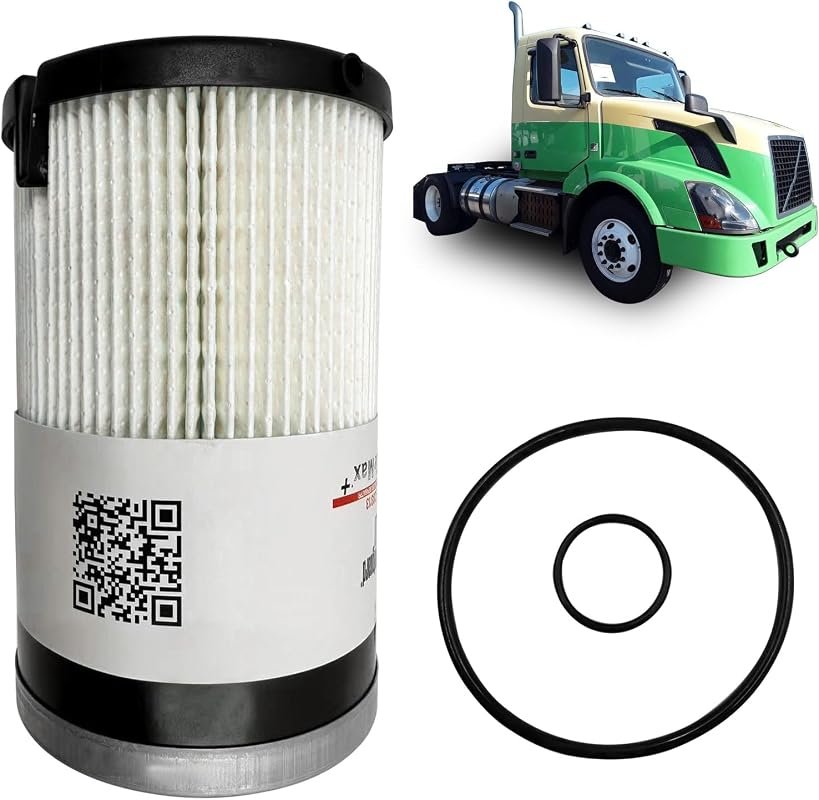 Best Overall
Fuel Water Separator Filter replaces FS20313, cross-reference 24009059 24009058, high-efficiency, fits Volvo D11/D13, Mack MP7/MP8
It offers the strongest all-around mix of fit, value, and practical daily use for Volvo owners.
 Best Value
Reload your Amazon Gift Card balance instantly with flexible amounts, no fees, auto-reload options
It makes sense for owners who want a useful upgrade without paying more than necessary.
Unlock additional benefits for your business: exclusive pricing, quantity discounts, tax-exempt purchasing, analytics and approval workflows
It is the pick I would compare first if build quality, features, and long-term ownership value matter most.
Author

Author

Evans Torres
I’m Evans Torres, an automotive engineer who loves Volvo cars. I graduated in Automotive Engineering from USC. I have worked in the car industry for years and now share my knowledge on The Volvo Life. I started this blog to connect with other Volvo fans. I offer tips, news, and advice to help you care for your car. My goal is to help you keep your Volvo in great shape and find all the best things about it. Join me as we discover everything Volvo has to offer!