

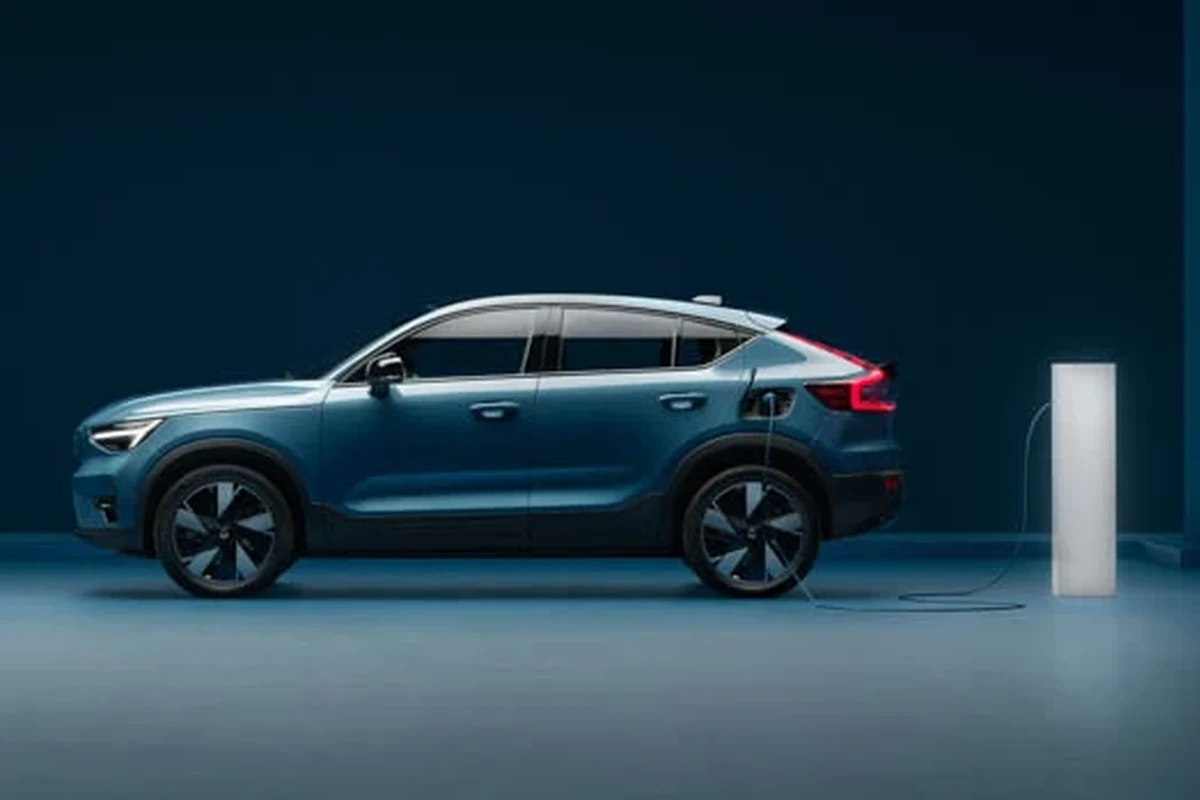
The Volvo C40 is not just another electric vehicle; it’s part of a strategic shift towards sustainable mobility. This fully electric compact SUV is designed to meet the needs of modern drivers while adhering to Volvo’s high standards for safety and environmental responsibility.
The Volvo C40 is made in Ghent, Belgium. This facility is known for its commitment to sustainability and innovative electric vehicle manufacturing. You can also use volvo c40 recharge maintenance schedule as the next practical guide.
Understanding its production story helps highlight the importance of the location in the overall quality and environmental impact of the vehicle.
- Understanding the Origins of the: The Volvo C40 is not just another electric vehicle; it’s part of a strategic.
- Where Is the Volvo C40: The Volvo C40 is manufactured at the Ghent plant in Belgium..
- The Manufacturing Process of the: The manufacturing process at Ghent is a blend of traditional automotive assembly and current.
- Sustainability Practices in Volvo’s Production: Volvo is committed to sustainability, and the Ghent facility exemplifies this commitment..
- Distribution and Logistics: How the: Once manufactured, the Volvo C40 undergoes a streamlined distribution process..
Understanding the Origins of the Volvo C40
The Volvo C40 is not just another electric vehicle; it’s part of a strategic shift towards sustainable mobility.
This fully electric compact SUV is designed to meet the needs of modern drivers while adhering to Volvo’s high standards for safety and environmental responsibility.
To fully appreciate the C40, it’s essential to explore its origins and the significance of its production location.
Key Aspects of the Ghent Factory’s Production Process
The Ghent facility matters for the manufacturing of the Volvo C40, combining innovative technology with sustainable practices. Here are some important elements of its production process. For related context, read what is volvo link hardware and what is its purpose.
- Advanced Robotics: The use of robotics in assembly enhances precision and efficiency during the production of the C40.
- Energy Sources: The Ghent factory utilizes renewable energy sources like wind and solar power to minimize carbon emissions during manufacturing.
- Quality Control Systems: Automated systems are employed for rigorous quality control, ensuring that each C40 meets Volvo’s high safety and environmental standards.
- Sustainable Material Sourcing: The facility prioritizes ethically sourced materials, aligning production with environmental responsibility.
- Waste Management Practices: Implementing effective recycling and waste management strategies helps reduce the overall environmental impact of the manufacturing process.
Drivers looking for a sustainable and stylish electric vehicle.
The C40 Recharge, produced since 2022.
You prefer traditional internal combustion engines or larger SUVs.
Where Is the Volvo C40 Made? A Look at Its Production Location
The Volvo C40 is manufactured at the Ghent plant in Belgium. This facility matters for Volvo’s strategy for electric vehicle production, marking a significant step towards an all-electric future. For official guidance on this, see Volvo Cars official website.
The Ghent Factory: A Hub for Electric Vehicles
The Ghent factory has been key in Volvo’s transition to electric vehicles. Opened in 1965, it has evolved into a modern facility that primarily focuses on the production of electric models like the C40 and XC40.
The location offers logistical advantages, such as proximity to essential components and markets, facilitating efficient production and distribution. You can also use where are volvo ex30 made as the next practical guide.
Confirm the specific model year, trim, and features for your C40 to ensure it meets your requirements.
The Manufacturing Process of the Volvo C40
The manufacturing process at Ghent is a blend of traditional automotive assembly and current technology. It involves various stages, including stamping, welding, painting, and final assembly, all designed to optimize quality and efficiency.
Innovations and Technologies at the Ghent Facility
Volvo has integrated several innovative technologies in the manufacturing process of the C40. This includes advanced robotics for precise assembly and automated systems for quality control.
The factory also employs sustainable practices, such as using renewable energy sources like wind and solar power, which significantly reduce the carbon footprint of the manufacturing process. For related context, read where are volvo ex60 made.
Sustainability Practices in Volvo’s Production
Volvo is committed to sustainability, and the Ghent facility exemplifies this commitment. The plant has implemented various practices aimed at reducing waste and energy consumption, contributing to Volvo’s goal of becoming a climate-neutral company by 2040.
How Ghent Supports Volvo’s Commitment to Sustainability
The Ghent factory uses energy-efficient systems and prioritizes recycling and waste management. Also, the facility sources materials responsibly, ensuring that production aligns with ethical and environmental standards. For official guidance on this, see EPA fuel economy guide.
This dedication both enhances the sustainability of the C40 and sets a benchmark for the entire automotive industry. You can also use where are volvo penta engines made as the next practical guide.
Check for any recalls related to your C40 by using the VIN-based recall lookup to ensure safety compliance.
Distribution and Logistics: How the C40 Reaches Consumers
Once manufactured, the Volvo C40 undergoes a streamlined distribution process. Given its location in Belgium, the vehicle can be shipped efficiently to various markets, including Europe and beyond.
The logistics network is designed to minimize delays and ensure timely delivery, enhancing customer satisfaction. For related context, read why do you need a volvo penta marine engine real guides.
Consider factors like battery health and maintenance schedules specific to the C40 to understand long-term ownership costs.
Comparing the C40 Production with Other Volvo Models
The production process of the C40 shares similarities with other models produced at the Ghent facility, such as the XC40. However, the C40’s all-electric design necessitates unique considerations in assembly and component sourcing, particularly concerning battery integration. You can also use volvo ex30 made in which country as the next practical guide.
- Regularly check tire pressure and battery health.
- Use Volvo’s mobile app to monitor charging status.
- Schedule routine maintenance at authorized service centers.
Where Is the Volvo C40 Made: The Ghent, Belgium Facility
The Volvo C40 is produced at the Ghent plant in Belgium, a facility renowned for its sustainable manufacturing practices and innovative technology.
This modern factory both focuses on electric vehicle production and integrates renewable energy sources and advanced robotics, ensuring high-quality standards while minimizing environmental impact. For related context, read jump start a car with a volvo step by step guides free.
- Explore the Ghent factory’s commitment to renewable energy, using wind and solar power.
- Investigate the advanced robotics employed in the C40’s assembly for enhanced precision.
- Review the facility’s sustainable material sourcing and waste management practices.
This guide on where is the volvo c40 made is general information. Rules, fees, rents, salaries, service coverage, product details, and procedures can change, so confirm important points with the manufacturer, retailer, or official app documentation before acting.
A Few More Questions
The Volvo C40 is manufactured at the Ghent plant in Belgium. This facility is crucial to Volvo’s strategy for electric vehicle production.
The Ghent factory is key in Volvo’s transition to electric vehicles, focusing on models like the C40 and XC40. It represents a significant step towards an all-electric future for the brand.
The manufacturing process at the Ghent facility incorporates advanced robotics for precise assembly and automated quality control systems. These technologies enhance efficiency and quality in the production of the C40.
The Ghent facility implements various sustainable practices aimed at reducing waste and energy consumption. This includes the use of renewable energy sources like wind and solar power in the manufacturing process.
Being located in Belgium allows for efficient shipping to various markets, including Europe and beyond. The logistics network is designed to minimize delays, ensuring timely delivery to customers.
While the C40 shares similarities with other models produced at Ghent, its all-electric design requires unique assembly and component sourcing, particularly for battery integration. These differences are essential for meeting the specific needs of electric vehicle manufacturing.
Final Words
The Volvo C40 is manufactured in Ghent, Belgium, at a facility committed to sustainability and innovation. Understanding its production story both highlights the quality of the vehicle and Volvo’s dedication to environmental responsibility.
This commitment is evident in every aspect of the C40’s manufacturing process, from sourcing materials to energy-efficient production practices.
Author

💡 Evans Torres Tip: On every Volvo I have owned, I always keep a full digital service record from day one. When something goes wrong — and eventually something always does — having that history makes diagnosis faster and often saves money at the mechanic. Start your records today, even if the car is not new.