



Regular oil changes are vital for the health of your Volvo’s engine. Oil lubricates engine parts, reducing friction and wear.
Understanding when to change your oil is crucial for maintaining your Volvo’s performance and longevity. Many owners wonder: when do I need a Volvo oil change? Regular oil changes are essential to keep your engine running smoothly and efficiently.
- Understanding the Importance of Regular: Regular oil changes are vital for the health of your Volvo’s engine..
- When Do I Need a: Understanding the timing of oil changes helps prevent costly repairs and extends the life.
- Model-Specific Oil Change Guidelines: Different Volvo models may have unique oil change requirements based on their engine types.
- Signs That Your Volvo Needs: Recognizing the signs that your Volvo needs an oil change can prevent serious engine.
- The Risks of Neglecting Oil: Failing to change your oil regularly can lead to significant engine problems..
Understanding the Importance of Regular Oil Changes for Your Volvo
Regular oil changes are vital for the health of your Volvo’s engine. Oil lubricates engine parts, reducing friction and wear. Over time, oil breaks down and loses its effectiveness, which can lead to engine damage if not addressed. For related context, read how to change engine oil in 1997 volvo v90.

Ask your service provider about your specific model’s oil change needs based on your driving habits and environment. Regular maintenance can help avoid unexpected costs.
When Do I Need a Volvo Oil Change?
Understanding the timing of oil changes helps prevent costly repairs and extends the life of your vehicle. Most modern Volvos recommend an oil change every 10,000 miles or once a year, whichever comes first.
However, this may vary based on driving conditions and specific model recommendations.
General Recommendations for Oil Change Intervals
For most Volvo models, the standard interval is 10,000 miles or one year. This guideline applies to those using synthetic oil, which is generally recommended for its superior performance and protection. For official guidance on this, see Volvo Cars official website.
However, if you frequently drive in severe conditions, such as extreme temperatures, heavy traffic, or towing, consider changing the oil more often. You can also use how to check engine oil in a 2004 volvo xc70 as the next practical guide.
Model-Specific Oil Change Guidelines
Different Volvo models may have unique oil change requirements based on their engine types and technologies. Understanding these specifics can help you maintain your vehicle more effectively. For related context, read how to replace volvo engine oil gasket 3547188.
Oil Change Recommendations for Popular Volvo Models
Here are some general guidelines for popular Volvo models:
- Volvo XC90: Typically requires an oil change every 10,000 miles using synthetic oil.
- Volvo S60: Similar to the XC90, it usually needs an oil change at 10,000 miles.
- Volvo V60: Follow the same 10,000-mile recommendation for oil changes.
- Volvo XC60: Also adheres to the 10,000-mile rule for oil changes.
Confirm the specific model year and engine type for precise oil change intervals, as they can vary by market and model.
Signs That Your Volvo Needs an Oil Change
Recognizing the signs that your Volvo needs an oil change can prevent serious engine issues. Pay attention to these indicators.
Common Warning Signs to Look Out For
Oil Change Light: This dashboard warning light typically indicates it’s time for an oil change. Engine Noise: Unusual sounds, such as knocking or ticking, can signal that the oil is old and ineffective. Oil Color: Dark or gritty oil is a sign it needs changing. Fresh oil is usually a clear golden or amber color. High Mileage: If you’ve reached the 10,000-mile mark since your last change, it’s time to schedule an appointment. This also connects with how to check engine oil in 2017 volvo s60 before you pay, sign, or book.
Before relying on your vehicle, check for any open recalls related to engine performance or oil systems. This ensures your Volvo remains safe and reliable.
The Risks of Neglecting Oil Changes
Failing to change your oil regularly can lead to significant engine problems. Understanding these risks can motivate timely maintenance.
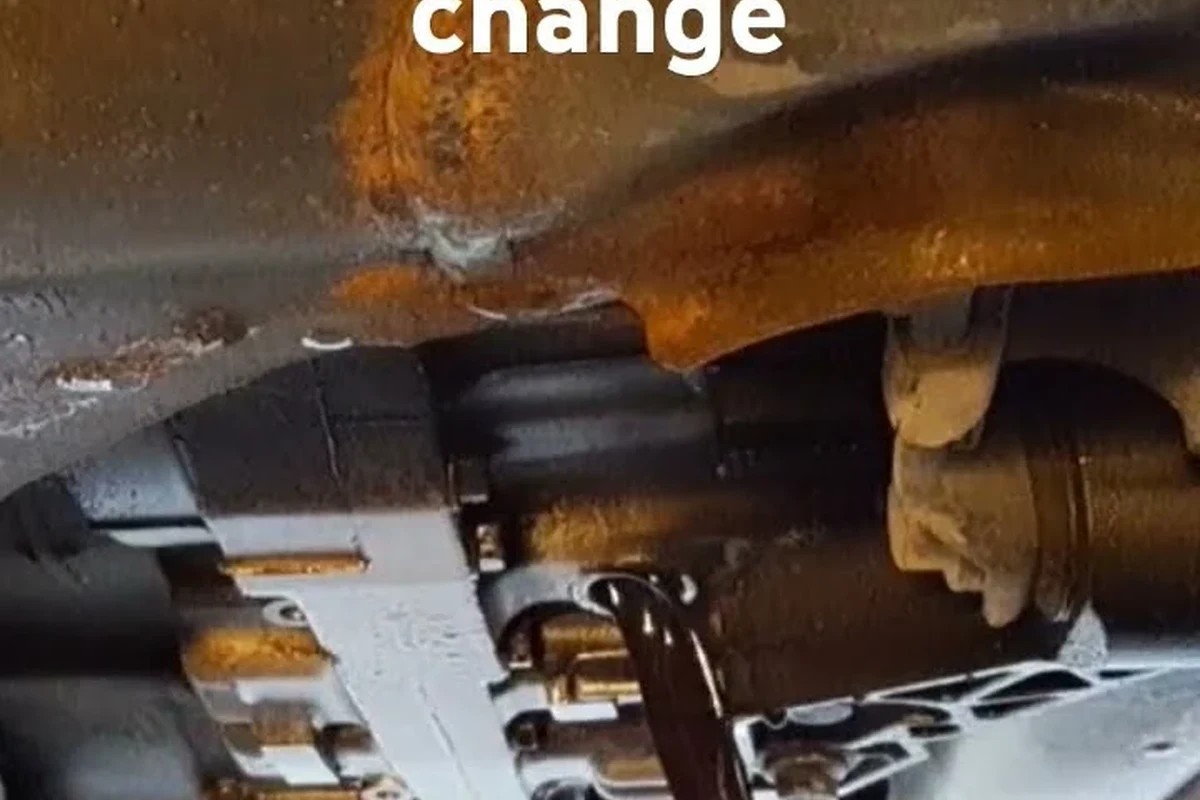
Potential Damage to Your Engine
Neglecting oil changes can result in increased engine wear, overheating, and even catastrophic engine failure. Old oil loses its lubricating properties, which can lead to friction and damage to engine components. For related context, read volvo xc60 transmission oil change.
- Listen for unusual engine noises during your drive.
- Check for dashboard warning lights indicating maintenance needs.
- Monitor oil levels regularly for optimal performance.
Common Mistakes Volvo Owners Make About Oil Changes
Many Volvo owners fall into common traps regarding oil changes. Recognizing these can help you maintain your vehicle better. This also connects with why do you need a volvo penta marine engine real guides before you pay, sign, or book.
Avoiding Common Pitfalls
- Ignoring the Oil Light: Don’t wait until the oil change light comes on; proactive maintenance is key.
- Choosing the Wrong Oil: Always use the recommended oil type for your model to ensure optimal performance.
- Skipping Regular Checks: Regularly check your oil level and quality between changes to catch issues early.
Next Steps: Scheduling Your Volvo Oil Change
Getting your oil changed is straightforward, but knowing where to go can make the process smoother. For official guidance on this, see NHTSA recall lookup by VIN.
How to Find a Certified Service Center
Look for a certified Volvo service center to ensure your vehicle receives the best care. These centers are equipped with the right tools and trained personnel to handle your specific model’s needs. For related service checks, see how often does a volvo xc90 need an oil change.
Volvo owners wanting to maintain their vehicle’s performance.
Applies to various Volvo models, especially recent ones with synthetic oil recommendations.
If your driving conditions are severe, consider more frequent changes.
When Do I Need a Volvo Oil Change?
To maintain your Volvo’s engine health, schedule an oil change every 10,000 miles or once a year, whichever comes first. This interval is crucial for vehicles using synthetic oil, but consider more frequent changes if driving in severe conditions.
Regular maintenance helps prevent costly repairs and ensures optimal performance.
Monitor the oil change light on your dashboard. Check for unusual engine noises that may indicate oil issues. Inspect oil color regularly; dark or gritty oil needs changing. You can also use how to service a volvo penta engine as the next practical guide.
This guide on when do i need a volvo oil change is general information. Rules, fees, rents, salaries, service coverage, product details, and procedures can change, so confirm important points with the manufacturer, retailer, or official app documentation before acting.
Questions People Also Ask
Common warning signs include the oil change light on the dashboard, unusual engine noises like knocking or ticking, and dark or gritty oil. Also, if you’ve reached the 10,000-mile mark since your last oil change, it’s time to schedule an appointment.
Most modern Volvos recommend an oil change every 10,000 miles or once a year, whichever comes first, if using synthetic oil. However, this interval may vary based on specific model recommendations and individual driving conditions.
If you often drive in severe conditions, such as extreme temperatures or heavy traffic, consider changing your oil more frequently than the standard 10,000-mile interval. Consulting with your service provider can help determine the best schedule based on your driving habits.
Neglecting regular oil changes can lead to increased engine wear, overheating, and even catastrophic engine failure. Old oil loses its lubricating properties, resulting in friction and potential damage to engine components.
Using the recommended oil type is crucial for optimal performance and protection of your engine. Choosing the wrong oil can compromise engine efficiency and longevity, leading to additional maintenance issues.
Look for a certified Volvo service center to ensure your vehicle receives proper care and maintenance. These centers have the right tools and trained personnel knowledgeable about your specific model’s oil change needs.
Putting It All Together
Regular oil changes are essential for keeping your Volvo running smoothly and efficiently. By adhering to the recommended intervals and being aware of the signs indicating an oil change is needed, you can help ensure your vehicle’s longevity and performance.
Author

💡 Evans Torres Tip: On every Volvo I have owned, I always keep a full digital service record from day one. When something goes wrong — and eventually something always does — having that history makes diagnosis faster and often saves money at the mechanic. Start your records today, even if the car is not new.