


Volvo XC90 oxygen sensor replacement involves diagnosing the issue, obtaining the right parts, and following specific steps to ensure proper installation. It’s crucial for maintaining engine efficiency and emissions control.
As a proud owner of a Volvo XC90, maintaining your vehicle’s performance is essential. One critical component that may require replacement over time is the oxygen sensor.
This guide will walk you through the process of Volvo XC90 oxygen sensor replacement, ensuring you have the knowledge and tools necessary for a successful repair.
- Oxygen sensors are vital for engine performance and emissions control.
- Replacing the sensor can improve fuel efficiency and reduce emissions.
- DIY replacement is possible but requires basic mechanical skills.
- The cost for parts and labor can vary depending on model year and location.
- Regular maintenance checks can prolong sensor life.
Understanding the Role of Oxygen Sensors in Your Volvo XC90
The oxygen sensor plays a crucial role in your Volvo XC90’s engine management system. It measures the amount of oxygen in the exhaust gases and sends this data to the engine control unit (ECU).
This connects closely with difference between 2025 5 and 2026 Volvo XC90 if you want to compare the topic in more detail.

The ECU uses this information to adjust the air-fuel mixture, optimizing combustion for better performance and lower emissions.
There are typically two types of oxygen sensors in the Volvo XC90: upstream (pre-catalytic converter) and downstream (post-catalytic converter). Both are essential for accurate fuel management and emissions control. If either sensor fails, it can lead to poor engine performance, increased fuel consumption, and failing emissions tests.
Signs That Indicate Oxygen Sensor Replacement Is Needed
Recognizing the signs of a failing oxygen sensor is crucial for timely replacement. Here are some symptoms to look out for:
- Check Engine Light: A common indicator that something is wrong with your vehicle, often triggered by a faulty oxygen sensor.
- Poor Fuel Economy: A malfunctioning sensor can cause the engine to run inefficiently, leading to increased fuel consumption.
- Rough Engine Idle: If your XC90 has a rough idle or stalls frequently, it could signal an oxygen sensor issue.
- Failed Emissions Test: A failing oxygen sensor can result in higher emissions, causing your vehicle to fail inspection.
Is DIY Replacement Possible for Your Volvo XC90?
Replacing the oxygen sensor in your Volvo XC90 can be a DIY project if you have basic mechanical skills and tools. However, if you’re uncertain about your ability to perform the replacement, consulting a professional mechanic is a safe option.
Here’s what you need to know about the process: For related context, you may also want to read best battery replacement for 2014 Volvo XC90.
Tools and Materials Needed
Before starting, gather the necessary tools and materials:
- Replacement oxygen sensor (specific to your model year)
- Oxygen sensor socket or wrench
- Ratchet and extension
- Anti-seize compound (optional)
- Safety gloves and goggles
Step-by-Step Replacement Process
Here are the basic steps to replace the oxygen sensor:
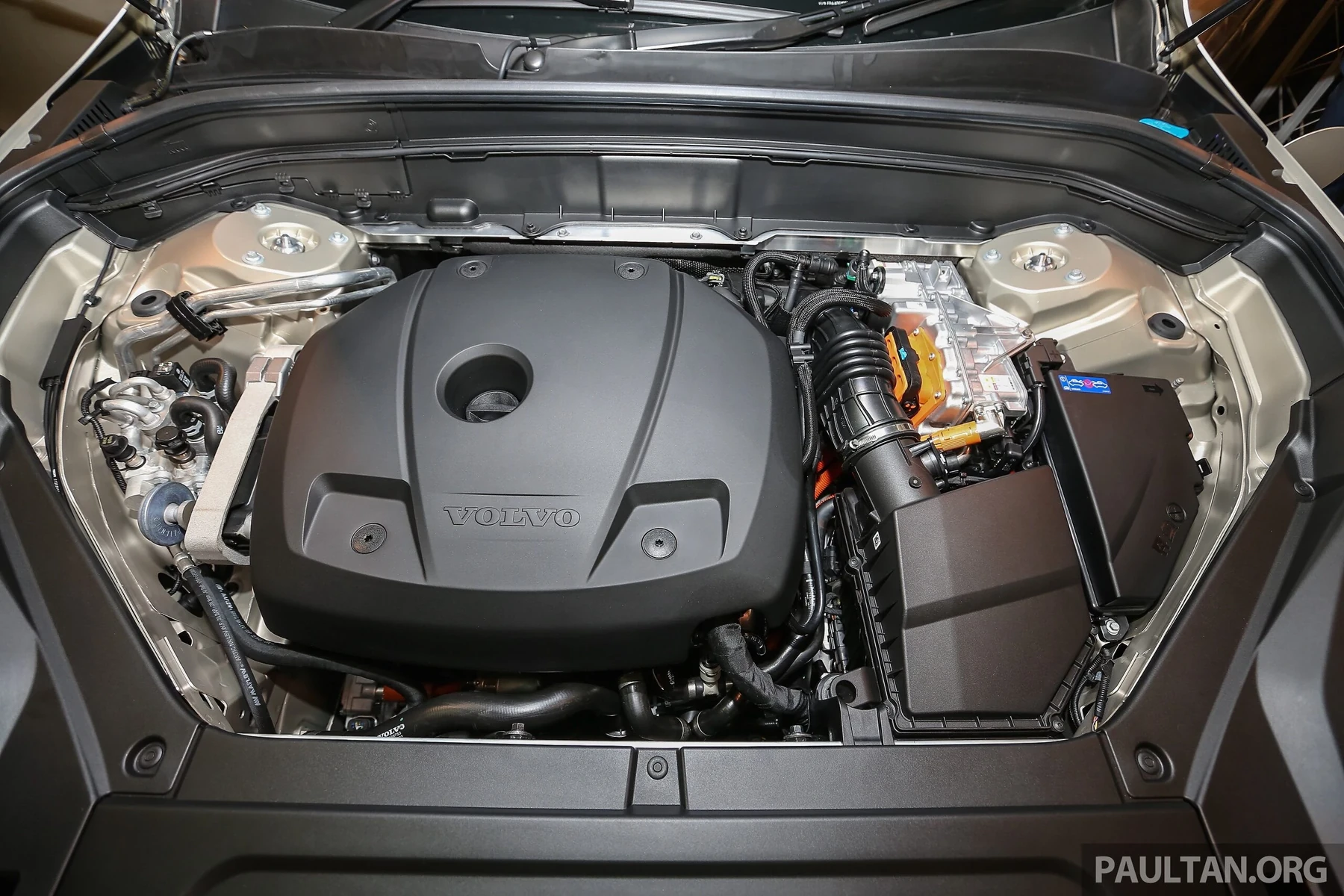
- Locate the Oxygen Sensor: Depending on your model year, it may be located near the exhaust manifold or the catalytic converter.
- Disconnect the Battery: Always disconnect the negative terminal of the battery to prevent electrical shock.
- Remove the Old Sensor: Use the oxygen sensor socket to unscrew the old sensor gently.
- Install the New Sensor: Apply anti-seize compound to the threads of the new sensor (if applicable) and screw it into place securely.
- Reconnect the Battery: Once the new sensor is installed, reconnect the battery terminal.
- Clear the Check Engine Light: Use an OBD-II scanner to reset the ECU and clear any fault codes.
Time and Cost Estimates for Replacement
The time required for an oxygen sensor replacement typically ranges from 30 minutes to an hour for a DIY project. If you opt for a professional mechanic, the labor cost may vary between $75 and $150, depending on your location.
The price for the oxygen sensor itself can range from $50 to $200, making the total cost between $125 and $350.
Choosing the Right Oxygen Sensor for Your Volvo XC90
Selecting the correct replacement oxygen sensor is vital for optimal performance. Here are a few factors to consider: You can also use difference between 2021 and 2022 Volvo XC90 as a helpful next guide on the same ownership topic.
- Model Year: Ensure that the sensor is compatible with your specific XC90 model year. Different years may have varying specifications.
- OEM vs. Aftermarket: Original Equipment Manufacturer (OEM) parts are generally recommended for guaranteed performance, but high-quality aftermarket sensors can also be reliable.
- Sensor Type: Make sure to identify whether you need an upstream or downstream sensor, as they serve different purposes.
Preventive Measures to Extend the Life of Oxygen Sensors
To prolong the lifespan of your oxygen sensors, consider the following preventive measures:
- Regular Maintenance: Adhere to your Volvo XC90 maintenance schedule, which includes routine checks of the exhaust system.
- Fuel Quality: Use high-quality fuel to reduce the risk of contaminants affecting sensor performance.
- Address Engine Issues Promptly: If you notice signs of engine trouble, such as poor performance or unusual sounds, address them immediately to avoid sensor damage.
💡 Evans Torres Tip: Regularly check and clean your vehicle’s air filter. A clean air filter can improve overall engine efficiency, which, in turn, helps extend the life of your oxygen sensors.
Frequently Asked Questions
What Are the Signs of a Failing Oxygen Sensor in a Volvo XC90?
Common signs include a check engine light, poor fuel economy, rough engine idle, and failed emissions tests.
How Often Should I Replace the Oxygen Sensors in My Volvo XC90?
It’s generally recommended to replace oxygen sensors every 60,000 to 100,000 miles, but always refer to your vehicle’s maintenance schedule for specifics.
Can I Drive My Volvo XC90 with a Bad Oxygen Sensor?
While you can technically drive with a faulty sensor, it may lead to reduced fuel efficiency and higher emissions, potentially causing further engine damage.
What Is the Cost of Replacing an Oxygen Sensor in a Volvo XC90?
The total cost for parts and labor can range from $125 to $350, depending on your location and whether you choose to DIY or hire a mechanic.
Is It Worth Replacing the Oxygen Sensor Myself?
If you have basic mechanical skills and the right tools, DIY replacement can save you money. However, if you’re unsure, it’s best to consult a professional.
Final Verdict
Replacing the oxygen sensor in your Volvo XC90 is an essential maintenance task that can significantly enhance your vehicle’s performance and efficiency. With the right tools and knowledge, you can tackle this job yourself and save on labor costs.
Always pay attention to the symptoms of a failing sensor and perform regular maintenance checks to keep your XC90 running smoothly.
Author

Author

Evans Torres
I’m Evans Torres, an automotive engineer who loves Volvo cars. I graduated in Automotive Engineering from USC. I have worked in the car industry for years and now share my knowledge on The Volvo Life. I started this blog to connect with other Volvo fans. I offer tips, news, and advice to help you care for your car. My goal is to help you keep your Volvo in great shape and find all the best things about it. Join me as we discover everything Volvo has to offer!