


The difference between 2021 and 2022 Volvo XC90 centers on a major Recharge plug-in hybrid upgrade—substantially more EV range and power—while gas T5/T6 trims are largely carryover. Choose 2022 if you want a better PHEV; pick 2021 for lower cost on similar gas models.
Shoppers comparing 2021 vs 2022 XC90 are usually deciding between similar gas models or a meaningfully improved plug-in hybrid. The XC90’s platform, space, safety ethos and luxury feel remain consistent across both years.
The headline is the 2022 XC90 Recharge update: a larger battery and stronger rear e-motor that deliver noticeably more electric-only miles and a power bump. If you’re leaning PHEV, that change matters every day.
If you’re focused on the standard gasoline versions, the story is simpler. Equipment shuffles are minor, infotainment remains Sensus in both years for the U.S., and pricing nudges up slightly in 2022. That makes a well-specced 2021 a value play.
- Main difference: 2022 XC90 Recharge gains a larger battery, more EV range and higher output; gas trims are effectively carryover from 2021.
- Best for A: 2021 Volvo XC90 if you want a similar gas model for less money on the used market.
- Best for B: 2022 Volvo XC90 if you want the improved plug-in hybrid with longer electric driving and stronger acceleration.
- Cost/value: Expect 2022 to list higher; the premium is most justified on Recharge. Gas buyers often get better value with a clean 2021.
- Important caveat: Google built-in arrives for XC90 in 2023, not 2022 in the U.S., so infotainment is effectively the same for these two years.
Key differences at a glance: 2021 Volvo XC90 vs 2022 Volvo XC90
Here’s a high-level snapshot of changes shoppers will actually notice. It focuses on trims, powertrains, infotainment, pricing and the 2022 Recharge upgrade.
| Category | 2021 Volvo XC90 | 2022 Volvo XC90 |
|---|---|---|
| Trim structure | Momentum, R-Design, Inscription (Recharge also offered) | Momentum, R-Design, Inscription (Recharge also offered; minor feature reshuffles) |
| Gas engines | T5 (FWD/AWD) and T6 (AWD), 8‑speed automatic | T5 and T6 largely carryover in the U.S.; similar outputs and drivability |
| Plug-in hybrid (Recharge) | Recharge T8, earlier battery and e‑motor setup | Recharge T8 upgraded: larger battery and stronger rear e‑motor |
| Recharge output | Approx. 400–415 hp combined (model/trim dependent) | Approx. 455 hp combined (notable performance increase) |
| Recharge battery capacity | Approx. 11–12 kWh usable | Approx. 18–19 kWh usable (significantly larger) |
| EPA electric range (Recharge) | Typically around the high‑teens miles (EPA est.) | Typically around 30+ miles (EPA est., trim/tire dependent) |
| Infotainment | Sensus (9-inch portrait; Apple CarPlay/Android Auto) | Sensus continues for XC90 in the U.S.; Google built-in arrives for 2023 |
| Driver assistance | City Safety, Pilot Assist available, IIHS TSP+ (when equipped) | Similar suite and ratings when comparably equipped |
| Towing capacity | Up to 5,000 lbs when properly equipped | Up to 5,000 lbs when properly equipped |
| MSRP at launch (U.S.) | Varies by trim; broadly high‑$40Ks to mid‑$70Ks | Generally a modest increase year‑over‑year; trim/build dependent |
| Notable changes | Carryover year with minor feature/wheel/color updates | Recharge PHEV upgrade; light content shuffles; similar design |
The 2022 XC90 Recharge’s larger battery isn’t just about range. It also enables stronger regenerative braking and more consistent electric assistance at highway speeds, improving real‑world efficiency beyond the raw EPA miles figure.
What each year and trim means on the XC90 badge
Both years use the same luxury mid-size, three-row XC90 shell with Momentum (comfort/value), R‑Design (sporty look), and Inscription (luxury finish) personas. The Recharge variant layers a plug‑in hybrid system on top.
For gas models, 2021 and 2022 continue with T5 and T6 turbocharged four‑cylinders. If you’re cross‑shopping later B5/B6‑badged cars, see our detailed breakdown in our B5 vs B6 XC90 guide to understand how Volvo’s mild‑hybrid shift changes the spec sheet.
The Recharge story is pivotal. The 2021 XC90 Recharge (T8) already blended strong acceleration with short‑hop EV capability. For 2022, Volvo’s upgraded battery and e‑motor transform daily usability, letting many owners commute electrically most weekdays.
2021 Volvo XC90 Pros and Cons
- Lower purchase price in today’s used market for comparable gas trims.
- Same elegant design, safety-first cabin and three-row practicality.
- Broad availability of well-kept off-lease examples.
- Recharge PHEV has notably shorter EV range than 2022.
- No Google built-in (arrives 2023), same as 2022—tech feels older.
- Older model year can mean more miles and out-of-warranty timing.
2022 Volvo XC90 Pros and Cons
- Recharge gains a larger battery, more EV miles and stronger performance.
- Light content updates; many features slightly more common as standard.
- Holds value better if you specifically want the improved PHEV.
- Typically higher asking price than a similar 2021 gas model.
- Infotainment is still Sensus in the U.S.; Google built-in is 2023.
- Gas trims drive much like 2021, limiting the value of the upgrade.
What stays the same: 2021 Volvo XC90 vs 2022 Volvo XC90
Design, dimensions and seating are near-identical across both years. You get the same airy cabin, Thor’s Hammer lighting, and the calm, Scandinavian ride-and-handling balance.
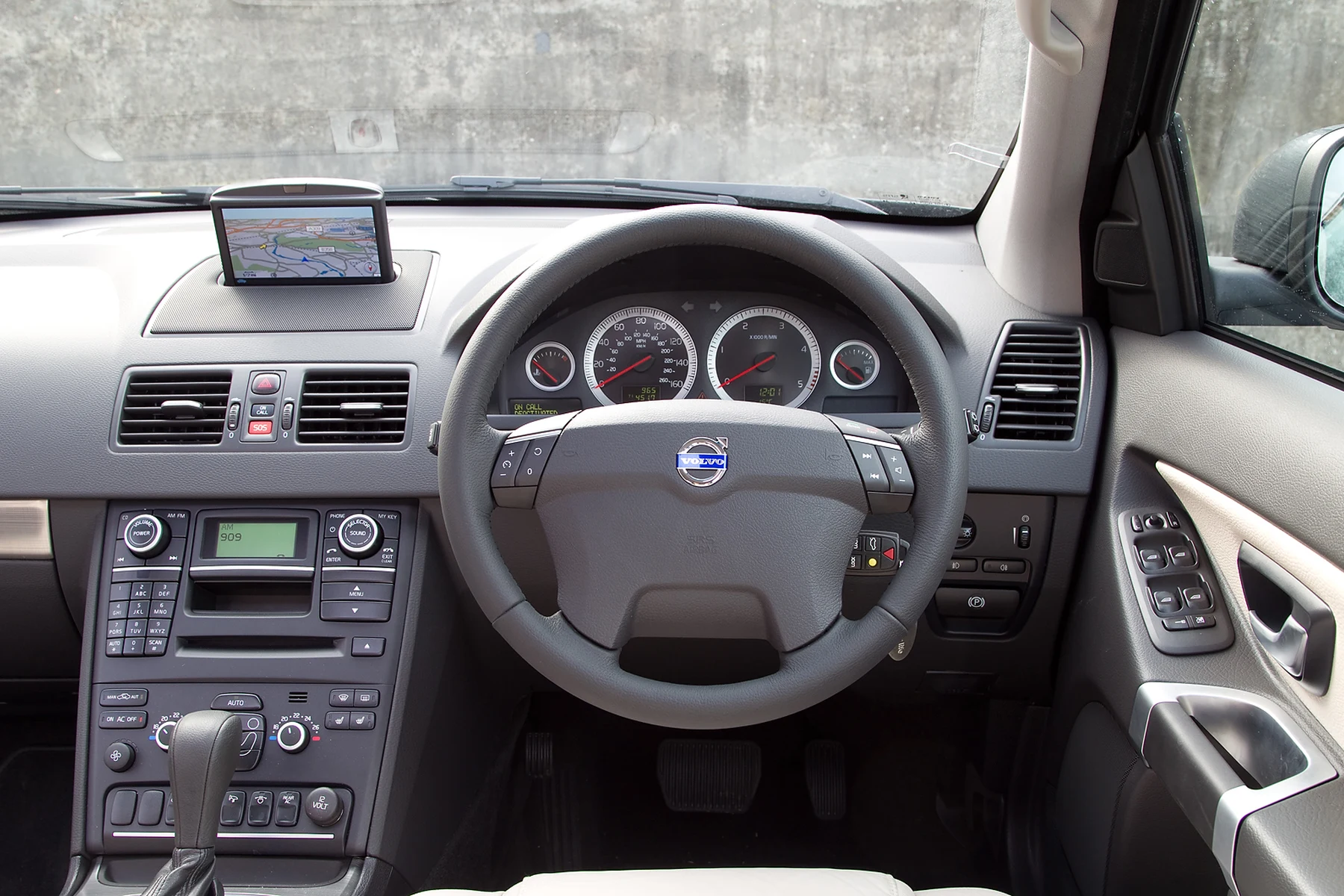
Core safety tech remains consistent when trims are matched: City Safety with automatic emergency braking, lane-keeping aids and available Pilot Assist. With proper equipment, both years achieve top-tier safety ratings in U.S. testing.
Capability is also steady. Properly equipped models tow up to 5,000 lbs, cargo space is unchanged, and the Sensus infotainment system continues with the 9‑inch portrait display and smartphone mirroring.
Compare like-for-like safety packages. Pilot Assist, 360° camera, blind-spot steering assist and rear autobrake can be standard on some trims but optional on others. Verify the exact build sheet and test that all sensors and cameras initialize cleanly at startup.
Detailed differences that materially affect ownership
Recharge usability improves in 2022. The bigger battery and e‑motor mean more all‑electric commuting, fewer gas stops, and stronger passing power with a loaded cabin. If your routine includes daily 10–25 mile roundtrips, the benefit is immediate.
Charging behavior is similar across both years: Level 2 home charging is the sweet spot, while DC fast charging is not the focus for these PHEVs. Expect overnight home top‑ups and opportunistic workplace charging to cover most short journeys.
Electric miles are cheaper than gas miles for most U.S. utility rates. The 2022 Recharge’s added EV range can trim fuel spend and brake wear (more regen), shifting total cost of ownership in its favor if you plug in regularly.
Infotainment remains Sensus for both years in the U.S., so there’s no tech penalty for choosing 2021. Google built-in with native Maps and Assistant lands for XC90 in 2023, so if that’s essential, broaden the search to the next model year.
Gas trims feel the same year-to-year. If you’re debating T5 vs T6, the T6’s added thrust is meaningful with seven aboard or when towing. For a deeper engine comparison, see our explainer on Volvo T5 vs T6.
- Recharge: Start with a full battery; drive your real commute route to sample EV-only performance.
- Gas: Load 4–5 passengers; evaluate T6 acceleration merging onto a highway.
- Ride: Seek rough pavement to judge noise isolation and suspension compliance.
- Tech: Pair your phone, stream audio, and test native nav voice recognition.
Price gap and the value of the upgrade
At launch, 2022 MSRP typically edged higher than 2021, and that pattern echoes in today’s used prices. The size of the gap varies by trim, miles and condition.
For gas models, the 2022 premium often buys minimal real-world difference. For Recharge, the premium is usually justified: more EV miles and higher output improve both daily running and resale desirability.
Price the whole build, not just the badge. Two “Inscription” XC90s can differ by thousands based on wheel/tire packages, Bowers & Wilkins audio, air suspension, and Advanced safety. Verify trim, options and drivetrain on the window sticker or VIN decode.
Reliability, maintenance and used-buyer implications
Both years share the same SPA underpinnings and 2.0‑liter four‑cylinder family, so maintenance intervals and common wear items align. For a planning baseline, see our XC90 maintenance schedule guide.
For Recharge, 2022’s bigger battery and stronger rear motor introduce different usage patterns (more EV miles). That’s good for fuel spend, but ensure charger health and the latest software are applied. If you’ll own a Recharge, bookmark our XC90 Recharge maintenance schedule.
Run every VIN through NHTSA’s database before purchase. Software campaigns are common on modern Volvos; confirming completion can prevent infotainment glitches, charging quirks or ADAS calibration warnings after delivery.
Is the newer 2022 specification worth it?
If you want a plug-in hybrid, yes—2022 is the smarter buy. The added EV miles and stronger performance change day-to-day life, not just a line on the spec sheet.
If you’re set on a gasoline XC90, the 2021 usually represents better dollar-for-dollar value. You’ll get the same cabin experience, safety ethos and highway comfort for less, provided condition and equipment match.
Which one should you choose?
How to Decide Between 2021 and 2022 Volvo XC90
- Pick your powertrain first. If PHEV is on the table, bias toward a 2022 Recharge; if gas only, a well-equipped 2021 is often the value win.
- Match trims and features. Line up Momentum/R‑Design/Inscription equipment and confirm options like Advanced safety, air suspension and B&W audio.
- Test your real routes. Drive a 2022 Recharge fully charged on your commute; drive a T6 with passengers on a highway merge.
- Run the TCO math. Include insurance, fuel/electricity, tires and depreciation. More EV miles often offset a higher 2022 Recharge price.
- Verify history and campaigns. Check VIN for recalls/TSBs, charger health (Recharge), and documented maintenance with receipts.
Cross-shopping later mild-hybrid B5/B6 XC90s? Understanding that naming shift helps frame price and tech expectations—our focused explainer on XC90 B5 vs B6 outlines how those 2023+ changes differ from 2021–2022.
💡 Evans Torres Tip: When comparing used XC90 Recharges, ask the seller for the car’s “energy usage” data or long-term trip computer stats. A 2022 showing a high electric‑mile ratio suggests the owner regularly charged it, which usually correlates with healthier charging habits and better real‑world efficiency.
Frequently Asked Questions
Shoppers often have the same handful of practical questions when weighing a 2021 vs 2022 XC90. These answers focus on everyday ownership: efficiency, tech, safety, towing and used-market strategy. If your needs are unique—like frequent mountain towing or DC fast charging expectations—use the decision steps above and test your scenario directly on a representative vehicle.
Did the 2022 Volvo XC90 get new infotainment compared with 2021?
In the U.S., both 2021 and 2022 XC90 models use the Sensus system with a 9‑inch portrait display and smartphone mirroring. Volvo’s Google built-in (Android Automotive) arrives with the 2023 XC90 update. If native Google Maps and Assistant are must-haves, broaden your search to 2023.
How much more electric range does the 2022 XC90 Recharge have?
The 2022 XC90 Recharge typically delivers “30‑plus” EPA-estimated electric miles versus the high‑teens for many 2021 builds. Exact figures vary with wheels/tires and test protocol. The larger 2022 battery also supports stronger e‑assist at speed, which owners notice on mixed commutes.
Are the gas engines different between 2021 and 2022?
For the U.S., the T5 and T6 gasoline powertrains are effectively carryover year to year, with similar outputs and drivability. If you’re cross‑shopping later B5/B6 badging, that mild-hybrid shift is primarily a 2023+ story on XC90 in this market.
Is safety better on the 2022 XC90?
Both years provide a similar suite of advanced safety and driver-assistance tech when trims are matched, and both achieve top-tier crash ratings with the right equipment. Always compare identical packages and verify sensor calibrations on a test drive.
Which year to buy for towing?
Properly equipped, both 2021 and 2022 XC90 models tow up to 5,000 lbs. The T6 gas engine offers confident torque for family-and-boat weekends. Recharge can tow as well, but mind hitch specifications and state of charge if you’re counting on electric assistance on grades.
What’s the smarter used buy: 2021 or 2022?
For gas-only shoppers, a clean, well-equipped 2021 usually wins on value with little sacrifice. For plug-in buyers, the 2022 Recharge is the better long-term pick thanks to a larger battery, more EV miles, and stronger resale desirability among electrified SUVs.
Any common reliability concerns to check?
Both years benefit from software updates. On Recharge, confirm charging equipment health, high-voltage system checks, and the latest firmware. For any XC90, review NHTSA recalls by VIN and ensure regular maintenance intervals were followed with receipts.
How do T5 vs T6 decisions fit into this choice?
The T6’s extra thrust matters with seven aboard or towing, while the T5 can suffice for lighter use. If you’re weighing the two engines directly, see our dedicated explainer on Volvo T5 vs T6 for a deeper dive into power and equipment pairing.
Final Verdict
If a plug-in hybrid is on your shortlist, the 2022 Volvo XC90 Recharge is the standout. Its bigger battery, stronger rear motor and “30‑plus” EPA-estimated EV miles reshape everyday driving, making the price premium defensible and enhancing resale appeal.
If you’re buying a gasoline XC90, the 2021 typically offers better value with near-identical comfort, safety and tech to 2022. Focus on condition and options—Advanced safety, air suspension and premium audio often matter more than the calendar year for daily satisfaction.
Either way, verify equipment line-by-line, drive your real routes, and run total cost numbers with your fuel/electric rates. That’s how you’ll find the right XC90 for your family—and your budget.
My Top Picks at a Glance
These three XC90 accessories are practical options to compare after choosing the right Volvo configuration.
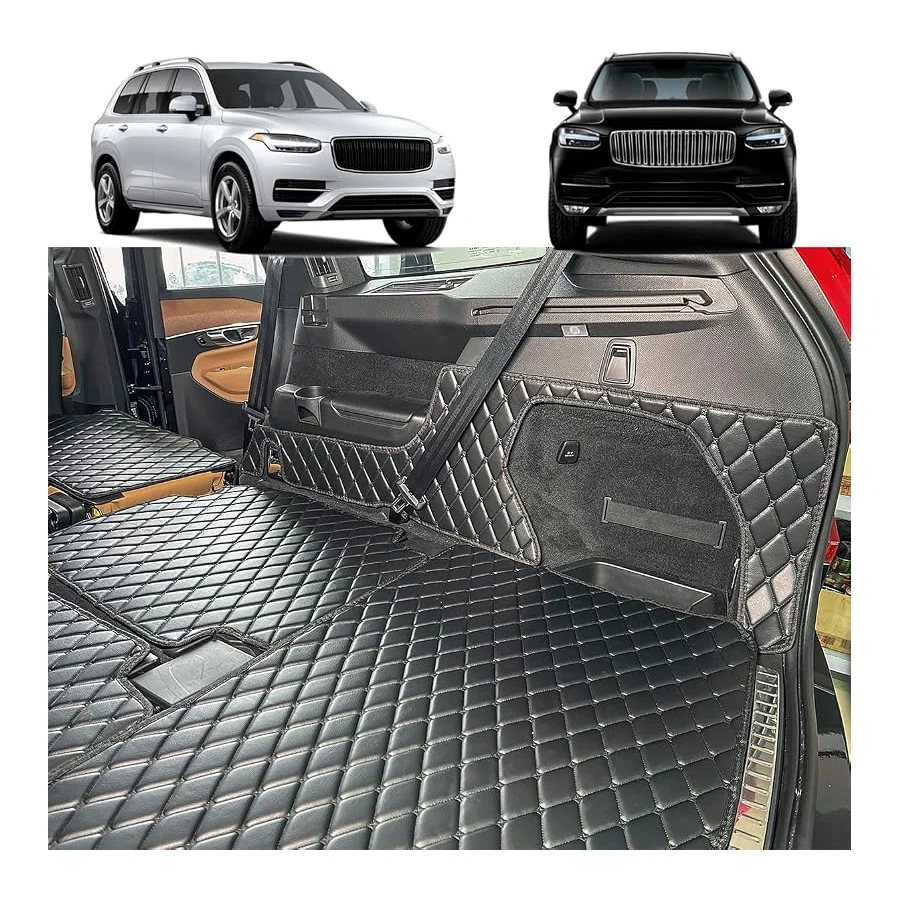 Best Overall
Custom cargo mat for 2016-2025 Volvo XC90, trunk and rear side panel liners, all-weather protection.
A vehicle-fit accessory to compare for compatibility, daily usefulness, and value.
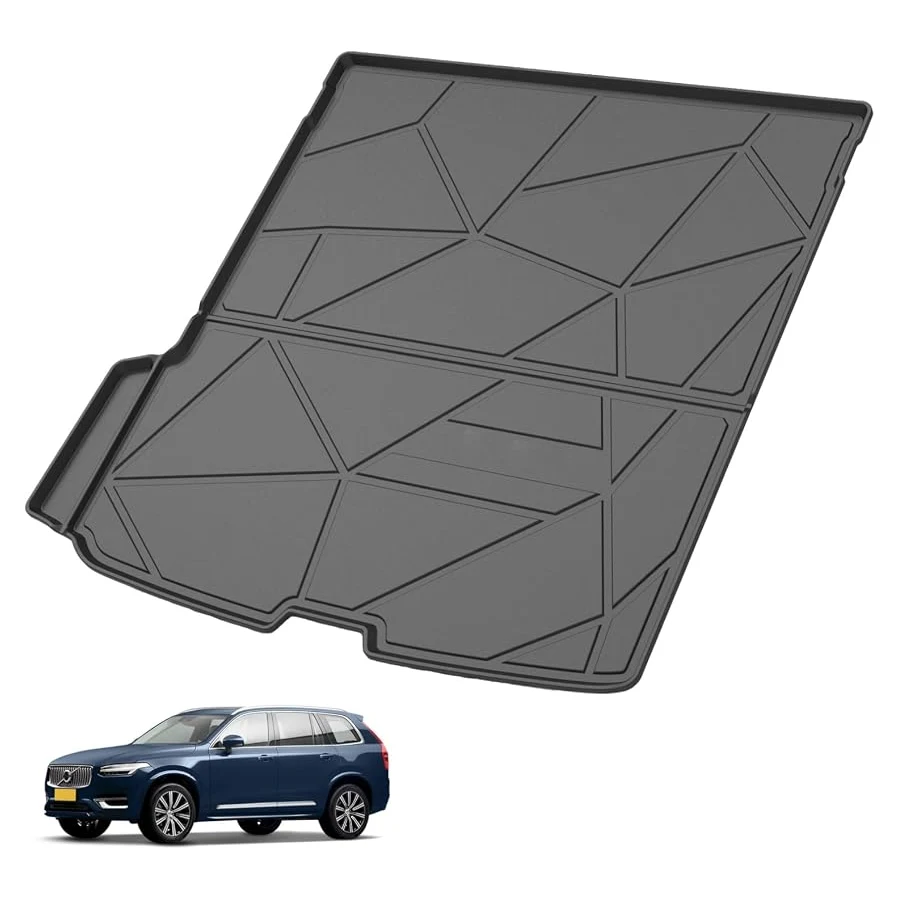 Best Value
Elsetyler custom cargo liner for 2016-2026 Volvo XC90, black TPE, heavy-duty waterproof trunk protection.
A vehicle-fit accessory to compare for compatibility, daily usefulness, and value.
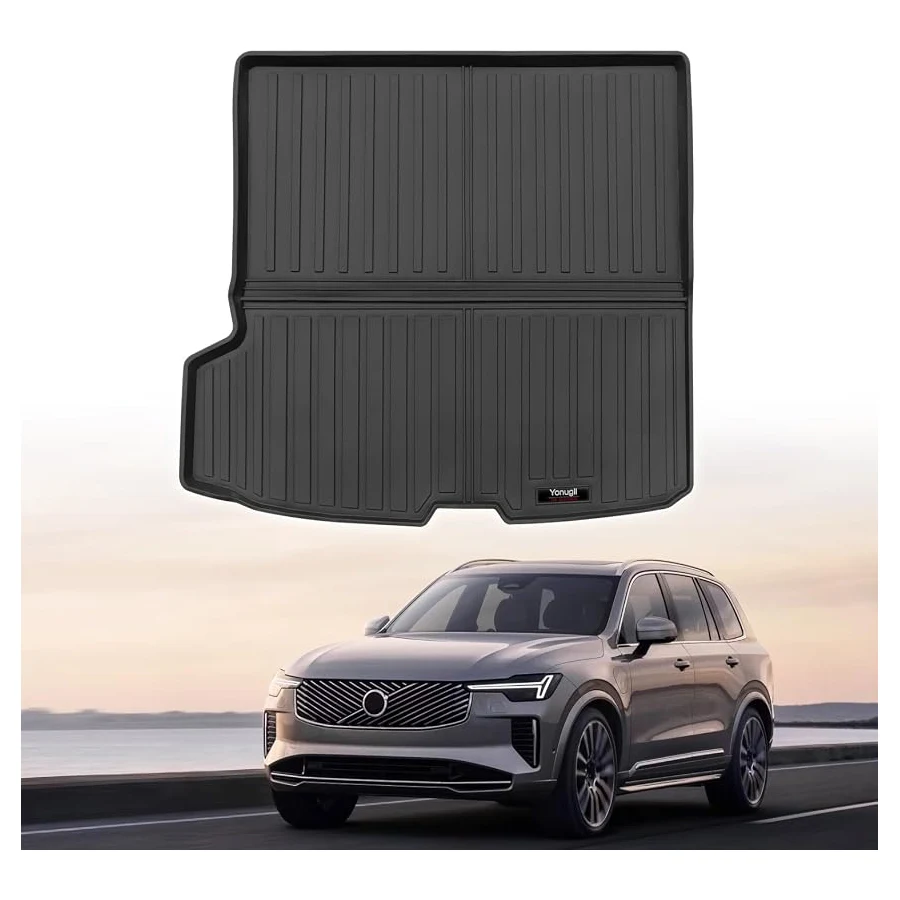 Best Premium Option
Custom-fit cargo mat for 2016-2026 Volvo XC90, trunk liner behind 2nd row, all-weather TPE protection.
A vehicle-fit accessory to compare for compatibility, daily usefulness, and value.
Sources and Methodology
This comparison covers U.S.-market 2021 and 2022 Volvo XC90 models, matching trims and powertrains where possible. Key differences were validated against Volvo’s official specifications, EPA fuel-economy data, IIHS safety ratings and NHTSA recall records. Exact range, pricing and equipment vary by trim, wheels/tires and options. Figures for EV range are presented as typical EPA estimates rather than exact numbers to reflect configuration variance. Data verified August 2026.
Author

Author

Evans Torres
I’m Evans Torres, an automotive engineer who loves Volvo cars. I graduated in Automotive Engineering from USC. I have worked in the car industry for years and now share my knowledge on The Volvo Life. I started this blog to connect with other Volvo fans. I offer tips, news, and advice to help you care for your car. My goal is to help you keep your Volvo in great shape and find all the best things about it. Join me as we discover everything Volvo has to offer!