



Regular oil changes are vital for maintaining the longevity and performance of your Volvo’s engine. Each model may have specific requirements, so understanding this can prevent issues down the road.
If you don’t change your oil, it can lead to severe engine damage, decreased performance, and costly repairs. Regular oil changes are crucial for maintaining your Volvo’s engine health and efficiency.
- Understanding the Importance of Oil: Oil changes are essential for keeping your Volvo running smoothly..
- What Happens If You Don’t: Neglecting oil changes can have serious repercussions on your vehicle’s engine..
- Why Regular Oil Changes Matter: Regular oil changes are vital for maintaining the longevity and performance of your Volvo’s.
- Common Mistakes Volvo Owners Make: Understanding common pitfalls can help you avoid costly mistakes in oil maintenance..
- Next Steps: What to Do: If you’ve missed an oil change, it’s essential to take immediate action to assess.
Understanding the Importance of Oil Changes in Your Volvo
Oil changes are essential for keeping your Volvo running smoothly. Engine oil lubricates moving parts, reduces friction, and helps to manage heat. Over time, oil degrades and becomes less effective, making it crucial to follow a regular maintenance schedule. For related context, read how to change engine oil in 1997 volvo v90.
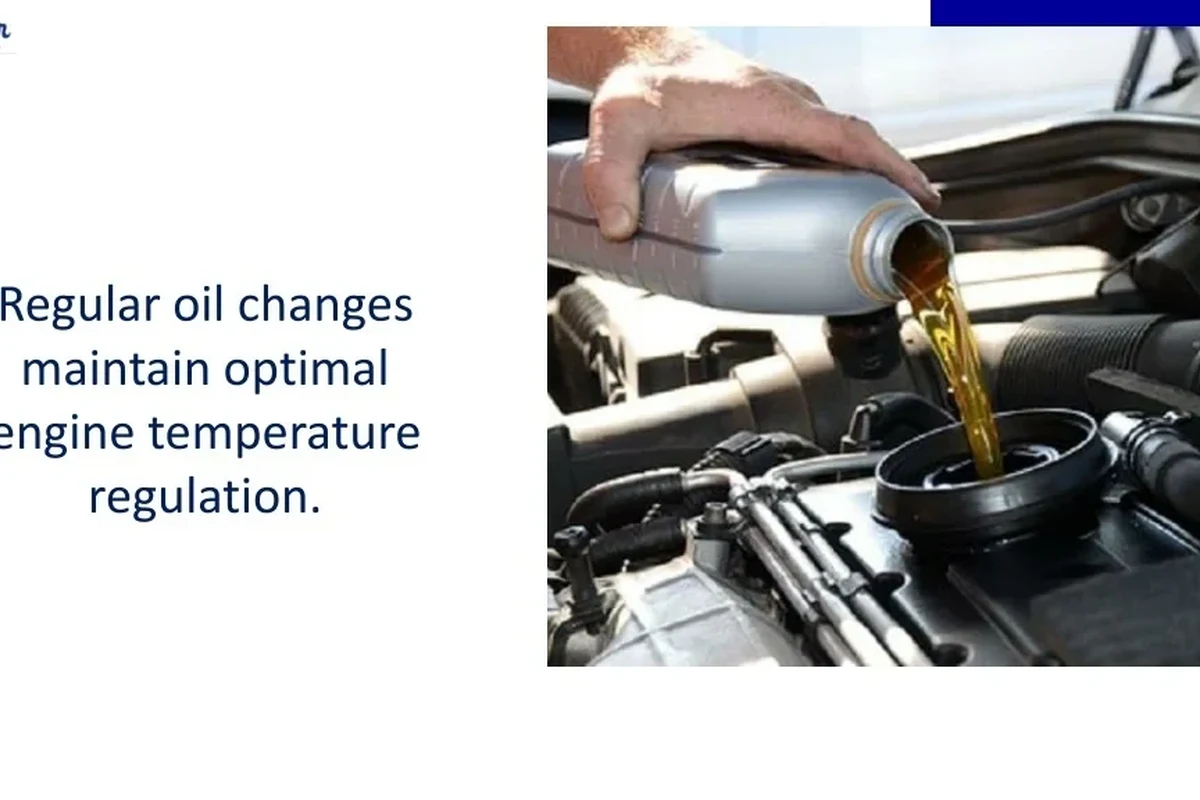
Check your oil levels regularly, especially if you notice any of these signs. If you find low levels or dirty oil, schedule a change immediately.
What Happens If You Don’t Change Your Oil?
Neglecting oil changes can have serious repercussions on your vehicle’s engine. Understanding these consequences can help you prioritize maintenance and avoid future problems.
Consequences of Neglecting Oil Changes
When you fail to change your oil, a few critical issues can arise:
- Engine Sludge: Old oil can turn into sludge, hindering its ability to lubricate engine parts.
- Overheating: Insufficient lubrication leads to increased friction, causing the engine to overheat.
- Increased Wear: Parts wear out faster, leading to costly repairs or engine failure.
Signs You May Need an Oil Change
Paying attention to warning signs can help you avoid the consequences of neglecting oil changes. Look out for:
Oil pressure warning light activation. Unusual engine noises, such as knocking or ticking. Dark, gritty oil on the dipstick. You can also use how to change oil in volvo penta stern drive as the next practical guide.
Confirm the oil change intervals specific to your Volvo model and year by referring to the owner’s manual or contacting a local dealer.
Why Regular Oil Changes Matter for Volvo Engines
Regular oil changes are vital for maintaining the longevity and performance of your Volvo’s engine. Each model may have specific requirements, so understanding this can prevent issues down the road. For official guidance on this, see Volvo Cars official website.
Engine Wear and Performance
Fresh oil maintains optimal engine performance by ensuring that all parts are well-lubricated. Neglecting oil changes can significantly increase wear on components, leading to performance issues and premature engine failure. For related context, read how to change oil in volvo penta 5 0.
Model-Specific Risks: A Closer Look at Popular Volvo Models
Different Volvo models may experience unique issues due to oil neglect. For example:
- Volvo XC90: This model’s turbocharged engine relies heavily on clean oil for optimal performance.
- Volvo S60: Poor oil maintenance can lead to turbo failure, resulting in costly repairs.
Common Mistakes Volvo Owners Make Regarding Oil Changes
Understanding common pitfalls can help you avoid costly mistakes in oil maintenance.
Ignoring Maintenance Alerts
Many Volvo models come with maintenance alerts that indicate when an oil change is due. Ignoring these can lead to serious engine problems.
Using Incorrect Oil Types
Using the wrong type of oil can negatively impact engine performance and longevity. Always consult your owner’s manual for oil specifications. You can also use how to change oil in volvo penta 4 3 gl as the next practical guide.
Document your oil change history and verify that you’re using the correct oil type for your specific model to avoid unnecessary costs.
Next Steps: What to Do If You’ve Missed an Oil Change
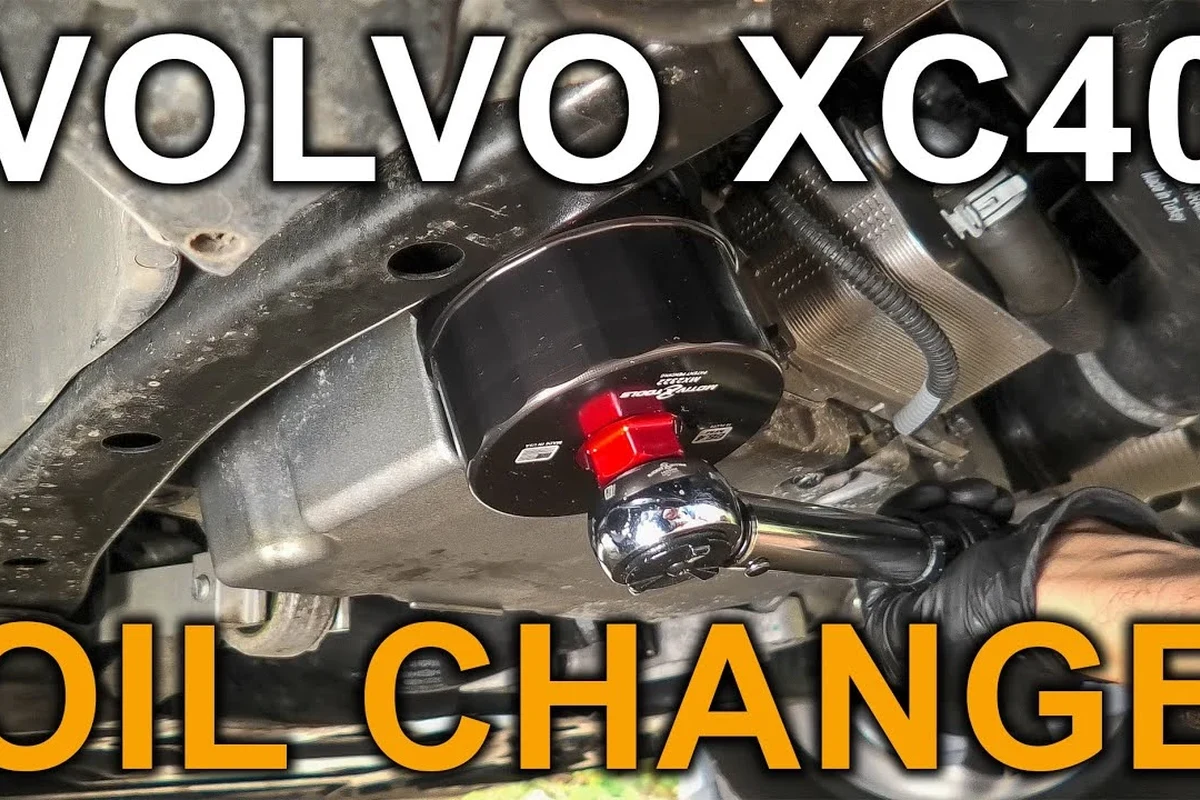
If you’ve missed an oil change, it’s essential to take immediate action to assess and rectify the situation.
Assessing Your Engine’s Condition
Check your oil level and condition. If the oil appears dirty or has a burnt smell, it’s crucial to get an oil change right away. Also, have a technician inspect your engine for any potential damage. For related context, read how to change gear oil in volvo penta outdrive.
- Listen for any unusual noises during your drive.
- Monitor the oil pressure gauge for any irregular readings.
- Pay attention to any warning lights on the dashboard.
How to Properly Maintain Your Volvo’s Oil System
Proper maintenance of your oil system can extend the life of your engine and prevent costly repairs. For official guidance on this, see EPA fuel economy guide.
Oil Change Intervals for Different Volvo Models
Oil change intervals can vary based on the model and driving conditions. Generally, it’s advisable to change your oil every 5,000 to 7,500 miles, but always check your owner’s manual for specific recommendations. You can also use how often do you change oil in volvo xc90 as the next practical guide.
Many Volvo models feature oil life monitoring systems that help track when an oil change is due, ensuring optimal performance.
What Happens If You Don’t Change Your Oil
If you neglect to change your oil, your engine can suffer from severe damage, including sludge buildup, overheating, and increased wear on components. These issues not only impair performance but can also lead to costly repairs or complete engine failure.
Maintaining a regular oil change schedule is essential for your Volvo’s health and efficiency.
Check oil levels regularly and look for signs of dirt or sludge. Pay attention to warning lights and unusual engine noises. Follow the specific oil change intervals outlined in your owner’s manual. For related context, read how often to change oil in volvo xc60.
This guide on what happens if you dont change your oil is general information. Rules, fees, rents, salaries, service coverage, product details, and procedures can change, so confirm important points with the manufacturer, retailer, or official app documentation before acting.
A Few More Questions
Neglecting oil changes can lead to engine sludge, which impairs lubrication, and overheating due to increased friction. These issues can accelerate wear on engine parts, potentially resulting in costly repairs or complete engine failure.
It’s generally advisable to change your oil every 5,000 to 7,500 miles, but you should always refer to your owner’s manual for specific recommendations for your model. Following the recommended intervals helps maintain optimal engine performance and longevity.
Look for signs such as the oil pressure warning light activation, unusual engine noises like knocking or ticking, and dark, gritty oil on the dipstick. Recognizing these signs early can help you avoid severe engine damage.
If you’ve missed an oil change, assess your engine’s condition by checking the oil level and appearance, looking for signs of dirt or a burnt smell. It’s also advisable to have a technician inspect your engine for any potential damage.
Many Volvo owners ignore maintenance alerts that indicate when an oil change is due, which can lead to serious engine issues. Also, using the wrong type of oil can negatively impact engine performance, so always consult your owner’s manual for specifications.
Many Volvo models feature oil life monitoring systems that help track when an oil change is due, ensuring optimal performance. Regularly checking your oil levels and maintaining documentation of your oil change history can also assist in this process.
Final Thoughts
Neglecting oil changes can lead to significant damage to your Volvo’s engine, potentially costing you thousands in repairs. Regular maintenance is crucial for keeping your vehicle in top shape.
Always refer to your owner’s manual for specific maintenance guidelines tailored to your model. You can also use volvo oil change calculator as the next practical guide.
Author

💡 Evans Torres Tip: On every Volvo I have owned, I always keep a full digital service record from day one. When something goes wrong — and eventually something always does — having that history makes diagnosis faster and often saves money at the mechanic. Start your records today, even if the car is not new.