
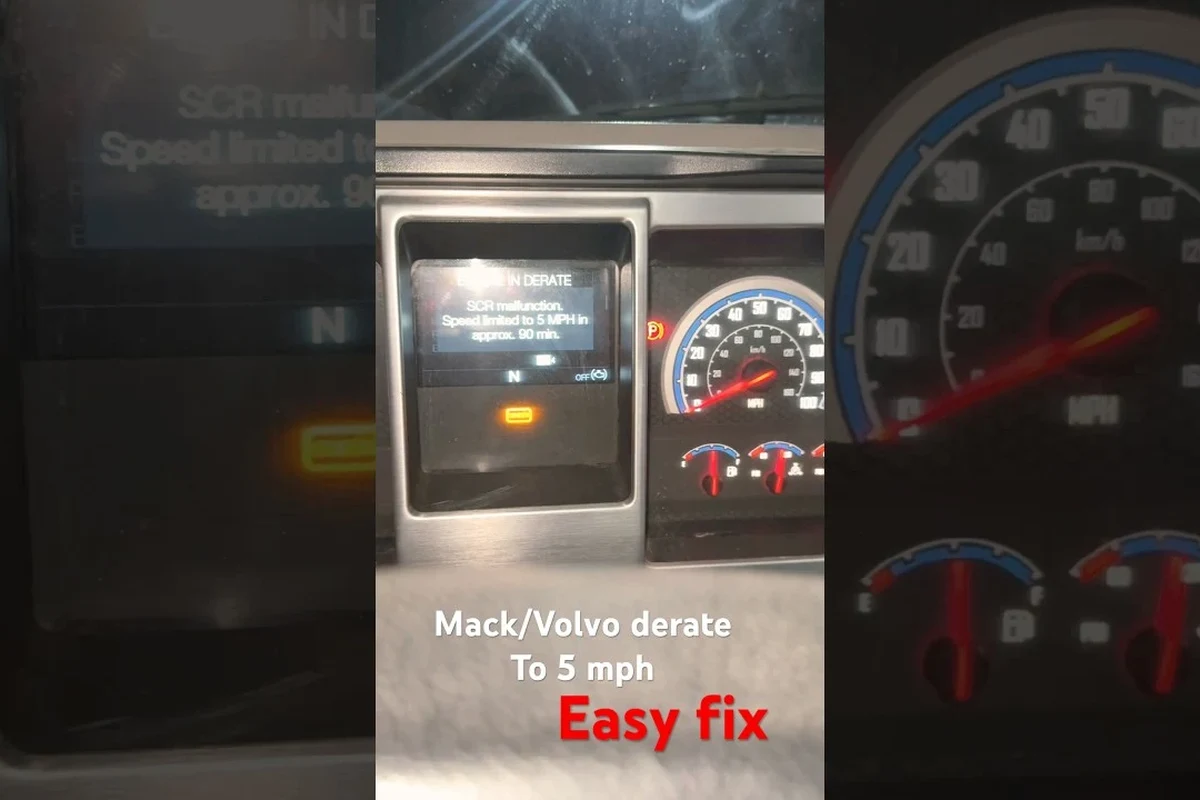
Engine derate is a protective feature in Volvo vehicles designed to prevent engine damage when problems arise. It limits engine power, allowing the vehicle to operate under reduced capacity until the underlying issue is resolved.
Engine derate in your Volvo can lead to reduced power and performance, often due to safety measures triggered by engine issues. Learning how to clear engine derate on a Volvo is vital for restoring optimal function. You can also use how to check engine oil in 2017 volvo s60 as the next practical guide.
This guide will walk you through the necessary steps.
- Understanding Engine Derate in Your: Engine derate is a protective feature in Volvo vehicles designed to prevent engine damage.
- How to Identify Engine Derate: Recognizing the signs of engine derate is crucial for timely intervention..
- Steps to Clear Engine Derate: To clear engine derate, follow these steps carefully..
- Common Causes of Engine Derate: Understanding the reasons why a Volvo might go into engine derate can help in.
- Preventing Future Engine Derate Issues: Regular maintenance matters for preventing engine derate..
Understanding Engine Derate in Your Volvo
Engine derate is a protective feature in Volvo vehicles designed to prevent engine damage when problems arise. It limits engine power, allowing the vehicle to operate under reduced capacity until the underlying issue is resolved.
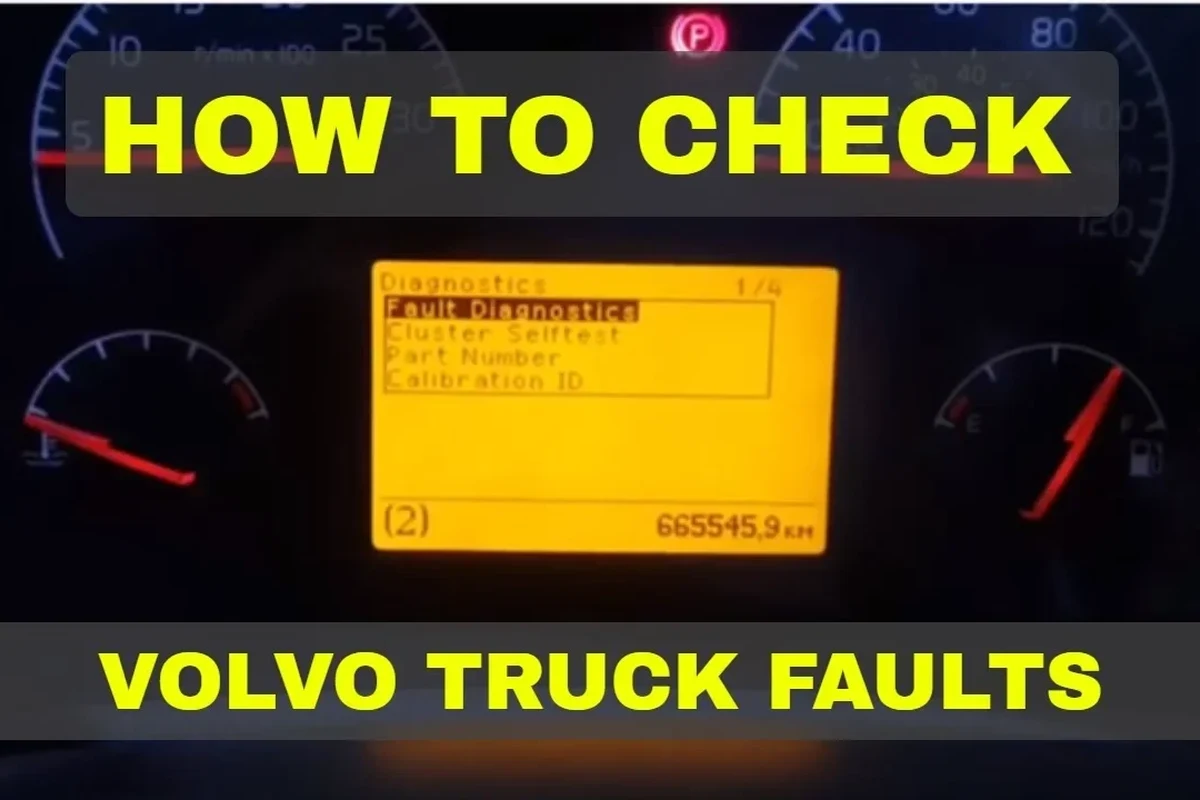
What is Engine Derate?
Engine derate occurs when the vehicle’s engine management system detects a fault, triggering a safety protocol that reduces engine output. This can be due to various factors such as overheating, low oil pressure, or emissions system issues. For related context, read how to check engine oil in a 2004 volvo xc70.
Understanding this feature is essential for Volvo owners to maintain vehicle performance and safety.
Specifications copied across websites often mix markets and model years; confirm any figure you plan to rely on with the official source.
How to Identify Engine Derate in a Volvo
Recognizing the signs of engine derate is crucial for timely intervention. Common symptoms include:
- Dashboard warning lights, such as the check engine light.
- Noticeable loss of power or acceleration.
- Unusual engine noises or vibrations.
- Increased fuel consumption.
If you experience any of these symptoms, your Volvo may be in derate mode, signaling the need for troubleshooting. You can also use how to service a volvo penta engine as the next practical guide.
Steps to Clear Engine Derate on a Volvo
To clear engine derate, follow these steps carefully. Ensure you have the right tools, such as an OBD-II scanner. For related context, read how to start a volvo penta engine.
- Check for Diagnostic Codes:
Connect your OBD-II scanner to the vehicle’s diagnostic port, usually located under the dashboard. Scan for any trouble codes that may indicate the cause of derate.
- Address the Underlying Issue:
Once you’ve identified the codes, resolve the underlying problem, whether it’s changing oil, repairing a coolant leak, or addressing emissions system failures.
- Clear the Codes:
After fixing the issue, use the OBD-II scanner to clear the trouble codes from the engine control unit (ECU). For official guidance on this, see Volvo Cars official website.
- Restart the Engine:
Turn off the vehicle, wait a few seconds, and restart it. Monitor for any warning lights to ensure the derate has been cleared.
- Test Drive:
Take the vehicle for a test drive to confirm that the engine is operating normally and that the derate has been resolved.
Check the exact model year, trim, engine, and market, because Volvo changes equipment and specifications between years and regions.
Common Causes of Engine Derate
Understanding the reasons why a Volvo might go into engine derate can help in prevention and troubleshooting. Common causes include:
Overheating due to low coolant levels or a faulty thermostat. Low oil pressure, often caused by oil leaks or insufficient oil levels. Emissions control issues, such as a malfunctioning EGR valve or catalytic converter. Faulty sensors that may incorrectly signal a problem. You can also use how to reset check engine light on volvo xc60 as the next practical guide.
By identifying these factors, owners can take preventive measures to avoid future derate occurrences.
Look up the crash-test results and recall history for the exact model year rather than relying on the generation’s general reputation.
Preventing Future Engine Derate Issues
Regular maintenance matters for preventing engine derate. Here are some tips:
- Regularly check and change engine oil as per the manufacturer’s recommendations.
- Monitor coolant levels and ensure the cooling system is functioning properly.
- Inspect the emissions system periodically for any signs of wear or malfunction.
- Address any warning lights or unusual sounds immediately to prevent escalation.
Look at the engine and transmission options together with the service schedule, since ownership costs follow the powertrain more than the badge.
When to Consult a Professional
If clearing the derate does not resolve the issue, it’s essential to consult a professional. Signs that you should seek help include: For official guidance on this, see IIHS vehicle safety ratings.
Persistent warning lights after attempting to clear the derate. Unusual noises or vibrations that could indicate serious engine problems. Repeated engine derate incidents despite following maintenance protocols. For related context, read how to reset check engine light on volvo xc90.
Model-Specific Considerations
The process for clearing engine derate may vary between different Volvo models and model years. Common variations include:
- Differences in OBD-II port locations and diagnostic procedures.
- Variations in engine control unit (ECU) software that may affect how derate is triggered.
- Specific sensors and systems that differ based on engine type and emissions requirements.
Always refer to your vehicle’s owner’s manual for model-specific procedures and troubleshooting tips. You can also use how to see engine temp on volvo xc90 as the next practical guide.
Volvo specifications, features, and equipment can differ by model year, market, and trim, so a detail that is true for one car may not apply to another.
How to Clear Engine Derate on a Volvo
To clear engine derate on your Volvo, first connect an OBD-II scanner to identify any diagnostic trouble codes.
After addressing the underlying issues, clear the codes using the scanner, restart the engine, and take the vehicle for a test drive to ensure normal operation. Following these steps will restore optimal performance and prevent future derate occurrences.
Connect the OBD-II scanner to the diagnostic port. Resolve the underlying issue indicated by the diagnostic codes. Clear the trouble codes and restart the engine for a test drive. For related context, read how to replace volvo engine oil gasket 3547188.
This guide on how to clear engine derate on a volvo is general information. Rules, fees, rents, salaries, service coverage, product details, and procedures can change, so confirm important points with the manufacturer, retailer, or official app documentation before acting.
Common Questions
You will need an OBD-II scanner to connect to your vehicle’s diagnostic port. This tool is essential for scanning trouble codes and clearing them after addressing the underlying issues.
Common signs of engine derate include dashboard warning lights, noticeable loss of power, and increased fuel consumption. If you experience any of these symptoms, it indicates your Volvo may be operating in derate mode.
First, connect your OBD-II scanner to check for diagnostic codes and address the identified issues. After fixing the problem, clear the codes using the scanner, restart the engine, and test drive the vehicle to ensure normal operation.
Engine derate can be caused by overheating, low oil pressure, or emissions control issues. Identifying these factors can help you take preventive measures to avoid future occurrences.
If warning lights persist after attempting to clear the derate, or if you experience unusual noises, you should seek professional help. Also, repeated derate incidents despite proper maintenance indicate the need for expert intervention.
Yes, the process for clearing engine derate can differ based on the model and year of your Volvo. Always refer to your vehicle’s owner’s manual for specific procedures and troubleshooting tips applicable to your model.
Final Words
Addressing engine derate issues promptly is vital for maintaining your Volvo’s performance and longevity. Regular maintenance and understanding the signs can help prevent derate occurrences.
Stay informed about your Volvo’s health to ensure longevity and performance.
Author

💡 Evans Torres Tip: On every Volvo I have owned, I always keep a full digital service record from day one. When something goes wrong — and eventually something always does — having that history makes diagnosis faster and often saves money at the mechanic. Start your records today, even if the car is not new.