


Engine system reduced performance Volvo XC90 turtle indicates a serious issue affecting engine power. This often results from a malfunctioning component or system needing immediate attention.
The Volvo XC90 is a luxury SUV known for its robust performance and advanced engineering. However, like any vehicle, it can face certain issues that affect its performance, one of which is the dreaded “engine system reduced performance” warning.
When this alert appears, especially accompanied by symptoms like sluggish acceleration or a “turtle” icon, it signals that something is amiss under the hood. Understanding the specifications and implications of this warning can help you take the right steps for repair and maintenance.
- The “engine system reduced performance” warning can indicate various issues.
- Common causes include faulty sensors, turbocharger issues, or fuel system malfunctions.
- Model year and trim level can influence the specific components involved.
- Diagnosis may require a specialized OBD-II scanner for accurate readings.
Specifications of the Volvo XC90 Engine System
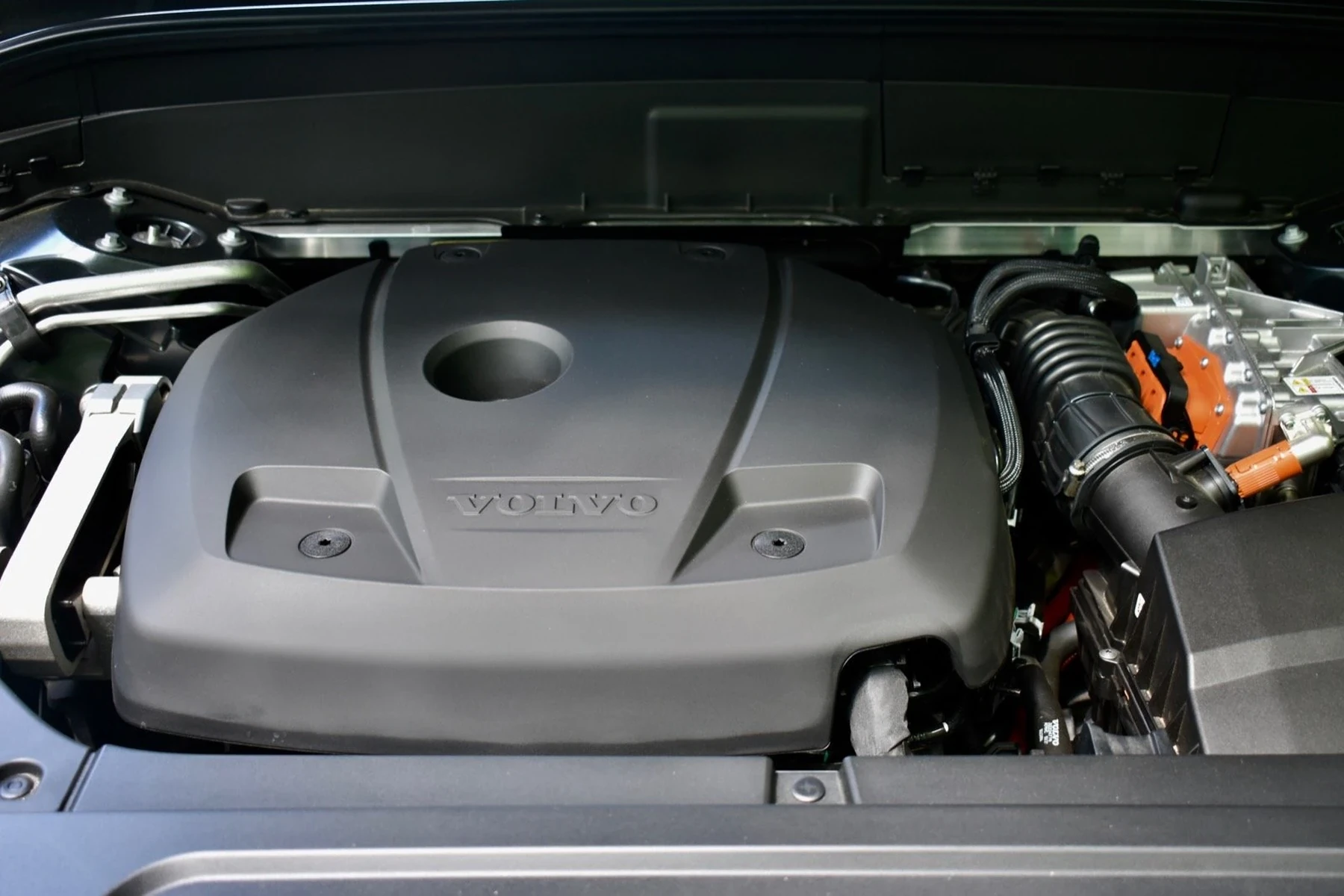
The Volvo XC90 features several engine configurations depending on the model year and trim. Typically, it offers both gasoline and hybrid options. Common engines include the T5, T6, and T8 variants, with power outputs ranging from around 250 to 400 horsepower.

| Model Year | Engine Type | Horsepower | Torque (lb-ft) |
|---|---|---|---|
| 2016-2019 | T5 (2.0L I4) | 250 | 258 |
| 2016-2019 | T6 (2.0L I4) | 316 | 295 |
| 2016-2019 | T8 (2.0L I4 Hybrid) | 400 | 472 |
| 2020-2023 | B5 (2.0L I4) | 247 | 258 |
| 2020-2023 | B6 (2.0L I4) | 295 | 310 |
Understanding the “Engine System Reduced Performance” Warning
When you see the “engine system reduced performance” warning in your Volvo XC90, it typically indicates that the engine management system has detected an anomaly that could affect performance. This warning is often accompanied by a turtle icon, which signifies that the vehicle’s power has been significantly limited.
For related context, you may also want to read Volvo S60 reduced engine performance.
Common Causes
Various factors could lead to this warning. Here are some of the most common causes:
- Faulty Sensors: Engine sensors, like the mass airflow sensor or throttle position sensor, can fail, sending incorrect data to the engine control unit (ECU).
- Turbocharger Issues: In turbocharged models (T6 and T8), problems with the turbocharger can lead to reduced power.
- Fuel System Malfunctions: Issues such as a clogged fuel filter or failing fuel pump can restrict fuel flow, impacting performance.
Impact on Performance
The impact of reduced engine performance can be significant. Drivers may experience sluggish acceleration, decreased fuel efficiency, and an overall lack of power. These symptoms can make daily driving frustrating and even unsafe, particularly in situations that require quick acceleration.
Diagnosing the Issue: Tools and Techniques
Diagnosing the cause of the “engine system reduced performance” warning typically requires the use of an OBD-II scanner. This tool can read error codes stored in the vehicle’s computer, pinpointing the source of the problem.
This connects closely with Volvo engine system service required reset if you want to compare the topic in more detail.
Steps to Diagnose
- Connect an OBD-II scanner to the vehicle’s diagnostic port.
- Retrieve any stored trouble codes.
- Interpret the codes to identify specific components or systems that are malfunctioning.
If you’re not comfortable using a scanner, consider visiting a mechanic or a Volvo dealership for a professional diagnosis.
Common Repairs and Costs
Repair costs for issues related to the “engine system reduced performance” warning can vary widely based on the root cause and model year of your XC90. Here are some common repairs and their estimated costs:
| Issue | Average Cost |
|---|---|
| Replace Mass Airflow Sensor | $200 – $400 |
| Turbocharger Replacement | $1,500 – $3,000 |
| Fuel Pump Replacement | $300 – $800 |
Maintenance Tips to Prevent Issues
Regular maintenance can go a long way in preventing issues that might lead to the “engine system reduced performance” warning. Here are some useful tips:
- Change the engine oil and filter as per the manufacturer’s schedule.
- Regularly inspect and replace air and fuel filters.
- Keep an eye on the performance of your turbocharger.
- Use high-quality fuel and engine oil suitable for your XC90 model.
💡 Evans Torres Tip: Regularly check your engine’s diagnostic codes with an OBD-II scanner, even if no warning lights are illuminated. This proactive approach can catch issues before they become serious.
Frequently Asked Questions
What Does the Turtle Icon Mean on My Volvo XC90?
The turtle icon indicates that the engine system has detected a problem, leading to reduced performance. This is a safety feature to prevent further damage.
Can I Drive My Volvo XC90 with the Engine System Reduced Performance Warning?
Driving with this warning is not advisable. It can lead to further damage and unsafe driving conditions. It’s best to address the issue promptly.
How Can I Reset the Engine System Reduced Performance Warning?
The warning can sometimes be reset by disconnecting the battery for a few minutes. However, it’s crucial to diagnose and fix the underlying issue first.
What Are the Common Symptoms Associated with Engine System Reduced Performance?
Common symptoms include decreased acceleration, poor fuel efficiency, and overall sluggishness while driving.
Are There Any Recalls Related to Engine Performance Issues in the XC90?
While there have been recalls for various components in different model years, it’s essential to check with Volvo or your dealership for the most accurate information regarding your specific vehicle.
Final Verdict
Experiencing the “engine system reduced performance Volvo XC90 turtle” warning is a serious matter. Understanding the specifications, common causes, and potential repairs can empower you to take action quickly. Regular maintenance and timely diagnostics are key to keeping your Volvo XC90 running smoothly and enjoying its luxury features without interruption.
Author

Author

Evans Torres
I’m Evans Torres, an automotive engineer who loves Volvo cars. I graduated in Automotive Engineering from USC. I have worked in the car industry for years and now share my knowledge on The Volvo Life. I started this blog to connect with other Volvo fans. I offer tips, news, and advice to help you care for your car. My goal is to help you keep your Volvo in great shape and find all the best things about it. Join me as we discover everything Volvo has to offer!