


Difference between volvo v60 cross country and v90 cross country comes down to footprint and space versus price: the V90 Cross Country is longer and roomier with a more grand-touring feel, while the V60 Cross Country costs less, is easier to park, and sips slightly less fuel.
The Volvo V60 Cross Country and V90 Cross Country are two flavors of the same idea: elevated all-wheel-drive wagons that blend SUV-like ground clearance with car-like comfort. They share Volvo’s safety-first ethos and understated style, yet differ meaningfully in size, cargo room, and cost.
For US shoppers in 2026, there’s another wrinkle. The V90 Cross Country’s US run ended after the 2021 model year, while the V60 Cross Country continued through the 2024 model year. That makes today’s decision mostly a used-market comparison, but the core pros and cons remain clear.
- Main difference: V90 Cross Country = more length, rear space and grand-touring calm; V60 Cross Country = lower purchase price, easier to maneuver, slightly better mpg.
- Best for V60 Cross Country: Urban/suburban families who want versatility, winter-ready traction, and lower total cost.
- Best for V90 Cross Country: Road-trippers who prioritize rear-seat/baggage room and a more relaxed highway ride.
- Cost/value: Like-for-like years/miles, the V90 Cross Country typically commands more money; the V60 Cross Country often offers more feature-per-dollar in the US used market.
- Important caveat: Infotainment differs by year—late V60 Cross Country models use Google built-in, while US-market V90 Cross Country models retained Sensus.
Are the Volvo V60 Cross Country and V90 Cross Country direct competitors?
Yes and no. Both are raised, AWD Volvo wagons with similar mission statements, but they sit in different size classes and price brackets. The V90 Cross Country is the larger, more premium entry; the V60 Cross Country is the smaller, more affordable one.
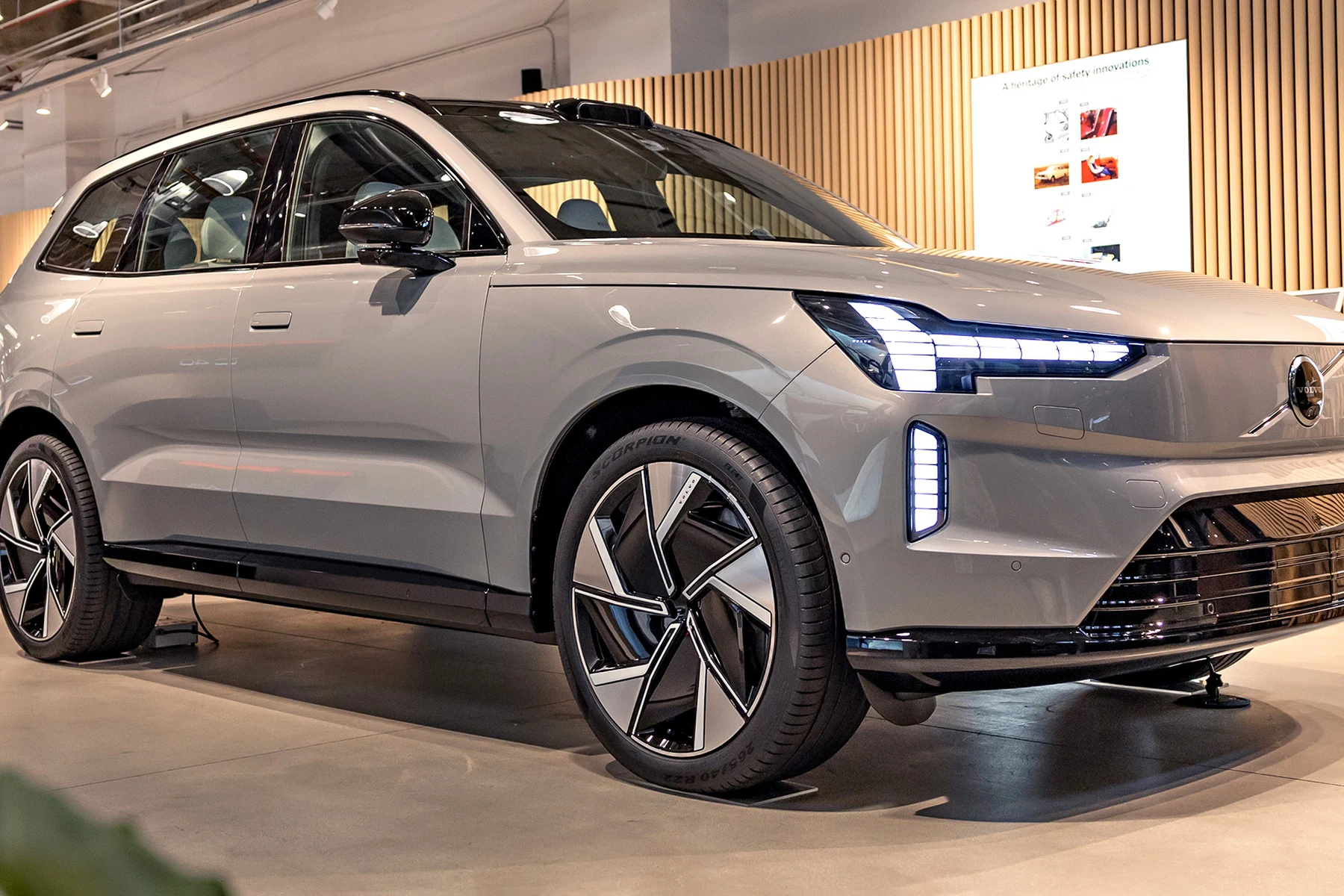
In the US, the V90 Cross Country exited after 2021, while the V60 Cross Country sold new through 2024. Today they’ll likely be cross-shopped pre-owned, where the V90 CC’s space advantage meets the V60 CC’s value edge.
For US buyers, verify the exact model year and trim on the window sticker or VIN report. Late V60 Cross Country models (2023–2024) differ from early ones (2019–2021) in infotainment and powertrain naming. US-market V90 Cross Country availability ended after 2021.
At a glance: Volvo V60 Cross Country vs V90 Cross Country
The table below spotlights the differences that most shoppers feel in daily use: size, cargo, mpg, price when new, and key tech. Values reflect typical US-market specifications for comparable years.
| Specification | Volvo V60 Cross Country (US) | Volvo V90 Cross Country (US) |
|---|---|---|
| US new-sales model years | 2019–2024 | 2017–2021 |
| Powertrain (typical US) | 2019–2021: T5 2.0L turbo I4 AWD; 2022–2024: B5 48V mild hybrid AWD | 2017–2021: T5 2.0L turbo I4 AWD |
| Output (approx. US ratings) | T5: 250 hp/258 lb‑ft; B5: 247 hp/258 lb‑ft | T5: 250 hp/258 lb‑ft |
| Transmission | 8‑speed automatic | 8‑speed automatic |
| EPA fuel economy (combined) | Approx. 25 mpg (2019–2021 T5 AWD); ~26 mpg (2022–2024 B5 AWD) | Approx. 23 mpg (2017–2021 T5 AWD) |
| Overall length | ~188.5 in | ~195.2 in |
| Wheelbase | ~113.1 in | ~115.8 in |
| Ground clearance | ~8.3 in | ~8.3 in |
| Cargo volume (rear seats up) | ~23 cu ft | ~25–26 cu ft |
| Cargo volume (max) | ~50–51 cu ft | ~53–54 cu ft |
| Rear legroom | ~35 in | ~36 in |
| Curb weight (typical span) | ~3,900–4,050 lb | ~4,200–4,300 lb |
| Base MSRP when new (typical) | ~$46k–$51k across 2019–2024 | ~$55k–$60k across 2017–2021 |
Later US V60 Cross Country models adopted Google built-in (native Google Maps/Assistant). The US-market V90 Cross Country did not; it retained Volvo’s Sensus infotainment during its run.
Main differences between the Volvo V60 Cross Country and V90 Cross Country
The V90 Cross Country is the larger wagon, with a longer body and wheelbase that translate to roomier rear quarters and a slightly bigger cargo hold. On long trips it delivers a calmer, more “grand-touring” ride and more space for passengers and luggage.
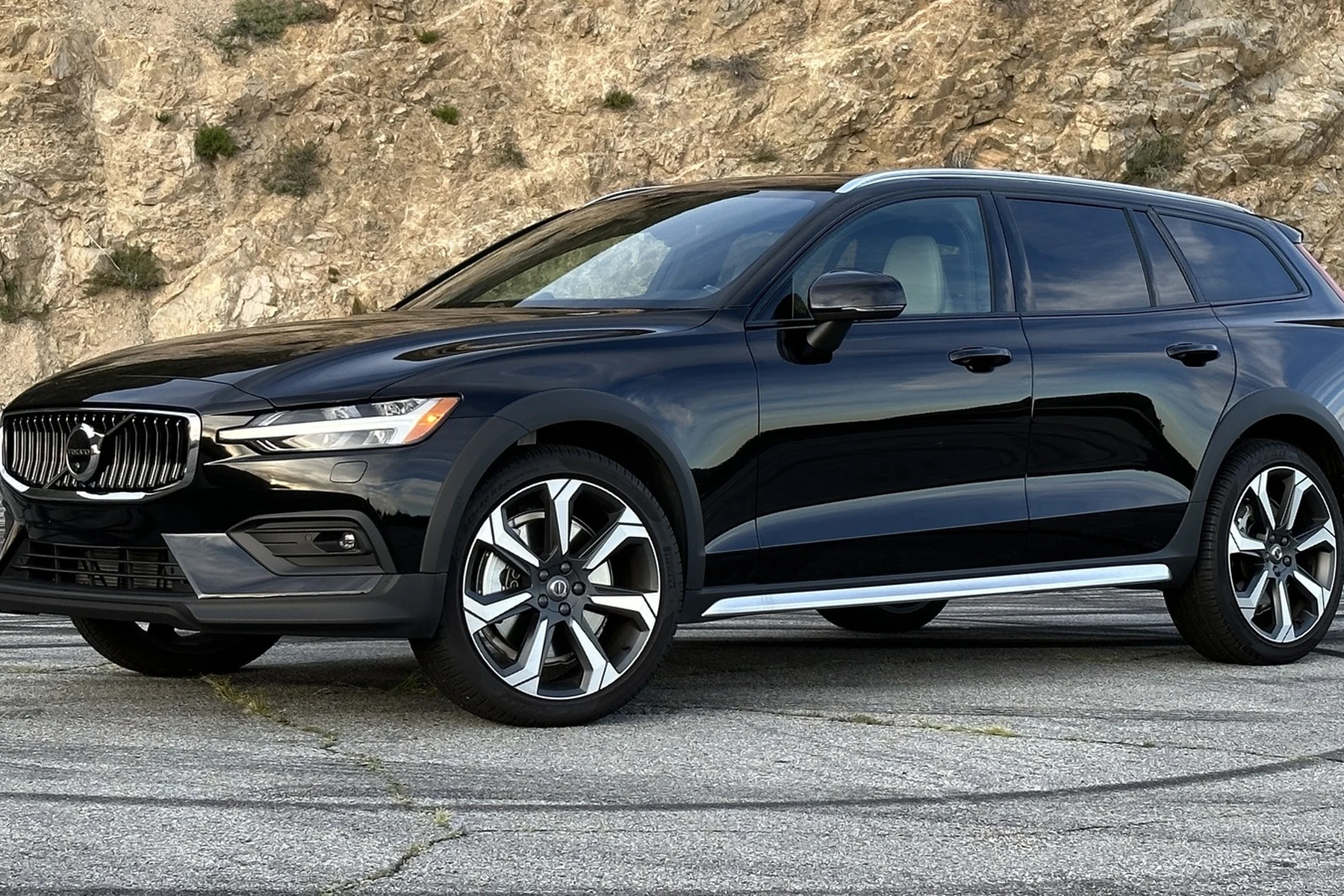
The V60 Cross Country costs less to buy and run. It fits parking spaces and garages more easily, and later B5 mild‑hybrid years provide a modest mpg advantage. In late-model years, the V60 CC also offers Google built‑in infotainment not found in US‑market V90 CCs.
Similarities and common ground
Both are five-passenger, AWD Volvo wagons with ~8.3 inches of ground clearance, standard advanced safety features, and an 8‑speed automatic. Both emphasize comfort over sport, with confident winter traction and a quiet, minimalist cabin aesthetic.
Feature content will overlap heavily by trim and option packages, so verifying the exact build sheet matters more than model name for many conveniences.
Before judging value, compare the specific cars’ build sheets: wheel/tire size, seat type (standard vs. ventilated), audio upgrade, driver aids, tow prep, and roof systems. Equipment swings can outweigh model‑to‑model price gaps.
Price, comparable trims and feature-adjusted value
When new, the V90 Cross Country sat one rung above the V60 Cross Country, typically starting several thousand dollars higher. In the US used market, that hierarchy largely holds due to the V90 CC’s size, rarity, and premium positioning.
Value tilts toward the V60 Cross Country when you prioritize later tech (Google built‑in), lower mileage per dollar, or ownership costs. The V90 Cross Country makes sense when back‑seat comfort and luggage space are worth the extra spend.
- 19–20 inch tires on either wagon can be pricey; budget for quality all‑season or winter sets.
- Insurance can run higher on rarer trims; get quotes on both VINs.
- Stick to factory maintenance intervals to preserve resale.
Planning long-term maintenance? Review schedules specific to each model: the V60 Cross Country maintenance schedule and the V90 maintenance schedule can help you map costs.
Size, seating, cargo and everyday practicality
The V90 Cross Country’s extra 6–7 inches of length benefit rear passengers and cargo flexibility. Expect easier rear-facing child-seat installation and slightly more legroom, plus a broader, longer load floor when the seats are folded.
The V60 Cross Country still carries bulky strollers, skis, or a dog crate with ease. If your garage or city parking is tight, its smaller footprint is a daily stress reducer, and roof loads fit similarly thanks to standard rails and identical ground clearance.
- Bring your stroller, golf bag, or travel suitcases and load both wagons.
- Install your child seat behind the driver and sit in front to check knee clearance.
- Back into your typical garage/spot to gauge parking ease.
Interior comfort, visibility and cabin usability
Both cabins share Volvo’s supportive seats, excellent outward visibility, and intuitive physical controls for core driving tasks. The V90 Cross Country feels airier in the back, with a wider bench and more shoulder room for two adults plus a child seat.
The V60 Cross Country’s front seats are equally comfortable on long trips. If you’re tall, try both: the V90 CC’s extra cabin width and rear-door aperture make entry/exit smoother for family duty.
Infotainment, controls and technology
Expect two eras of Volvo tech. Most V90 Cross Country models in the US use Sensus: a 9‑inch portrait touchscreen with Apple CarPlay/Android Auto via cable, plus a digital cluster. It’s cleanly laid out but can feel slower than newer systems.
Late V60 Cross Country models (2023–2024) use Google built‑in with native Google Maps and Google Assistant, faster responses, and over‑the‑air updates. Earlier V60 CCs share Sensus with the V90 CC, so compare years, not just model names.
Volvo’s T5 is a 2.0L turbo I4. The later B5 is the same base engine with a 48V mild‑hybrid assist. If you’re new to Volvo’s badges, this quick primer helps: Volvo T5 vs T6 explained.
Safety and driver assistance
Both wagons come standard with City Safety automatic emergency braking and lane-keeping, and typically offer Pilot Assist (adaptive cruise with lane centering). Volvo’s structural safety is excellent, but always compare like-for-like test years.
IIHS awarded strong ratings to both lineups in their eras, with changes in protocols over time. Headlight ratings and advanced systems can vary by trim and year, so verify the specific car’s rating by VIN and model year.
Match the exact model year with the same IIHS protocol, and confirm whether key features (blind-spot, cross-traffic, 360° camera, Pilot Assist) are standard or optional on the specific car you’re buying.
Performance, ride, handling and drivetrain
With shared 2.0L turbo power and an 8‑speed automatic, both feel brisk enough for family duty. The V60 Cross Country is lighter and a touch more agile in city driving. The V90 Cross Country feels more planted and serene at highway speeds.
AWD traction is confident in rain and snow on proper tires. Neither wagon chases sport-sedan dynamics; Volvo tunes both for quiet, secure progress and long-distance comfort.
Fuel economy and range
EPA figures vary by year and powertrain. Typical US numbers: V60 Cross Country T5 AWD around 25 mpg combined; later V60 Cross Country B5 AWD around 26 mpg combined. The larger, heavier V90 Cross Country T5 AWD averages around 23 mpg combined.
Real-world results depend heavily on wheel/tire size, climate, and driving mix. If you do mostly highway miles, both can overachieve their combined ratings on steady interstate cruises.
Reliability, known issues and evidence level
Both models share Volvo’s SPA platform and 2.0L turbo engine family. Broadly, reliability sits mid-pack for premium brands, with electronics and infotainment updates being the more common service items versus major mechanical failures when maintained on schedule.
Anecdotally, owners report occasional software/infotainment hiccups in Sensus-era cars and normal wear items (tires, brakes) arriving on schedule in heavier, AWD wagons. Request service records and a pre-purchase inspection for any used example.
Maintenance, insurance considerations, depreciation and total ownership cost
Routine service costs for both wagons are similar; the larger V90 Cross Country can run slightly higher on tires and brakes. Following the factory schedule is key to keeping advanced safety systems and AWD hardware healthy over time.
Depreciation has largely settled since new sales ended; clean, low-mile V90 CCs can command a premium due to scarcity. For planning, bookmark the V60 Cross Country maintenance schedule and the V90 maintenance schedule to estimate intervals and consumables.
Resale and daily practicality outlook
Family haulers that wear bumps and weather well tend to retain value. The V90 Cross Country’s cargo and rear-seat advantages appeal to long-haul travelers, while the V60 Cross Country’s later tech and easier parking appeal to urban households.
Condition, options, mileage, and color/spec combinations will sway resale more than the name on the tailgate. Documented maintenance is a major plus on either car.
Volvo V60 Cross Country Pros and Cons
- Lower purchase price and typically lower running costs
- Smaller footprint makes city driving and parking easy
- Later models offer Google built‑in infotainment
- Slight fuel economy advantage vs. V90 CC
- Less rear-seat and cargo space than V90 CC
- Some early years use older Sensus system
- Ride is composed, but less grand-touring calm than V90 CC
Volvo V90 Cross Country Pros and Cons
- More rear-seat room and a longer, flatter cargo area
- More serene highway ride and cabin space
- Premium ambiance and rarity on the US market
- Higher purchase price and slightly higher operating costs
- US run ended after 2021; tech is Sensus-era
- Longer body is less convenient in tight urban parking
Which vehicle is better for different buyers?
Alternatives worth considering
If you’re wagon-curious beyond Volvo, the Audi A4 allroad (compact) rivals the V60 CC on size, while the Audi A6 allroad and Mercedes‑Benz E‑Class All‑Terrain rival the V90 CC on space and price. A Subaru Outback XT is a value-rich, mainstream alternative with abundant cargo room.
Availability and pricing vary widely by market, options, and model year. If a factory roof system matters to you, check accessory ecosystems early in your search.
How to Decide Between V60 Cross Country and V90 Cross Country
- Measure your garage and typical parking spaces, then compare to overall length and turning radius.
- Load your real cargo—stroller, skis, crates—into both wagons and check seat‑fold heights/length.
- Test highway comfort at 65–75 mph on imperfect pavement and compare wind/road noise.
- Match infotainment expectations: Sensus vs. Google built‑in, CarPlay/Android Auto behavior, camera views.
- Run full‑VIN checks for features, maintenance history, and open recalls before negotiating.
Before we jump into the FAQs, here’s one practical pointer that can save you time during the search.
💡 Evans Torres Tip: Volvo’s badges (T5 vs. B5) and options can confuse listings. Ask the seller for the full VIN-decoded build sheet, wheel/tire size, and infotainment version screenshots. That single email often clarifies powertrain, driver aids, headlights, and expensive options in one go.
Frequently Asked Questions
Shoppers usually ask about space, efficiency, safety, tech differences, and long-term costs when weighing these two Cross Country wagons. The answers below focus on US‑market model years that overlap most in the used market and highlight where features vary by year or trim.
Which has more cargo space, the V60 Cross Country or V90 Cross Country?
The V90 Cross Country. It’s longer overall and typically offers a slightly bigger load bay both with seats up and folded. If you move long items frequently, the V90 CC’s extended floor and width pay off. That said, the V60 CC still swallows strollers, skis, and weekend gear easily.
Is the V90 Cross Country discontinued in the US?
Yes. US‑market V90 Cross Country sales ended after the 2021 model year. You’ll find them pre‑owned. The V60 Cross Country sold new through 2024 in the US, so newer examples with updated infotainment are more common on dealer lots in 2026.
How much better is the V60 Cross Country on fuel economy?
Modestly. Typical EPA combined ratings hover around 25 mpg for earlier V60 CC T5 AWD and about 26 mpg for B5 mild‑hybrid years, versus roughly 23 mpg combined for the larger V90 CC T5 AWD. Your results will vary with wheels, climate, and driving mix.
Are safety features the same between the two?
Core safety tech (City Safety AEB, lane-keeping, available Pilot Assist) is common to both. Ratings are strong in their eras, but IIHS protocols changed over time. Always verify the specific year’s ratings and whether key driver aids and headlight types are standard or optional.
What’s the key tech difference between the models?
Infotainment era. US V90 Cross Country models used Sensus. Late V60 Cross Country models (2023–2024) feature Google built‑in with native Google Maps and faster updates. If modern infotainment matters, prioritize later V60 CC model years.
Which is better for families with car seats?
The V90 Cross Country offers a bit more rear legroom and a wider rear bench, making front‑row knee room with rear‑facing seats slightly easier to manage. The V60 Cross Country still works well for one or two seats—test with your actual seat and base.
How do maintenance and long-term costs compare?
They’re broadly similar, with the V90 CC potentially higher on tires/brakes due to size. Follow factory intervals and software updates. For planning, see our guides to the V60 Cross Country maintenance schedule and the V90 maintenance schedule.
Does engine naming (T5 vs. B5) change performance a lot?
Not dramatically. Both center on a 2.0L turbo four with similar peak output; the B5 adds a 48V mild‑hybrid system for smoother stop‑start and slight efficiency gains. If you’re decoding badges, see our quick explainer on Volvo T5 vs T6.
Final Verdict
If you want the most wagon for family trips and longer cargo, the Volvo V90 Cross Country remains the better tool—its added length and width deliver real comfort and packing ease. You’ll likely pay more and accept Sensus-era tech, but the highway calm is superb.
If you value easier parking, a lower entry price, and the latest Volvo infotainment, the Volvo V60 Cross Country is the smarter pick—especially in 2023–2024 B5 form. It covers daily duties with less hassle and sips fuel a bit more gently, while staying true to Volvo’s safety-first character.
My Top Picks at a Glance
These three V60 V90 accessories are practical options to compare after choosing the right Volvo configuration.
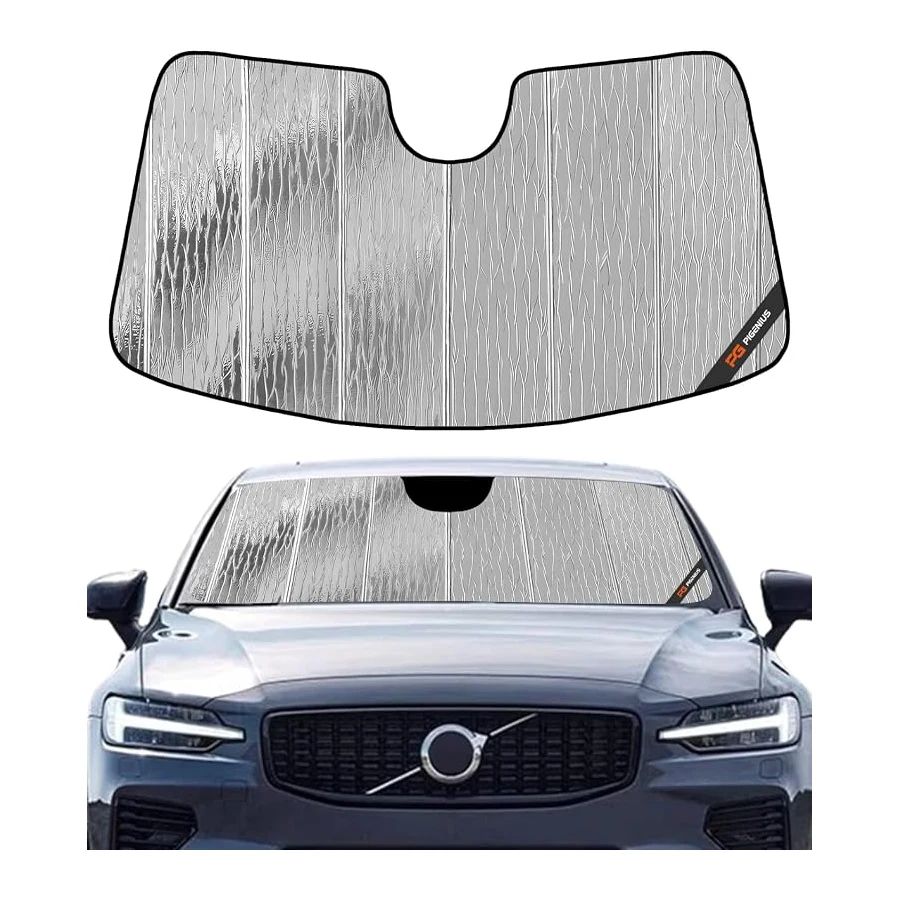 Best Overall
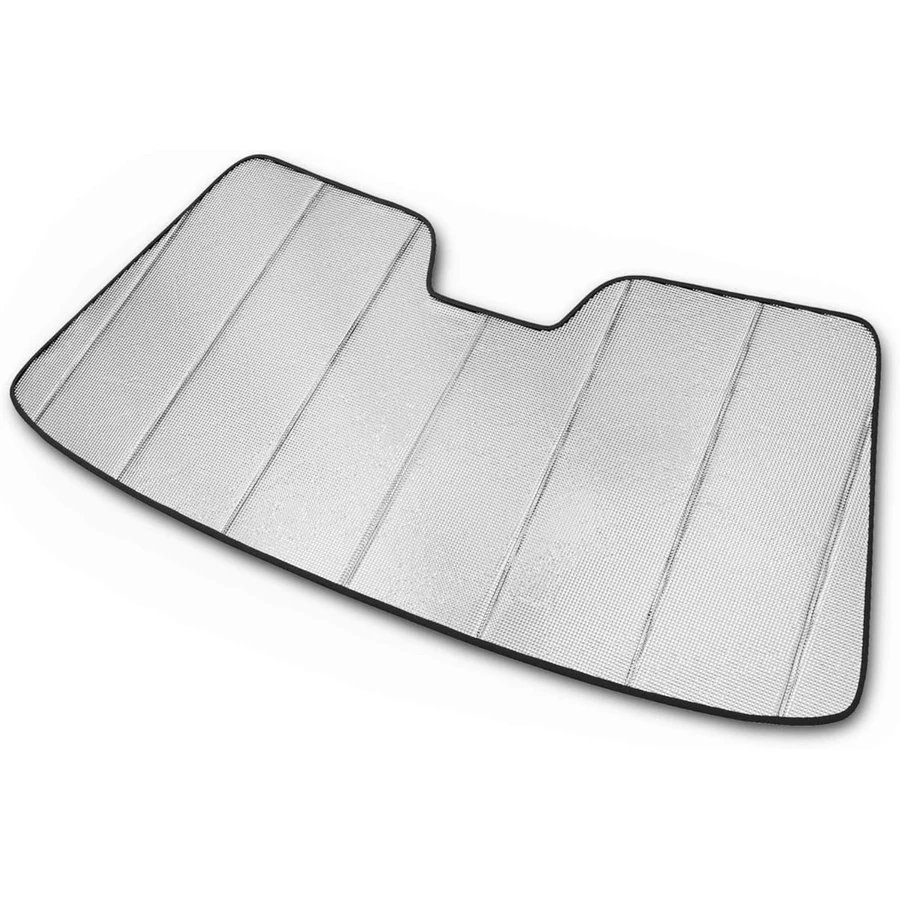
Custom-fit windshield sunshade for Volvo S60, V60, V60 Recharge, Cross Country 2019-2026 blocks UV, by AstraGuard
A vehicle-fit accessory to compare for compatibility, daily usefulness, and value.
 Best Value
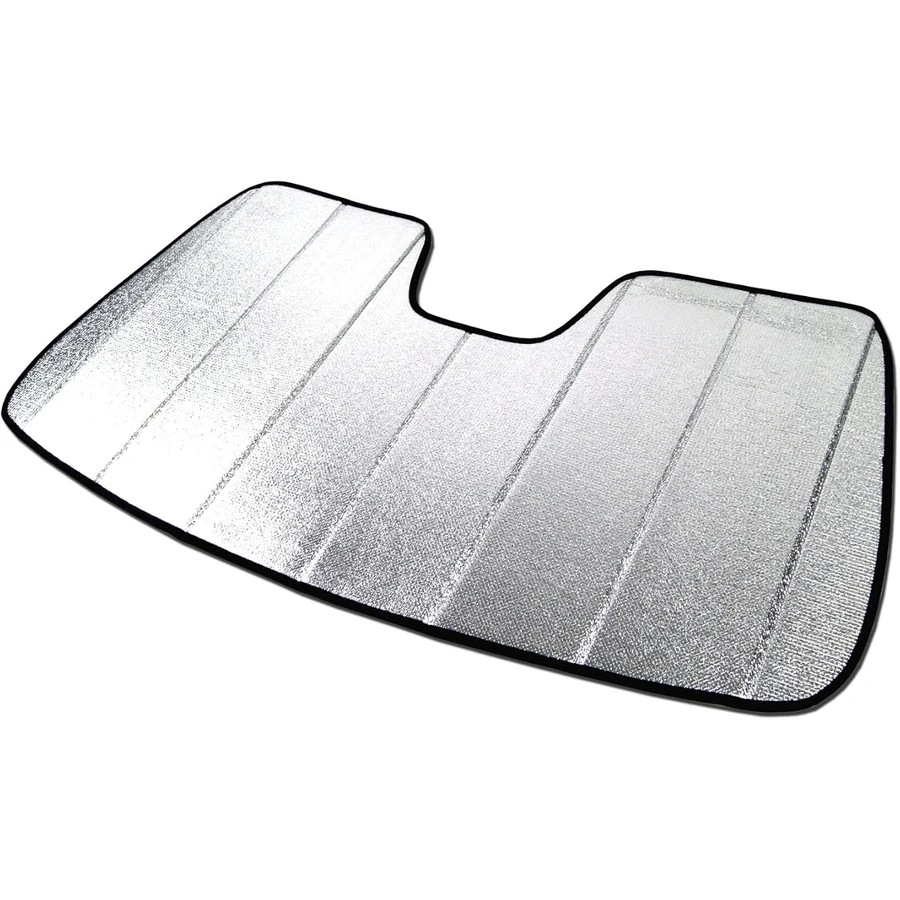
Autotech Park custom-fit foldable windshield sunshade for 2020-2026 Volvo V60 blocks UV, keeps cabin cooler
A vehicle-fit accessory to compare for compatibility, daily usefulness, and value.
 Best Premium Option
Custom-fit windshield sunshade for Volvo V60 Cross Country 2011-2018, fold-up visor, UV blocking, silver/grey CFS-356-S
A vehicle-fit accessory to compare for compatibility, daily usefulness, and value.
Sources and Methodology
This US‑market comparison focuses on overlapping model years: V60 Cross Country (2019–2024) and V90 Cross Country (2017–2021). Specs and dimensions reference official Volvo materials; fuel economy references EPA data; safety references IIHS. Equipment and tech vary by year/trim; always verify by VIN. Data verified August 2026; some figures shown as typical ranges to avoid overprecision where model‑year changes apply.
Author

Author

Evans Torres
I’m Evans Torres, an automotive engineer who loves Volvo cars. I graduated in Automotive Engineering from USC. I have worked in the car industry for years and now share my knowledge on The Volvo Life. I started this blog to connect with other Volvo fans. I offer tips, news, and advice to help you care for your car. My goal is to help you keep your Volvo in great shape and find all the best things about it. Join me as we discover everything Volvo has to offer!