

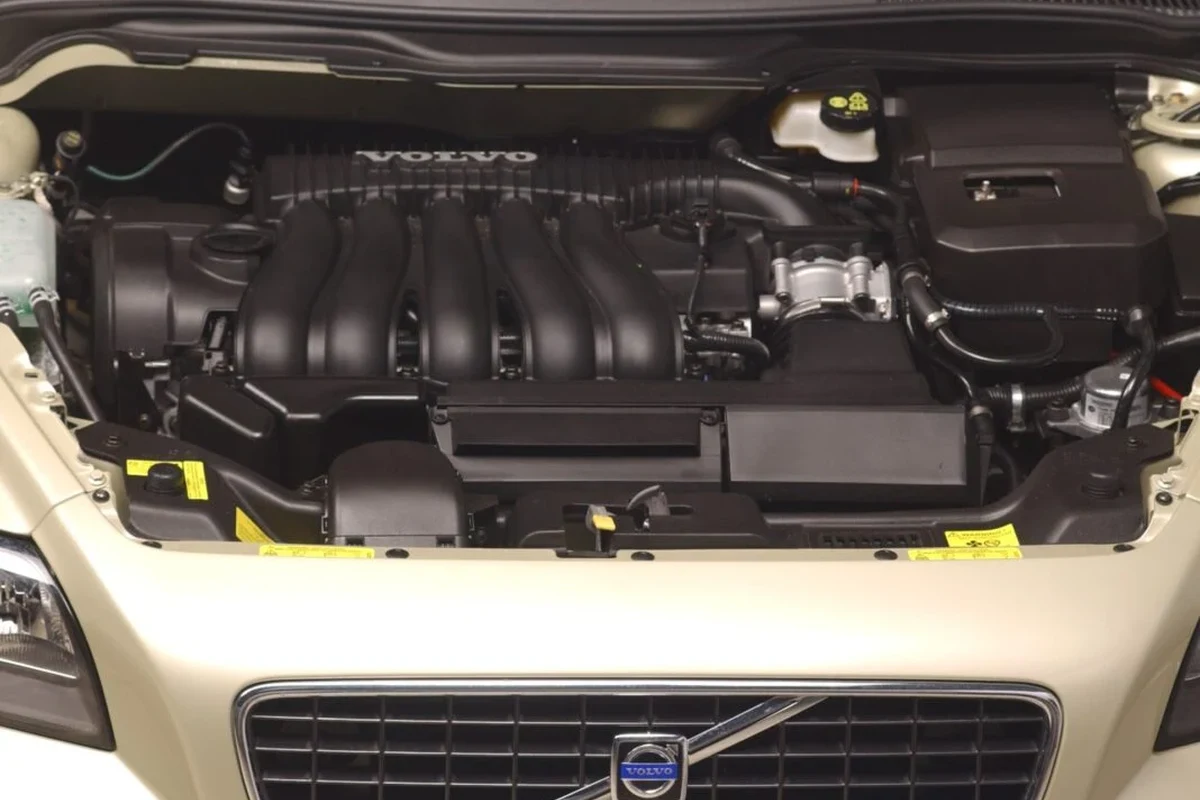
The Volvo 2.4i and 2.5i are part of Volvo’s lineup that emphasizes safety and reliability. The 2.4i, produced in the early 2000s, features a 2.4-liter inline-five engine, while the 2.5i, introduced later, boasts a slightly more powerful 2.5-liter variant.
Understanding the difference between the 2.4i and 2.5i Volvo models is essential for potential buyers looking for the right fit for their needs. This comparison focuses on specifications, performance, safety features, and running costs.
- Understanding the Key Differences: Volvo: Both the Volvo 2.4i and 2.5i models represent a blend of performance and safety.
- Specifications Breakdown: 2.4i and 2.5i: A thorough comparison of specifications is crucial for understanding how the two models stack.
- Safety Features and Ratings: Safety has always been a priority for Volvo, and examining the safety features and.
- Running Costs and Fuel Efficiency: Understanding running costs and fuel efficiency can help buyers make informed decisions based on.
- Reliability Records: Which Model Holds: Reliability is a significant factor for many Volvo owners..
Understanding the Key Differences: Volvo 2.4i vs. 2.5i
Both the Volvo 2.4i and 2.5i models represent a blend of performance and safety, but they differ in several key areas that affect their suitability for different drivers.
Key Considerations When Choosing Between the 2.4i and 2.5i Volvo
When deciding between the Volvo 2.4i and 2.5i models, keep the following factors in mind to ensure you select the right vehicle for your needs.
- Engine Performance: The 2.4i has a 2.4L Inline-5 engine with 168 hp, while the 2.5i features a more powerful 2.5L Inline-5 Turbocharged engine with 208 hp.
- Fuel Efficiency: The 2.4i offers better fuel efficiency at 23 MPG city and 30 MPG highway compared to the 2.5i’s 20 MPG city and 28 MPG highway.
- Safety Features: Assess the availability of advanced safety technologies, as the 2.5i typically includes more driver-assistance features than the 2.4i.
- Reliability Records: Review owner feedback and reliability data for both models, noting that the 2.5i may have reports of transmission issues in certain years.
- Resale Value Trends: Understand that the 2.5i generally retains its value better than the 2.4i due to its enhanced performance and features.
| Feature | Volvo 2.4i | Volvo 2.5i |
|---|---|---|
| Engine Type | 2.4L Inline-5 | 2.5L Inline-5 Turbocharged |
| Horsepower | 168 hp | 208 hp |
| Torque | 162 lb-ft | 236 lb-ft |
| Fuel Efficiency | 23 MPG City / 30 MPG Highway | 20 MPG City / 28 MPG Highway |
Overview of the Volvo 2.4i and 2.5i Models
The Volvo 2.4i and 2.5i are part of Volvo’s lineup that emphasizes safety and reliability. The 2.4i, produced in the early 2000s, features a 2.4-liter inline-five engine, while the 2.5i, introduced later, boasts a slightly more powerful 2.5-liter variant. For related context, read what is the difference between volvo group and volvo cars.
These differences can affect both performance and efficiency.
Specifications Breakdown: 2.4i and 2.5i
A thorough comparison of specifications is crucial for understanding how the two models stack up against each other in terms of power and efficiency.
Powertrain Differences
The powertrains of the 2.4i and 2.5i models are distinct, with the 2.4i equipped with a 2.4-liter engine generating approximately 168 horsepower, while the 2.5i features an enhanced 2.5-liter engine that produces around 210 horsepower.
This difference in engine displacement translates to varying levels of acceleration and responsiveness. For official guidance on this, see EPA fuel economy guide.
Performance Metrics: Horsepower and Torque
In terms of performance, the 2.5i outshines the 2.4i. The 2.4i delivers 168 lb-ft of torque, whereas the 2.5i offers about 236 lb-ft. This increase in torque enhances the 2.5i’s ability to handle heavier loads and provides a more dynamic driving experience. You can also use difference between 2025 and 2025 5 volvo xc90 as the next practical guide.
| Model | Engine Displacement | Horsepower | Torque |
|---|---|---|---|
| 2.4i | 2.4L I5 | 168 hp | 168 lb-ft |
| 2.5i | 2.5L I5 | 210 hp | 236 lb-ft |
Before purchasing either model, check the VIN-based recall databases for any open safety campaigns or recalls.
Safety Features and Ratings
Safety has always been a priority for Volvo, and examining the safety features and ratings of these models is essential for potential buyers.
Crash Test Results from IIHS and NHTSA
Both models have received commendable safety ratings from the IIHS and NHTSA. However, the 2.5i tends to have slightly better ratings due to newer technology and design improvements. It’s advisable for buyers to verify the specific safety ratings for their model year.
Driver-Assistance Technologies
The 2.5i typically comes equipped with more advanced driver-assistance features compared to the 2.4i. Options like adaptive cruise control and lane departure warning are more commonly found in the 2.5i, enhancing overall safety. For related context, read volvo difference between t5 and t6.
Assess your typical driving patterns and fuel prices to estimate the running cost of each model over time.
Running Costs and Fuel Efficiency
Understanding running costs and fuel efficiency can help buyers make informed decisions based on their budget and driving habits.
Comparing Fuel Economy of 2.4i and 2.5i
The 2.4i generally offers better fuel economy, rated at approximately 24 MPG in the city and 30 MPG on the highway. In contrast, the 2.5i averages around 20 MPG city and 28 MPG highway. These differences may impact long-term ownership costs. You can also use what is the best coolant for 2007 volvo s60 2 5t as the next practical guide.
Weigh running costs together, including insurance, scheduled service, tires, and depreciation, because the cheaper car to buy is not always the cheaper car to keep.
Reliability Records: Which Model Holds Up Better?
Reliability is a significant factor for many Volvo owners. Evaluating owner feedback and reliability data can reveal which model lasts.
Owner Feedback and Reliability Data
Owner reports indicate that both models have a solid reliability record, though the 2.5i has had some reports of transmission issues in specific model years. Always check the model year for common issues before making a purchase. For related context, read are volvo penta and mercruiser engines the same.
Resale Value Trends: 2.4i vs. 2.5i
Resale value can significantly affect the total cost of ownership, making it an essential consideration for buyers. For official guidance on this, see Consumer Reports car guidance.
Market Insights on Resale Value
Generally, the 2.5i tends to retain its value better than the 2.4i due to its enhanced features and performance. However, market conditions can vary widely, so it’s advisable to check local listings for the most accurate resale values. You can also use does the 1997 volvo v90 have an interference engine as the next practical guide.
Verify the specific model year of the vehicle you are considering to understand its reliability history.
Best Fit Buyers for Each Model
Who Should Choose the 2.4i?
The 2.4i is best suited for budget-conscious buyers seeking reliable transportation with decent fuel efficiency. It’s an excellent choice for daily commuting and family use without the need for high performance.
Who Should Opt for the 2.5i?
The 2.5i is ideal for drivers looking for a balance of performance and features. If you need more power for towing or enjoy enhanced safety technologies, the 2.5i is the better option.
Balanced Verdict: Which Model is Right for You?
Choosing between the 2.4i and 2.5i depends on individual needs, budget, and driving style. Both models offer safety and reliability, but performance and running costs should play a significant role in your decision. For related context, read what is volvo link hardware and what is its purpose.
Drivers needing a blend of performance and safety features.
2001-2007 for 2.4i; 2001-2007 for 2.5i.
You need maximum fuel efficiency or the latest technology.
Understanding the Difference Between the 2.4i and 2.5i Volvo
The key differences between the Volvo 2.4i and 2.5i models are centered on engine performance, safety features, and fuel efficiency.
The 2.4i offers better fuel economy and is ideal for budget-conscious buyers, while the more powerful 2.5i provides enhanced performance and additional safety technologies, making it suitable for those who prioritize power and modern features. You can also use does the volvo xc40 have engine problems as the next practical guide.
- Assess engine specifications: 2.4i has 168 hp vs. 2.5i’s 208 hp.
- Evaluate fuel efficiency: 2.4i offers 23 MPG city; 2.5i gives 20 MPG city.
- Check safety features: 2.5i typically includes more advanced driver-assistance options.
This guide on difference between the 2.4i and 2.5i volvo is general information. Rules, fees, rents, salaries, service coverage, product details, and procedures can change, so confirm important points with the manufacturer, retailer, or official app documentation before acting.
Questions Worth Asking
The 2.4i is equipped with a 2.4-liter inline-five engine generating approximately 168 horsepower, while the 2.5i features a more powerful 2.5-liter engine that produces around 210 horsepower. This difference directly impacts their performance and efficiency on the road.
The 2.4i delivers 168 lb-ft of torque, whereas the 2.5i offers a more solid 236 lb-ft of torque. This increase in torque enhances the 2.5i’s ability to handle heavier loads and provides a more dynamic driving experience.
The 2.5i typically includes more advanced driver-assistance features, such as adaptive cruise control and lane departure warning, compared to the 2.4i. These enhancements contribute to the overall safety profile of the 2.5i model.
The 2.4i generally offers better fuel economy, rated at approximately 24 MPG in the city and 30 MPG on the highway, while the 2.5i averages around 20 MPG city and 28 MPG highway. This difference can significantly impact long-term ownership costs for potential buyers.
Generally, the 2.5i tends to retain its value better than the 2.4i due to its enhanced features and performance. However, it’s advisable to check local listings for the most accurate resale values, as market conditions can vary widely.
The 2.4i is ideal for budget-conscious buyers seeking reliable transportation with good fuel efficiency, making it suitable for daily commuting. In contrast, the 2.5i is better for those who want a blend of performance and advanced safety features, especially for towing or dynamic driving experiences.
Wrapping Up
The difference between the 2.4i and 2.5i Volvo models lies mainly in engine performance, safety features, and running costs. Buyers should evaluate their needs and conduct thorough research based on model year and specifications to make the best choice.
Author

💡 Evans Torres Tip: On every Volvo I have owned, I always keep a full digital service record from day one. When something goes wrong — and eventually something always does — having that history makes diagnosis faster and often saves money at the mechanic. Start your records today, even if the car is not new.