


The difference between 2016 and 2017 Volvo XC90 centers on 2017’s broader lineup and tech: the T5 engine lowered the entry price, Pilot Assist availability expanded, and Android Auto arrived. Design, safety structure, towing capability, and most hardware remained carryover.
The 2016 Volvo XC90 kicked off the second generation with a clean-sheet platform, minimalist Scandinavian cabin, and strong standard safety. It was a statement SUV that reset expectations for Volvo in the U.S. luxury midsize class.
For 2017, Volvo didn’t redesign the XC90; it widened the appeal. A more affordable T5 powertrain joined the range, semi-automated driving features were expanded, and smartphone integration matured. If you’re cross-shopping used examples today, the choice is less about styling and more about engines, tech, and budget.
- Main difference: 2017 introduces the T5 engine (lower entry price) and expands driver-assistance and smartphone integration; 2016 is the launch-year spec focused on T6/T8.
- Best for 2016: Shoppers prioritizing value on a T6 or T8 with similar safety and design, and who don’t need Android Auto or broader Pilot Assist availability.
- Best for 2017: Buyers wanting the budget-friendlier T5, Android Auto support, and the more widely available, updated Pilot Assist functions.
- Cost/value: In today’s used market, 2016s are typically cheaper; 2017s can justify a premium if you want T5 or the expanded tech.
- Important caveat: Equipment varies widely by package; verify each car’s build rather than assuming features by model year.
Key differences at a glance: 2016 Volvo XC90 vs 2017 Volvo XC90
Here’s the model-year snapshot most shoppers need. The 2017 Volvo XC90 adds a new base engine and broadens tech availability, while the 2016 XC90 reflects the well-equipped launch spec.
Use this table to align features and trim assumptions before you compare specific VINs.
| Item | 2016 Volvo XC90 | 2017 Volvo XC90 |
|---|---|---|
| U.S. powertrains | T6 2.0L turbo + supercharger (316 hp); T8 Twin Engine PHEV (approx. 400 hp combined) | Adds T5 2.0L turbo (250 hp, lower entry); T6 (316 hp); T8 PHEV (approx. 400 hp) |
| Drivetrains | Primarily AWD (T6/T8) | T5 FWD standard (AWD available); T6/T8 AWD |
| Trims | Momentum, R-Design, Inscription; limited First Edition | Momentum (incl. T5), R-Design, Inscription; adds ultra-luxury Excellence (T8) |
| New-for-year highlights | All-new generation launch | T5 added; expanded Pilot Assist availability/capability; Android Auto support added (with Smartphone Integration) |
| Driver assistance | City Safety AEB standard; adaptive cruise available; Pilot Assist availability limited | City Safety AEB standard; broader availability of Pilot Assist (updated functionality) |
| Smartphone integration | Apple CarPlay available; Android Auto not offered | Apple CarPlay and Android Auto available (Smartphone Integration) |
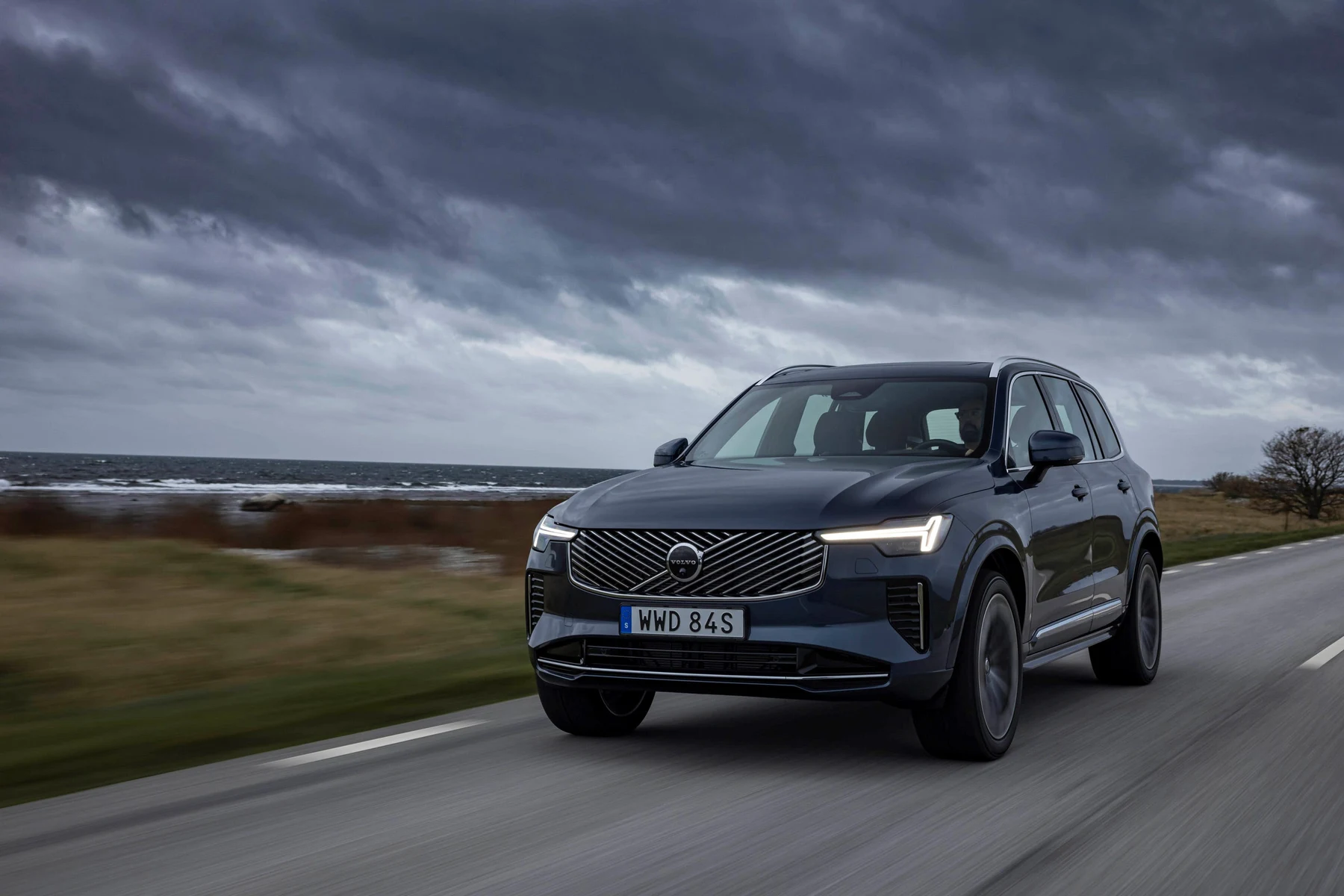
| Infotainment | 9-inch Sensus touchscreen, carryover core layout | Same screen; software refinements and added app compatibility |
| Headlights | “Thor’s Hammer” LED available; ratings vary by unit | Same design; availability and ratings vary by unit/trim |
| Towing capacity (U.S.) | Up to 5,000 lb with towing package | Up to 5,000 lb with towing package |
| Base MSRP at launch | Higher entry due to T6-led lineup | Lower entry price enabled by T5 |
| Safety ratings | Strong IIHS/NHTSA results when properly equipped | Strong IIHS/NHTSA results continue when properly equipped |
| Warranty (new) | 4 yr/50,000 mi new-vehicle warranty | 4 yr/50,000 mi new-vehicle warranty |
What each model year means: 2016 Volvo XC90 and 2017 Volvo XC90
The 2016 Volvo XC90 is the launch-year of the second generation on Volvo’s SPA platform. It arrived well-equipped, typically with the T6 AWD and available T8 plug‑in hybrid, emphasizing safety and a premium interior.
The 2017 Volvo XC90 broadens the playbook. It adds the T5 as a lower-cost gateway, spreads access to semi-automated driving functions, and brings Android Auto support alongside Apple CarPlay, while keeping the core design and safety fundamentals intact.
Confirm U.S.-spec equipment on the exact VIN. Early-build 2016s were often T6/T8 only, while many 2017s introduced T5 FWD. Package names and contents can differ by build date and retailer-installed options.
What stays the same between the 2016 Volvo XC90 and 2017 Volvo XC90
Both years share the SPA platform, three-row body, core suspension and brake hardware, and the elegant minimalist cabin with the 9-inch Sensus touchscreen. The safety cage, City Safety automatic emergency braking, and available air suspension carry over.
Towing capacity remains up to 5,000 pounds with the factory towing package. Warranty when new was the same 4 years/50,000 miles. Styling and dimensions are unchanged, and trim identities (Momentum, R‑Design, Inscription) mean broadly similar equipment levels year-to-year.
Match safety ratings to the specific configuration. IIHS headlight scores can vary by unit, and advanced driver assistance may require option packages. Verify presence and calibration of features after windshield, radar, or camera service.
Detailed differences that affect ownership: 2016 Volvo XC90 vs 2017 Volvo XC90
Powertrains and performance: 2017’s T5 turbo-four adds a more economical, lower-price entry with front-wheel drive, while the T6 (316 hp) and T8 PHEV (~400 hp combined) continue. If you value effortless highway passing or live at altitude, the T6/T8 remain preferable.
Infotainment and apps: 2017 extends the Smartphone Integration option to include Android Auto in addition to Apple CarPlay. Both years use Sensus with the portrait touchscreen, but 2017 benefits from broader app compatibility and incremental software refinements.
Driver assistance: 2017 expands availability and capability of Pilot Assist relative to 2016 availability. Both years offer adaptive cruise, lane warnings, and AEB; 2017 models are more likely to include enhanced lane-centering assistance depending on package.
Trims and luxury: 2017 introduces the ultra-luxury Excellence trim (T8 only) above Inscription, while Momentum, R‑Design, and Inscription continue. Package bundling for features like surround-view, park assist, and premium audio may differ; check the specific build.
The 2017 XC90’s added T5 didn’t change the SUV’s tow rating. Even T5 models can tow up to 5,000 lb in the U.S. when factory-equipped with the towing package and proper hitch/electrics.
Connected services: Volvo On Call remote functions are available across both years when equipped and active. If you’re evaluating convenience features on a 2016, see our guide on how to remote start a 2016 XC90 to understand typical setup and limitations.
- Pair your phone and test Apple CarPlay/Android Auto (2017 supports both when optioned).
- Engage adaptive cruise and Pilot Assist on a safe highway stretch to compare lane-centering feel.
- Drive the same route in Comfort vs Dynamic modes; note ride and wind noise at 70 mph.
- Confirm camera clarity and parking sensors in bright sun and at night.
T5 typically returns better fuel economy than T6, and T8 adds charging costs but offers electric-only trips. Premium fuel is recommended for best performance. Check tire sizes; 20–22 inch fitments can materially increase replacement cost.
Price gap and value: 2016 Volvo XC90 vs 2017 Volvo XC90
As new, 2017’s T5 lowered the entry price compared with 2016’s T6-led lineup. In today’s used market, 2016 examples often transact for less than comparable 2017s with similar mileage and options.
That said, features swing value. If you need Android Auto or prefer the likelihood of expanded Pilot Assist, the 2017 premium can be worthwhile. Conversely, a well-kept 2016 T6/T8 can be the better bargain if equipment and maintenance check out.
Compare like-for-like equipment first, then price the full build. A 2016 with Bowers & Wilkins audio, air suspension, and driver aids may outvalue a lightly optioned 2017 T5.
Reliability, maintenance and used-buyer implications
Both years share core mechanicals and service needs. Early-build 2016 units may have had more first-year software niggles; most were addressed by dealer updates. The 2017’s broader Pilot Assist footprint adds sensors to verify and calibrate after glass or body repairs.
The T8 plug-in hybrid adds complexity (battery thermal management and charging hardware) that merits a careful pre-purchase inspection. Regardless of year, follow Volvo’s intervals; see our XC90 service and maintenance schedule overview to plan costs.
Always run the VIN through NHTSA for open recalls, review service history, and scan for DTCs. Wear items like tires, brakes, and suspension bushings tend to scale with wheel size and mileage more than model year here.
Is the newer 2017 Volvo XC90 “worth it” over the 2016?
If the added T5 engine option, Android Auto, and expanded Pilot Assist availability matter to you, the 2017 justifies a reasonable premium. If you’re content with Apple CarPlay and prioritize a stronger engine per dollar, a well-optioned 2016 T6 is often the smarter value.
2016 Volvo XC90 Pros and Cons
- Typically stronger standard power (T6) at comparable prices today
- Same safety structure and towing as 2017
- Elegant design and cabin identical in look/feel
- No Android Auto support
- Pilot Assist availability more limited
- Early-build software may require thorough update history
2017 Volvo XC90 Pros and Cons
- Adds T5 for lower entry price and better fuel economy
- Android Auto available; broader Pilot Assist capability
- Same premium design and safety fundamentals as 2016
- T5 performance trails T6
- Higher asking prices in the used market
- More driver-assist hardware to verify/calibrate after repairs
Which one should you choose? 2016 Volvo XC90 or 2017 Volvo XC90
How to Decide Between 2016 and 2017 Volvo XC90
- Define engine needs: prioritize T6/T8 performance or T5 value and economy.
- List must-have tech: Android Auto, Pilot Assist, surround-view, premium audio.
- Verify the build: review the Monroney/build sheet for every option and wheel size.
- Drive both on the same route: evaluate ride quality, road noise, and driver-assist behavior.
- Price total ownership: tires, brakes, insurance, taxes, and any needed maintenance or updates.
If you’re also considering later refreshes, note that feature and styling updates accelerated around 2020; see our model-year context in the difference between 2019 and 2020 XC90 comparison.
💡 Evans Torres Tip: Bring a short checklist for each VIN: smartphone integration present and active, advanced driver-assist buttons on the wheel, camera views in Sensus, tire date codes and tread, brake life, and any windshield/radar service. Photograph the options list and mileage so you can compare apples-to-apples at home.
Frequently Asked Questions
This FAQ zeroes in on model-year specifics buyers ask most: engines, driver assistance, infotainment, safety scores, and used-market value. Answers reflect U.S.-spec vehicles and typical package availability; always verify your specific VIN’s equipment and software level before purchase.
Did the 2017 Volvo XC90 add the T5 engine in the U.S.?
Yes. For 2017, Volvo added the T5 2.0‑liter turbo-four, typically with front-wheel drive and available AWD. It lowered the XC90’s entry price and increased fuel economy relative to T6, while maintaining the T6 and T8 options for stronger performance.
Is Pilot Assist available on the 2016 Volvo XC90?
Some 2016 XC90s offer limited Pilot Assist functionality through packages, but availability and capability are more restricted than 2017. The 2017 model year broadened access and refined operation. Confirm presence on the steering wheel controls and in Sensus menus, then road-test it.
Does the 2016 XC90 support Android Auto?
No. The 2016 XC90 offers Apple CarPlay (when optioned) but not Android Auto. For 2017, Android Auto support was added alongside CarPlay through the Smartphone Integration option. Plug in your phone during a test drive to verify compatibility.
Were there safety rating changes between 2016 and 2017?
Both years earned strong results from IIHS and NHTSA when properly equipped. Headlight ratings and driver-assist availability can vary by trim and options, so match the specific vehicle’s equipment to published ratings if Top Safety Pick+ status matters to you.
Did the 2017 XC90 get a design refresh over 2016?
No. Styling, dimensions, and the underlying platform are carryover from the 2016 launch year. The 2017 changes are mainly lineup breadth (T5), technology availability, and minor package reshuffles rather than exterior or interior redesigns.
Is the 2017 worth paying more than a 2016?
It can be if you want the T5, Android Auto, or expanded Pilot Assist. If those aren’t priorities, a well-optioned 2016 T6/T8 with documented maintenance can be the stronger value. Compare exact builds, software update history, and tires/brakes before deciding.
What about remote start and connected services on these years?
Volvo On Call enables app-based remote functions on both years when equipped and active. Setup and features can vary; review the subscription status and key fob/app operation. For 2016 specifics, see our walkthrough on enabling remote start.
Final Verdict
Choose the 2017 Volvo XC90 if your priorities include the lower-cost T5, Android Auto, and the broader availability of semi-automated driving features. It’s the safer bet for shoppers who want the latest smartphone compatibility and a wider mix of trims at lower entry prices.
Pick a 2016 Volvo XC90 if you’re value-driven and prefer T6 performance. You’ll get virtually the same styling, structure, and towing capacity, often for less money. In both cases, buy the exact build you want, validate driver-assist equipment, check software and recall status, and price tires and brakes into the deal.
My Top Picks at a Glance
These three XC90 accessories are practical options to compare after choosing the right Volvo configuration.
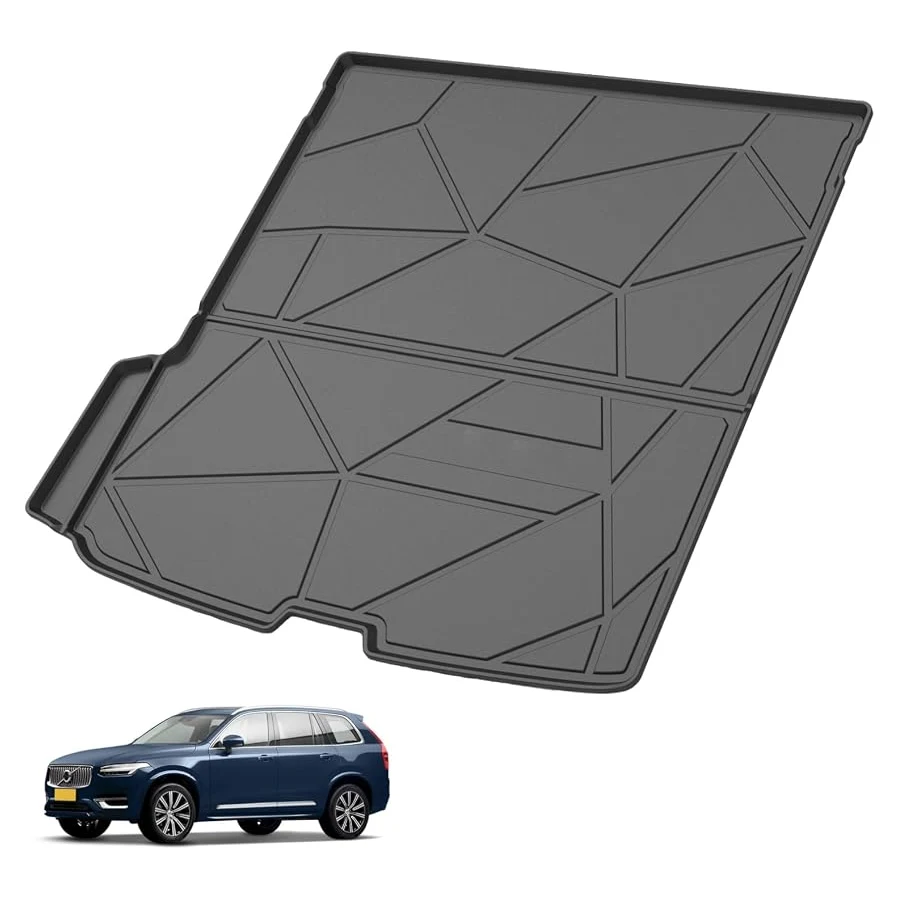 Best Overall
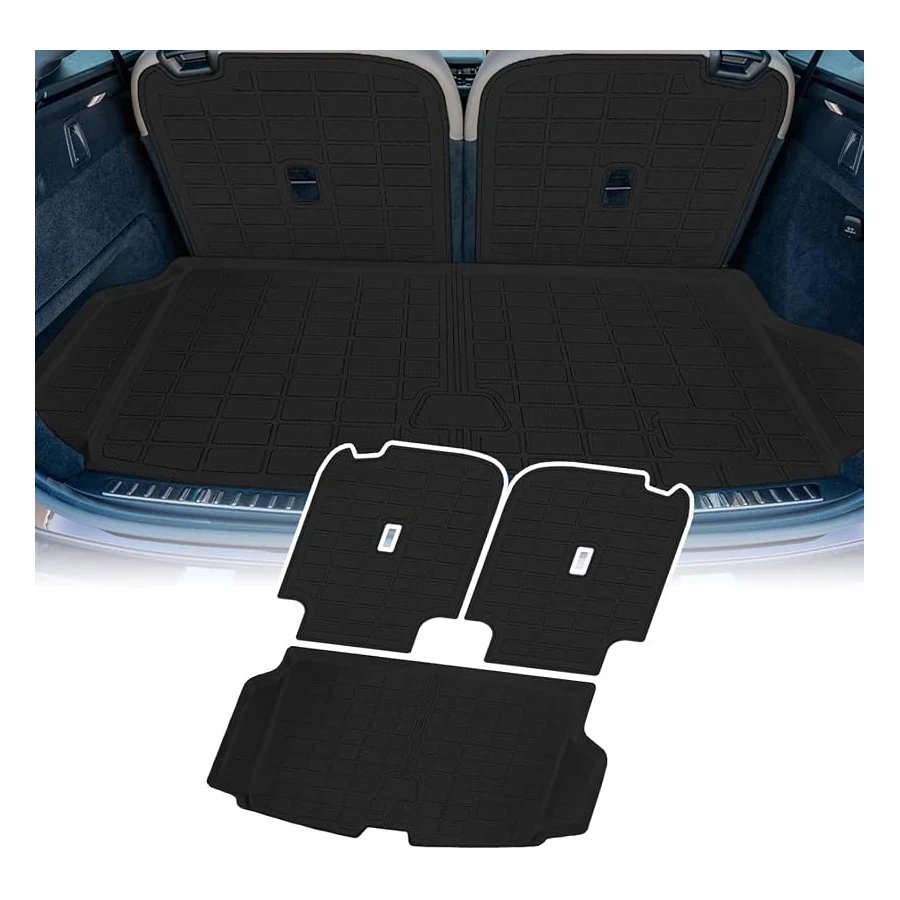
Elsetyler Volvo XC90 cargo liner, custom-fit black TPE, all-weather, waterproof, heavy-duty rear trunk mat 2016–2026
A vehicle-fit accessory to compare for compatibility, daily usefulness, and value.
 Best Value
Cargo liner set for Volvo XC90 2016–2026, custom-fit trunk mat and seatback protectors
A vehicle-fit accessory to compare for compatibility, daily usefulness, and value.
 Best Premium Option
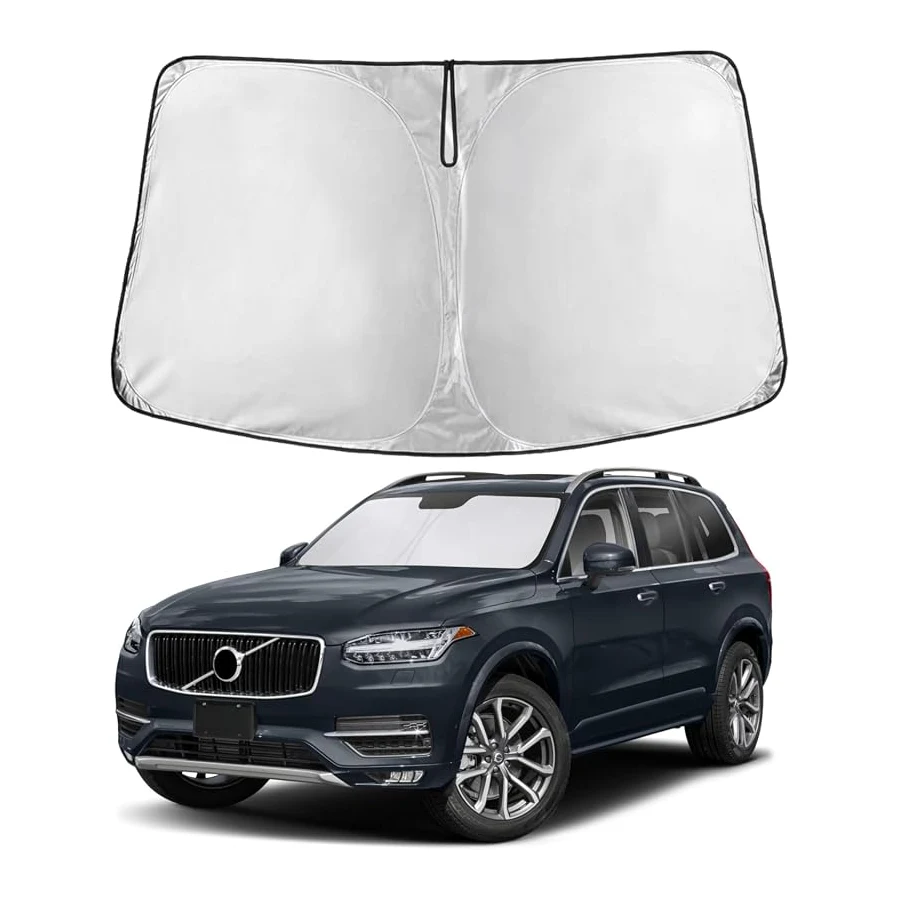
EcoNour Windshield Sunshade Compatible for Volvo XC90 2016
A vehicle-fit accessory to compare for compatibility, daily usefulness, and value.
Sources and Methodology
This U.S.-market comparison focuses on 2016 vs 2017 Volvo XC90 model years, aligning trims and powertrains typical to each year and noting package-driven variability. Safety references prioritize IIHS and NHTSA data; efficiency notes reference EPA context. Figures such as horsepower are manufacturer-stated. Because options and mid-year changes occur, always verify the specific VIN’s build sheet and software levels. Data verified August 2026.
Author

Author

Evans Torres
I’m Evans Torres, an automotive engineer who loves Volvo cars. I graduated in Automotive Engineering from USC. I have worked in the car industry for years and now share my knowledge on The Volvo Life. I started this blog to connect with other Volvo fans. I offer tips, news, and advice to help you care for your car. My goal is to help you keep your Volvo in great shape and find all the best things about it. Join me as we discover everything Volvo has to offer!