


The BMW iX1 vs Volvo EX40 comparison reveals that both electric SUVs excel in performance and safety. However, the EX40 offers a more spacious interior and superior safety features, making it a better choice for families.
The electric vehicle market continues to expand, with numerous options available to consumers. Among these, the BMW iX1 and Volvo EX40 stand out as competitive electric SUVs that cater to modern drivers’ needs.
This article will dive deep into the key aspects of ownership that potential buyers should consider, such as performance, practicality, safety, reliability, and overall cost. By comparing these two models side-by-side, you’ll gain a clearer understanding of which electric SUV suits your lifestyle best.
- The Volvo EX40 offers more interior space compared to the BMW iX1.
- Both vehicles feature impressive safety ratings, but the EX40 has advanced safety tech.
- Performance-wise, the iX1 has a faster acceleration than the EX40.
- Cost of ownership differs, with the EX40 generally being more economical in terms of maintenance.
- Both models cater to eco-conscious buyers with their electric drivetrains.
Performance: BMW iX1 vs Volvo EX40
Performance is often a significant deciding factor for buyers. The BMW iX1 impresses with its agile handling and robust acceleration. It features a dual-motor setup that provides all-wheel drive, delivering a swift 0-60 mph time of around 5.5 seconds, making it one of the quicker options in its segment.
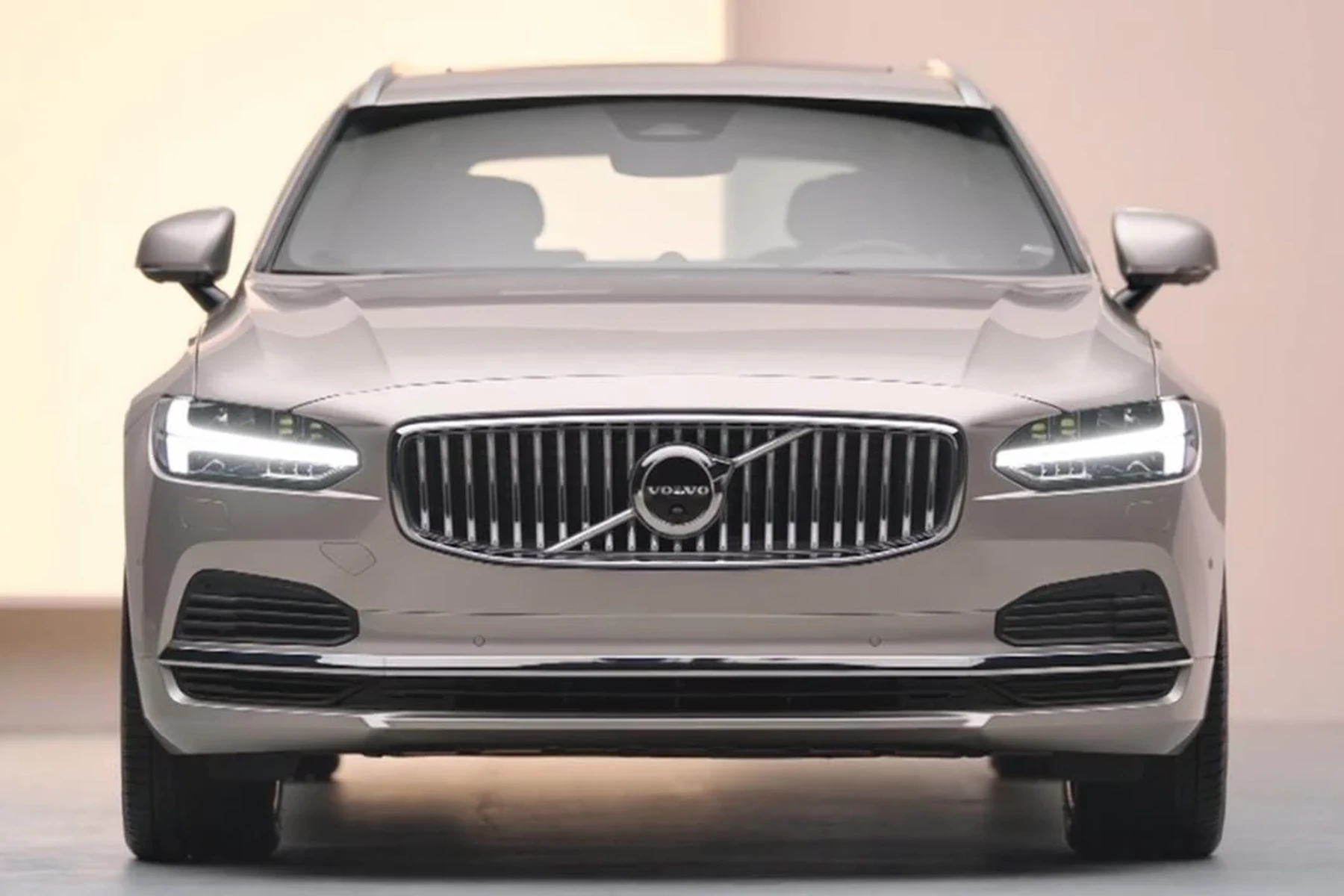
On the other hand, the Volvo EX40, while not as fast, offers a more balanced ride. Its single or dual-motor configurations provide sufficient power for everyday driving, achieving 0-60 mph in approximately 6.5 seconds. For related context, you may also want to read Volvo ex60 vs ex40 comparison battery.
The EX40 emphasizes comfort and stability over sheer speed, which may appeal to buyers prioritizing a relaxed driving experience.
| Category | BMW iX1 | Volvo EX40 |
|---|---|---|
| 0-60 mph | 5.5 seconds | 6.5 seconds |
| Horsepower | 308 hp | 250 hp |
| Torque | 364 lb-ft | 368 lb-ft |
Practicality: Interior Space and Cargo Capacity
Practicality plays a vital role in the ownership experience, especially for families. The Volvo EX40 shines in this aspect, offering a spacious interior with ample headroom and legroom for both front and rear passengers.
Its cargo capacity is also impressive, providing about 23 cubic feet of space with the rear seats up, expandable to 47 cubic feet with the seats down.
In contrast, the BMW iX1, while offering a comfortable cabin, has less rear passenger space and cargo room, measuring around 22 cubic feet with the seats up and 41 cubic feet with them down. Buyers who frequently transport passengers or bulky items might find the EX40’s space a significant advantage.
This connects closely with Volvo ex60 vs ex40 battery comparison if you want to compare the topic in more detail.
Safety Features and Ratings
Safety is paramount for both BMW and Volvo, companies known for their commitment to driver and passenger protection. The BMW iX1 comes equipped with a suite of safety features, including adaptive cruise control, lane departure warning, and collision prevention systems. It has received high safety ratings from various testing organizations.
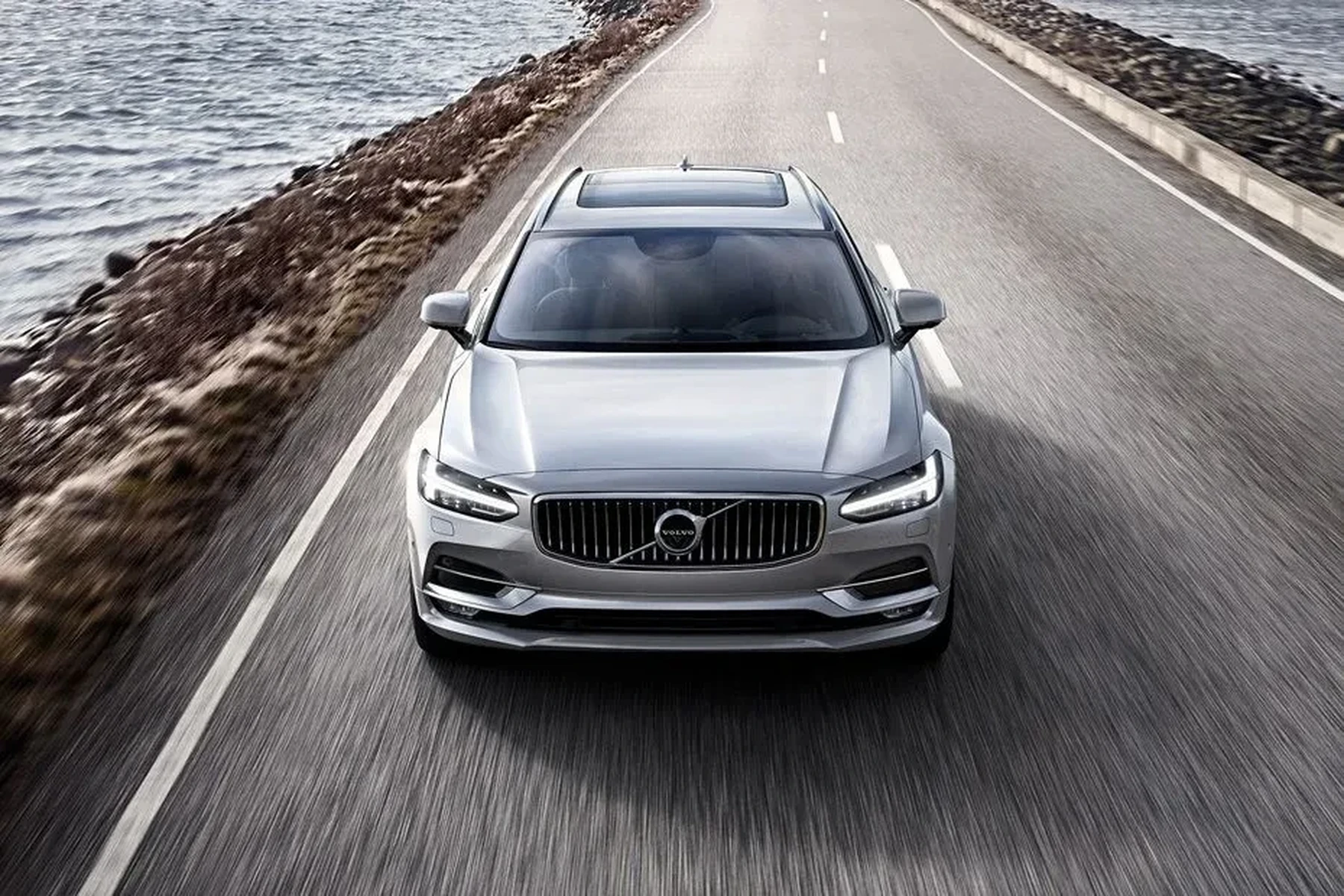
However, the Volvo EX40 takes safety a step further. It incorporates advanced features such as a 360-degree camera system, blind-spot monitoring, and the latest in Volvo’s Pilot Assist technology, which aids in driving and parking.
The EX40 consistently ranks at the top in safety tests, providing peace of mind for families and safety-conscious drivers.
🚨 Safety Check: Both the BMW iX1 and Volvo EX40 are equipped with excellent safety features, but the EX40 edges out with more advanced technology. Always refer to the latest safety ratings before making a purchase.
Reliability and Maintenance Costs
Reliability is crucial for any vehicle owner, especially when considering long-term ownership. BMWs have a solid reputation for performance but can face higher maintenance costs over time. The iX1 is no exception, with average annual maintenance costs hovering around $1,200.
Volvo vehicles are often lauded for their durability and lower maintenance costs. The EX40 is likely to incur annual costs closer to $900. This makes the EX40 an attractive option for buyers looking for reliability combined with affordability in ownership.
💰 Ownership Check: Consider the long-term costs of ownership when choosing between the BMW iX1 and Volvo EX40. The EX40 generally offers lower maintenance costs.
Cost Comparison: Purchase Price and Resale Value
Pricing is a critical factor for many buyers. The starting price of the BMW iX1 is approximately $50,000, while the Volvo EX40 starts around $45,000. While the iX1 offers more luxury features, the EX40 provides a compelling value proposition with its added space and safety features.
In terms of resale value, both brands hold their value well, but Volvos tend to depreciate slightly slower than their BMW counterparts, making the EX40 a wise investment in the long run.
Who Is the Best-Fit Buyer?
Choosing between the BMW iX1 and the Volvo EX40 ultimately depends on your lifestyle and preferences. The BMW iX1 is ideal for those who prioritize performance and sporty handling, while the Volvo EX40 is better suited for families or individuals needing more space and advanced safety features.
You can also use Volvo XC60 vs bmw x3 which is better as a helpful next guide on the same ownership topic.
For eco-conscious buyers looking for an electric SUV that balances performance with practicality, the Volvo EX40 stands out as a more family-friendly option. Conversely, enthusiasts seeking a thrilling driving experience may prefer the BMW iX1.
Frequently Asked Questions
What Is the Range of the BMW iX1?
The BMW iX1 has an estimated range of around 257 miles on a full charge, making it suitable for daily commutes and occasional long trips.
How Does the Volvo EX40 Perform in Winter Conditions?
The Volvo EX40 handles winter conditions well, thanks to its all-wheel-drive options and excellent traction control systems.
What Type of Charging Options Are Available for Both Vehicles?
Both the BMW iX1 and Volvo EX40 support home charging and fast-charging stations, allowing for convenient charging at home or on the road.
Are There Any Government Incentives for Electric Vehicles?
Yes, buyers of both the BMW iX1 and Volvo EX40 may qualify for federal and state tax incentives, which can significantly reduce the purchase price.
Which Electric SUV Has Better Resale Value?
Generally, the Volvo EX40 tends to have a better resale value compared to the BMW iX1, making it a more financially sound investment.
💡 Evans Torres Tip: Consider test-driving both the BMW iX1 and Volvo EX40 to get a feel for their performance and comfort. This can help you make a more informed decision based on your preferences.
Which One Should You Choose?
Ultimately, the decision between the BMW iX1 and Volvo EX40 hinges on what you value most in an electric SUV. If performance and luxury are your top priorities, the iX1 is an excellent choice.
However, for those who prioritize safety, interior space, and long-term ownership costs, the Volvo EX40 is likely the better option. Test-driving both models will provide valuable insight, helping you select the SUV that best fits your lifestyle.
Author

Author

Evans Torres
I’m Evans Torres, an automotive engineer who loves Volvo cars. I graduated in Automotive Engineering from USC. I have worked in the car industry for years and now share my knowledge on The Volvo Life. I started this blog to connect with other Volvo fans. I offer tips, news, and advice to help you care for your car. My goal is to help you keep your Volvo in great shape and find all the best things about it. Join me as we discover everything Volvo has to offer!