


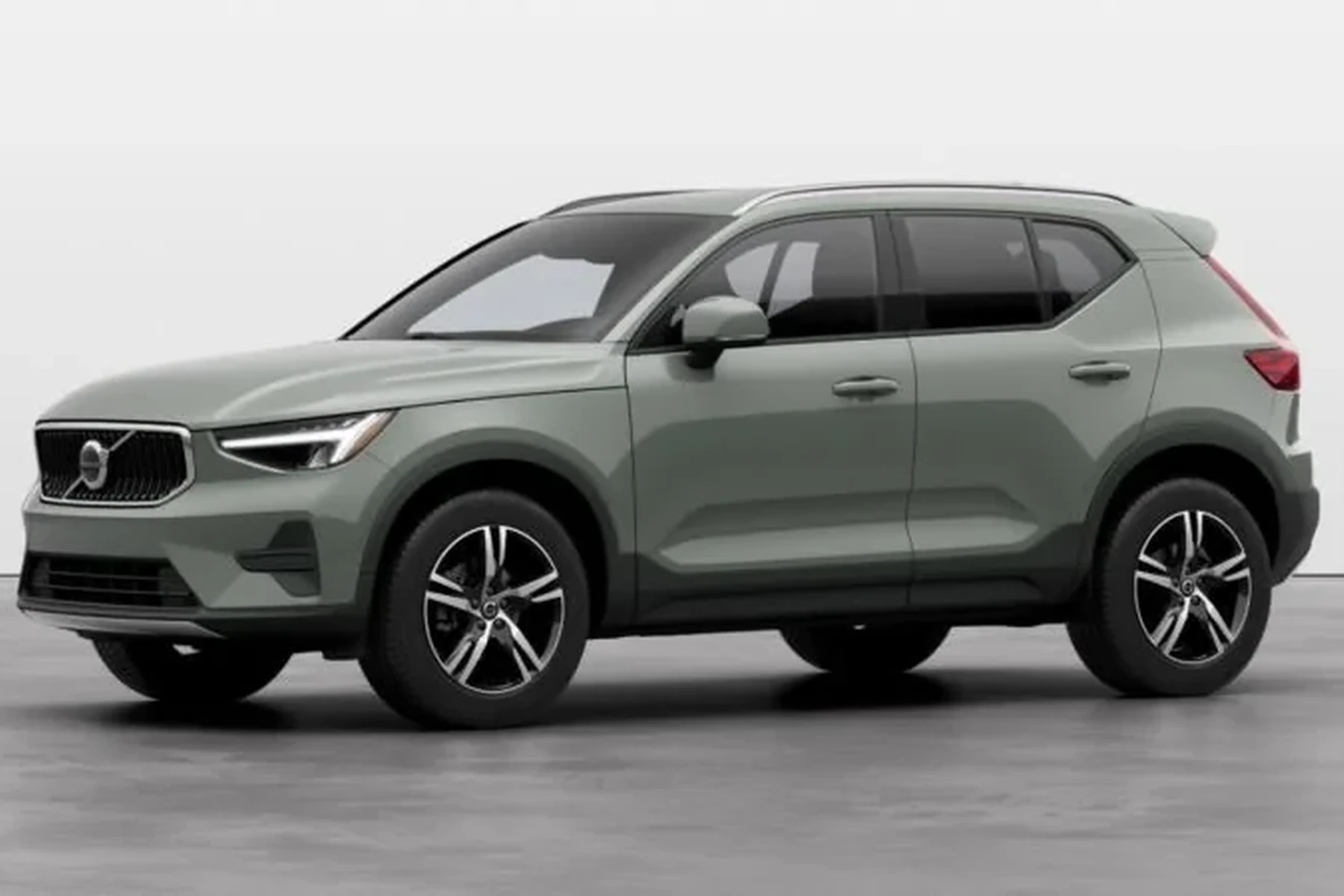
Alternatives to Volvo EX40 include models like the Ford Mustang Mach-E, Hyundai Ioniq 5, and Kia EV6. These alternatives offer competitive battery range, charging options, and performance features.
The Volvo EX40 is known for its sleek design and impressive electric performance. However, various alternatives might align better with your preferences or budget. In this guide, we will explore viable alternatives to the Volvo EX40, focusing on battery capacity, charging options, and real-world range.
For related context, you may also want to read how much to lease a Volvo XC60.
Understanding these factors can help you make an informed decision when choosing your next electric vehicle.
- Alternatives to the Volvo EX40 include the Ford Mustang Mach-E, Hyundai Ioniq 5, and Kia EV6.
- Battery capacity and charging speeds vary significantly among these models.
- Real-world range can differ based on driving habits and conditions.
- Understanding battery care and safety features is crucial for electric vehicle owners.
- Charging infrastructure availability impacts the overall ownership experience.
Ford Mustang Mach-E: Performance and Range
The Ford Mustang Mach-E stands out as a strong contender against the Volvo EX40. With a battery capacity ranging from 68 kWh to 88 kWh, the Mach-E offers an impressive range of up to 300 miles on a full charge, depending on the model.
The Mach-E supports both AC Level 2 and DC fast charging, allowing for flexible charging solutions.
- Battery Options: Standard-range and extended-range batteries available.
- Charging Times: Can charge from 10% to 80% in about 38 minutes using a DC fast charger.
- Real-World Range: Actual range may vary based on driving conditions and usage.
Charging Infrastructure
Ford has partnered with various charging networks to ensure that Mach-E owners have access to charging stations nationwide. This partnership enhances the convenience of long-distance travel and everyday use. Additionally, home charging setups are straightforward, with options for Level 1 and Level 2 charging installations.
This connects closely with clarke ex40 18lx how to use if you want to compare the topic in more detail.
Hyundai Ioniq 5: Innovative Design and Efficiency
The Hyundai Ioniq 5 offers a unique blend of style and technology. It features a battery capacity of 58 kWh or 77.4 kWh, providing a range of approximately 303 miles for the larger battery pack.
This model also supports ultra-fast charging, allowing it to regain up to 80% of its charge in just 18 minutes at compatible DC fast chargers.
- Battery Capacity: Two options to cater to different needs.
- Charging Capability: Supports 800V ultra-fast charging for quicker recharges.
- Real-World Range: Actual performance may vary based on driving conditions.
Battery Care and Maintenance
The Ioniq 5 incorporates advanced battery management systems that enhance battery life and performance. Regular software updates from Hyundai also ensure that the vehicle’s systems remain optimized for efficiency.
You can also use how to program Volvo XC60 garage door opener without remote as a helpful next guide on the same ownership topic.
Kia EV6: Versatility and Performance
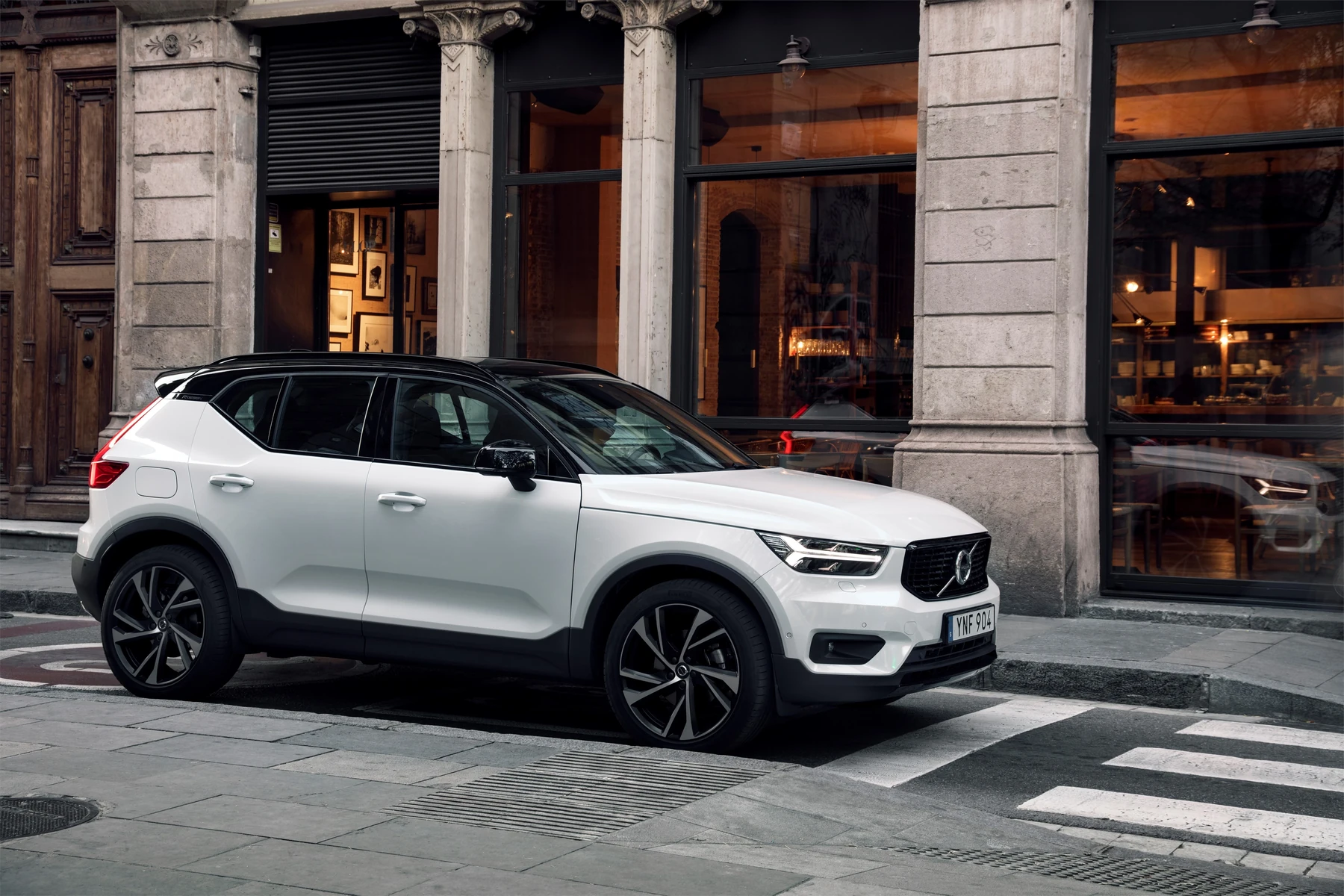
The Kia EV6 is another alternative that rivals the Volvo EX40. With a battery capacity between 58 kWh and 77.4 kWh, the EV6 achieves a range of up to 310 miles, depending on the variant. It features both AC and DC charging options, ensuring versatility for different charging scenarios.
- Battery Options: Similar to the Ioniq 5, providing flexibility.
- Charging Performance: Can charge from 10% to 80% in around 18 minutes with a fast charger.
- Real-World Range: Varies based on driving behavior and environmental factors.
Safety Features
The EV6 comes equipped with numerous safety features, including advanced driver-assistance systems. These features contribute not only to safety but also to a more enjoyable driving experience.
Tesla Model 3: Leading the Electric Revolution
The Tesla Model 3 remains a top choice in the electric vehicle market. With battery options providing a range of 267 to over 358 miles, the Model 3 excels in efficiency. Tesla’s extensive Supercharger network makes long-distance travel more achievable.
- Battery Capacity: Ranges based on model selection.
- Charging Infrastructure: Access to Tesla’s Supercharger network for fast charging.
- Real-World Range: Performance varies based on driving conditions and patterns.
Charging Costs
Charging costs can vary significantly depending on your local electricity rates and whether you use home charging or public charging stations. Tesla’s Superchargers typically charge per kWh, and it’s advisable to monitor your charging habits to manage costs effectively.
Comparative Overview of Alternatives to Volvo EX40
| Model | Battery Capacity (kWh) | Range (Miles) | DC Fast Charging Time (10% to 80%) |
|---|---|---|---|
| Ford Mustang Mach-E | 68 – 88 | Up to 300 | ~38 minutes |
| Hyundai Ioniq 5 | 58 – 77.4 | Up to 303 | ~18 minutes |
| Kia EV6 | 58 – 77.4 | Up to 310 | ~18 minutes |
| Tesla Model 3 | 50 – 82 | 267 – 358 | Variable (Supercharger) |
⚠️ Safety Note: Always ensure your EV is charged safely and follow manufacturer guidelines to prevent battery damage or safety hazards.
Real-World Charging Procedures and Costs
Charging your vehicle will depend on various factors, including your home setup and local charging infrastructure. Level 1 chargers are the most straightforward but can take longer to charge your vehicle fully. Level 2 chargers are more efficient for home use, providing a quicker charge.
Home Charging Setup
Investing in a Level 2 home charger can significantly reduce charging times. Installation costs can range from $500 to $2,000, depending on electrical work needed. However, the convenience and savings on charging costs can make this a worthwhile investment.
Public Charging Costs
Public charging costs vary widely. Some networks charge by the kWh, while others may have a flat fee or charge per minute. Understanding these costs can help you budget for your electric vehicle ownership.
💡 Evans Torres Tip: Regularly check for software updates for your electric vehicle. These updates can improve battery performance and enhance your driving experience.
Frequently Asked Questions
What Is the Range of the Alternatives to the Volvo EX40?
The range varies by model. For example, the Ford Mustang Mach-E offers up to 300 miles, while the Hyundai Ioniq 5 can reach up to 303 miles.
How Long Does It Take to Charge These Alternatives?
Charging times depend on the battery size and type of charger used. Most models can charge from 10% to 80% in under 40 minutes using a DC fast charger.
Are There Any Safety Features in These Alternatives?
Yes, most alternatives come with advanced driver-assistance systems and other safety features to enhance driving safety.
What Are the Costs Associated with Charging Electric Vehicles?
Charging costs can vary based on local electricity rates. Home charging setups generally offer lower costs compared to public charging stations.
Can I Charge These Vehicles at Home?
Yes, home charging is possible and often recommended for convenience. Installing a Level 2 charger can make this process more efficient.
Final Verdict
Exploring alternatives to the Volvo EX40 can lead you to options that better fit your lifestyle and budget. The Ford Mustang Mach-E, Hyundai Ioniq 5, and Kia EV6 each offer unique features and capabilities worth considering.
Evaluate the battery capacity, charging options, and range to determine the best choice for your electric vehicle needs.
Author

Author

Evans Torres
I’m Evans Torres, an automotive engineer who loves Volvo cars. I graduated in Automotive Engineering from USC. I have worked in the car industry for years and now share my knowledge on The Volvo Life. I started this blog to connect with other Volvo fans. I offer tips, news, and advice to help you care for your car. My goal is to help you keep your Volvo in great shape and find all the best things about it. Join me as we discover everything Volvo has to offer!