


f jump starter for volvo how to use — pick a 12V lithium booster rated 1500–2000 peak amps, clip red to the Volvo’s positive jump post and black to a clean chassis ground, power the unit, then crank within 30 seconds. Disconnect in reverse order and recharge the booster.
A weak 12V battery shows up fast on modern Volvos: the start button does nothing, lights dim, or the dash flickers. A portable jump starter gets you moving without flagging down another car. For related context, you may also want to read how to use a professional car scanner for Volvo vehicles.
The steps are simple, but placement matters on Volvos with under‑hood jump posts and trunk-mounted batteries. Below, you’ll get exact sizing, safe step-by-step use, winter storage, and diesel/hybrid notes. This connects closely with how to use a Volvo car jack for safe if you want to compare the topic in more detail.
- Main point: For most Volvo cars/SUVs, a 12V lithium jump starter with 1500–2000 peak amps reliably starts 2.0T and 3.0L engines year-round.
- Best first step: Use the designated under‑hood jump posts; ground the black clamp to a bare chassis point unless your manual specifies a post.
- Cost or value: Quality units run $90–$200; expect 3–5 years of service if kept 60–80% charged.
- Who it suits: Daily drivers, cold‑climate owners, and anyone parking for 1–3 weeks at a time.
- When to get help: If you need two jumps in a week, test/replace the 12V battery instead of relying on the booster.
Keeps a compact lithium booster in the glovebox for a no‑start morning without waiting for roadside assistance.
Needs higher cold‑crank performance at 0°F or below; avoids battery strain on sub‑freezing starts.
Runs diesel Volvos or 24V systems and needs a commercial‑grade 12/24V pack or slave‑start procedure.
What a Volvo Jump Starter Does vs a Battery Charger
A jump starter delivers a short burst of high current to crank the engine immediately. It’s the right tool when you need to start now. If you are comparing similar topics, how to change starter on Volvo d13 is also worth checking.
A battery charger replenishes a depleted battery slowly over hours. Smart chargers are perfect for storage or to recover a weak AGM/EFB battery overnight, but they won’t crank the engine instantly. You can also use are scanner for Volvo safe to use as a helpful next guide on the same ownership topic.
On many Volvos the battery sits in the trunk or under the rear floor, but the factory provides under‑hood jump posts. Always follow your owner’s manual for exact post locations and clamp order.
Never jump a visibly damaged, frozen, or leaking battery. For hybrids (T8 Recharge) and EVs (EX30/EX40/EC40/EX90), only service the 12V system — never touch high‑voltage components or orange‑sheathed cables. Consult Volvo Support for model‑specific jump‑start points.
Why Carry a Jump Starter in a Volvo
Cold snaps, short-trip driving, and older 12V batteries are the top reasons a Volvo won’t crank at home. A booster skips the wait for a donor vehicle or a tow.
Modern electronics draw small currents even when parked. Two weeks at the airport or leaving an interior lamp on can drop voltage below the 11.8V threshold where lights work but cranking fails.
Hybrids still depend on a healthy 12V battery to wake up systems and close contactors. A compact booster revives the 12V side so the car can go READY.
Most late-model Volvos provide dedicated under‑hood jump posts even when the main battery is in the trunk. Using these posts avoids sparks near the battery and gives a better ground connection.
Here’s a quick look at where a jump starter helps most and how urgent each case is. Treat repeated no‑starts as a sign to load-test or replace the battery rather than relying on the booster.
Frequent boosts indicate a failing battery or a parasitic draw; fix the root cause to prevent being stranded.
| Scenario | Likely 12V State | Why a Booster Helps | Urgency |
|---|---|---|---|
| Sub‑freezing morning | Voltage sag under load | Adds high current for cold cranking | Immediate |
| Parked 10–14 days | Surface charge only | Wakes systems to start and recharge while driving | Soon |
| Light left on overnight | Deeply discharged | Provides initial crank; recharge fully after | Immediate |
| Battery age 5–7 years | High internal resistance | Compensates briefly for weak CCA | Replace battery |
| T8 Recharge hybrid won’t “READY” | Low 12V aux | Boots control modules; HV pack untouched | Immediate |
| Trailhead/remote parking | Unknown drain | No donor vehicle required | Immediate |
Best Jump Starter Type for Volvo Cars and SUVs
Lithium jump starters dominate for Volvo owners: they’re compact, hold charge for months, and deliver big peak amps. “Smart” clamps add reverse‑polarity and short‑circuit protection.
Heavy-duty lead‑acid boosters still shine for repeated starts or fleet use, but they’re larger and heavier. Power bank models add USB‑C/12V outputs for phones and accessories.
Choose a unit with clear polarity lights, override mode for deeply discharged batteries, and at least 1500–2000 peak amps for 2.0–3.0L gas engines.
| Type | Peak amps | Best for | Approx price | Verdict |
|---|---|---|---|---|
| Lithium compact | 1500–2000A | XC40/S60/V60 2.0T, year‑round | $90–$150 | Best overall |
| Lithium heavy-duty | 2000–3000A | XC90 T6/T8, cold climates | $130–$220 | Extra headroom |
| Lead‑acid wheeled | 1700–3400A | Shops, frequent use | $150–$350 | Durable but bulky |
| Power bank hybrids | 1200–2000A | Glovebox multi‑use | $100–$180 | Great features |
Diesel Volvos and cold‑weather starts need more headroom (aim 2000A+). T8 Recharge hybrids only need to wake the 12V system (standard 12V booster). Fully electric Volvos (EX30/EX40/EC40/EX90) don’t crank an engine — a jump starter is used only for the 12V accessory battery if it’s low.
Volvo Model‑Based Jump Starter Guide
Engine size and climate drive your choice. Use these quick picks as a starting point, then factor in winter temps and battery age.
- XC40, S60, V60 (2.0T mild hybrids): 1500–2000A lithium. Go 2000A if winters dip below 10°F.
- XC60 T5/T6, S90/V90 (2.0T/2.0T+SC): 2000A lithium recommended, especially for cold climates.
- XC90 T6/T8: 2000–3000A lithium gives more margin with the larger SUV and accessories.
- Older 5‑cyl (S60/V70/XC70 P2): 1500–2000A works; confirm clean grounds on aging cars.
- T8 Recharge (PHEV): Standard 12V booster (1500A+) to wake systems — never touch HV pack.
- EX30/EX40/EC40/EX90 (BEV): Only relevant to 12V accessory wake‑up; no engine to crank.
Planning to boost another vehicle with your Volvo instead? Review our step‑by‑step on how to use a Volvo to jump start another car safely for donor‑car precautions and clamp order.
Jump Starter for Volvo Diesel, Hybrid, and Electric Models
Diesel engines have higher compression and thicker oil in winter, so they draw more current. Pick 2000–3000A lithium or a pro‑grade booster for reliable cold starts.
T8 Recharge hybrids use a normal 12V battery to boot modules; a standard 12V booster is correct. Never attempt to “jump” the high‑voltage battery — that’s dealer‑only territory.
BEVs don’t crank; you’ll only address a low 12V accessory battery to wake the car. Follow the manual for safe 12V posts and procedure.
Do not feed 24V into a 12V Volvo — you will destroy control modules. Never connect to orange high‑voltage cables on hybrids/EVs. If you cannot find the 12V jump posts, stop and consult the owner’s manual or Volvo Support.
Jump Starter for Volvo Trucks and Heavy Equipment
Many Volvo Trucks and Construction Equipment run 24V electrical systems or dual batteries. These require 12/24V commercial boosters or slave‑start posts and trained procedure.
Fleet operators should use a dedicated 24V pack with 3000A+ peak or a shop charger with start assist. For haulers like A40/A60, follow OEM service manuals or call a mobile fleet service. For another practical angle, see how to use Volvo remote start.
What Size Jump Starter Do You Need
Sizing blends five factors: battery voltage (12V for cars, 24V for heavy trucks), engine size/compression, temperature, battery health, and clamp/lead quality.
For most U.S. climates, 1500–2000A peak covers modern 2.0T Volvos. Add 25–50% headroom for sub‑freezing starts or older batteries with higher internal resistance.
| Engine/battery | Recommended peak amps | Notes |
|---|---|---|
| 2.0T (XC40/S60/V60) | 1500–2000A | Go 2000A for cold climates |
| 2.0T SC T6 (XC60/XC90) | 2000–2500A | More accessories, larger SUV |
| Older 2.5T 5‑cyl | 1500–2000A | Check grounds, clean posts |
| Diesel D5 (EU) | 2000–3000A | High compression, winter headroom |
| T8 Recharge (PHEV) | 1500A+ | 12V wake‑up only; no HV jump |
| Volvo Truck 24V | 24V pro unit | Not a consumer 12V booster |
How to Use a Jump Starter for Volvo Safely
This process takes 5–10 minutes. Confirm your booster is at least 60% charged and locate the Volvo’s designated jump points under the hood. Many models specify connecting the negative clamp to a chassis ground instead of the battery’s negative terminal to reduce spark risk.
- Park and secure: Set the parking brake, switch off all accessories, and open the hood.
- Find the jump posts: Identify the red positive post and a marked ground point or clean chassis bolt per the owner’s manual.
- Power off the booster: Keep the unit off while attaching clamps to avoid arcing.
- Connect clamps: Red clamp to the positive post; black clamp to chassis ground (or the specified negative post).
- Power the booster: Turn it on; some units require a “boost” or “override” button for deeply discharged batteries.
- Start the Volvo: Press the brake and hit Start within 30 seconds. Hold for 2–3 seconds if needed.
- Stabilize for 30–60s: Let the engine idle so the alternator takes over charging.
- Disconnect in reverse: Power off the booster, remove black clamp first, then red.
- Recharge the booster: Top it up right away via USB‑C or wall adapter.
- Clean the ground point with a glove or cloth if it’s painted or oily; poor grounds cause failed boosts.
- On push‑button Volvos, keep the key inside the cabin; low 12V can confuse key detection on the first try.
- If the alarm sounds after a boost, lock/unlock once; see our model‑specific notes for jump‑starting an S60 without tripping the alarm.
- If the engine cranks slowly twice, size up to a 2000–3000A unit or replace the 12V battery.
How to Charge and Store a Jump Starter in Winter
Recharge your pack every 2–3 months and after each use. Most lithium units prefer storage at 50–80% charge and temperatures between 32°F and 85°F.
Expect reduced output below 32°F. Warm the pack inside the cabin for a few minutes, then attempt the boost. Avoid leaving the unit in a sub‑freezing trunk overnight if possible.
For deeper technical guidance on battery behavior in cold, consult manufacturer specs or battery resources like Battery University.
Where to Buy a Jump Starter for Volvo
Amazon and auto parts stores offer easy returns and current models; verify the seller is authorized to avoid clones. Best Buy carries mainstream lithium packs with solid support.
Dealers sometimes stock branded boosters, but you’ll pay a premium. Prioritize clamp quality, warranty, and a clearly labeled override for deeply discharged batteries.
Jump Starter Troubleshooting
No crank after connecting usually traces to one of four things: the booster isn’t charged, the negative clamp isn’t on bare metal, the pack is undersized for the engine/temperature, or safety mode is blocking output due to reversed clamps.
Try a different ground point, warm the unit in cold weather, and confirm you pressed the boost/override button. Persistent no‑starts after a correct boost point to a failing 12V battery or separate starter/immobilizer issue.
Common Mistakes to Avoid / When to Replace the Battery Instead
Clamping black to painted metal, boosting a physically swollen battery, and stacking multiple failed attempts without letting the booster recover are the most common errors. Always follow the Volvo‑specified ground point.
Two jumps in a week is a replacement signal. Key detection hiccups are normal after a low‑voltage event; if needed, review our guide on starting a Volvo XC90 with a dead key fob to ensure the fob is in range during the first post‑boost start.
Before wrapping up, a quick personal note on real‑world use can help you avoid the small gotchas that strand people after a successful boost.
💡 Evans Torres Tip: I keep a 2000A lithium pack in my XC60 and learned one trick the hard way: the ground matters more than the amps. On a snowy morning, my first attempt failed because I clamped to a painted strut tower. Moving the black clamp to a clean engine lifting eye made the car fire instantly.
Frequently Asked Questions
These quick answers cover the most common jump‑starter sizing, safety, and usage questions Volvo owners ask after they’ve seen the step‑by‑step process. Use them to sanity‑check a purchase, or to troubleshoot a no‑start that persists after a proper boost.
What size jump starter is best for a Volvo XC90 T6?
A 2000–2500A lithium unit is the sweet spot for XC90 T6 models, especially in colder climates. The larger SUV and accessory load benefit from extra headroom. If you see temps below 10°F regularly, consider a 3000A model for faster cranking.
Can I use a jump starter on a Volvo T8 Recharge hybrid?
Yes — but only on the 12V accessory system. Use a standard 12V booster (1500A+), follow the under‑hood posts, and never touch orange high‑voltage cables or attempt to “jump” the HV battery. After wake‑up, the car should go READY and charge the 12V battery.
Why won’t my Volvo start even with the jump starter connected?
Check four items: booster charge level, clean metal ground point, correct polarity, and whether your unit needs a “boost” override for a deeply discharged battery. If it still won’t crank, suspect a failing 12V battery, starter fault, or immobilizer/key detection issue.
How often should I recharge the jump starter I keep in my Volvo?
Top it up after every use and every 2–3 months during storage. Most brands recommend maintaining 50–80% state of charge for longevity. Cold weather accelerates self‑discharge — check more frequently in winter.
Is it safer to use the under‑hood posts instead of the battery terminals?
Yes. Volvo provides under‑hood posts to reduce spark risk near the battery and to ensure a solid ground. Use the designated positive post and the specified ground point listed in your owner’s manual for best results.
Will jump starting trigger the alarm or reset settings?
An alarm may sound when reconnecting power; lock/unlock once to clear it. Most settings remain intact, but the clock and trip data can reset after a deep discharge. For alarm‑specific tips, see our S60 no‑alarm jump‑start guide linked above.
Where can I learn more about safe boosting and related Volvo start procedures?
For donor‑car steps, read our walkthrough on using a Volvo to jump another car. If a dead 12V triggered key issues, review our dead key fob start guides by model. Volvo’s official support site also lists the exact jump points by year.
Final Verdict
Pick a 12V lithium jump starter with 1500–2000A peak for most Volvos, step up to 2000–3000A for diesels, big SUVs, or harsh winters. Use the factory jump posts, ground to clean metal, and start within 30 seconds of powering the pack.
After one successful boost, plan a proper battery test. A jump starter is a lifesaver, but a fresh 12V battery is the long-term fix when no‑starts repeat.
My Top Picks at a Glance
Here are the three f jump starter to use options I would check first if you want a faster buying decision.
These picks highlight the strongest overall choice, the best value option, and the premium-style pick for practical Volvo ownership.
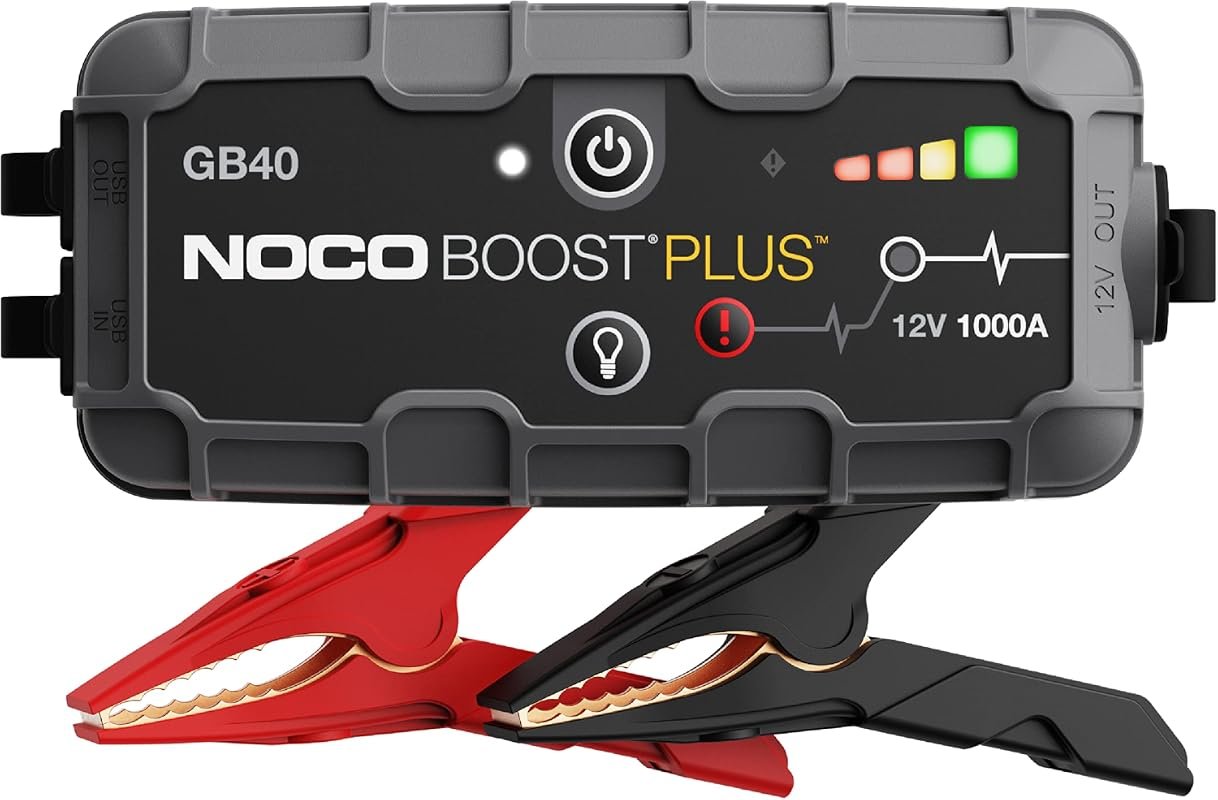 Best Overall
NOCO Boost GB40 12V 1000A UltraSafe Portable Lithium Jump Starter | Spark-Proof & Reverse Polarity P
It offers the strongest all-around mix of fit, value, and practical daily use for Volvo owners.
 Best Value
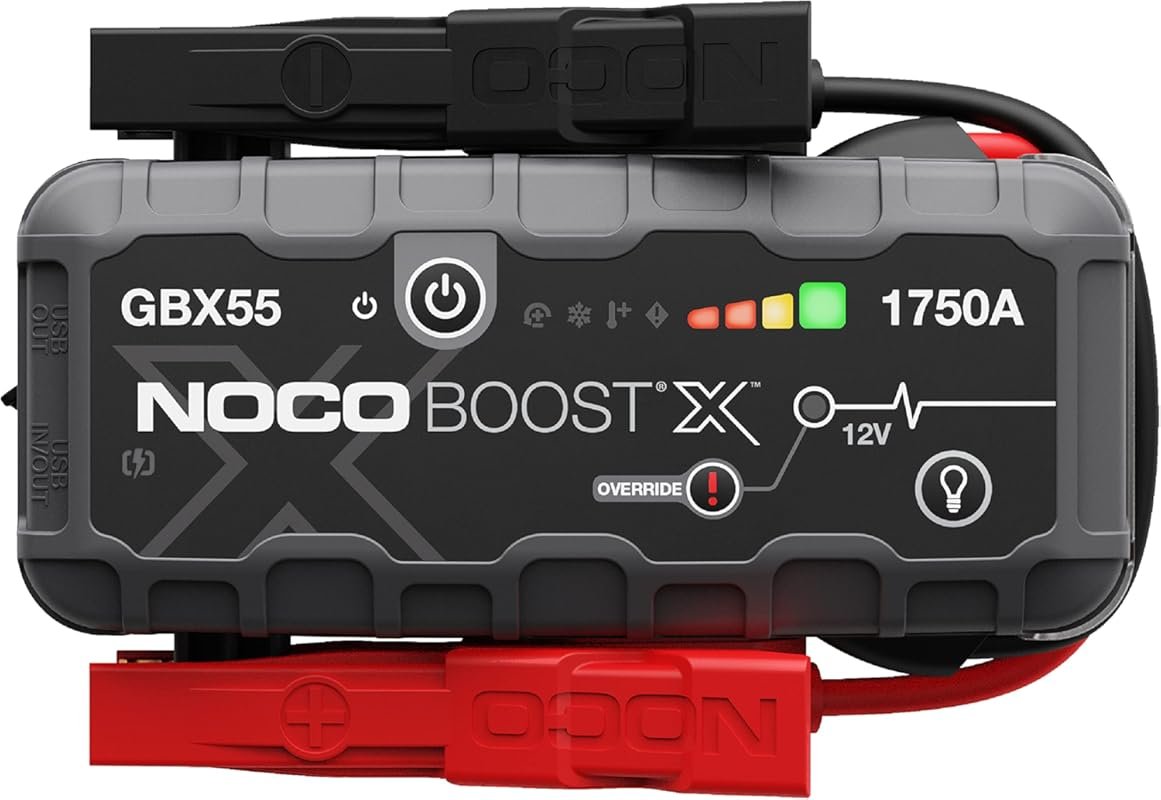
NOCO Boost X GBX55: 1750A UltraSafe Jump Starter
It makes sense for owners who want a useful upgrade without paying more than necessary.
 Best Premium Option
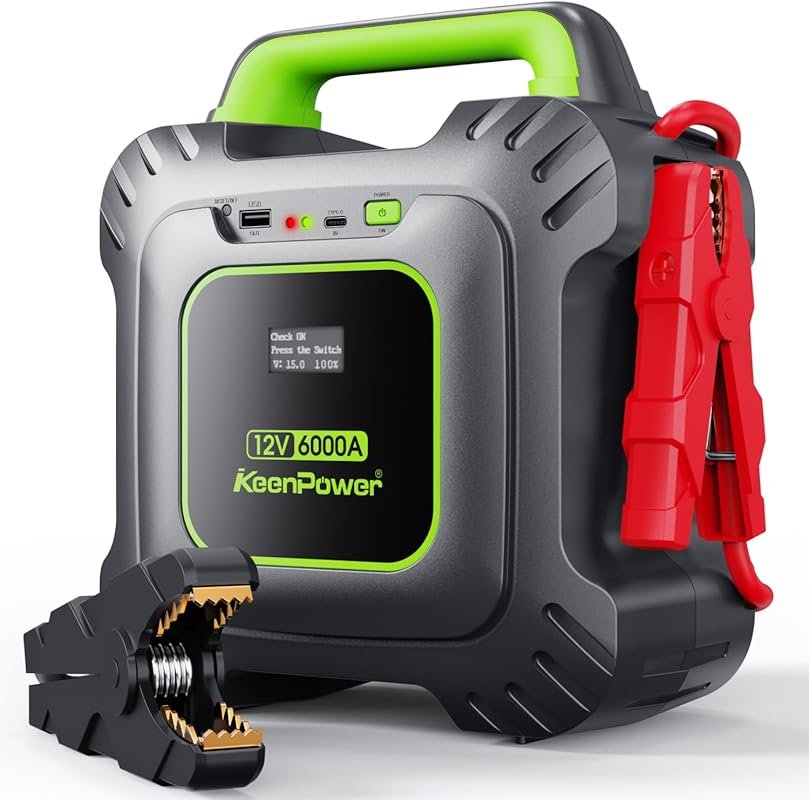
KeenPower 6000A Super Capacitor Jump Starter for All 12V Cars, Jump Box | No Traditional Battery, Po
It is the pick I would compare first if build quality, features, and long-term ownership value matter most.
Author

Author

Evans Torres
I’m Evans Torres, an automotive engineer who loves Volvo cars. I graduated in Automotive Engineering from USC. I have worked in the car industry for years and now share my knowledge on The Volvo Life. I started this blog to connect with other Volvo fans. I offer tips, news, and advice to help you care for your car. My goal is to help you keep your Volvo in great shape and find all the best things about it. Join me as we discover everything Volvo has to offer!