


Volvo difference between B and T is that B engines are 48‑volt mild‑hybrids designed for smoother starts and modest efficiency gains, while T engines are earlier turbo/twincharged gas units that can feel a touch punchier but use simpler hardware and often cost less used.
Volvo’s “B” and “T” letters aren’t trim levels — they’re powertrain families. B denotes the newer 48‑volt mild‑hybrid gasoline setups (B4/B5/B6) that replaced many T engines in the USA from around model year 2022 onward.
T designations (T4/T5/T6/T8) were the gasoline mainstay from the mid‑2010s through about 2021 in most models. They use Volvo’s 2.0‑liter Drive‑E four‑cylinder with a turbo (T4/T5), or turbo plus mechanical supercharger (T6), and the T8 plug‑in hybrid.
This guide distills how B and T compare for performance feel, efficiency, tech pairing, reliability signals, and total ownership cost. It’s written for U.S. shoppers cross‑shopping newer B‑badged Volvos with earlier T‑badged examples of the same model.
- Main difference: B adds a 48‑volt mild‑hybrid system to Volvo’s 2.0‑liter gas engine for smoother stop/start and efficiency gains; T is the earlier turbo or twincharged gas setup without the 48‑volt assist.
- Best for B: City commuters and tech‑minded buyers who value smoother low‑speed drivability, newer safety/infotainment, and slightly better mpg.
- Best for T: Value hunters buying used, or drivers who prefer the mechanical punch of the T6 twincharged feel and simpler hardware.
- Cost/value: B usually carries higher purchase prices due to newer model years but can offset some cost with fuel savings and updated tech; T typically wins on used price.
- Important caveat: Match model year and trim carefully — a B5 and a T5 are close peers, but features, software, and safety hardware changed over time.
Are B and T direct competitors?
No — B and T are powertrain families offered across the same Volvo models, not standalone vehicles. You’ll see them as alternative engine choices within the XC60, XC90, S60, V60 and others, mapped by trim and year.
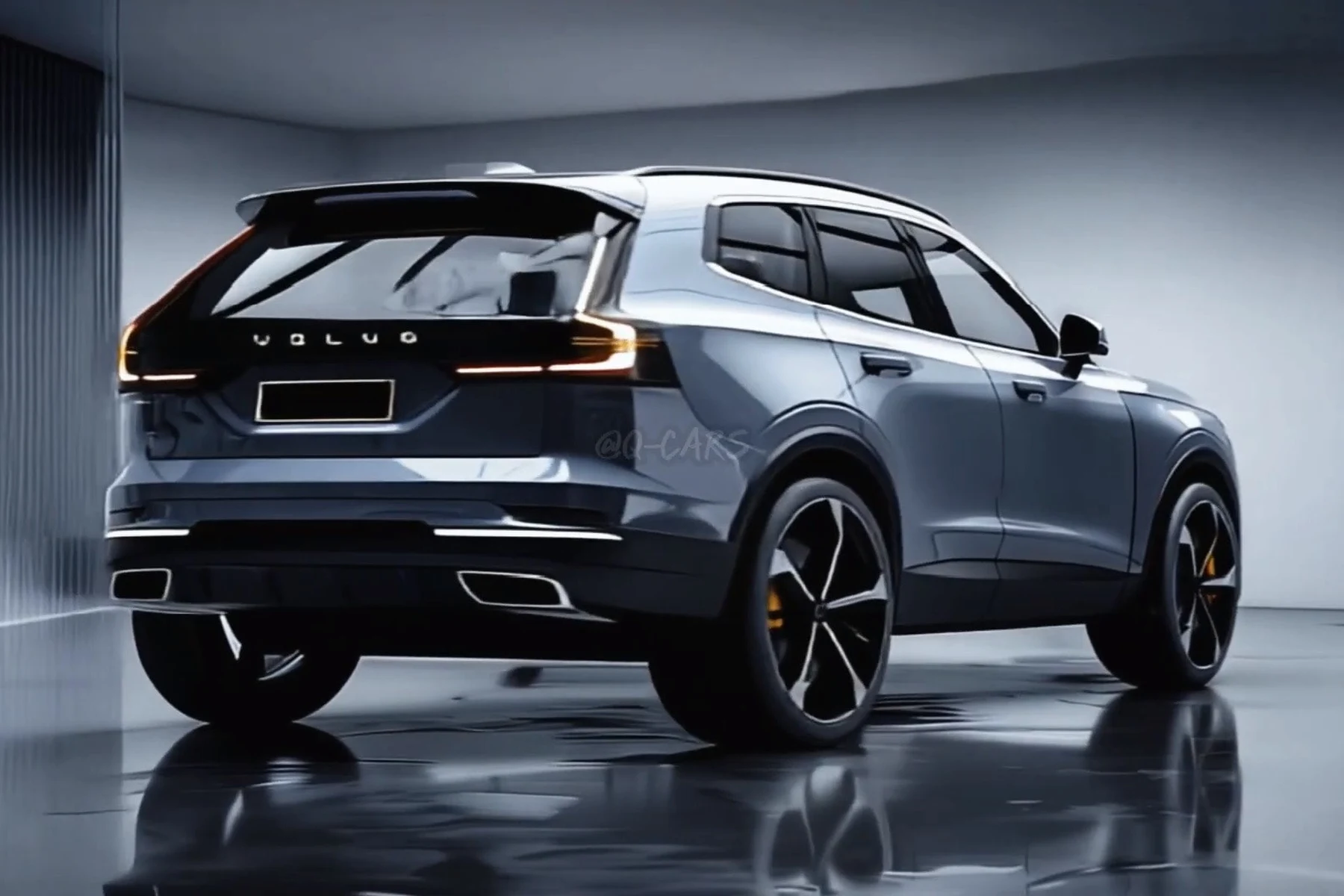
Shoppers compare them because B replaced most T engines in recent U.S. model years. So a used T5/T6 car competes on price against a newer B5/B6 of the same model.
At-a-glance comparison: B vs T
This table frames how the two families differ in hardware, on-road feel, efficiency expectations, and typical U.S. availability. Exact outputs, features, and pricing vary by model year and trim.
| Decision point | B | T |
|---|---|---|
| Powertrain architecture | 48‑volt mild‑hybrid assist added to 2.0L gas engine (B4/B5/B6) | Conventional gas: 2.0L turbo (T4/T5) or turbo + supercharger (T6); T8 is PHEV |
| On‑road character | Smoother stop/start, better low‑speed response, quieter restarts | More mechanical punch at higher revs (esp. T6), conventional stop/start feel |
| Efficiency expectation | Small but meaningful mpg gains vs equivalent T in same model | Lower mpg than B peers; varies by model, year, and drivetrain |
| Typical USA availability | Widespread from ≈ MY2022 onward, model‑dependent | Prevalent ≈ MY2016–2021; phased out as B arrived |
| Tech pairing | Often paired with newer ADAS hardware and Google built‑in infotainment (model/year dependent) | Often paired with earlier Sensus and prior‑gen ADAS (model/year dependent) |
| Maintenance footprint | Adds 48V battery and belt starter‑generator; fewer alternator duties | Simpler 12V architecture; T6 adds supercharger hardware |
| Emissions/regulatory | Designed to reduce CO₂ and meet newer standards | Meets period standards; newer software updates limited by hardware generation |
| Towing on same model | Usually similar to T when equally equipped | Usually similar to B when equally equipped |
Check the Monroney/window sticker, driver‑door emissions label, or the Volvo Cars app for the exact code (B5, B6, T5, T6). U.S. availability and outputs vary by model year, trim, and drivetrain (FWD/AWD).
Main differences between B and T
The core difference is the 48‑volt mild‑hybrid layer on B. An integrated starter‑generator recovers braking energy, smooths restarts, and can torque‑fill at low rpm to soften turbo lag.
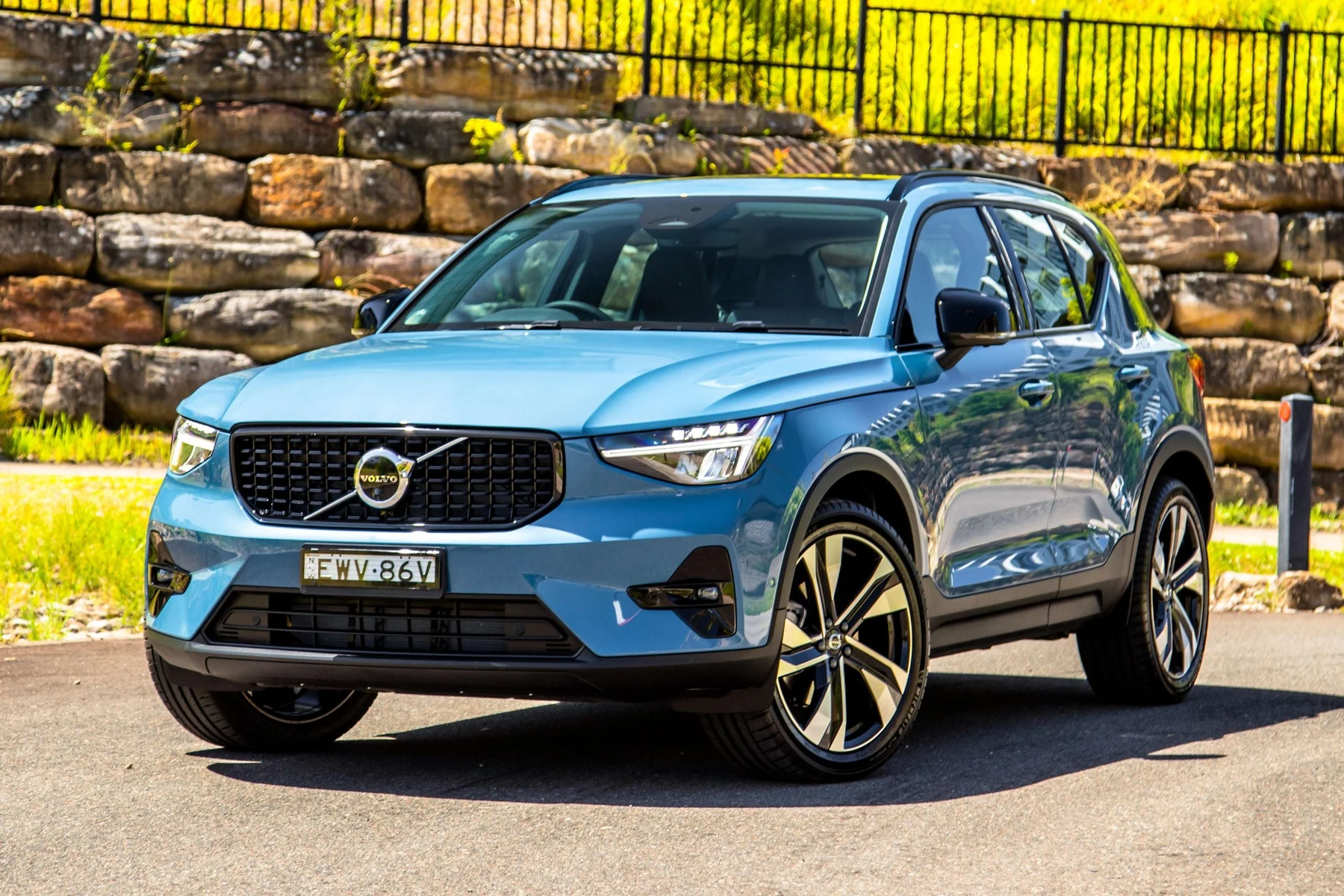
T engines rely solely on the combustion engine and, in T6’s case, a mechanical supercharger plus turbo for immediate boost. They can feel feistier at higher revs but restart less smoothly in stop‑and‑go traffic.
Similarities and common ground
Both families are based on Volvo’s 2.0‑liter Drive‑E four‑cylinder architecture and pair with 8‑speed automatics and FWD or AWD depending on model. Towing limits, cabin space, and chassis tuning are model‑driven, not letter‑driven.
Routine maintenance items (oil, filters, spark plugs, coolant) remain similar by interval; premium 91‑octane fuel is commonly recommended for full performance — confirm in your owner’s manual for your specific engine and year.
Despite the “T” letter, T8 is a plug‑in hybrid with substantial electric assist and EV‑only range, distinct from T4/T5/T6. In many markets it’s labeled “Recharge T8.”
Price, comparable trims and feature‑adjusted value
Feature‑for‑feature, B5 typically succeeds T5, and B6 typically succeeds T6 within the same model’s trim walk. In the U.S., B often arrived alongside newer standard tech and safety content, raising MSRP but also the feature load.
On the used market, T cars usually undercut equivalent B cars due to age. Shoppers weighing price vs tech commonly compare a newer B5/B6 base or mid‑trim against a higher‑trim older T5/T6.
If you’re zeroing in on XC90s, our detailed breakdown of the difference between B5 and B6 on the XC90 helps map power and features within the B family.
Price the whole build: purchase price, expected fuel spend, tires (19–22 inch sizes vary widely in cost), scheduled maintenance, and extended‑coverage quotes that explicitly include the 48V components (B) or supercharger (T6) where applicable.
Size, seating, cargo and everyday practicality
Engine letter does not change body size or seat count. An XC60 or XC90 with B has the same cabin packaging as the equivalent T of the same model year and configuration.
T8 plug‑in variants may alter underfloor packaging and fuel tank size, but B vs T (non‑plug‑in) generally keeps cargo and seating unchanged. Always confirm spare‑tire availability and underfloor storage by trim.
Interior comfort, visibility and cabin usability
Comfort is model‑ and trim‑driven, not B vs T. However, many B‑era cars benefit from incremental seat options, noise insulation tweaks, and updated driver displays that improve day‑to‑day ease.
Shop by specific trim packages (e.g., seat ventilation, Nappa leather, head‑up display) and compare across model years to see where B‑era updates improved ergonomics.
Infotainment, controls and technology
B‑era U.S. cars (starting around MY2022 in many models) often include Volvo’s Google built‑in infotainment, replacing Sensus in earlier T‑era cars. That brings native Google Maps, Assistant, and Play store apps with over‑the‑air updates.
Earlier T‑era cars run Sensus with CarPlay/Android Auto depending on year and software. For XC90 context, see where tech evolved in our overview of 2019 vs 2020 XC90 changes.
On your test drive, pair your phone, try native navigation, voice commands, and a cold start with climate preconditioning. Make sure the screen responsiveness and driver display layout suit your routine.
Safety and driver assistance using comparable model years
The B or T letter doesn’t change crashworthiness directly. Safety performance depends on the vehicle’s structure, restraint systems, and ADAS hardware/software for that model year.
B‑era cars often add updated sensors, cameras, and standard equipment. Compare IIHS/NHTSA results for the same model and year to avoid mixing scores across generations.
Only compare safety using the same agency and similar protocol years (e.g., IIHS 2022 vs 2022). Confirm whether key assists (Pilot Assist, Blind‑Spot Monitoring, 360° Camera) are standard or optional on your exact VIN.
Performance, ride, handling and drivetrain
B engines target smoother daily driving. The 48V assist helps the Volvo roll off the line more cleanly, masks stop/start shudder, and can make traffic creeping less fatiguing.
T6’s turbo + mechanical supercharger can feel more urgent once moving, with pronounced mid‑range shove. Chassis tuning and tire spec dominate handling in both families, so drive the exact wheel/tire and suspension combo you plan to buy.
Back‑to‑back a B5/B6 and a T5/T6, focus on: 1) restart smoothness, 2) low‑rpm response, 3) brake feel at parking speeds, 4) highway kickdown, and 5) noise/vibration at idle with A/C on.
Fuel economy and efficiency
Across like‑for‑like models, B commonly posts a small but real mpg improvement vs the equivalent T it replaced. In urban cycles with frequent restarts, the gap can be more noticeable.
EPA ratings vary by model year, drivetrain, wheels, and software. Check specific listings on FuelEconomy.gov for the exact year/trim you’re considering, then estimate annual fuel spend with your real mileage mix.
B’s gains come mostly from recuperation and smoother stop/start, not from long coasting with engine off like a full hybrid. Expect incremental improvements rather than a category shift.
Reliability, known issues and evidence level
There’s no conclusive, like‑for‑like large‑scale U.S. data proving B or T is broadly “more reliable.” B adds 48V components (battery, belt‑starter‑generator), while T6 adds supercharger hardware; each adds potential failure points of a different kind.
Because many B cars are newer, warranty coverage and software maturity can favor them short‑term. For used T cars, scrutinize service records for cooling, ignition, and scheduled maintenance adherence — and verify all software updates are current.
Maintenance, insurance, depreciation and total ownership cost
Routine service intervals are similar. B’s 48V system may shift some maintenance from a classic alternator to hybrid components; ask the dealer what’s covered under new‑car or CPO terms for your VIN.
Insurance tends to follow vehicle value and repair cost more than engine letter. Depreciation favors newer B cars initially, but T’s lower entry price can win total cost if you keep the car short‑term.
Before you sign: 1) get an itemized extended‑coverage quote listing 48V parts (B) or supercharger (T6), 2) price a set of tires in your wheel size, and 3) confirm the latest software level on infotainment and powertrain modules.
Towing and practical utility
Within the same model and equipment, B vs T typically shares the same tow rating when fitted with the factory tow package. The limiting factors are platform, cooling, and hitch spec, not the letter badge.
Always verify the tow rating on the driver‑door label and owner’s manual for your exact VIN and drivetrain.
B Pros and Cons
- Smoother stop/start and low‑speed manners
- Incremental mpg gains in like‑for‑like models
- Often paired with newer safety and Google built‑in
- Better alignment with newer emissions standards
- Higher purchase price due to newer model years
- Added 48V components to service/insure
- Not a full‑hybrid; gains are incremental, not dramatic
T Pros and Cons
- Lower used prices for similar trims
- T6’s twincharged punchy character
- Simpler 12V architecture (T5/T4)
- Broad parts and service familiarity
- Rougher stop/start and lower mpg than B peers
- Earlier infotainment and ADAS hardware
- Age‑related wear on older examples
Which is better for different buyers?
Alternatives worth considering
If you want more EV driving, the plug‑in hybrid Recharge (T8) adds meaningful electric range and stronger acceleration. It carries higher purchase prices but can slash fuel use for short commutes.
All‑electric Volvos (e.g., XC40 Recharge, C40, EX30/EX90 depending on availability) remove fuel stops entirely. Cross‑shop incentives, home charging setup, and your daily mileage before pivoting from B or T.
How to Decide Between B and T
- Match trims across years: map T5 ≈ B5, T6 ≈ B6, then list the features each car actually has.
- Pull EPA ratings for your two VINs on FuelEconomy.gov and estimate annual fuel spend for your mileage split.
- Drive both: judge restart smoothness, low‑rpm response, brake feel, and highway passing on the same road.
- Price total ownership: tires, routine service, any hybrid or supercharger coverage, and realistic depreciation if selling within 3–5 years.
- Decide by daily reality: if 80% of your miles are urban, B’s manners likely win; if budget rules and you found a clean T6, that value may be unbeatable.
If you’re exploring T‑family nuances, our guide to Volvo T5 and T6 differences explains how the turbo‑only and twincharged setups feel and equip trims.
Before we jump into FAQs, one practical reminder can save you hours at the dealership and on classifieds.
💡 Evans Torres Tip: Open the driver’s door and snap a photo of the emissions label; then photograph the window sticker or pull the build sheet by VIN. Confirm the exact engine letter, wheel size (tire costs), and key packages. Bring those photos to your test drive so you compare like with like.
Frequently Asked Questions
Shoppers often have specific, practical questions when weighing B against T. The answers below focus on the U.S. market and assume you are comparing the same Volvo model across adjacent years or trims. Always verify details on the VIN you plan to buy.
What does the “B” actually add versus a T engine?
B adds a 48‑volt belt‑starter‑generator, a small 48V battery, and software to harvest braking energy and assist the 2.0‑liter gas engine. You’ll feel smoother stop/start, cleaner roll‑off, and small efficiency gains versus an equivalent T in the same model.
When did B replace T in the USA?
Timing varies by model. Broadly, U.S. adoption spread for MY2022 and newer in core models like XC60 and XC90, while T‑badged engines dominated roughly MY2016–2021. Always confirm by VIN and window sticker for the specific car.
Is the T8 considered part of “T,” and how does it fit in?
Yes, T8 is a plug‑in hybrid with significant electric assistance and EV‑only range. It’s a different proposition from T5/T6 and B5/B6, trading higher purchase price for powerful acceleration and the ability to run many local trips on electricity.
Do B and T engines require premium gasoline?
Most modern U.S. Volvos recommend premium 91‑octane for full performance and efficiency. Some models allow 87‑octane with reduced output. Always check the fuel recommendation in the owner’s manual for your exact engine and model year.
Are B engines more reliable than T?
There’s no definitive, broad U.S. dataset declaring one family superior. B adds 48V components, while T6 adds a supercharger; each has unique service considerations. Your best signal is VIN‑specific maintenance history, software currency, and coverage for higher‑complexity parts.
Will B save me money on fuel versus T?
Usually a little, especially in city driving with frequent restarts. Pull EPA ratings for the same model across adjacent years and estimate annual savings with your mileage and local fuel prices. Expect incremental savings rather than full‑hybrid levels.
Does B change towing or payload compared with T?
On the same model and equipment, tow ratings are typically the same. Cooling, hitch, and chassis determine the limit more than the engine letter. Verify the rating on the door label and in the owner’s manual for your VIN.
I’m torn between a newer B base‑trim and an older T high‑trim — which is smarter?
If you value the latest safety/infotainment and smoother city manners, the newer B usually wins. If you want more features for the money (e.g., air suspension, upgraded audio), a clean, higher‑trim T can be the value play. Match features and drive both.
Final Verdict
Choose B if you prioritize a calmer daily drive, the latest safety/infotainment stack for that model, and modest fuel savings. Its 48‑volt assist refines low‑speed behavior and aligns with newer emissions standards, which helps long‑term ownership confidence.
Choose T if you’re shopping value and love the energetic character of Volvo’s earlier turbo/twincharged engines, especially in well‑kept T6 trims. A carefully maintained T can deliver excellent feature‑per‑dollar — just verify service records and software.
If you drive mostly in town and plan to keep the car for years, B makes the better long‑game. If budget leads, or the right high‑spec T appears, it’s still a smart, enjoyable choice. Cross‑shop a Recharge plug‑in if EV miles matter to you.
My Top Picks at a Glance
These three Volvo accessories are practical options to compare after choosing the right Volvo configuration.
 Best Overall
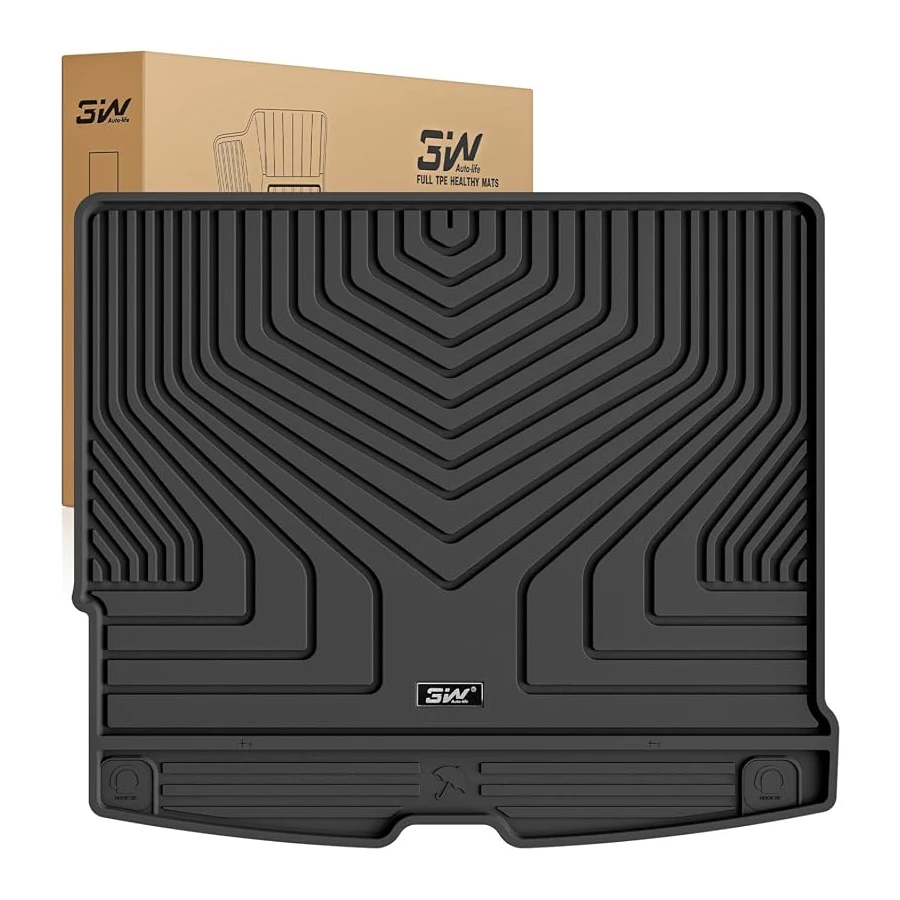
3W Volvo XC60 Cargo Liner 2018-2026, custom-fit TPE trunk mat, all-weather, non-slip, full-coverage, easy to clean, black.
A vehicle-fit accessory to compare for compatibility, daily usefulness, and value.
 Best Value
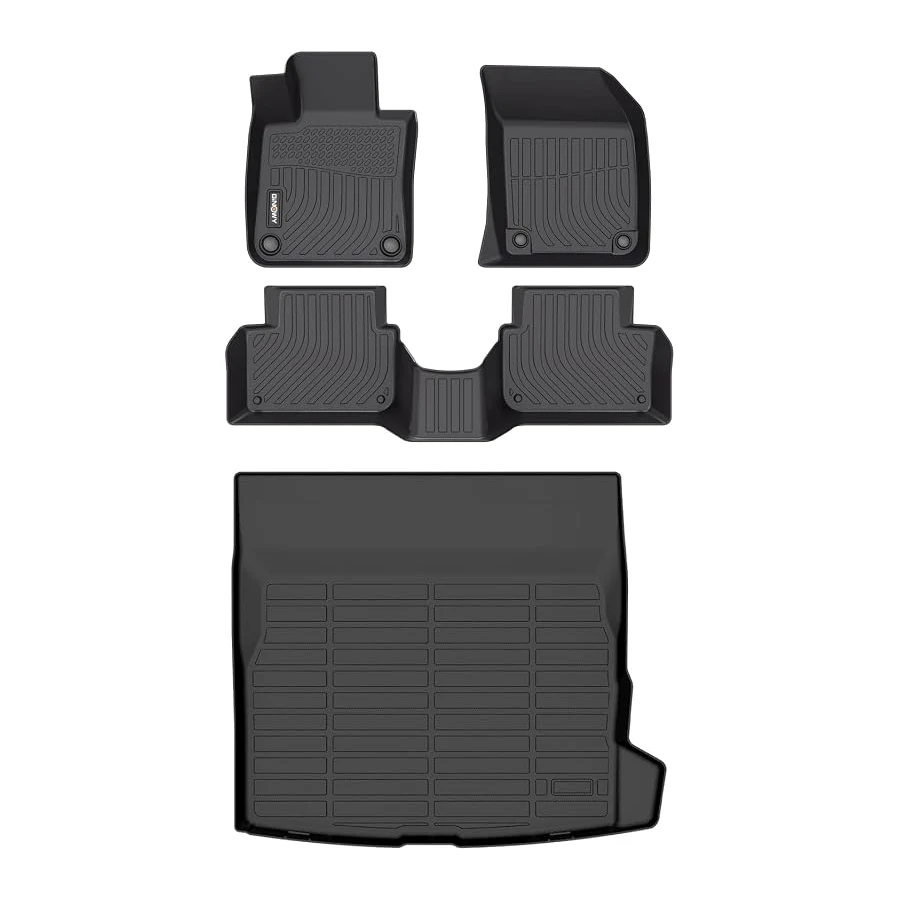
GINOWY Volvo S60 Floor Mats and Cargo Liner 2019-2025, custom-fit TPE set, all-weather, non-slip, easy to clean.
A vehicle-fit accessory to compare for compatibility, daily usefulness, and value.
 Best Premium Option
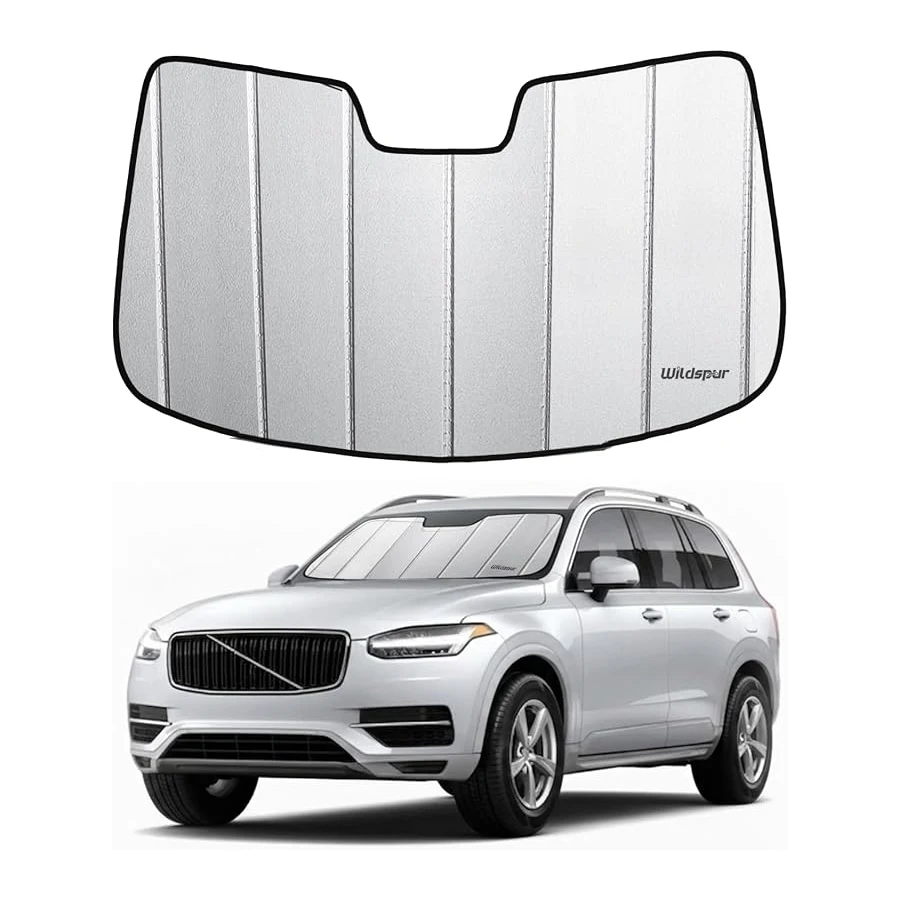
Custom Fit Volvo XC90 Windshield Sun Shade 2016-2026, Blocks UV Rays, Keeps Front Cabin Cooler
A vehicle-fit accessory to compare for compatibility, daily usefulness, and value.
Sources and Methodology
This U.S. comparison aligns B5/B6 to T5/T6 across adjacent model years and trims, focusing on powertrain architecture, drivability, efficiency expectations, and ownership costs. We prioritized Volvo official materials for technology definitions, EPA listings for fuel‑economy verification by model year, and safety‑agency guidance for like‑for‑like comparisons. Exact outputs, features, and availability vary by model and year; always confirm by VIN and window sticker. Data verified August 2026.
- Volvo Cars USA — Electrified lineup overview and powertrain context
- FuelEconomy.gov — 2021 Volvo listings (prevalent T‑era examples)
- FuelEconomy.gov — 2022 Volvo listings (early widespread B‑era examples)
- IIHS — Volvo ratings by model and year (safety methodology reference)
- Volvo Cars Support — Owner’s manuals and fuel recommendations
Author

Author

Evans Torres
I’m Evans Torres, an automotive engineer who loves Volvo cars. I graduated in Automotive Engineering from USC. I have worked in the car industry for years and now share my knowledge on The Volvo Life. I started this blog to connect with other Volvo fans. I offer tips, news, and advice to help you care for your car. My goal is to help you keep your Volvo in great shape and find all the best things about it. Join me as we discover everything Volvo has to offer!