


Jump starter for volvo engine — a 12V lithium unit rated 1500–2000 peak amps covers most Volvo gas engines. Choose 2000A–3000A for T6/T8, older batteries, diesels, or sub-freezing winters. Prefer reverse-polarity-protected packs from reputable brands and store them charged above 60%.
A weak 12V battery strands even a modern SPA/CMA Volvo with a healthy alternator. A compact lithium booster restores cranking power in minutes, no second car needed. For related context, you may also want to read best coolant for Volvo t5 engine.
This guide sizes the right booster by Volvo model and climate, explains safe connection points, and shows how to store and troubleshoot a pack so it works the moment you need it. You can also use best engine oil for Volvo 240 as a helpful next guide on the same ownership topic.
- Main point: Most Volvos are best served by a 12V lithium jump starter rated 1500–2000A; go 2000A+ for T6/T8, diesel, or freezing temps.
- Best first step: Check your owner’s manual jump points and keep the pack charged to at least 60% year-round.
- Cost or value: Expect $80–$200 for quality 12V car/SUV boosters; $300–$600+ for 24V commercial units.
- Who it suits: Daily commuters, cold-climate owners, and road‑trip families who park away from outlets.
- When to get help: Repeated jump needs in one week usually means the battery is done — replace and test charging system.
Wants a glovebox-sized booster that starts an S60/V60/XC40 without calling roadside assistance. For another practical angle, see best year for Volvo t5 engine.
Parks outdoors and needs extra peak amps to overcome thick oil and lower battery output in winter. This connects closely with best engine oil for Volvo 240 2 if you want to compare the topic in more detail.
Runs Volvo trucks or construction gear and needs 12V/24V commercial-grade boosters and cables.
What a Jump Starter Is vs a Battery Charger for Volvo
A jump starter is a portable, high-discharge power pack that delivers a short burst of current to crank the 12V starter motor. It does not recharge your car battery; it simply provides immediate cranking power.
A battery charger is a lower-current device designed to restore battery state-of-charge over hours. Smart chargers maintain and condition batteries; they don’t crank engines.
At 0°F (−18°C), a healthy AGM battery can deliver roughly 40% less cranking power. That’s why the same Volvo that starts fine in fall can fail on the first deep-freeze morning without a booster.
Why Volvo Owners Should Keep a Jump Starter
Cold snaps, short-trip driving, and aging AGM batteries are the big three reasons modern Volvos fail to crank. A glovebox booster avoids waiting for a neighbor or tow and can be life-saver in remote trailheads or airport lots.
Newer Volvos also power many modules at rest. A weak 12V battery can trigger multiple spurious warnings; a successful jump gets you moving so you can test and replace the battery on your schedule.
Here is a quick decision grid that links typical Volvo situations to the right jump-starter capability.
Use the higher rating if you drive in freezing temps, run a T6/T8, or your battery is over four years old — cold and compression raise the current you need to crank.
| Scenario/Model | Why carry one | Minimum peak amps | Notes |
|---|---|---|---|
| XC40/S60 2.0T (B5/B6 mild hybrid) | Short trips and winter drains | 1500–2000A | 12V jump only; ISG still needs a healthy main battery |
| XC60 T5/T6 | Higher compression 4‑cyl turbo | 2000A+ | Extra headroom helps below 20°F |
| XC90 T5/T6/T8 | Heavier SUV + accessories | 2000–3000A | T8: jump the 12V system only |
| V60/S60 Recharge (PHEV) | 12V battery can strand the car | 1500–2000A | Never touch orange HV components |
| Older P2/P3 Volvos (2004–2014) | Aging AGM and parasitic draws | 1500–2000A | Check remote jump posts in engine bay |
| Volvo D4/D5 passenger diesels | Higher compression diesel cranking | 2000–3000A | Glow plug delay may be needed |
| Volvo Trucks (D11/D13) | Large displacement diesel start | Commercial 12V/24V | Use fleet-grade booster, not car unit |
Best Jump Starter Type for Volvo Cars and SUVs
Lithium jump starters dominate for Volvo owners because they’re small, safe, and powerful. Heavy-duty packs add reserve for T6/T8 and diesels. Smart packs add clamps that refuse unsafe connections — worth it in tight Volvo bays.
Power-bank models add USB-C/AC outputs for camping and charging phones, but prioritize models with solid cold-crank performance if you park outdoors.
| Type | Typical peak amps | Best for | Approx price | Verdict |
|---|---|---|---|---|
| Lithium compact | 1000–1500A | XC40, S60, V60 in mild climates | $80–$130 | Great glovebox pick; keep warm in winter |
| Lithium high‑output | 2000–3000A | XC60/XC90, T6/T8, cold climates | $120–$200 | Best all‑around for most US Volvo owners |
| Heavy‑duty lithium | 3000A+ | Passenger diesel, repeated starts | $180–$300 | Extra headroom; bulkier |
| Lead‑acid booster | 900–1700A | Garage use, long cable clamps | $120–$220 | Works well, heavier, needs wall charging |
| Power station (with AC/DC) | 1500–2400A | Road trips, camping + jump | $200–$400 | Versatile; verify true jump specs |
- Buy a pack with reverse-polarity and spark protection — tight Volvo engine bays make clamp slips more likely.
- Pick clamps with wide jaws; they grab Volvo ground studs and jump posts more securely.
- Cold climate? Store the pack in the cabin, not the trunk — warm cells deliver more current.
- Recharge after every use and every 2–3 months during storage to maintain cell health.
Volvo Model‑Based Jump Starter Guide
XC40/S60/V60 with 2.0T B5/B6: 1500–2000A lithium works well; choose 2000A if winters dip below 20°F. XC60 T5/T6: target 2000A+, especially with aged batteries.
XC90 T5/T6/T8: heavier curb weight and more accessories benefit from 2000–3000A. Classic P2/P3 cars (2004–2014) run well on 1500–2000A; inspect and clean the remote positive post for best contact.
Planning winter maintenance with fresh oil and coolant helps cold starts even more. See our winter-ready picks in Best Engine Coolant for Volvo.
Jump Starter for Volvo Diesel, Hybrid, and Electric Models
Passenger diesels (D4/D5 where sold) need extra headroom — 2000–3000A lithium packs reduce repeated attempts. Wait for glow-plug lights to extinguish, then crank.
Recharge/T8 hybrids only use the jump starter on the 12V accessory battery. Never connect to orange high‑voltage components. EVs (EX30/EX40/EX90) rarely need a jump; if 12V is flat, follow Volvo’s manual to access the 12V posts to awaken the car.
Never connect a jump starter to any orange high‑voltage cable or component on Recharge/EV models. Only use the designated 12V jump points shown in the owner’s manual. If unsure, consult Volvo Support.
Hybrid and EV behavior varies by model year. On some Recharges, the 12V system must wake the HV contactors before READY appears — leave the booster connected for 2–3 minutes before pressing START.
Jump Starter for Volvo Trucks and Heavy Equipment
Volvo Trucks (D11/D13/D16) and Volvo CE machines often require 24V or dual 12V packs with heavy cables. Use commercial-grade boosters rated for large diesel displacement and, where applicable, 24V systems.
For engine-care context on heavy-duty fleets, our guide to best oil for Volvo truck engines and best engine oil for Volvo D13 pairs well with proper starting equipment.
What Size Jump Starter You Need: Amps, Voltage, Engine, and Cold
Sizing blends peak amps, internal battery size, and weather. Gas turbos need less than comparable diesels. Cold robs performance, so add 25–50% margin for freezing climates.
Choose 12V for all Volvo cars/SUVs; select 12V/24V commercial for trucks and equipment. More peak amps provide one‑and‑done starts and reduce stress on cables and contacts.
| Factor | What to check | Volvo example |
|---|---|---|
| Battery voltage | Match 12V (cars/SUVs) or 24V (some trucks) | XC90: 12V; Volvo FH: 24V |
| Engine size/type | Turbo gas vs diesel compression | XC60 T6: 2.0T → 2000A+ |
| Climate | Below 20°F add headroom | Minnesota winter: 3000A |
| Battery age | 4+ years = more margin | 2017 XC90 original AGM → 2000A+ |
| Accessories load | Heated seats, fans off while cranking | Turn off HVAC and lights |
How to Use a Jump Starter for Volvo Safely
The safest way uses Volvo’s designated jump points (often a positive post under a red cap and a chassis ground). Prepare the car, make solid connections, crank briefly, and disconnect in reverse order. Keep cranking bursts to 3–5 seconds to protect electronics and the booster.
- Park and prep: Engage Park, set parking brake, turn off all lights/HVAC, and open the hood.
- Locate jump points: Find the under‑hood positive post and the chassis ground per your owner’s manual.
- Power the booster: Ensure the pack is at least 60% charged; enable jump mode if required.
- Connect positive (+): Red clamp to the positive jump post; verify a firm bite on clean metal.
- Connect ground (−): Black clamp to the specified chassis ground stud — not the battery negative unless Volvo specifies.
- Wait 30–60 seconds: Allow voltage to stabilize; on hybrids, let modules wake.
- Crank the engine: Hold START for 2–3 seconds. If no start, wait 30 seconds and try once more.
- Disconnect safely: Remove the black clamp first, then the red clamp.
- Recharge the pack: Top up the booster immediately after use.
Do not jump a swollen, frozen, or leaking battery. Avoid loose jewelry, keep clamps from touching, and never exceed three crank attempts without reassessing connections and battery condition.
How to Charge and Store a Jump Starter in Winter
Recharge the pack after every use and every 60–90 days in storage. Most lithium boosters prefer 32–113°F (0–45°C) for charging; store around 50–80% state of charge if long-term.
In sub‑freezing temps, warm the pack in the cabin for a few minutes before use — warm cells deliver higher current and trigger protection less often.
Where to Buy a Jump Starter for Volvo
Amazon and major auto parts stores offer the widest selection and easy returns. Best Buy and Costco often bundle longer warranties. Volvo dealers may stock compatible boosters but at higher prices.
Check seller authenticity and recent reviews; avoid listings with inconsistent specs or missing support. Good brands provide clamp replacement parts and clear cold‑weather guidance.
Buy from authorized sellers to avoid counterfeits. Genuine units list continuous and peak output, operating temperatures, and provide UL/CE safety markings with serial numbers.
Jump Starter Troubleshooting
No crank after connection usually points to a low booster, poor ground, or too‑small unit. Charge the pack fully, reclamp to bare metal on the chassis ground, and try again.
Reverse‑polarity lights or beeps indicate clamp reversal — disconnect and correct. In deep cold, warm the pack and try a brief pre‑charge (clamps connected for 60 seconds) before cranking.
Common Mistakes to Avoid and When to Replace the Battery Instead
Common errors include clamping to painted or dirty metal, jumping via the battery negative instead of the specified ground stud, and cranking for 10+ seconds continuously.
Needing two or more jumps in a week typically signals a failing battery or charging issue. Replace the 12V battery and test the alternator. If you’re due for service soon, pair it with fresh oil suitable for your model — see our XC90 oil guide for spec context that helps cold starts.
Before wrapping up, one real-world habit has saved me time and stress on winter mornings.
💡 Evans Torres Tip: I keep a 2000A lithium booster in the cabin of my XC90 from November to March. Twice in Chicago cold snaps it saved me: I clamped to the under‑hood posts, waited 45 seconds, and it fired on the first try. Warming the pack inside and turning HVAC off before cranking made the difference both times.
Frequently Asked Questions
These quick answers cover sizing by model, hybrid/EV safety, cold-weather concerns, and ownership habits so your booster works the first time you reach for it — and so you’ll know when to stop jumping and replace the battery instead.
What size jump starter do I need for a Volvo XC90?
A 2000–3000A lithium pack is the sweet spot for XC90 T5/T6/T8, especially in cold climates. The extra headroom delivers a one‑and‑done crank on a heavier SUV and helps if the AGM battery is older than four years.
Can a jump starter damage Volvo electronics?
Quality boosters with reverse‑polarity and surge protection are safe when used at the designated jump points. The real risks come from reversed clamps, arcing, or cranking for too long. Keep attempts to 3–5 seconds and disconnect the ground first when finished.
How often should I charge a jump starter I keep in my Volvo?
Top it up after every use and every 2–3 months during storage. Lithium boosters self‑discharge slowly, but staying above 60% ensures full current delivery, especially below 32°F where cold reduces output.
Can I jump start a Volvo T8 Recharge or other hybrids?
Yes — but only the 12V system. Use the under‑hood positive post and chassis ground shown in the manual. Never connect to orange high‑voltage components. After connecting, wait a minute for systems to wake before pressing START.
Why won’t my jump starter work in very cold weather?
Cold reduces both your car battery’s cranking ability and the booster’s output. Warm the pack in the cabin for a few minutes, ensure 60%+ charge, make solid connections to bare metal, and try a short pre‑charge before cranking.
When should I replace my Volvo’s 12V battery instead of jump starting?
If you need two or more jumps in a week, or resting voltage is under ~12.2V after an overnight sit, replace the battery and check for parasitic draws. Repeated jumps are a sign the battery can no longer hold enough charge.
Where are the jump-start points on modern Volvos?
Most SPA/CMA models have a red‑capped positive post under the hood and a nearby chassis ground stud. Check your owner’s manual or Volvo Support for your exact layout. Avoid clamping to painted or coated surfaces.
Final Verdict
A 12V lithium booster rated 1500–2000A fits most Volvo gas engines; step to 2000–3000A for XC60/XC90, diesels, older batteries, and freezing climates. Buy reverse‑polarity‑protected clamps and store the pack charged and warm.
Use the under‑hood posts, crank briefly, and disconnect in reverse order. If you’re jumping more than once in a week, stop — replace the 12V battery and test the charging system so the car starts strong without a booster.
My Top Picks at a Glance
Here are the three jump starter options I would check first if you want a faster buying decision.
These picks highlight the strongest overall choice, the best value option, and the premium-style pick for practical Volvo ownership.
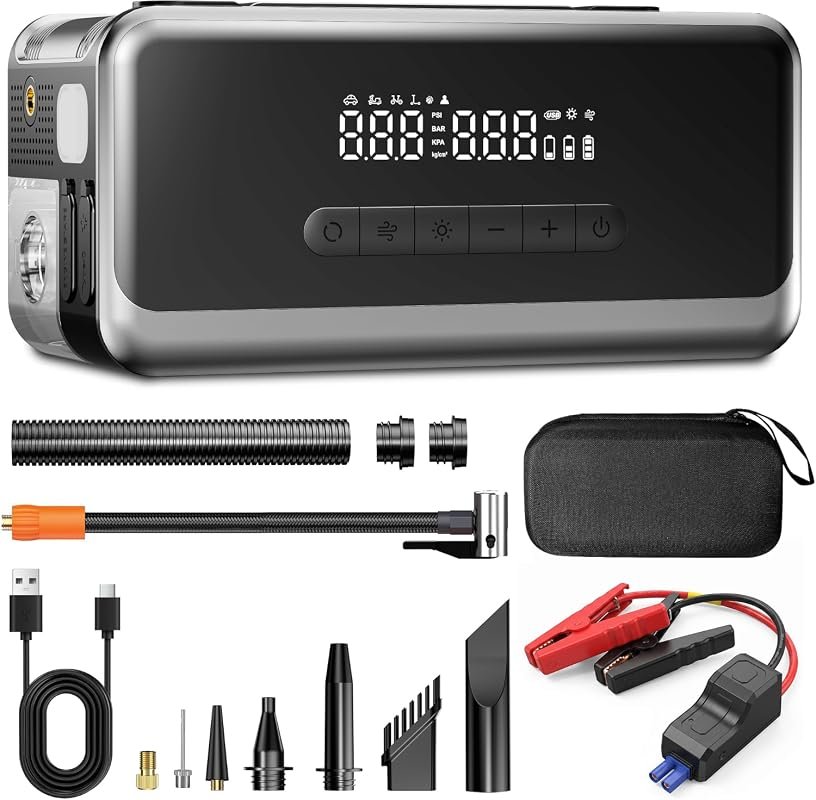 Best Overall
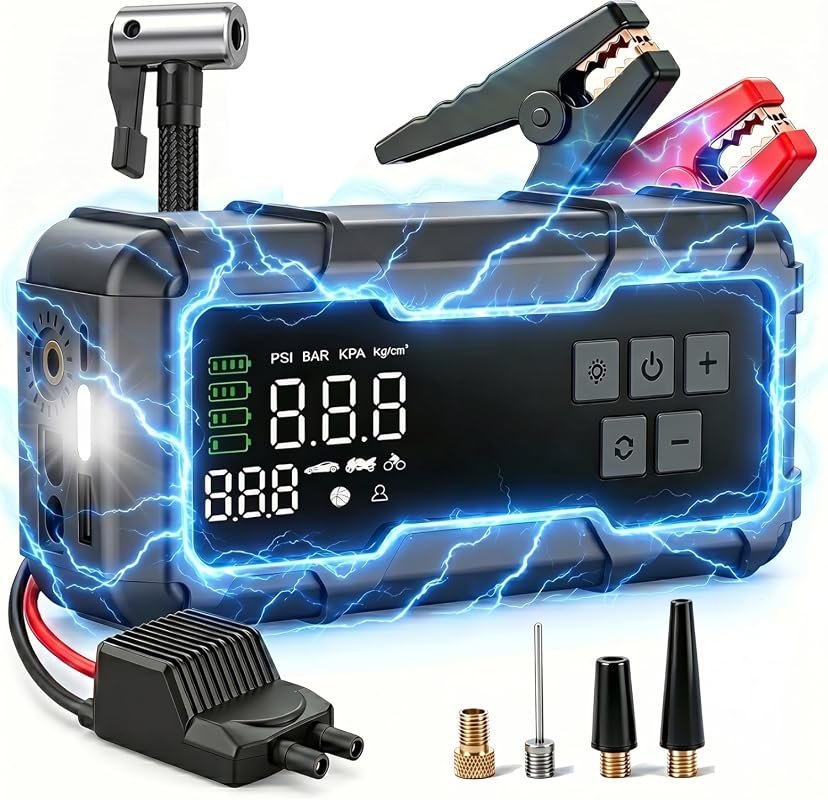
4000A 12V portable jump starter with air compressor tire inflator, LED light, supports 9.0L gas/8.0L diesel
It offers the strongest all-around mix of fit, value, and practical daily use for Volvo owners.
 Best Value
8000A 12V jump starter with 150 PSI air compressor, digital gauge, LED light, built-in power bank
It makes sense for owners who want a useful upgrade without paying more than necessary.
 Best Premium Option
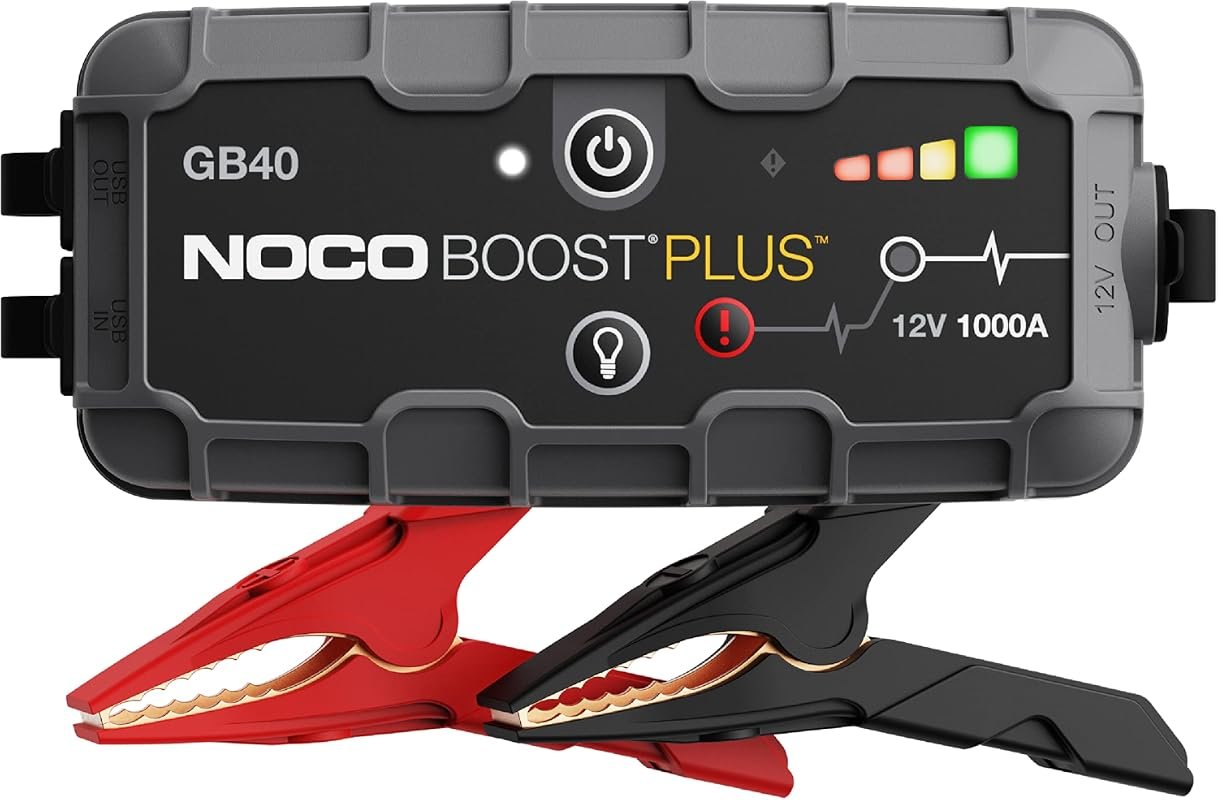
NOCO Boost GB40 1000A 12V UltraSafe portable lithium jump starter, spark-proof, reverse polarity, for 6.0L gas/3.0L diesel
It is the pick I would compare first if build quality, features, and long-term ownership value matter most.
Author

Author

Evans Torres
I’m Evans Torres, an automotive engineer who loves Volvo cars. I graduated in Automotive Engineering from USC. I have worked in the car industry for years and now share my knowledge on The Volvo Life. I started this blog to connect with other Volvo fans. I offer tips, news, and advice to help you care for your car. My goal is to help you keep your Volvo in great shape and find all the best things about it. Join me as we discover everything Volvo has to offer!