


difference between polestar and volvo comes down to brand role and lineup: Polestar is an EV-only performance brand with sportier tuning and fewer models, while Volvo spans gasoline, hybrid and EVs with a broader, family-focused range and lower entry prices in the U.S.
Polestar and Volvo are related but not the same. Polestar is an independent, EV-only brand co-founded by Volvo Cars and Geely, using many of the same platforms, safety know‑how and dealerships. Volvo remains the larger luxury brand, offering gasoline, hybrid and electric models across more sizes and price points.
This guide clarifies brand roles, shared tech, EV platforms and what you can expect to pay in the U.S. market. We’ll map where the lineups overlap, where they don’t, and how safety, charging and warranties compare. If you’ve ever wondered whether a Polestar 2 is “just” a Volvo in different clothes—or how a Polestar 3 stacks against an EX90—you’ll find the practical differences below.
- Main difference: Polestar is EV-only and performance-leaning; Volvo offers a broader luxury lineup (ICE, hybrid, EV) with stronger family practicality and more models.
- Best for A: Polestar suits drivers prioritizing minimalist design, taut handling and a curated EV lineup.
- Best for B: Volvo fits buyers wanting more body styles, three-row options, and a larger U.S. dealer/service footprint.
- Cost/value: Volvo’s entry EVs typically start lower than Polestar’s; high-end Polestar pricing overlaps Volvo’s flagships.
- Important caveat: U.S. federal EV tax-credit eligibility varies by model and assembly; some Volvos may qualify when Polestars do not—verify by year and VIN.
Are Polestar and Volvo direct competitors?
They overlap in EVs but serve different roles. Polestar is an EV-only, performance-leaning luxury brand with a smaller lineup. Volvo is a broader luxury brand covering gasoline, hybrid and EV models from compact to three-row SUVs.
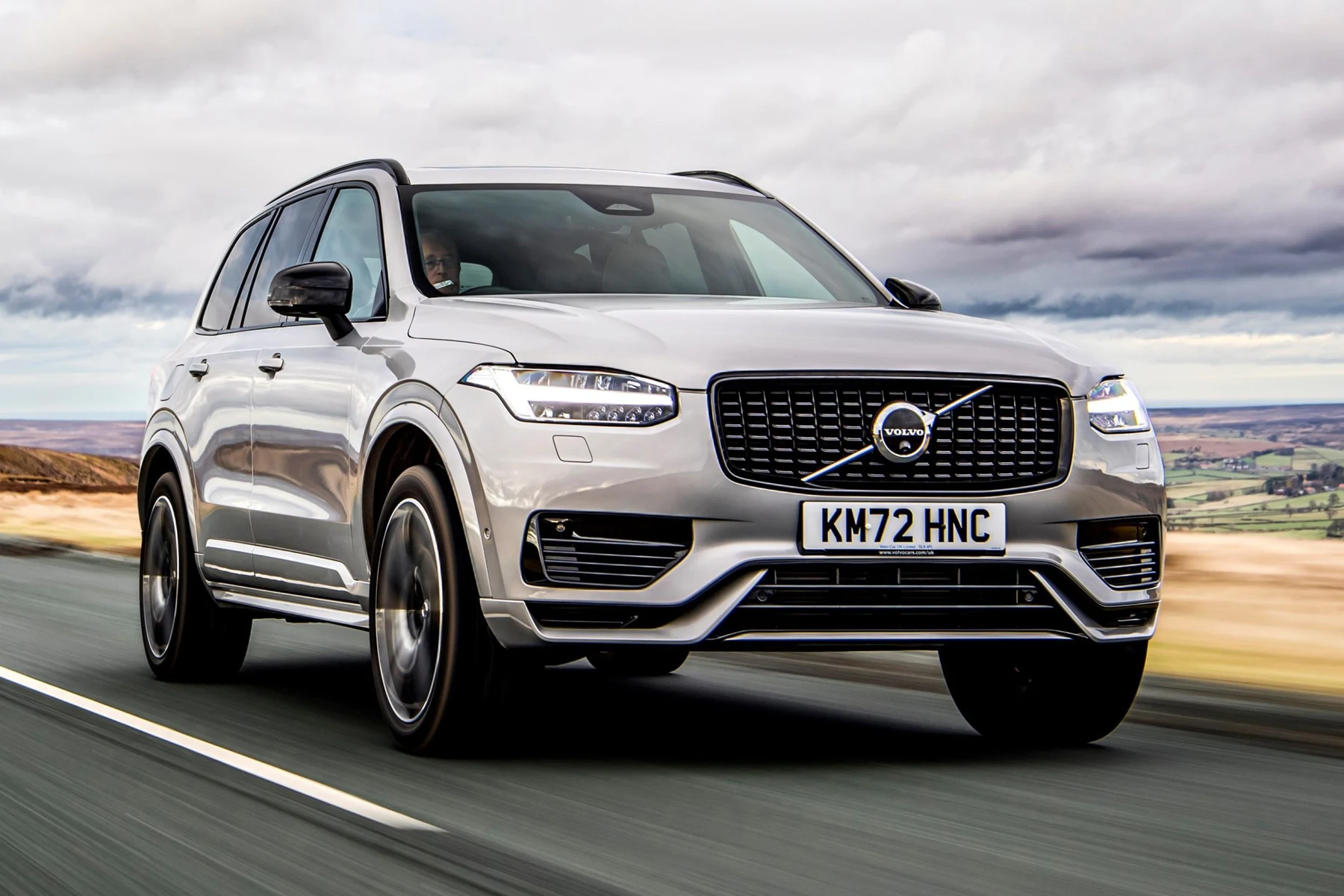
Shoppers frequently cross-shop because the companies share platforms and safety DNA, and some Polestar service is handled by Volvo retailers. Still, the product maps diverge: Volvo offers three-row and family-utility priorities, while Polestar focuses on sleek two-row EVs.
Polestar vs Volvo at a glance
Use this snapshot to see how each brand positions itself in the U.S., where the tech overlaps, and how pricing typically lands. Always verify the specific model year and trim.
| Item | Polestar | Volvo |
|---|---|---|
| Brand focus | EV-only, performance-leaning luxury | Luxury brand spanning ICE, hybrid and EV |
| Ownership/relationship | Independent public company; close industrial ties with Volvo/Geely | Volvo Cars (separate company); significant historical ties to Polestar |
| Core EV platforms | CMA (Polestar 2), SPA2 (Polestar 3), SEA (Polestar 4) | CMA/SPA (EX40/EC40), SPA2 (EX90), SEA (EX30) |
| U.S. lineup examples | Polestar 2 (fastback), Polestar 3 (2-row SUV), Polestar 4 (coupe‑SUV) | EX30 (subcompact EV SUV), EX40/EC40 (compact EVs), EX90 (3-row EV), plus XC60/XC90 hybrids |
| Typical entry MSRP | Polestar 2 generally around upper-$40Ks to low-$50Ks (before fees) | EX30 typically mid-$30Ks to low-$40Ks; EX40/EC40 usually low-$50Ks (before fees) |
| Flagship pricing band | Polestar 3/4 typically ~$60K–$90K depending on spec | EX90 generally ~$75K–$90K depending on spec |
| Infotainment | Android Automotive OS with Google built‑in; OTA updates | Android Automotive OS with Google built‑in; OTA updates |
| Driver assistance | Pilot Assist and advanced ADAS; high sensor counts on newer models | Pilot Assist and advanced ADAS; available lidar on EX90 |
| Warranty (U.S.) | Typically 4 yr/50,000 mi limited; 8 yr/100,000 mi HV battery | Typically 4 yr/50,000 mi limited; 8 yr/100,000 mi HV battery |
| Charging connector | CCS with announced NACS adoption (Supercharger access phasing in) | CCS with announced NACS adoption (Supercharger access phasing in) |
| Tax credit (IRC 30D) | Varies; assembly and battery sourcing dependent; verify by VIN/year | Varies; some U.S.-assembled models may qualify; verify by VIN/year |
| Sales/service footprint | Smaller showroom network; service often via selected Volvo retailers | Larger U.S. dealer network and parts logistics |
Main differences between Polestar and Volvo
The biggest split is scope and tuning. Polestar is narrower and sportier, offering exclusively EVs with minimalist design and firmer dynamics. Volvo spans more sizes and powertrains, prioritizing family practicality and a calmer ride.
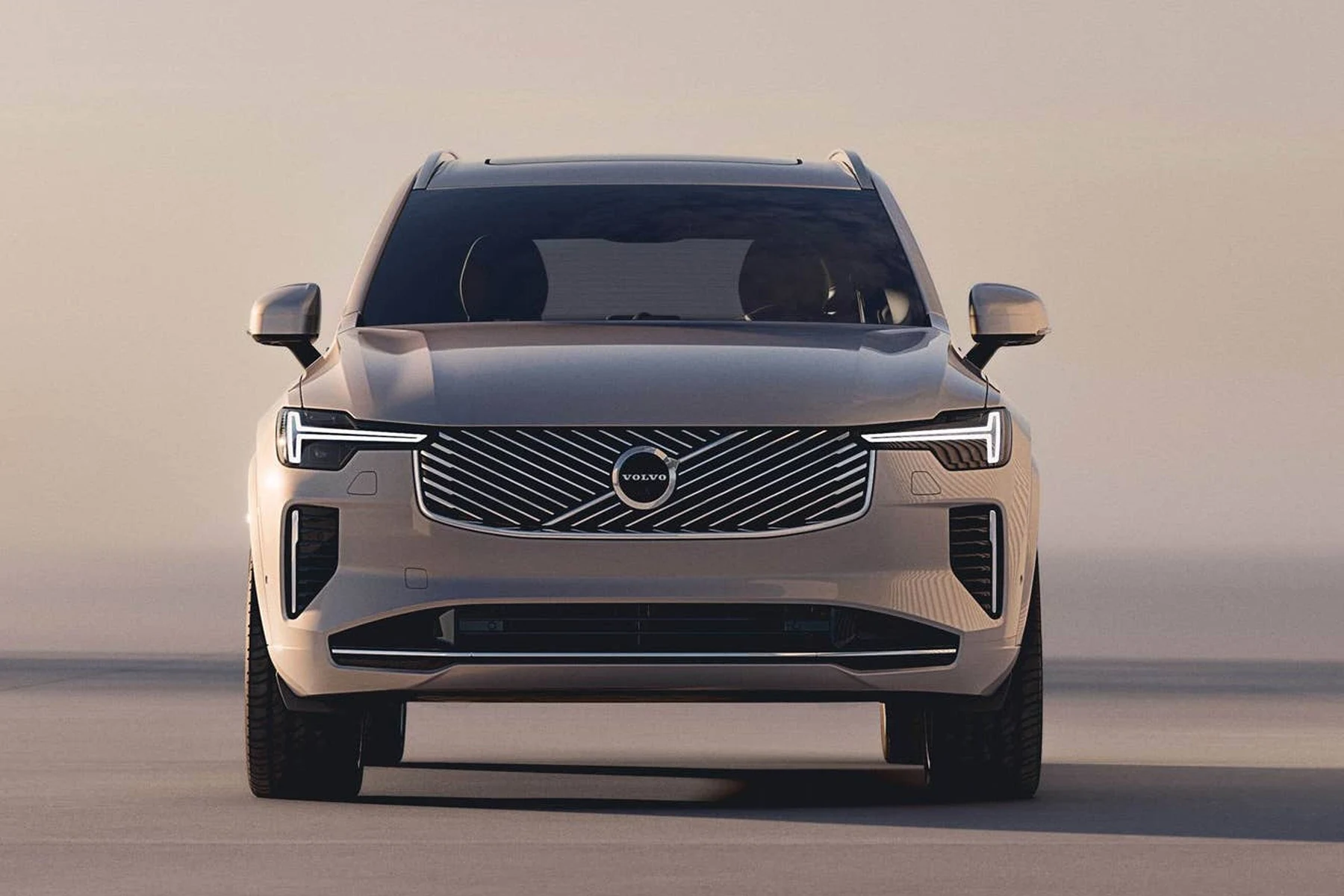
Pricing also diverges at the bottom. Volvo’s EX30 undercuts the Polestar 2, while high-spec Polestar 3/4 pricing overlaps Volvo’s EX90. Tax-credit outcomes can differ, depending on where the vehicle is assembled and battery content.
Shared DNA: key similarities
Both brands share platforms, safety philosophies and Android Automotive OS. Driver-assistance feature names and capabilities are similar, and over-the-air updates are standard on late-model EVs across both lineups.
Polestar 4 deletes the rear window entirely and relies on a high-definition camera mirror for rearward vision—dramatically improving aerodynamics but changing daily visibility compared with most Volvos.
Polestar vs Volvo price, comparable trims and feature-adjusted value
Volvo typically offers a lower-cost entry into EV ownership in the U.S., led by the EX30. Polestar’s gateway is the Polestar 2, commonly priced higher than an EX30 but in line with Volvo’s EX40/EC40.
At the top end, a well-optioned Polestar 3 or 4 can overlap EX90 pricing. Equipment bundles differ, so match wheels, audio, Driver Assistance packages and heat features before judging value.
Compare MSRPs by exact model year and drivetrain, then add destination, dealer fees and EV charger install costs at home. Use official build tools and capture screenshots to price apples-to-apples.
Polestar vs Volvo size, seating, cargo and daily practicality
Volvo covers more use cases. It offers three-row SUVs (EX90, XC90 hybrids) and family-friendly packaging across sizes. Most Polestars are two-row, favoring sleeker rooflines over maximum cargo height.
If you routinely carry five plus cargo or need child-seat flexibility, Volvo’s wider set of body styles offers more practical solutions. Polestar’s designs favor front-row space and a sportier driving position.
Polestar vs Volvo interior comfort, visibility and cabin usability
Volvo emphasizes airy cabins, excellent seats and intuitive storage. Visibility is typically strong, with larger glass areas and family-oriented ergonomics.
Polestar is minimalist and driver-centric, with firmer seats and a lower cowl. Polestar 4’s camera-based rear view is clear in most conditions but feels different than a traditional mirror—test it at night and in rain.
Compare rear visibility (especially Polestar 4), one‑pedal regen tuning, seat comfort on long drives, child-seat fit, and highway assist lane-centering on a familiar route.
Polestar vs Volvo infotainment, controls and technology
Both brands run Android Automotive OS with Google built-in, supporting native Maps, Assistant and Play Store apps. Over-the-air updates regularly enhance features and efficiency.
Polestar’s UI is cleaner and more pared back; Volvo often layers in more physical controls and broader driver profiles. Wireless phone charging, CarKey and premium audio options are available on both, depending on trim.
Polestar vs Volvo safety and driver assistance
Safety philosophies align, but testing coverage varies. Many Volvos routinely earn strong IIHS/NHTSA results. The Polestar 2 has achieved high marks with IIHS in recent model years; check the exact year and equipment.
Volvo EX90 adds available lidar-based perception to extend sensing capability. Both brands offer lane centering (Pilot Assist), adaptive cruise and robust collision avoidance suites.
Compare the same model years and options. IIHS headlights and front-crash-prevention ratings can change with trims; NHTSA star scores may not be available for every EV.
Polestar vs Volvo performance, ride, handling and drivetrain
Polestar tuning skews firmer and more responsive, particularly in dual-motor variants and Performance packs. Steering is typically quicker, with stronger regenerative braking feel.
Volvo favors a calmer ride and low-speed comfort, especially on family SUVs. Shared motors and platforms mean acceleration can be similar on paper, but chassis tuning creates distinct personalities.
Polestar vs Volvo efficiency, EPA range and charging
Ranges depend heavily on wheel size and drivetrain. Recent Polestar 2 Long Range Single Motor models have achieved EPA estimates around 300+ miles, while dual-motor variants trend lower. Polestar 3/4 target roughly “~300-mile” bands depending on configuration.
Volvo’s EX30 typically sits in the mid‑200s EPA miles depending on spec; EX40/EC40 are generally in the 220–260-mile range bands, and EX90 targets around 300 miles depending on wheels and motors. Always verify the specific VIN on fueleconomy.gov.
Both brands have announced NACS/Tesla Supercharger adoption in North America. Adapters and native port changes phase in by model-year; check your exact car’s timeline before planning road trips.
For broader EV range context against a key benchmark, see our look at Volvo electric-car range vs. Tesla.
Polestar vs Volvo reliability, known issues and evidence level
Long-term EV reliability data is still maturing. Early Polestar 2s saw software and 12V-related hiccups that OTA updates and service campaigns addressed over time. Volvo’s transition to Google built‑in also brought some early infotainment bugs that improved with updates.
With limited multi-year datasets, weigh warranty coverage, dealer proximity and parts availability. Both brands provide similar basic and battery warranties in the U.S.
Polestar vs Volvo maintenance, insurance and total ownership cost
EV maintenance is generally lower than ICE—no oil changes and fewer wear items. Insurance for new EVs can run higher than comparable gasoline models; panel repair complexity and parts availability matter.
Volvo’s larger U.S. network can reduce downtime for routine service and collision work. Polestar often services via select Volvo retailers; confirm coverage near you.
Quote insurance for your exact VIN and ZIP, price home charging install, check tire sizes (EV performance tires can be costly), and review lease residuals for each model.
For a deeper sense of service costs versus the market, see our analysis of Volvo maintenance costs vs other cars.
Polestar vs Volvo resale and everyday livability
Resale depends on incentives, supply and software support. High-demand trims and U.S.-assembled models can hold value better. OTA roadmaps help both brands keep features fresh, aiding residuals.
Day to day, Volvo’s broader cabin storage, visibility and third-row options favor families. Polestar’s sleeker packaging and firmer seats reward drivers who prioritize design and feel.
Polestar Pros and Cons
- EV-only lineup with sporty tuning and clean, minimalist UX
- Shared Volvo/Geely platforms and safety know‑how
- Strong Google built‑in experience and OTA cadence
- Distinctive design; Polestar 4’s aerodynamic innovations
- Smaller U.S. showroom/service footprint
- Fewer body styles; no three-row option
- Entry pricing typically above Volvo EX30
- U.S. tax-credit eligibility varies; confirm by VIN/year
Volvo Pros and Cons
- Broader lineup: ICE, hybrid, EV and three-row choices
- Excellent seats, visibility and family practicality
- Large U.S. dealer/service network
- Strong safety record; available lidar on EX90
- Some EVs have shorter ranges than sporty rivals
- Ride tuning emphasizes comfort over sharpness
- Complex option packaging can raise price quickly
- Tax-credit status varies by assembly and content
Which vehicle is better for different buyers?
Match your daily reality to each brand’s strengths. The right answer hinges on seating needs, budget, charging access and how much you value sharp handling versus soft‑ride comfort.
Alternatives worth considering
Tesla (Model 3/Y/X) brings broad Supercharger access and strong efficiency. BMW’s i4 and iX mix premium dynamics with established service networks.
Audi’s Q4 and Q8 e‑tron emphasize cabin quality, while Mercedes EQE/EQS SUVs focus on luxury tech. Lucid Air targets long-range efficiency for sedan buyers.
How to Decide Between Polestar and Volvo
- Define seating and cargo needs. If you might need three rows, Volvo leads.
- Set a firm budget including charger install and insurance quotes for exact VINs.
- Map your charging. If you road-trip often, confirm your car’s NACS/Supercharger timeline and adapter situation.
- Test the details: rear visibility (Polestar 4), seat comfort, ride vs. handling and one‑pedal feel.
- Verify incentives. Check federal/state credits and eligibility by final assembly and battery sourcing.
One common confusion is corporate structure—Volvo Cars and Polestar are related but distinct, and both differ from Volvo Group (trucks/machinery). If that’s tripping up your research, our breakdown of the difference between Volvo Group and Volvo Cars can help.
💡 Evans Torres Tip: Before you fall in love with a build, run the VIN through fueleconomy.gov’s tax-credit checker and confirm final assembly. Then price the entire ownership stack: insurance, charger install, winter tires and wheel sizes. A “cheaper” MSRP can lose to a better-supported build over 3–5 years.
Frequently Asked Questions
This section addresses quick questions shoppers ask when weighing Polestar against Volvo, from ownership ties and tax credits to safety, service and warranty. Answers reflect U.S. market norms for 2024–2026. Always verify the specific model year, trim and assembly details, since these can meaningfully change pricing, incentives and equipment.
Is Polestar owned by Volvo?
Polestar is an independent public company co-founded by Volvo Cars and Geely. Volvo remains a significant shareholder and technology partner, but Polestar operates as a separate automaker with its own lineup, brand and financial reporting.
Are Polestar cars just rebadged Volvos?
No. While Polestar and Volvo share platforms, components and software, each brand designs, tunes and packages its vehicles differently. The Polestar 2, for example, shares a platform family with Volvo compacts but has distinct dynamics and styling.
Which brand is safer: Polestar or Volvo?
Both emphasize safety and often test well. Several Volvo models consistently earn strong IIHS/NHTSA results. The Polestar 2 has also received high IIHS ratings in recent years. Compare the same model year and options, as ratings can vary by trim and headlights.
Do Polestar and Volvo offer the same warranty?
In the U.S., both typically provide a 4-year/50,000-mile limited warranty and an 8-year/100,000-mile high-voltage battery warranty. Confirm coverage items like roadside assistance and corrosion for the exact model year.
Will my Polestar or Volvo work with Tesla Superchargers?
Both brands have announced NACS/Supercharger access in North America. Timelines differ by model year; some vehicles need an adapter before native NACS ports arrive. Check your VIN’s official guidance and app-based access details.
Which is cheaper to insure: Polestar or Volvo?
It depends on the model, driver profile and ZIP code. New EVs can be pricier to insure due to repair complexity. Get quotes for both vehicles using specific VINs before you decide—differences can be meaningful over a 3–5‑year term.
Do either Polestar or Volvo qualify for the federal EV tax credit?
Possibly, but it varies. Final assembly location and battery sourcing determine eligibility. Many imports won’t qualify, while some U.S.-assembled Volvos may. Verify on fueleconomy.gov for the exact model year and VIN before finalizing the deal.
How do service and dealer networks compare?
Volvo has a larger U.S. dealer network and parts pipeline. Polestar operates a smaller showroom footprint and often services via selected Volvo retailers. Confirm local service availability and loaner policies before purchase.
Final Verdict
If you want a sleek, driver-focused EV with minimalist design, Polestar delivers a curated lineup and sporty tuning—ideal for singles, couples or empty nesters who won’t miss a third row. Just confirm service coverage nearby and your Supercharger access timeline.
If you need broader body styles, three-row flexibility or a lower entry price into a premium EV, Volvo’s lineup is the safer bet. Strong safety credentials, a larger dealer network and family-friendly cabins make the day-to-day easier.
Let your decision hinge on practicality first—seating, cargo and local service—then weigh incentives and total cost. When those are equal, choose by drive feel: Polestar for taut dynamics and design minimalism; Volvo for comfort, visibility and everyday ease.
My Top Picks at a Glance
These three Volvo accessories are practical options to compare after choosing the right Volvo configuration.
 Best Overall
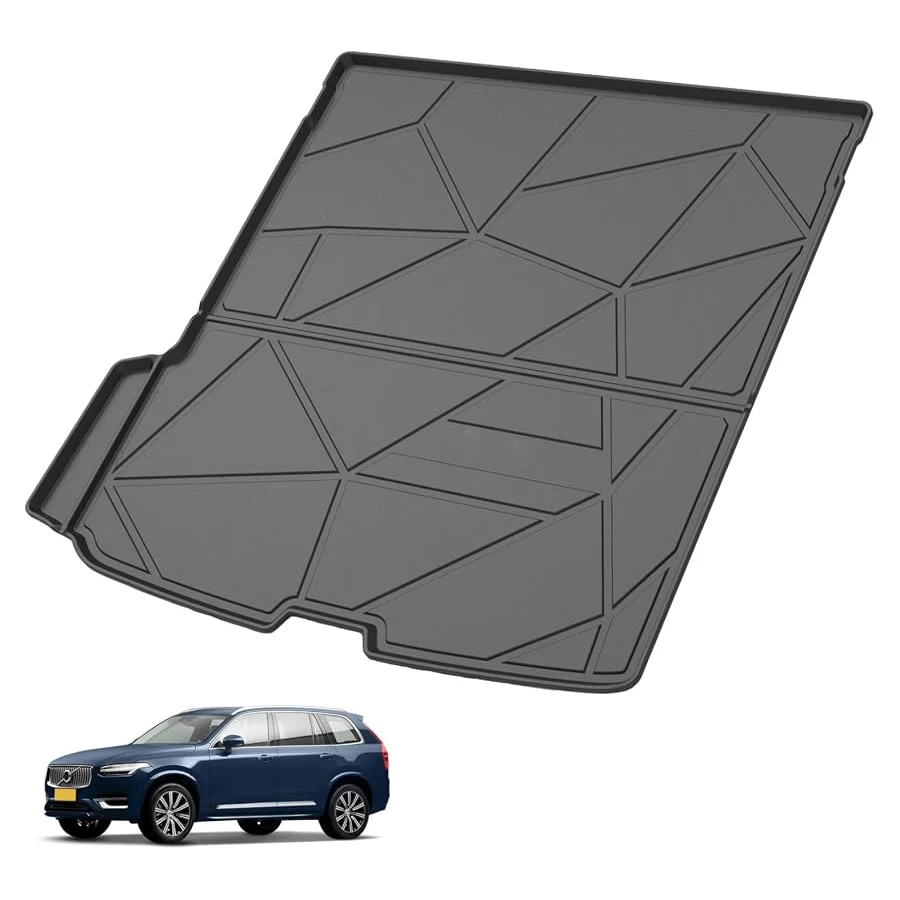
Elsetyler Volvo XC90 cargo liner 2016-2026, custom-fit TPE, all-weather waterproof, non-slip rear trunk mat.
A vehicle-fit accessory to compare for compatibility, daily usefulness, and value.
 Best Value
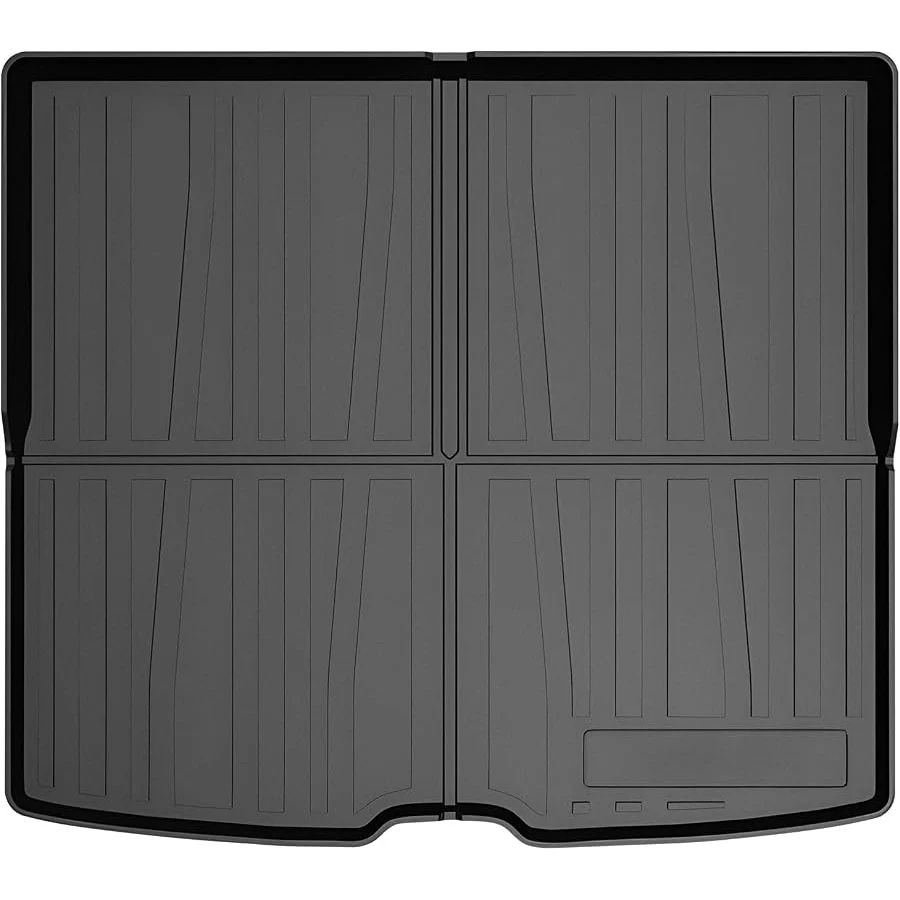
Mixsuper cargo liner for Volvo XC40 and C40 Recharge, custom-fit TPE, all-weather, anti-slip, easy clean.
A vehicle-fit accessory to compare for compatibility, daily usefulness, and value.
 Best Premium Option
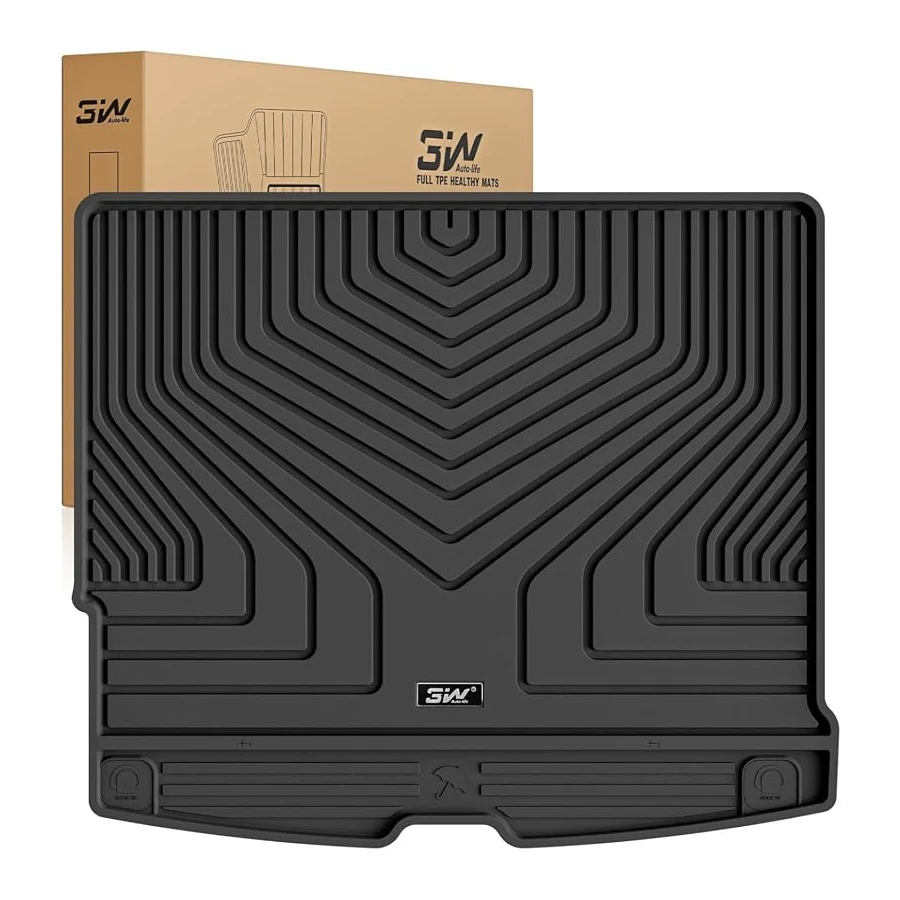
3W cargo liner for Volvo XC60 2018-2026, custom-fit TPE, max coverage, all-weather, non-slip, easy clean.
A vehicle-fit accessory to compare for compatibility, daily usefulness, and value.
Sources and Methodology
Coverage reflects the U.S. market for 2024–2026 model years. We aligned trims by body style and intent, noted platform commonalities (CMA/SPA/SPA2/SEA), and prioritized official specifications, EPA efficiency data, and IIHS/NHTSA safety results. Pricing is indicative MSRP before destination and options; incentives and tax-credit status vary by VIN and year. Verification date: August 2026.
Author

Author

Evans Torres
I’m Evans Torres, an automotive engineer who loves Volvo cars. I graduated in Automotive Engineering from USC. I have worked in the car industry for years and now share my knowledge on The Volvo Life. I started this blog to connect with other Volvo fans. I offer tips, news, and advice to help you care for your car. My goal is to help you keep your Volvo in great shape and find all the best things about it. Join me as we discover everything Volvo has to offer!