


The difference between mild hybrid and plug in hybrid Volvo is that mild hybrids recapture energy to assist the engine but never drive on electricity alone, while plug‑in hybrids offer real EV miles if you charge. Choose mild hybrid for simplicity; choose plug in hybrid Volvo for daily charging and fuel savings.
Volvo sells two electrified powertrains that look similar on paper but live very differently in the real world. Mild hybrids (B4/B5/B6) use a 48‑volt system to boost efficiency without changing how you fuel or drive. Plug in hybrid Volvo models (Recharge T8) add a much larger battery and motor to deliver meaningful electric range.
This guide explains charging, range, costs, performance, incentives, and ownership trade‑offs for US buyers. It focuses on 2022–2026 model‑year Volvos where both systems are most comparable and the plug‑in range improved significantly.
By the end, you will know which system suits your commute, home setup, budget, and long‑trip habits—and precisely what to verify on a test drive before you sign.
- Main difference: Mild Hybrid Volvo assists the engine with a small 48V battery and never plugs in; Plug in Hybrid Volvo adds 25–41 miles EPA‑rated EV range (model/year dependent) when charged.
- Best for A: Mild Hybrid Volvo suits drivers without home/work charging who want lower purchase price and familiar fueling.
- Best for B: Plug in Hybrid Volvo works best for daily chargers whose round‑trip commute fits in its EV range.
- Cost/value: Expect roughly $8k–$12k higher MSRP for plug‑in trims, often offset by cheaper energy per mile and potential lease incentives.
- Important caveat: Real EV range varies with speed, climate and hills; verify your route with a fully charged demo car.
Key differences at a glance: Mild Hybrid Volvo vs Plug in Hybrid Volvo
Here are the headline distinctions in charging, range, performance and costs. Values are typical US figures and vary by model (XC60, XC90, S60, V60) and year.
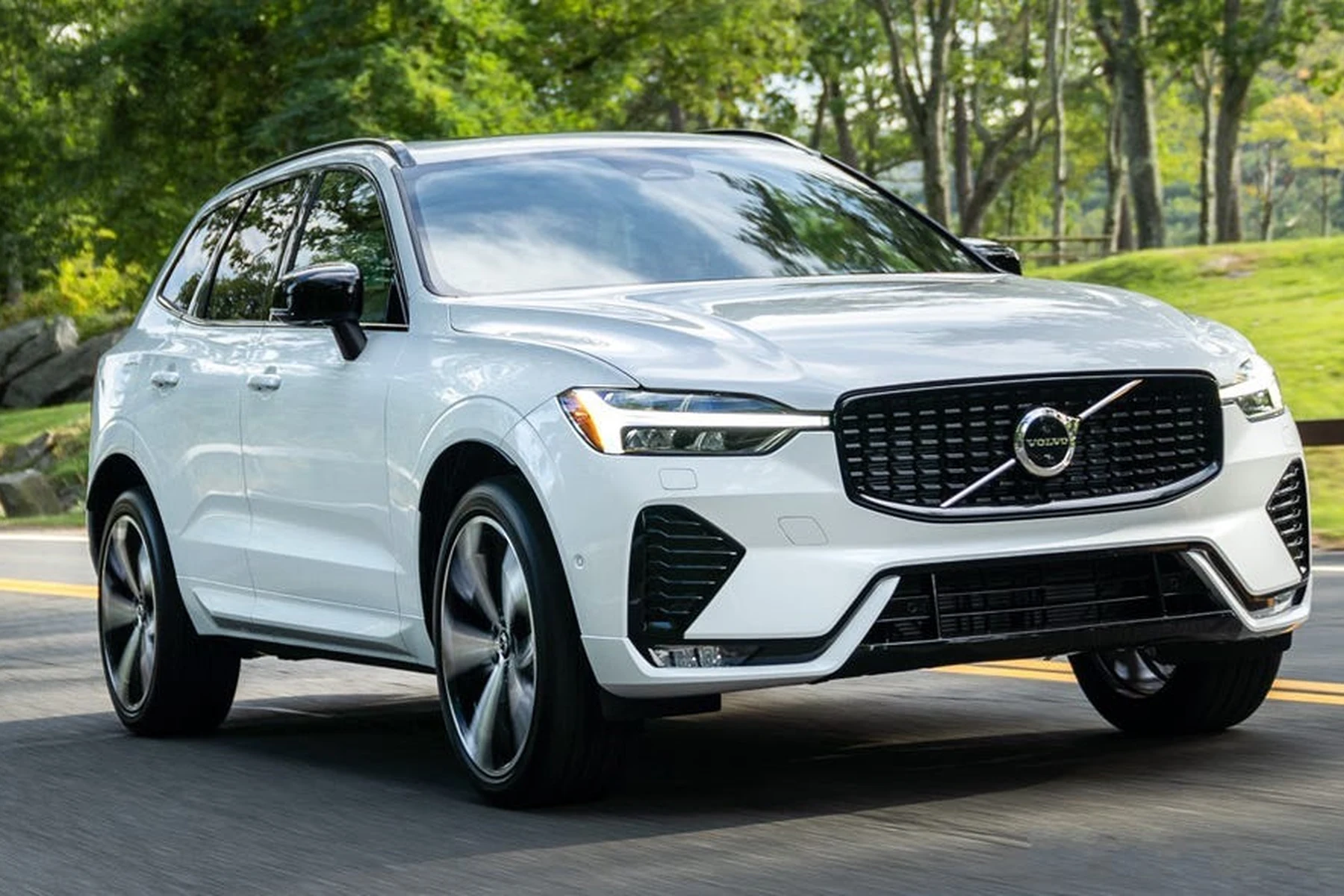
| Specification | Mild Hybrid Volvo | Plug in Hybrid Volvo |
|---|---|---|
| Energy/hardware | 48V battery + integrated starter‑generator; assists engine only | High‑voltage battery + electric motor; can drive wheels electrically |
| Charging required | No | Yes for EV driving; Level 1 or Level 2 AC |
| EPA electric range | 0 miles | ~25–41 miles (model/year dependent; e.g., XC60/XC90 Recharge) |
| Gas mpg (after PHEV depletion) | ~22–26 mpg combined (model dependent) | ~26–30 mpg combined in hybrid mode |
| MPGe (electric driving) | N/A | ~55–74 MPGe (model/year dependent) |
| System power | ~247–295 hp (B5/B6) | ~455–463 hp (T8 Recharge, year dependent) |
| 0–60 mph (typical) | ~6.4–6.9 sec (XC60/XC90) | ~4.5–5.4 sec (XC60/XC90 Recharge) |
| Towing (braked) | Up to ~3,500–5,000 lb (model dependent) | Similar published limits; confirm per model/year |
| Battery warranty (US) | 8 yr/100,000 mi (48V components covered by Volvo warranty) | 8 yr/100,000 mi high‑voltage battery warranty |
| Purchase price | Lower entry price | Typically +$8k–$12k vs comparable mild hybrid trim |
| Incentives | Usually none | Federal purchase credits limited; lease incentives often available |
| Best use case | No charger access; frequent road trips | Home/work charging; commute within EV range |
| Long‑trip behavior | Behaves like a gas car; small assist | Runs as hybrid after EV range; frequent regen in traffic |
| Cargo/space | Full cargo area | Minimal change; slight underfloor packaging varies by model |
Mild Hybrid Volvo Pros and Cons
- No charging needed; gas‑car convenience
- Lower upfront price and simpler hardware
- Good real‑world mpg boost in traffic vs non‑hybrid
- Full cargo space and straightforward long‑trip use
- No electric‑only driving
- Smaller performance gain vs plug‑in
- Less potential fuel‑cost savings
Plug in Hybrid Volvo Pros and Cons
- 25–41 miles of EV range for daily errands
- Lower energy cost per mile when charged
- Significant performance jump (T8 power)
- Potential lease incentives and HOV benefits (state‑specific)
- Higher MSRP and added complexity
- Requires regular charging to realize benefits
- Real EV range drops in cold or high‑speed driving
What each system means on a Volvo
Mild Hybrid Volvo uses a belt‑ or crank‑integrated starter‑generator and a small 48‑volt battery to assist launches, smooth stop/start, and harvest braking energy. You fuel with gasoline only and drive normally.
Plug in Hybrid Volvo (Recharge T8) adds a large high‑voltage battery and a powerful electric motor. When charged, the car can cover a commute on electricity and still behaves like a hybrid on long trips.
A 48‑volt Mild Hybrid Volvo cannot propel the car on its own. The system assists the engine and restarts it seamlessly, but EV‑only driving requires a Plug in Hybrid Volvo.
In the US, Volvo mild hybrids carry B4/B5/B6 badges (e.g., XC60 B5, XC90 B6). Plug‑ins are labeled “Recharge T8.” Always match trim, drivetrain (AWD), and options when pricing.
If you want detail within the mild‑hybrid family, see our breakdown of the difference between B5 and B6 in the XC90.
What is the same between Mild Hybrid Volvo and Plug in Hybrid Volvo
Across comparable trims, you get the same body, interior packaging, infotainment, advanced driver assistance, and Volvo’s safety ethos. Daily ergonomics and cargo room are near‑identical in most models.
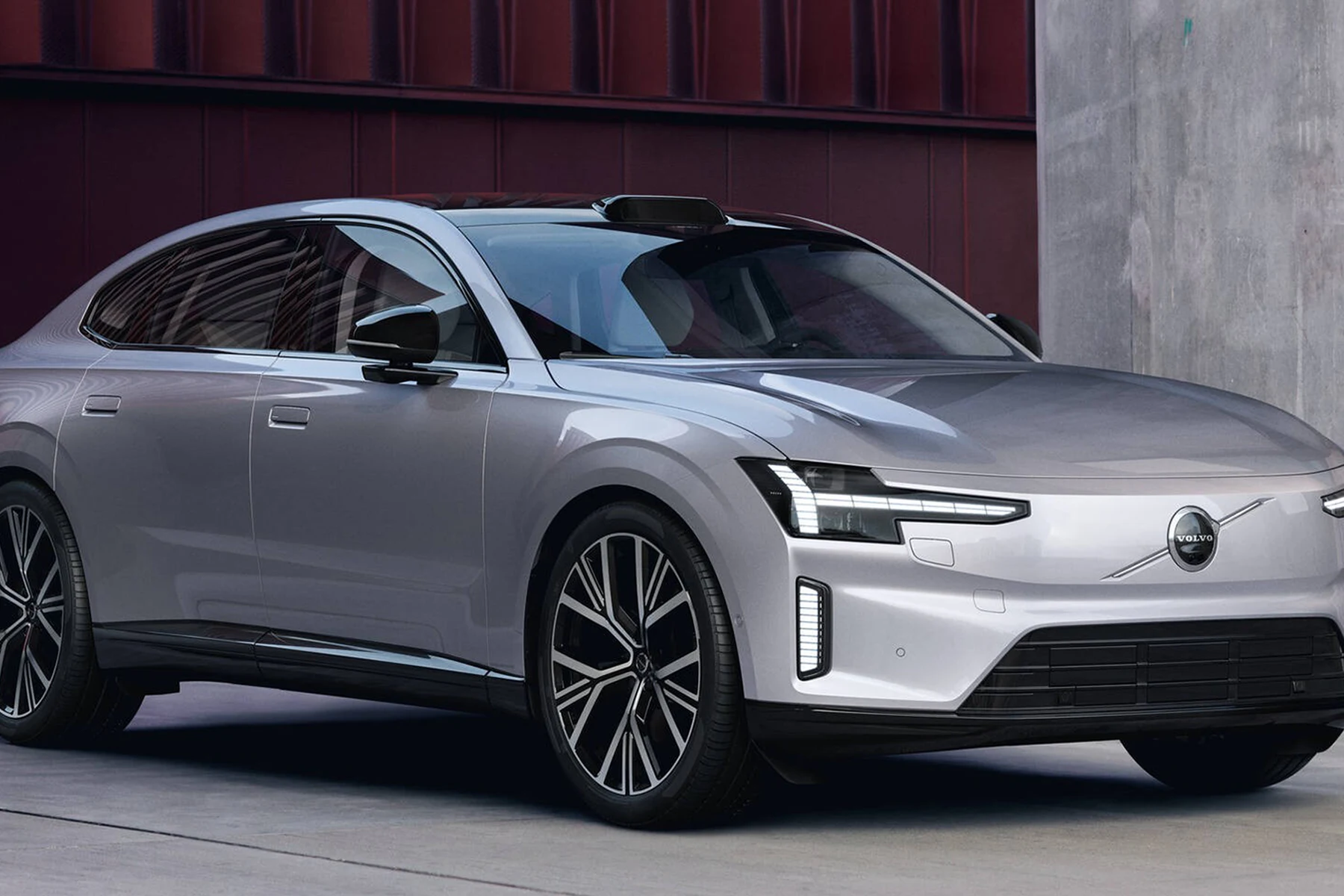
Both systems include regenerative braking, an automatic transmission, and standard or available AWD depending on model. Warranty coverage is similar, with 8‑year/100,000‑mile high‑voltage battery coverage on plug‑ins and strong coverage on 48V components.
When comparing crash‑test results, align model year and trim since equipment like headlights and driver‑assist packages can affect IIHS ratings. Compare like‑for‑like to avoid false conclusions.
Detailed differences that materially affect ownership
Charging and home setup
Mild Hybrid Volvo requires no charging—just fuel and go. A Plug in Hybrid Volvo needs regular charging to unlock EV miles and the best ownership economics.
Level 1 (120V) adds roughly 2–4 miles of range per hour. Level 2 (240V) typically replenishes a Volvo PHEV in about 2–5 hours depending on model year and onboard charger. DC fast charging isn’t supported; plan to charge at home or work.
If you can park near a 240V outlet or install a wallbox, a Plug in Hybrid Volvo makes more sense. Renters can often use a 120V outlet overnight—verify amperage and outlet condition first.
Electric range and commute fit
Most 2022–2026 Volvo plug‑ins deliver roughly 25–41 EPA miles on a full charge, enough for many US commutes. In stop‑and‑go traffic, regenerative braking helps extend that figure.
High speeds, steep grades, and winter temperatures can reduce EV range materially. If your daily loop fits within rated range with a buffer, you’ll spend most town miles on electricity.
Fuel economy and energy cost
After its EV portion, a Plug in Hybrid Volvo returns roughly 26–30 mpg combined in hybrid mode. A Mild Hybrid Volvo typically delivers around 22–26 mpg combined depending on model and drivetrain.
Electricity is often cheaper per mile. For example, ~0.40–0.45 kWh/mi at $0.14–$0.20/kWh equals about 6–9¢/mi, versus gasoline at $3.75/gal and 27 mpg at ~14¢/mi. Your local utility rate and gas price determine payback.
Factor insurance, tires and depreciation. Plug‑ins add complexity but can retain value in regions with strong EV demand. See broader context in our look at Volvo maintenance cost vs other cars.
Performance and traction
Plug in Hybrid Volvo T8 powertrains deliver a notable performance jump with instant electric torque. Many models use the electric motor to drive a rear axle, enhancing traction and off‑line response.
Mild hybrids improve smoothness and low‑rpm torque versus older non‑hybrids, but they are tuned primarily for efficiency and refinement, not outright acceleration.
Long‑trip behavior
On a highway road trip, the Mild Hybrid Volvo behaves like a refined gasoline SUV or sedan with stop/start smoothness. There’s no charging to plan.
A Plug in Hybrid Volvo cruises as a hybrid after its EV range. You’ll still benefit from regen on descents and in traffic, but pure freeway stints mostly use gasoline power once the battery is depleted.
- Arrive with a fully charged PHEV; repeat the loop depleted.
- Compare engine restarts, brake feel and 0–40 mph response.
- Drive your steepest grade and highest‑speed segment.
- Note cargo floor and underfloor storage differences.
Climate and terrain effects
Cold weather reduces PHEV EV range due to cabin heating and battery chemistry. Pre‑conditioning while plugged in helps.
Hilly routes favor plug‑ins thanks to stronger regen capacity. Mild hybrids also recapture energy but in smaller amounts.
Depreciation and resale
Plug‑in hybrids may command stronger resale where HOV access or charging is common. In regions without charging infrastructure, mild hybrids can be easier to sell.
Model‑year matters: 2022+ Volvo plug‑ins have larger batteries and more EV range than pre‑2022 cars, which influences used values and day‑to‑day EV usability.
Pre‑2022 Volvo plug‑ins had shorter EV range. If shopping used, confirm battery size, EPA range label, and onboard charger specs to avoid surprises.
Price gap and value of the upgrade
In the US, moving from a comparable Mild Hybrid Volvo to a Plug in Hybrid Volvo typically adds about $8,000–$12,000 MSRP. Exact gaps vary by model, trim and options.
Whether that pays back depends on how often you charge and your commute. A 30‑mile EV round‑trip on $0.16/kWh power can halve energy cost per mile versus $3.75/gal gas, speeding payback alongside potential lease incentives.
Federal purchase credits generally exclude many Volvo PHEVs due to final assembly outside North America, but leases may pass through incentives. State/utility rebates vary; verify with your dealer and local programs.
For broader pricing context across trims and segments, see our overview of the cost of a Volvo in the United States.
Reliability, maintenance and used‑buyer implications
Mild hybrids add a 48V battery and motor but remain simpler than plug‑ins. Plug‑ins add a high‑voltage battery, motor/inverter, charge port and more cooling hardware—there’s more to diagnose if issues arise.
Both follow Volvo’s maintenance cadence; plug‑ins may see longer brake life thanks to stronger regen. The high‑voltage battery is covered for 8 years/100,000 miles in the US; verify transferability on used purchases.
Ask for a printout of hybrid/EV system checks and any software updates. Know what’s included in scheduled service with our guide to Volvo factory maintenance.
Is the Plug in Hybrid Volvo “upgrade” worth it?
It is worth it if you can charge most days and your commute fits the EV range, because you’ll enjoy electric driving, brisk performance and lower per‑mile energy costs. The value grows with higher local gas prices and reliable access to 240V charging.
If you cannot install home/work charging or you road‑trip constantly, the Mild Hybrid Volvo delivers most of the refinement benefits for less money and with simpler ownership.
Which one should you choose?
How to Decide Between Mild Hybrid Volvo and Plug in Hybrid Volvo
- Map your commute. Tally round‑trip miles and typical speeds, plus winter penalties. If most days fit into a PHEV’s EV range with a buffer, plug‑in viability is high.
- Audit charging access. Confirm where and when you can plug in (home/work), circuit capacity, and any HOA/landlord constraints.
- Run local energy math. Compare your $/kWh and $/gal, estimate cents per mile, and project annual miles on electricity vs gasoline.
- Price apples‑to‑apples. Match trims, AWD, packages and finance/lease offers. Include potential lease incentives and wallbox costs.
- Test‑drive twice. Drive a charged PHEV on your route, then repeat depleted. Compare brake feel, NVH, and cargo considerations between both systems.
Before you dive into FAQs, here’s one practical check many shoppers overlook that can save time and money.
💡 Evans Torres Tip: Ask the dealer to set “Charge Level” and “Drive Mode” screens to display energy flow, then drive a familiar loop at your normal pace. Screenshot start/end state of charge, average speed and outside temperature. These three numbers explain 90% of real‑world range and will validate (or refute) brochure claims for your use.
Frequently Asked Questions
This section answers the most common questions US shoppers ask when weighing a Mild Hybrid Volvo against a Plug in Hybrid Volvo, including charging logistics, real‑world range, incentives and long‑term ownership. Ratings and costs vary by model and year, so always confirm the specific trim and EPA label on the driver’s door jamb before finalizing a deal.
Do I have to plug in a Mild Hybrid Volvo?
No. A Mild Hybrid Volvo has a 48‑volt system that assists the engine but never charges from a plug. You refuel with gasoline only and the system harvests energy during braking and coasting to boost efficiency and smoothness.
How far can a Plug in Hybrid Volvo drive on electricity?
Most 2022–2026 Volvo plug‑ins deliver roughly 25–41 EPA miles when fully charged, depending on model and year. For example, XC60 Recharge trims sit around the mid‑30s, while XC90 Recharge is typically just over 30 miles. Cold weather and high speeds reduce range.
Can I DC fast‑charge a Volvo plug‑in hybrid?
No. Volvo plug‑in hybrids charge on AC Level 1 (120V) or Level 2 (240V). DC fast charging is for fully electric vehicles and is not supported on Volvo PHEVs. Plan to charge at home or work for the best experience.
Are Volvo plug‑in hybrids eligible for the federal EV tax credit?
As of 2026, many Volvo PHEVs don’t qualify for the federal purchase credit due to final assembly outside North America. However, leases may pass a commercial‑credit incentive to the customer. Check current federal, state and utility programs.
Which Volvo models offer mild hybrid vs plug‑in hybrid?
In recent US lineups, XC60 and XC90 are offered as mild hybrids (B5/B6) and as plug‑ins (Recharge T8). S60 and V60 have also been available as plug‑ins depending on year. Always verify badges, model year and drivetrain.
Is a plug‑in hybrid still worth it without home charging?
Occasional public Level 2 use helps, but without reliable home or work charging you’ll mostly run in hybrid mode. In that case, a Mild Hybrid Volvo may offer better value with lower upfront cost and simpler ownership.
What maintenance differences should I expect?
Intervals are similar, but plug‑ins add high‑voltage components and a charge port to inspect. PHEV brakes can last longer thanks to stronger regen. Confirm software updates and hybrid system checks at each service visit.
How do cold winters affect Volvo PHEV range?
Expect noticeable EV‑range reduction in sub‑freezing temps due to cabin heat and battery chemistry. Pre‑condition while plugged in, use seat/steering‑wheel warmers, and keep tires at spec to protect efficiency in winter.
Final Verdict
Choose the Mild Hybrid Volvo if your life lacks dependable charging or you drive many highway miles. It’s simpler, costs less upfront, and still delivers smoother stop/start and modest efficiency gains without changing habits.
Choose the Plug in Hybrid Volvo if you can reliably charge and your commute often fits within 25–41 electric miles. You’ll enjoy quiet EV driving, quicker acceleration and lower energy costs, especially where electricity is inexpensive and gas is not.
The right answer is the one that matches your parking, charging, and route reality. Price the exact trims side‑by‑side, test your daily loop charged and depleted, and let the numbers—cents per mile and time saved—decide.
My Top Picks at a Glance
These three Volvo accessories are practical options to compare after choosing the right Volvo configuration.
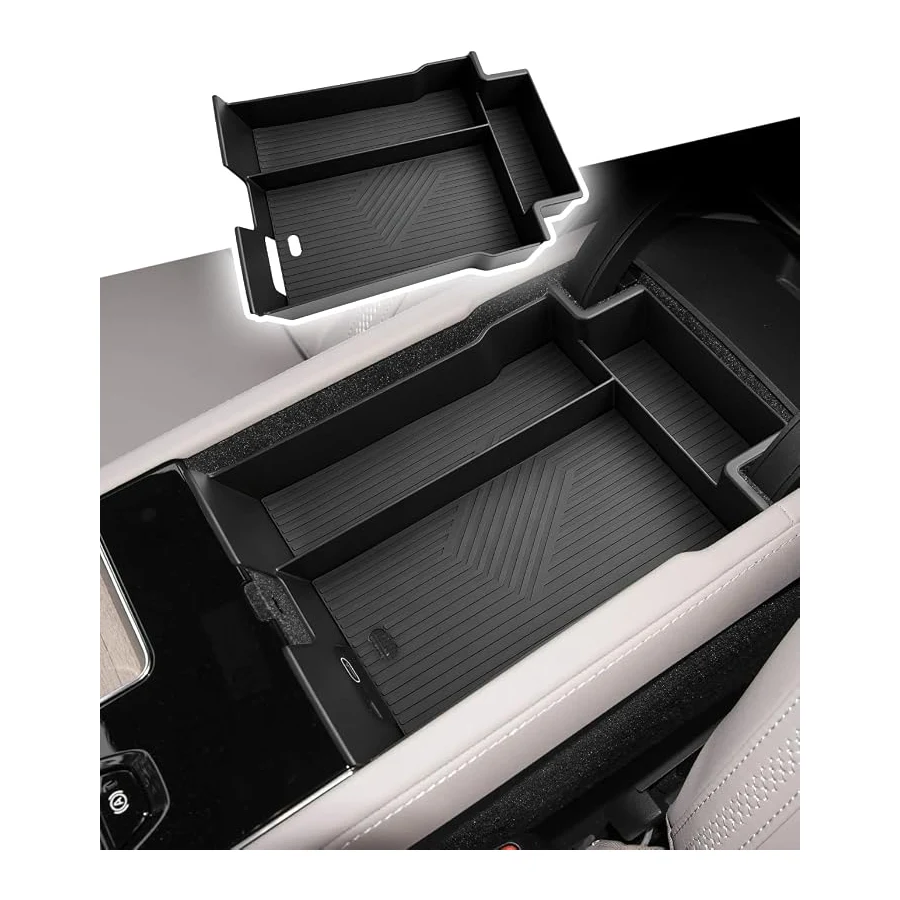 Best Overall
2026+ Volvo XC90 Center Console Organizer Tray, Drop-In Armrest Storage fits Core/Plus/Ultra, 5/6/7-seat models.
A vehicle-fit accessory to compare for compatibility, daily usefulness, and value.
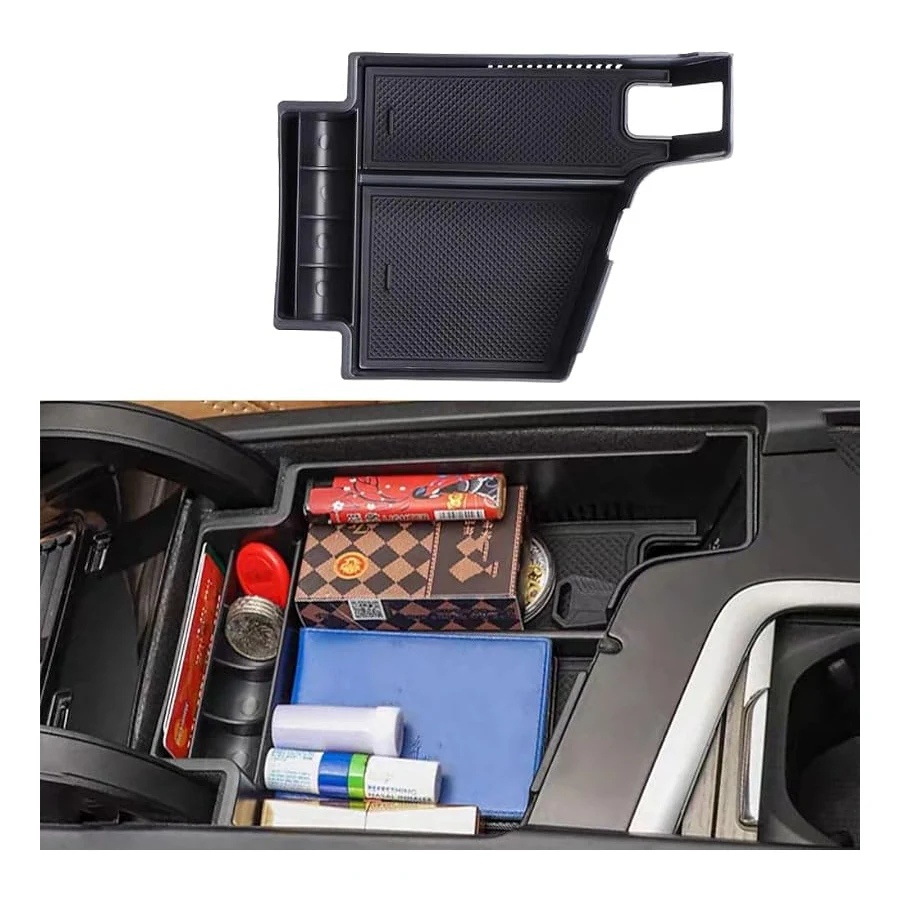 Best Value
Volvo Center Console Organizer Tray, Armrest Insert Storage for XC60 2018-2026, XC90/S90/S60/V60/V90 2015-2026.
A vehicle-fit accessory to compare for compatibility, daily usefulness, and value.
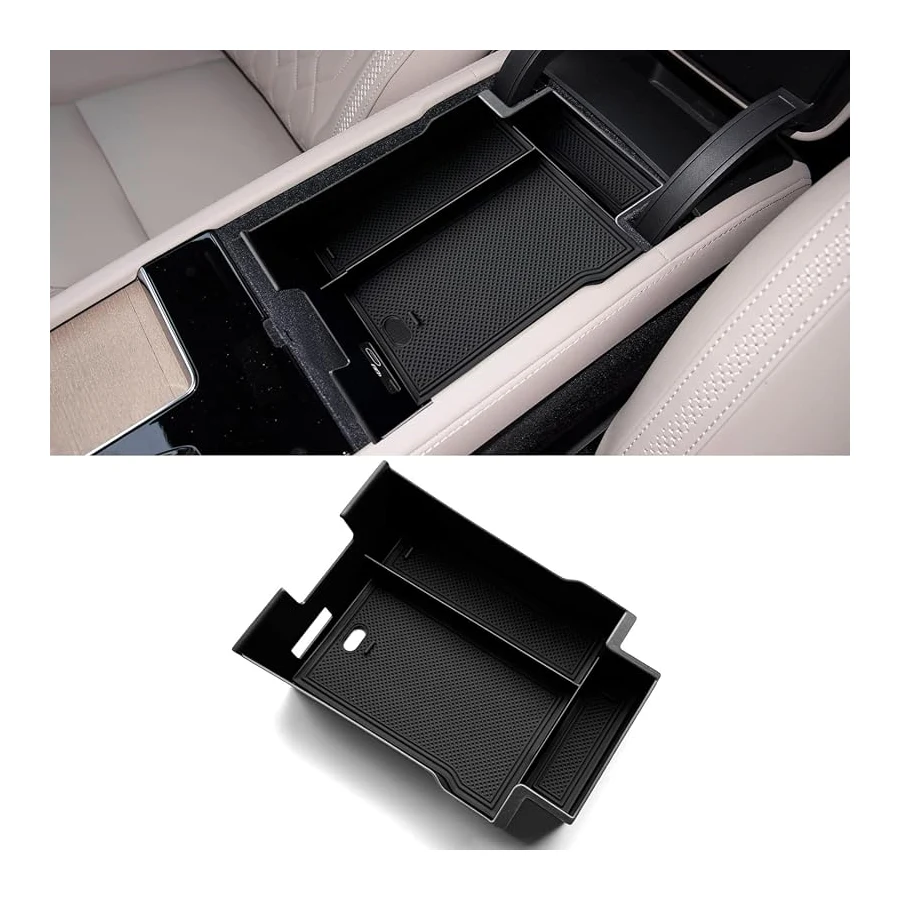 Best Premium Option
2026 Volvo XC90 Center Console Organizer Tray, ABS Armrest Box Insert, easy to clean, custom fit.
A vehicle-fit accessory to compare for compatibility, daily usefulness, and value.
Sources and Methodology
US‑market comparison for 2022–2026 Volvo mild hybrids (B‑badges) and plug‑in hybrids (Recharge T8). Specs and ranges vary by model and year; we matched trims where possible and cited representative EPA ratings. Incentives change frequently; verify with official channels. Data verified August 2026.
Author

Author

Evans Torres
I’m Evans Torres, an automotive engineer who loves Volvo cars. I graduated in Automotive Engineering from USC. I have worked in the car industry for years and now share my knowledge on The Volvo Life. I started this blog to connect with other Volvo fans. I offer tips, news, and advice to help you care for your car. My goal is to help you keep your Volvo in great shape and find all the best things about it. Join me as we discover everything Volvo has to offer!