


used car volvo.xc60 vs ford escape comes down to luxury polish and safety tech versus lower purchase price and better hybrid mpg. The Volvo XC60 feels more premium, rides quieter and often rates higher in safety; the Ford Escape costs less to buy and to run.
Shopping used, the Volvo XC60 and Ford Escape overlap in size and versatility but live in different classes. The XC60 is a compact luxury SUV; the Escape is a mainstream compact SUV with strong value and efficient hybrid options.
This guide compares real ownership factors U.S. buyers ask about: pricing realities, reliability patterns, safety records, fuel economy, features and long-run costs. It focuses on the most common used years where inventories are thick and data is solid.
We’ll also flag model-year caveats, recall clusters and the specific trims that best align feature-for-feature. By the end, you’ll know which one fits your budget, commute, family needs and risk tolerance.
- Main difference: XC60 delivers luxury refinement, advanced safety and stronger performance options; Escape wins on purchase price and hybrid/PHEV fuel economy.
- Best for A: Volvo XC60 suits buyers prioritizing quiet comfort, upscale interiors, advanced driver assists and higher towing confidence.
- Best for B: Ford Escape fits value-driven shoppers who want lower running costs, straightforward tech and excellent hybrid efficiency.
- Cost/value: Like-for-like age/miles, XC60 typically asks thousands more than Escape; total ownership costs stay higher due to tires, insurance and premium fuel on some Volvo engines.
- Important caveat: Safety and reliability vary by year, powertrain and options; verify VIN-specific recalls and IIHS/NHTSA ratings before deciding.
Are Volvo XC60 and Ford Escape direct competitors?
Not exactly. The Volvo XC60 is a compact luxury SUV aimed at Audi Q5 and BMW X3, while the Ford Escape is a mainstream compact SUV rivaling Toyota RAV4 and Honda CR‑V.
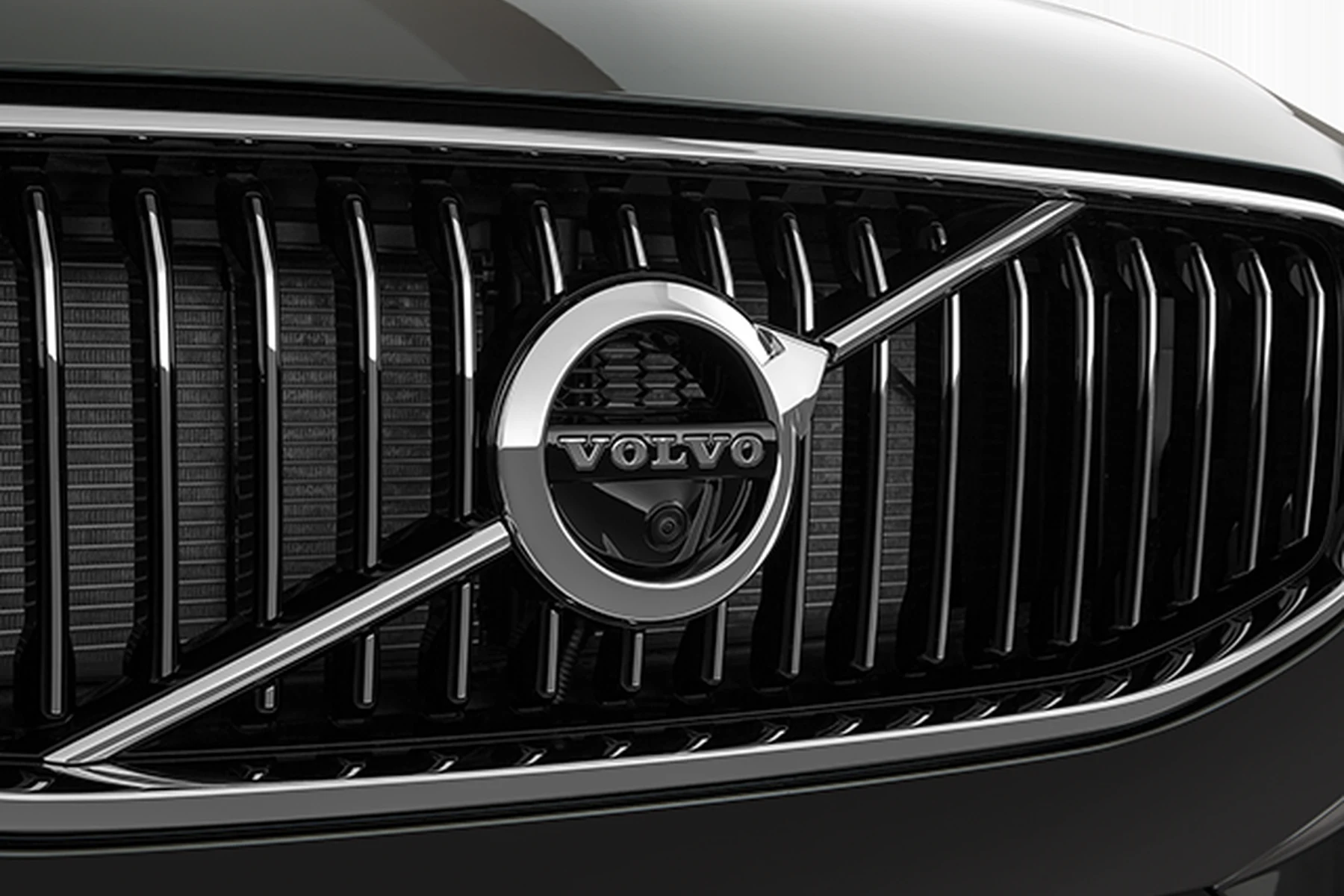
They share a two-row layout and similar exterior footprints, so many used buyers compare them on practicality and cost. But expectations for materials, tech and pricing differ.
Volvo XC60 vs Ford Escape at a glance
This snapshot lines up the most common used configurations shoppers cross‑shop: a turbo 2.0T AWD Volvo XC60 versus a 2.0T AWD Ford Escape, with hybrid/PHEV notes where relevant.
| Item | Volvo XC60 (2018–2023) | Ford Escape (2020–2023) |
|---|---|---|
| Class/segment | Compact luxury SUV (5-seat) | Compact mainstream SUV (5-seat) |
| Typical powertrains | T5 2.0T 250 hp; T6 2.0T+SC 316 hp; Recharge PHEV 400–455 hp (2020–2023) | 1.5T 3‑cyl 181 hp; 2.0T 250 hp; Hybrid 200 hp (est.); PHEV ~210 hp |
| Transmission/drivetrain | 8‑speed auto; FWD or AWD (AWD common) | 8‑speed auto (gas); eCVT (hybrids); FWD or AWD |
| EPA combined mpg (gas) | T5 AWD ~23; T6 AWD ~22 | 1.5T AWD ~28; 2.0T AWD ~26 |
| Hybrid/PHEV efficiency | Recharge: 55–63 MPGe; 18–36 mi EV range (year-dependent) | Hybrid: ~39–41 mpg; PHEV: ~101 MPGe; ~37 mi EV range |
| Cargo (behind 2nd row) | ~22 cu ft (manufacturer/EPA method) | ~33–37 cu ft (seat position/powertrain varies) |
| Max cargo (rear seats folded) | ~63 cu ft | ~65 cu ft |
| Towing capacity | Up to ~3,500 lb (tow pkg) | Up to ~3,500 lb (2.0T); lower for 1.5T/Hybrid |
| Active safety | City Safety with AEB standard; Pilot Assist commonly equipped | Ford Co‑Pilot360 standard; Assist+ on higher trims |
| Crash-test status | Frequently IIHS Top Safety Pick+; NHTSA 5‑star in many years | Generally strong IIHS/NHTSA results; varies by year/options |
| Interior character | Quieter cabin, premium materials, minimalist Sensus/Google UI | Functional, roomier rear seat/cargo, simpler controls |
| New MSRP when launched | Typically low‑$40Ks base; high‑$60Ks+ loaded | Mid‑$20Ks base; low‑$30Ks well‑equipped gas; higher for PHEV |
| Ownership cost tendency | Higher: tires, insurance; premium fuel recommended on many engines | Lower: regular fuel, cheaper tires/parts; strong hybrid mpg |
For apples-to-apples, we reference 2019–2021 Volvo XC60 T5/T6 AWD and 2020–2023 Ford Escape 2.0T AWD, with notes on Escape Hybrid/PHEV and XC60 Recharge. Always match year, engine, drivetrain and key options when comparing prices.
Main differences between Volvo XC60 and Ford Escape
The Volvo XC60 emphasizes refinement and safety-first engineering, with stronger acceleration and a quieter, more luxurious cabin. The Ford Escape emphasizes value, rear-seat/cargo space efficiency and class-leading hybrid/PHEV fuel economy.
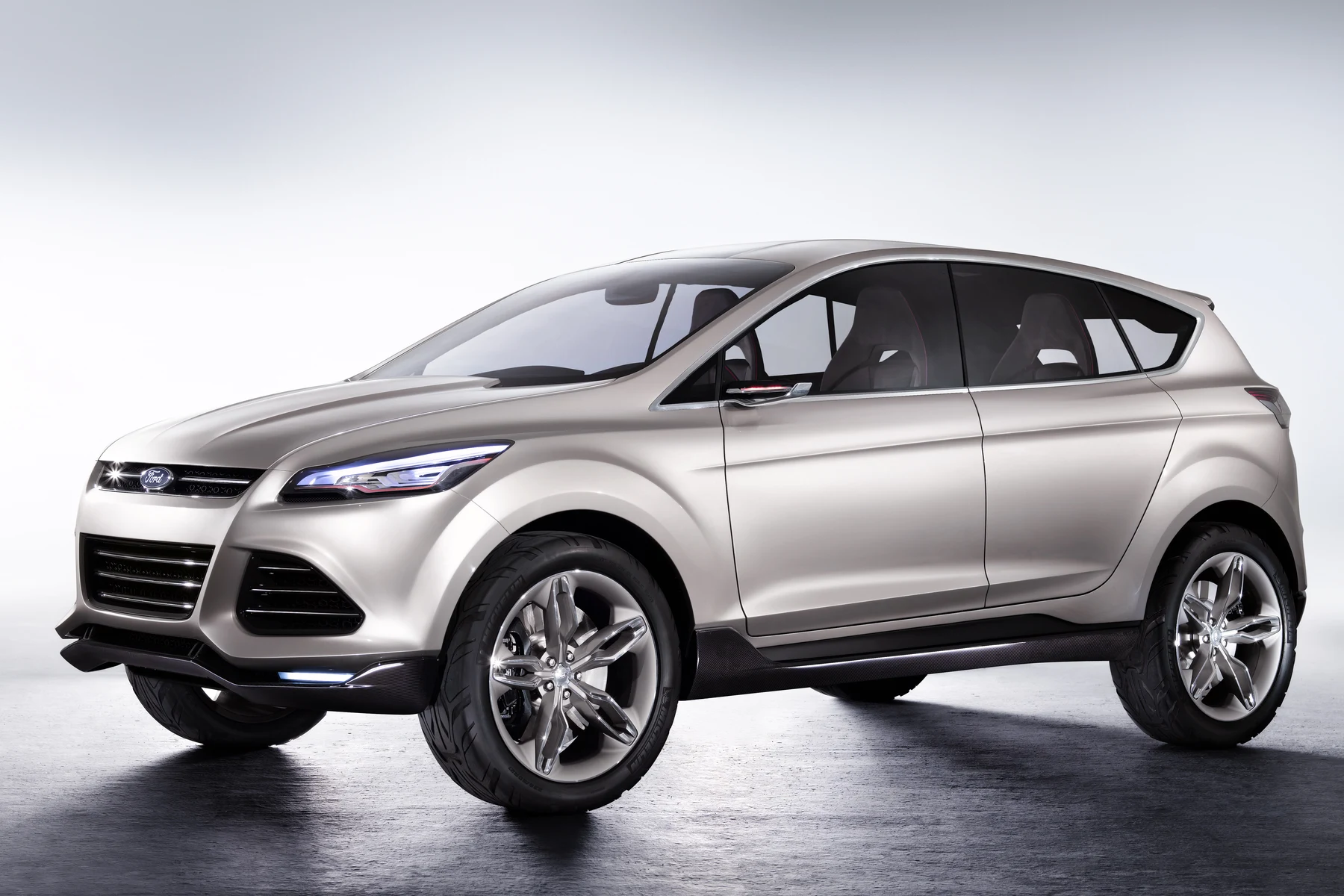
Volvo’s advanced driver assistance and upscale materials feel a class above. Ford’s pricing, running costs and practicality appeal to budget- and commute-focused buyers.
Similarities and common ground
Both are two-row compact SUVs with available AWD, modern infotainment, standard automatic emergency braking and healthy towing for the class when properly equipped.
Each offers a plug-in hybrid that can cover daily errands on electricity alone, with the Escape PHEV typically delivering a few more EV miles.
Price, comparable trims and feature-adjusted value
Like-for-like age and mileage, a used Volvo XC60 typically lists for more than a Ford Escape. The gap reflects new-MSRP differences, luxury materials and standard features on many XC60 trims.
Feature-adjusted, an Escape Titanium 2.0T often overlaps with an XC60 Momentum in equipment, but the Volvo still commands a premium. Hybrids flip the script on running costs, where the Escape Hybrid/PHEV shines.
- Compare by VIN: AWD, driver assists, panoramic roof, tow package and wheel size change value.
- Adjust for battery age on PHEV units; request state-of-health reports.
- Price tires/brakes on 19–21 inch XC60 wheels—costs vary widely.
If you’re leaning Volvo but want the best value across model lines, see our guide to the best used Volvo models to buy for budget benchmarks.
Size, seating, cargo and everyday practicality
Ford Escape prioritizes space efficiency, with more room behind the rear seats and a sliding second row on many trims. Families who pack strollers or sports gear will notice the extra cubic feet.
The Volvo XC60 offers adult-friendly seating and thoughtful storage but slightly less cargo volume by common U.S. measures. Its longer wheelbase aids highway stability and ride comfort.
Interior comfort, visibility and cabin usability
Volvo XC60 cabins feel serene, with supportive seats, low wind/road noise and upscale finishes. Visibility is good, and physical controls supplement the screen in earlier Sensus years.
Ford Escape cabins are straightforward and functional. Materials are humbler, but ergonomics are easy, and rear-seat entry is friendly for child seats and tall passengers.
Infotainment, controls and technology
XC60 models use Sensus (portrait touchscreen with CarPlay/AA added across years) or, later, Google built-in with native Google Maps/Assistant. The interface feels premium but can be menu-deep on older software.
Escape uses Ford’s SYNC systems, which are simple to learn and pair well with wireless smartphone mirroring in later years. Optioned digital clusters and head-up displays add clarity on higher trims.
EPA estimates: XC60 Recharge (2022–2023) typically delivers about 32–36 miles EV range; Escape PHEV about 37 miles. If you charge nightly and commute under 35 miles, both can cover most weekdays on electricity alone.
Safety and driver assistance: Volvo XC60 vs Ford Escape
Both SUVs test well, but the Volvo XC60 frequently earns IIHS Top Safety Pick+ status and 5‑star NHTSA overall ratings in many years. The Escape also posts strong results, though specific ratings can vary by headlight/trim and model year.
Standard driver assists exist on both. Volvo’s Pilot Assist and lane-centering often feel more polished; Ford’s Co‑Pilot360 covers the essentials, with enhanced features on upper trims.
Compare the exact VIN build on IIHS and NHTSA. Headlights, collision-avoidance packages and mid-cycle updates can change ratings for certain years/trims. Verify recall completion before purchase.
Performance, ride, handling and drivetrain
XC60 T6 models are notably quick for the class, while T5s deliver adequate power and a quiet, refined ride. Steering is light but accurate, prioritizing comfort over sport.
Escape 2.0T feels lively and lighter on its feet, with balanced handling and responsive 8‑speed shifts. The 1.5T is adequate for commuting; hybrids are smoother around town but less punchy at highway speeds.
Fuel economy, EV efficiency and range
If gas mileage rules your decision, the Ford Escape Hybrid/PHEV leads. Many AWD hybrids hover around 39–41 mpg combined, and the PHEV adds a useful EV-only range for city commutes.
Gas-only Escapes also beat most XC60 gas trims on EPA numbers. The XC60 Recharge PHEV is competitive when you charge regularly, but gas-only XC60s trail the Ford on efficiency.
- Many XC60 turbo/supercharged engines recommend 91+ octane for rated performance; Escapes commonly run 87.
- XC60 19–21 inch tires cost more than Escape’s typical 17–19 inch sizes.
- Hybrid brakes on Escape can last longer thanks to regenerative braking.
Reliability, known issues and evidence level
Volvo XC60 (2018–2023) shows solid powertrain durability with routine maintenance, though owners report occasional infotainment glitches and sensor/software updates. As with any luxury model, out-of-warranty electronics can be pricier to diagnose and fix.
Ford Escape (2020–2023) has generally been reliable in 2.0T form, with multiple recalls across engines and hybrid systems in early years. Verify recall status, especially for 1.5L gas and hybrid/PHEV variants.
Because reliability varies by year, engine and care history, VIN-level service records and a pre-purchase inspection matter more than brand stereotypes for both models.
Maintenance, insurance, depreciation and total ownership cost
XC60 ownership costs trend higher: premium tires, potentially higher insurance and pricier scheduled services outside warranty. Depreciation is typical for luxury compacts; a well-kept XC60 can retain value if options and colors hit buyer sweet spots.
Escape parts and labor are widely available, helping control maintenance costs. Insurance can be lower than a luxury-brand VIN, and hybrids reward high-mileage drivers with fuel savings.
Plan maintenance around time/miles, not just dashboard prompts. For Volvo-specific schedules and procedures, our maintenance articles for the XC60 lineup can help you anticipate intervals and shop conversations.
Towing, payload and utility
Properly equipped, both the Volvo XC60 and Ford Escape 2.0T rate up to about 3,500 pounds—enough for small campers or jet skis. Lower-output gas and hybrid Escapes carry reduced tow ratings.
Always confirm the factory tow package, hitch class, cooling upgrades and tongue-weight limits on the specific VIN before towing.
Volvo XC60 Pros and Cons
- Luxury ride quality and cabin refinement
- Advanced safety tech; frequent top crash ratings
- Strong acceleration (T6/Recharged trims)
- Tow rating competitive with class
- Higher purchase price and insurance
- Premium fuel recommended on many engines
- Infotainment/software quirks reported in some years
- Less cargo room than Escape
Ford Escape Pros and Cons
- Lower buy-in and running costs
- Excellent hybrid/PHEV fuel economy
- Roomy rear seat and cargo area
- Straightforward controls and tech
- Not a luxury interior; more road noise
- Reliability/recall variability by powertrain
- Lower tow ratings on hybrid/1.5T variants
- Resale can vary with fleet-heavy years
Which vehicle is better for different buyers?
Your choice hinges on whether you value long-term comfort and safety polish or lower costs and standout mpg. Think about commute length, home charging, towing needs and how long you’ll keep the SUV.
Alternatives worth considering
If you’re XC60-curious but want to see other luxury options, cross-shop Audi Q5 and BMW X3. Our deep-dives on the Audi Q5 vs Volvo XC60 and the Volvo XC60 vs BMW X3 can help.
From the mainstream side, Toyota RAV4 Hybrid, Honda CR‑V Hybrid and Mazda CX‑5 (for dynamics) provide strong Escape alternatives with varied reliability and feature sets.
How to Decide Between Volvo XC60 and Ford Escape
- Set a hard total budget for purchase plus first-year expenses (tires, brakes, insurance, taxes).
- Pick your powertrain: gas, hybrid or PHEV. Map your commute and charging access to real fuel/EV savings.
- Feature-match three VINs per side with the same drivetrain, safety packages and wheel sizes.
- Run VIN checks for open recalls and obtain service histories; schedule a pre-purchase inspection.
- Test-drive the same route: highway noise, lane-centering smoothness, parking visibility and hatch usability.
- Noise at 70 mph on coarse pavement
- Lane-centering smoothness and handoff alerts
- Rear-seat comfort with two adults or a rear-facing seat
- Hatch opening height and stroller/golf bag fit
- Brake feel in stop‑and‑go (hybrids vs gas)
Before you shortlist, consider how long you’ll keep the SUV and how that affects depreciation, battery warranty windows and maintenance timing.
💡 Evans Torres Tip: On plug-in hybrids, ask the seller for the latest battery State of Health (SOH) report and charging-history logs if available. Compare warranty start date and remaining 8‑year/100k‑mile coverage. A healthy pack plus nightly Level 2 charging can swing total cost of ownership in your favor.
Frequently Asked Questions
These FAQs focus on what used buyers ask most: safety, reliability, cost, size, fuel economy and which trims to target. Answers reference U.S. models and the most common used years on dealer lots and classifieds.
Is the Volvo XC60 safer than the Ford Escape?
Across many recent years, the Volvo XC60 often earns IIHS Top Safety Pick+ and 5‑star NHTSA ratings. The Escape also tests well, but results can vary by year, headlights and options. Check IIHS and NHTSA for the exact VIN before deciding.
Which is cheaper to own: XC60 or Escape?
Generally the Escape. Expect lower fuel, tire and insurance costs, plus wider parts availability. The XC60’s premium tires and recommended premium fuel on many engines raise costs. A regularly charged PHEV can narrow the gap for some drivers.
Does the Escape Hybrid out‑mpg the XC60?
Yes in most scenarios. Escape Hybrids commonly deliver around 39–41 mpg combined. Gas-only XC60s trail those figures, while the XC60 Recharge PHEV competes well if you charge frequently and drive within its EV range.
Which has more cargo space?
The Ford Escape. It generally offers more space behind the second row and competitive maximum volume with seats folded. The XC60’s cargo area is tidy and well-finished, but absolute cubic feet are lower by common U.S. measurements.
What are common issues to watch for?
XC60: infotainment/software updates and occasional sensor-related warnings; ensure recalls are closed. Escape: pay close attention to recall history, especially for early 4th‑gen gas and hybrid/PHEV models. A pre‑purchase inspection is wise for both.
Do both tow 3,500 pounds?
Yes, when properly equipped. XC60 gas models and Escape 2.0T can be rated up to about 3,500 lb. Hybrid/1.5T Escapes are lower. Confirm the factory tow package, hitch class and cooling upgrades on the specific VIN.
Is the XC60 worth the premium over the Escape?
If you value a quieter cabin, luxury materials, polished driver assists and stronger acceleration, yes. If your priorities are purchase price and fuel economy, especially hybrid efficiency, the Escape usually makes more financial sense.
How do I compare safety features across trims?
Line up each VIN’s safety packages: headlights, active lane centering, rear AEB, blind-spot and parking aids. Some features are standard on Volvo where Ford bundles them in options. Verify functionality during your test drive.
Final Verdict
Pick the Volvo XC60 if you want luxury refinement, class-leading safety polish and stronger performance, and you’re comfortable with higher purchase and running costs. It’s the better road-trip and long-haul daily driver, especially in T6 or Recharge form.
Pick the Ford Escape if you value affordability and stellar efficiency. Hybrid and PHEV versions deliver excellent real-world mpg, with family-friendly cargo space and straightforward tech. It’s the pragmatic choice for short commutes and budget-minded ownership.
Both are good SUVs; they simply optimize for different buyers. Match your commute, charging access, towing needs and budget to the powertrain and trim—then let a clean history and thorough inspection make the final call.
My Top Picks at a Glance
These three XC60 ESCAPE accessories are practical options to compare after choosing the right Volvo configuration.
 Best Overall
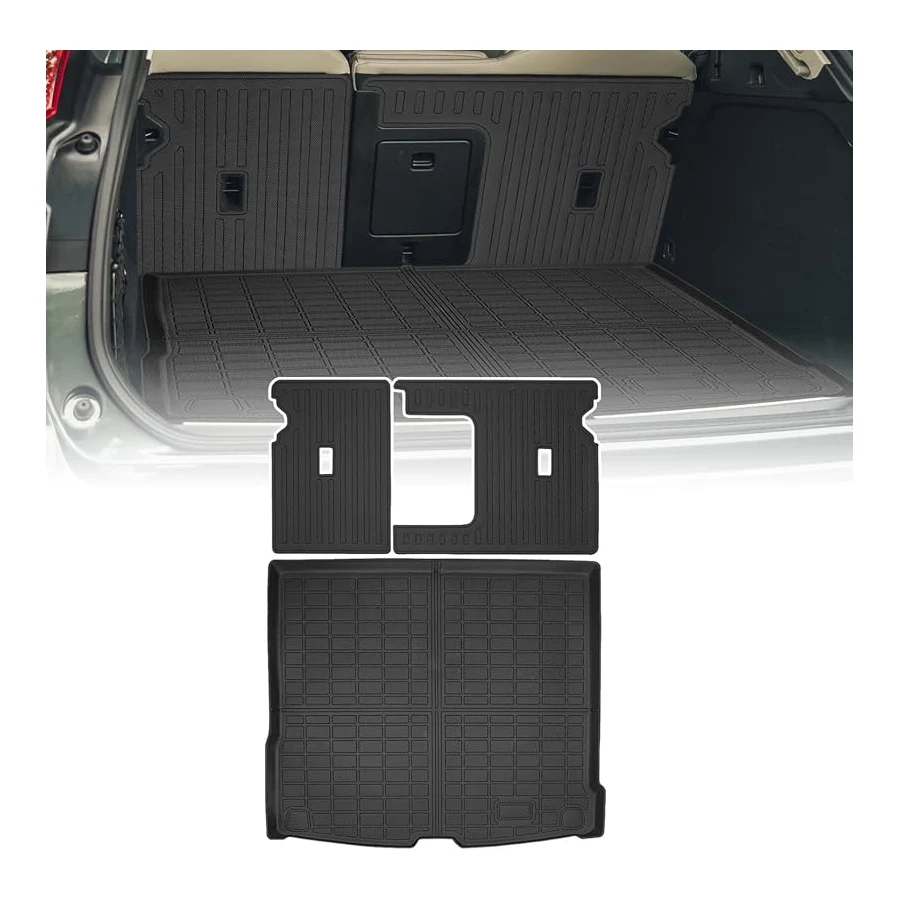
Volvo XC60 cargo liner and backrest mats 2018-2026, 3-piece set, hook-and-loop, all-weather, anti-slip, dog-friendly, easy-clean
A vehicle-fit accessory to compare for compatibility, daily usefulness, and value.
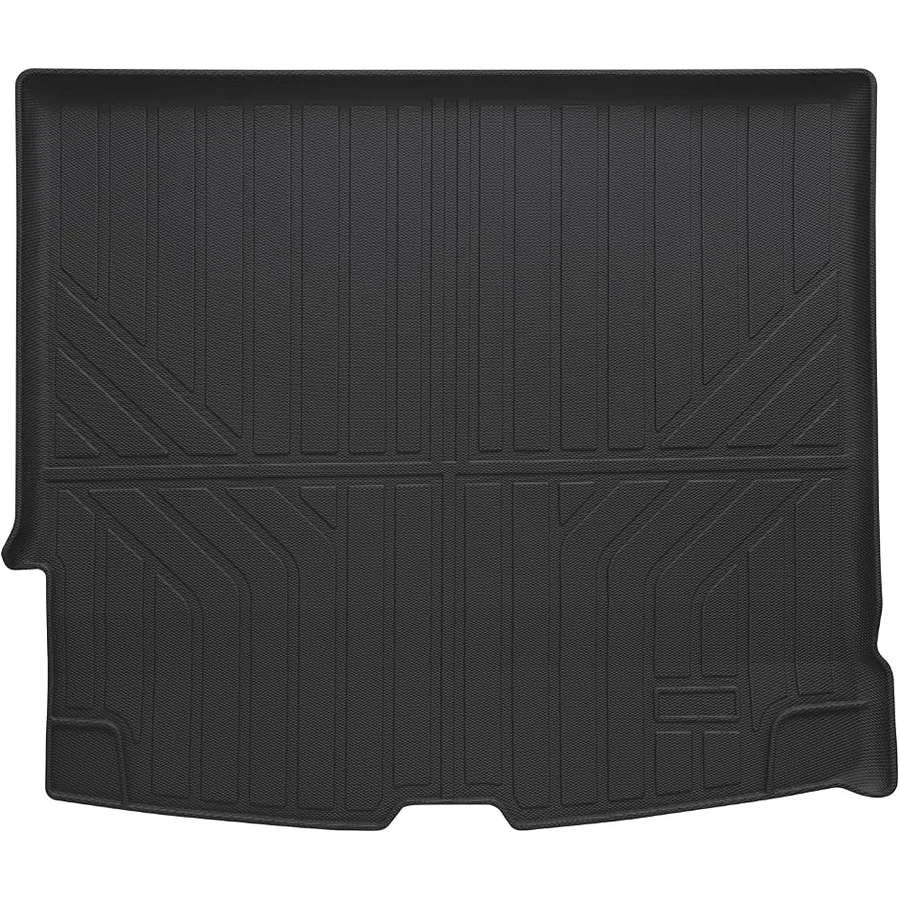 Best Value
All-weather TPE cargo liner for Volvo XC60 2018-2026, waterproof trunk mat, custom fit, easy-clean
A vehicle-fit accessory to compare for compatibility, daily usefulness, and value.
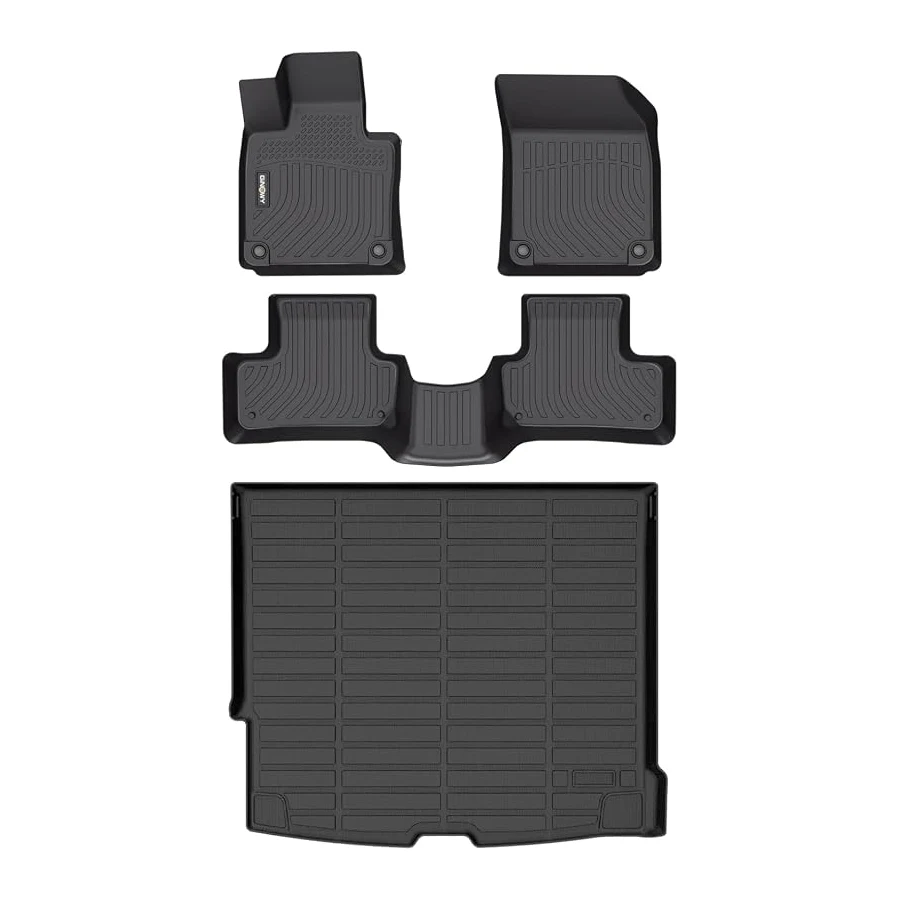 Best Premium Option
GINOWY floor mats and cargo liner for Volvo XC60 2018-2026, fits T5/T6, all-weather, easy-clean, not for Recharge
A vehicle-fit accessory to compare for compatibility, daily usefulness, and value.
Sources and Methodology
Analysis covers U.S.-market Volvo XC60 (2018–2023 SPA generation) and Ford Escape (2020–2023 4th generation) with notes on hybrids/PHEVs. We aligned trims by drivetrain and feature content, used EPA fuel economy, IIHS/NHTSA safety data, and manufacturer specifications. Prices vary widely by region, mileage and condition, so we emphasize relative value and cost tendencies. Data verified August 2026; some sources update continuously—always confirm VIN-specific details.
Author

Author

Evans Torres
I’m Evans Torres, an automotive engineer who loves Volvo cars. I graduated in Automotive Engineering from USC. I have worked in the car industry for years and now share my knowledge on The Volvo Life. I started this blog to connect with other Volvo fans. I offer tips, news, and advice to help you care for your car. My goal is to help you keep your Volvo in great shape and find all the best things about it. Join me as we discover everything Volvo has to offer!