


In volvo electric car vs tesla range, Tesla typically leads on maximum EPA miles and highway efficiency, while Volvo’s EX30/EX40/EX90 narrow the gap and now access Superchargers. Choose Tesla for outright miles; choose Volvo for balanced range, safety focus, and practical ownership terms.
Range decides road-trip freedom and charging rhythm. This comparison looks at how current US-market Volvo electric cars stack up against Tesla on EPA-tested miles per charge, real charging time, and efficiency in 2025–2026 model years.
Because both brands offer multiple body styles, we match like-for-like where possible (small and compact SUVs, plus three-row SUVs) and cite EPA data and official specs. Actual range varies by wheels, climate, speed, and load, so we also highlight the real-world factors that move the needle most.
- Main difference: Tesla delivers longer EPA range and slightly better efficiency in most size classes; Volvo’s latest EX30/EX40 improve and the EX90 targets ~300 miles, depending on spec.
- Best for A: Volvo Electric Car suits drivers prioritizing safety tech, simple ownership, and “good enough” 260–300-mile range with growing Supercharger access.
- Best for B: Tesla suits high-mileage drivers who want the longest EPA range and the most integrated Supercharger experience today.
- Cost/value: Volvo often undercuts similarly equipped Teslas on transaction pricing and insurance in some ZIPs; Tesla can retain value better on longer-range trims.
- Important caveat: Wheel size, winter temps, and highway speed can swing real range by 10–30% for both brands—verify against your route and climate.
Are Volvo Electric Car and Tesla direct competitors?
Not strictly—this is a brand-to-brand lineup comparison. Volvo’s US EVs focus on small and midsize SUVs (EX30, EX40/EC40, EX90), while Tesla spans sedans and SUVs (3, Y, S, X).
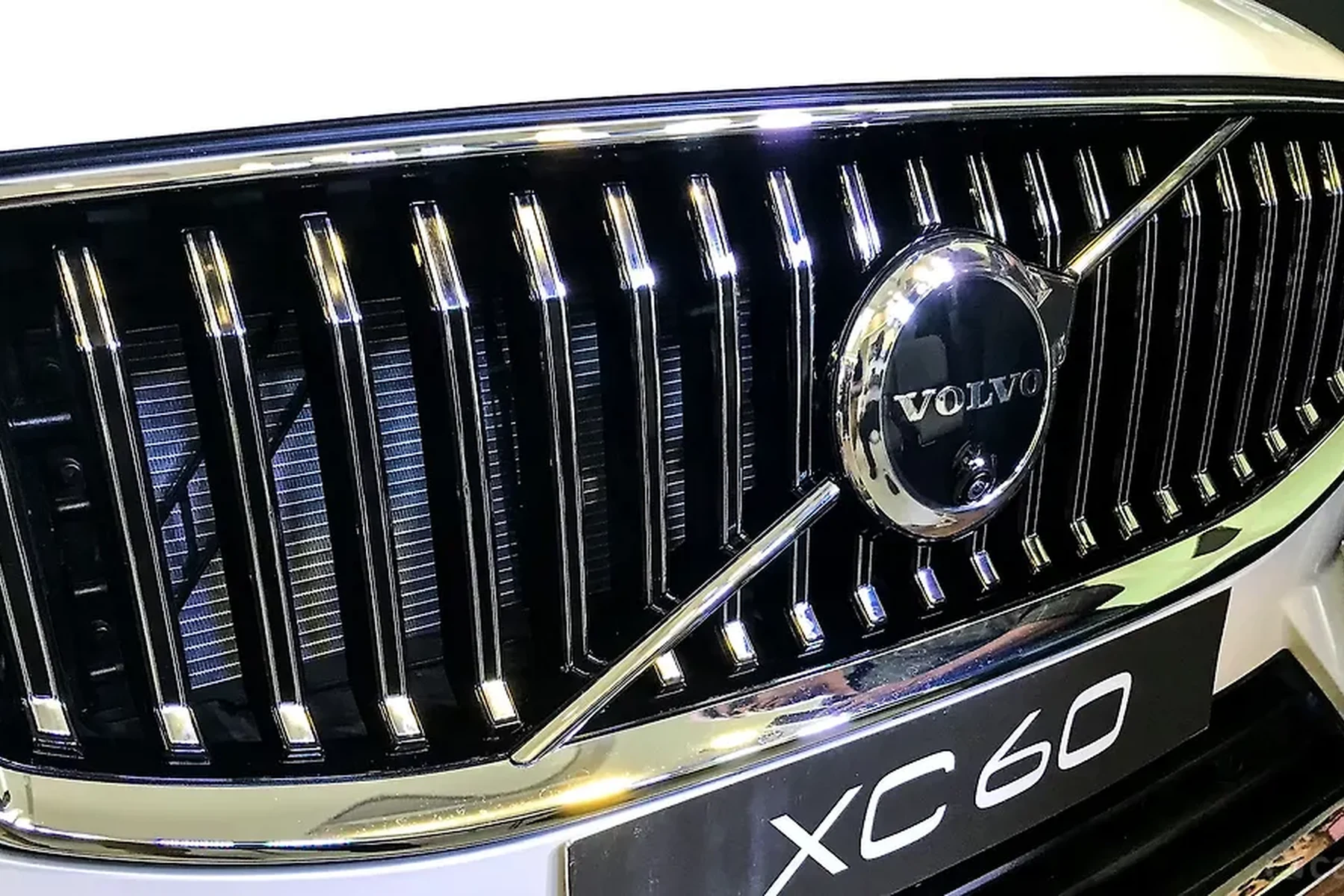
Shoppers still cross-shop because range, charging access, and efficiency are shared priorities. We pair closest segments for apples-to-apples range takeaways.
Volvo Electric Car vs Tesla: At-a-glance comparison
Below we align common US segments and show the most decision-relevant range, charging, and efficiency numbers buyers look for first. Always confirm wheels, drivetrain, and options—these move EPA ratings materially.
| Metric (segment reference) | Volvo Electric Car | Tesla |
|---|---|---|
| EPA range — small SUV/sedan (EX30 Single Motor vs Model 3 RWD) | ~275 miles (EX30 SM, EPA) | ~272 miles (Model 3 RWD, EPA) |
| EPA range — compact SUV (EX40/EC40 RWD vs Model Y Long Range) | ~293–297 miles (EX40/EC40 RWD, EPA) | ~310 miles (Model Y Long Range AWD, EPA) |
| EPA range — 3-row SUV (EX90 Twin Motor vs Model X AWD) | ≈300 miles (trim/wheels vary, EPA listings) | ~335 miles (Model X AWD, EPA) |
| DC fast-charge peak | ~153–250 kW (model-dependent) | Up to 250 kW (V3/V4 Supercharger-capable) |
| 10–80% DC fast charge (best case, OEM claims) | ~26–30 min (EX30/EX40/EX90) | ~25–30 min (3/Y/S/X) |
| EPA efficiency — compact SUV | ~31–33 kWh/100 mi (EX40/EC40) | ~28–29 kWh/100 mi (Model Y LR) |
| Drivetrains offered | RWD, AWD (model-dependent) | RWD (3/Y base), AWD (most trims) |
| Connector (USA) | NACS (new builds) or adapter; CCS on earlier builds | NACS native |
| Supercharger access | Yes (NACS/adapter; availability by MY/trim) | Native access |
Confirm the exact EPA range for your VIN build (wheels, drivetrain, software). Small changes—19″ vs 20″ wheels, roof rails, or winter tires—can shift EPA and real-world range meaningfully.
Main differences between Volvo Electric Car and Tesla, plus similarities
Tesla usually leads with the longest EPA range and better aero efficiency, particularly in the Model Y vs EX40/EC40 matchup and in three-row SUVs versus the EX90.
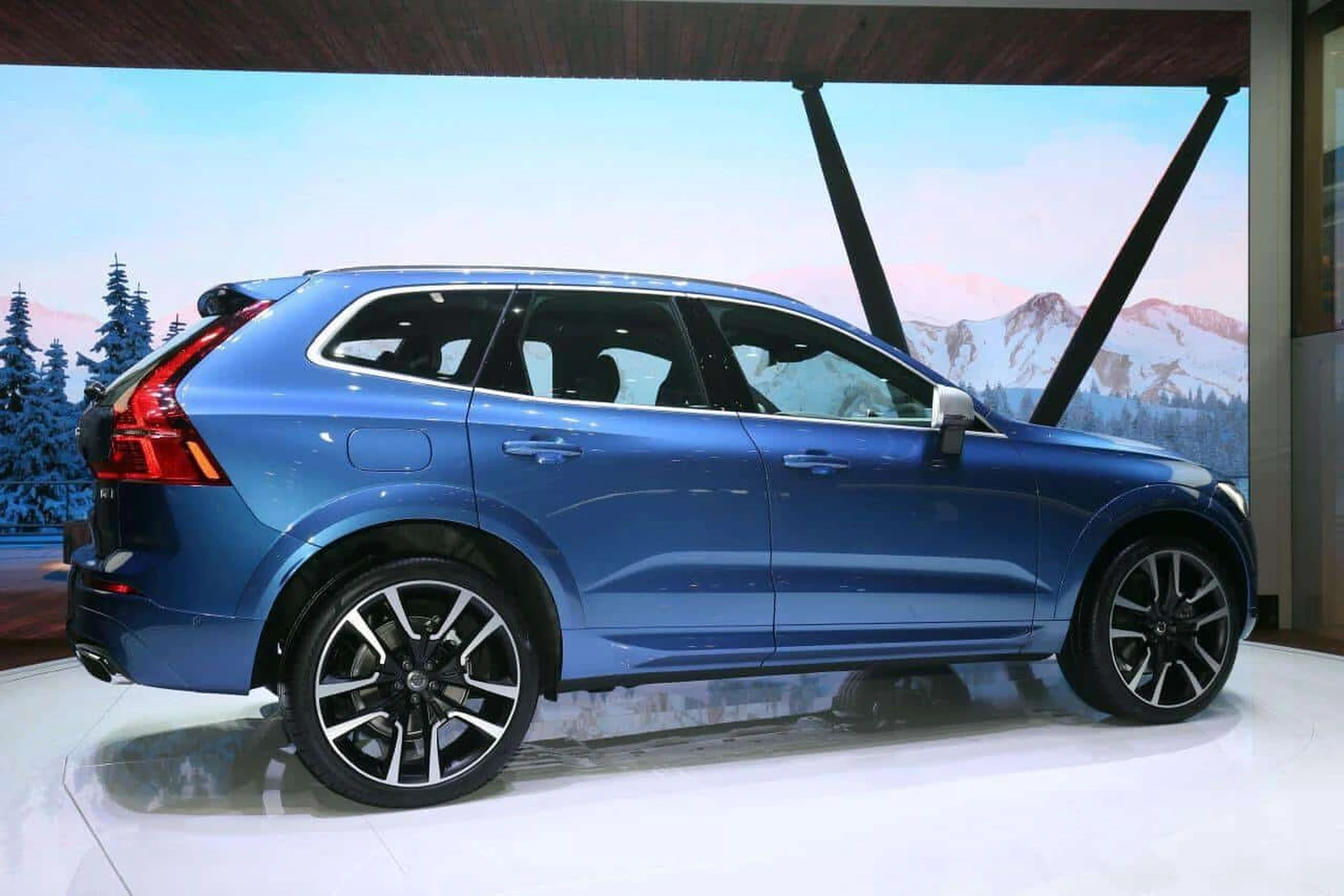
Volvo closes the gap in smaller formats with the EX30, adds robust standard driver safety features, and now benefits from NACS/adapter Supercharger access.
Similarities and common ground
Both lineups support DC fast charging around the 25–30 minute 10–80% window in best conditions. Both use EPA labeling, offer robust over-the-air updates, and can precondition the battery to improve fast-charge speeds.
At 70–75 mph, both brands can see 10–20% less range than the EPA combined figure due to aero drag. A square roof box can cut another 5–15% depending on size and wind.
Volvo Electric Car vs Tesla: Price, comparable trims and feature-adjusted value
Transaction prices vary by incentives, inventory, and finance offers. In many ZIP codes, a comparably equipped Volvo EX40 undercuts a Model Y Long Range, while a well-optioned EX90 can land below a new Model X.
Tesla’s longer-range trims often hold resale a bit better in high-EV markets, but Volvo dealers may negotiate more on in-stock units—netting a lower out-the-door for similar equipment.
For a deep dive on out-the-door math, see TheVolvoLife.com’s guide to how much a Volvo electric car costs including incentives and charging hardware.
Budget for tires: EV torque and weight wear rubber faster. A swap from eco to performance tires can trim efficiency 3–8% and add $150–$300 per set.
Volvo Electric Car vs Tesla: Size, seating, cargo and everyday practicality
EX30 is a city-sized two-row with tidy parking manners. EX40/EC40 rival the Model Y for family duty but with a slightly smaller cargo feel and a higher seating position.
EX90 offers three rows with a Scandinavian, kid-friendly cabin; Model X counters with more range and available six- or seven-seat layouts, plus a larger cargo hold when seats are folded.
Volvo Electric Car vs Tesla: Interior comfort, visibility and cabin usability
Volvo emphasizes clear sightlines, supportive seats, and physical controls for core functions mixed with Google-based infotainment. The cabins feel calm and upscale.
Tesla’s minimalist layout maximizes space but leans heavily on screen-based controls. Some buyers love the clean look, others prefer Volvo’s dedicated buttons and stalks for frequent tasks.
Volvo Electric Car vs Tesla: Infotainment, controls and technology
Current Volvo EVs integrate Google built-in with native Maps and Assistant, plus Apple CarPlay support on many trims. App-based preconditioning is straightforward.
Tesla’s in-house software is feature-rich and fluid, with excellent route planning across Superchargers. However, third-party phone mirroring remains absent, which matters to some users.
Bring your phone cable and try both systems. If you rely on CarPlay/Android Auto media apps, verify integration in Volvo; if you prefer an all-in-one native stack, Tesla will likely feel simpler.
Volvo Electric Car vs Tesla: Safety and driver assistance
Both brands perform strongly in crash testing, with multiple models earning high marks from IIHS and solid NHTSA scores where rated. Protocols and years must match for fair comparison.
Volvo typically includes more standard driver-assist features across trims. Tesla’s Autopilot stack is capable on highways but requires driver attention at all times, just like Volvo’s Pilot Assist.
Compare the same model year and headlight rating when reading IIHS results. A headlight downgrade can cost a Top Safety Pick award even if crash structure is unchanged.
Volvo Electric Car vs Tesla: Performance, ride, handling and drivetrain
Both lineups offer brisk acceleration, with dual-motor variants providing all-weather confidence. Tesla performance trims are among the quickest in segment.
Volvo tunes for stability and comfort, especially on 19-inch wheels. Tesla’s low aero drag can make highway crosswinds feel slightly more noticeable, though grip remains confident.
Volvo Electric Car vs Tesla: Range, charging time and efficiency (EPA and real-world)
Tesla generally posts longer EPA range in compact and three-row SUVs, supported by smoother aerodynamics and frugal drivetrains. That advantage is most visible on constant-speed highway legs.
Volvo’s EX30 is competitive with Model 3 RWD on EPA miles, and EX40/EC40 RWD land within a charging stop of Model Y LR on many routes. Real-world gaps narrow with smaller wheels and careful climate control.
On DC fast charging, both can add roughly 150–200 miles in about 20–25 minutes from a warm battery at a high-power site. Battery preconditioning before arrival makes the biggest difference to hit peak rates.
EPA range is typically 10–20% lower than WLTP for the same car. If you’re reading UK/EU figures, scale down for US highway-heavy trips.
Volvo Electric Car vs Tesla: Reliability, known issues and evidence level
Comprehensive long-term EV reliability data is still maturing. Tesla’s drive units and batteries show solid longevity in high-mileage fleets, with variability in trim-specific issues.
Volvo’s newer EVs use supplier cells and evolving software; early owners report typical new-EV teething like infotainment bugs that OTA updates often address. Use warranty terms and dealer support as tiebreakers.
Volvo Electric Car vs Tesla: Maintenance, insurance, depreciation and total ownership cost
Both reduce routine maintenance versus gas models. Volvo owners may see slightly higher scheduled service touchpoints at dealers; Tesla relies more on condition-based items.
Insurance can swing either way by ZIP. Depreciation often favors longer-range variants in both brands. Home charging at off-peak rates cuts cost per mile dramatically.
At $0.16/kWh, a 28 kWh/100 mi EV costs about $4.48 per 100 miles. A 33 kWh/100 mi EV costs ~$5.28 per 100 miles—still far below most gasoline costs.
Volvo Electric Car vs Tesla: Towing, resale and daily practicality
Both offer towing on select trims, but expect a 30–50% range hit depending on trailer size and speed. Plan charging stops more frequently and target stations with trailer access.
Resale remains strongest for trims with the longest EPA range and popular wheel/tire packages. Practicality favors body style and cabin layout over brand.
Volvo Electric Car Pros and Cons
- Competitive EPA range in EX30; EX40/EC40 within a stop of Model Y on many routes
- Strong standard safety and intuitive Google integration
- Access to Tesla Superchargers via NACS/adapter on current builds
- Dealer support and potential transaction-price flexibility
- Generally lower maximum EPA range than Tesla in compact and three-row SUVs
- Efficiency trails Tesla at highway speeds in most matchups
- Fast-charge peaks vary more by model; older builds may rely on adapters
Tesla Pros and Cons
- Class-leading EPA range and strong highway efficiency
- Deep Supercharger integration and seamless route planning
- Rapid performance on dual-motor and Performance trims
- Often stronger resale on longer-range variants
- Minimalist interior may frustrate drivers who want physical controls
- No native CarPlay/Android Auto
- Price swings; insurance can be higher in some markets
Which vehicle is better for different buyers?
Alternatives worth considering to Volvo Electric Car and Tesla
Polestar 2 offers strong efficiency and Google built-in in a sedan-like package. Hyundai Ioniq 5 and Kia EV6 charge extremely quickly and compete well on price.
Mercedes EQE SUV and BMW iX provide luxury cabins with competitive ranges, while Ford Mustang Mach-E splits the difference on price and charging speed.
Ask for a 30–40 minute highway loop at 70–75 mph with climate control set as you’d use it. Note projected arrival SOC and compare against EPA expectations.
Charging compatibility and network access are core to peace of mind. Volvo’s shift to NACS broadens options for road trippers and apartment dwellers targeting reliable DC sites.
For a deeper dive on plugs and adapters, see our explainer on whether Volvo cars can use Tesla chargers and what that means for trip planning.
💡 Evans Torres Tip: Don’t compare brochure range; compare “miles per minute” above 10% SOC. On your test loop, arrive at a high-power charger with a warm battery, log 10–60% time, and note miles added. That single metric often predicts real trip pace better than headline range.
How to Decide Between Volvo Electric Car and Tesla
- Define your longest regular trip without stopping. If it exceeds 280–300 miles at highway speeds, Tesla’s upper-range trims may be worth it.
- Pick a wheel/tire package first. Efficiency-friendly wheels narrow the range gap and improve comfort on both brands.
- Audit charging access where you live and work. Confirm NACS/Supercharger availability for your exact Volvo build or Tesla trim.
- Test software daily tasks. Try navigation, climate, driver assists, and phone integration to see which interface you’ll enjoy for years.
- Run total cost of ownership. Price the full build, insurance, home charging install, and tires; include expected resale for the trims you’re eyeing.
Frequently Asked Questions
This FAQ addresses the most common range and charging questions shoppers ask when weighing Volvo EVs against Tesla in the US. Answers focus on EPA-tested numbers, real-world impacts like wheels and weather, and what Supercharger access now looks like for Volvo owners.
Which brand has the longest EPA range today?
Tesla generally leads. Model Y Long Range beats Volvo EX40/EC40 RWD on EPA miles, and Model X outdistances the EX90. Volvo’s EX30 is competitive with Model 3 RWD, but Tesla still holds the edge in higher segments.
How much does wheel size affect range?
Expect roughly 3–10% range loss moving from efficiency-focused wheels to larger, heavier options with wider tires. The exact hit depends on aero design and tire compound; both brands are affected.
Can Volvo use Tesla Superchargers now?
Yes. Newer US-market Volvos with NACS ports, and earlier CCS Volvos with supported adapters, can access many Superchargers. Availability and peak speeds depend on model year, software, and site hardware.
What’s the real highway range at 70–75 mph?
Plan on 10–20% below EPA combined range for both brands at steady 70–75 mph, more in headwinds, cold temps, or with a roof box. Efficiency gaps widen at higher speeds.
How fast do they charge from 10–80%?
In ideal conditions, both can accomplish 10–80% in roughly 25–30 minutes at a high-power station. Battery preconditioning and arriving with a warm pack are essential to hitting peak rates.
Does cold weather hit Volvo or Tesla harder?
Cold reduces range for all EVs due to battery chemistry and cabin heating. Heat pumps and preconditioning narrow the loss. Expect 15–30% hits in freezing temps, varying by trip length and climate control use.
Is it worth paying for the longest-range trim?
If you regularly exceed 250–280 miles between stops, yes—especially on winter highway trips. Otherwise, a mid-range Volvo or Tesla with efficient wheels often delivers similar real trip times thanks to fast charging.
Final Verdict
If maximum miles per charge is your north star, Tesla remains the safer bet—especially in compact and three-row SUVs. The combination of longer EPA range and tight Supercharger integration shortens long days on I-70 or I-95.
Volvo’s story is different: EX30 matches many daily needs at a friendly price, EX40/EC40 close the gap with comfortable cabins, and EX90 targets family space with around 300 miles when configured smartly. With NACS access, the practical gap for most trips narrows further.
Choose Tesla for the longest legs and a screen-forward interface. Choose Volvo for balanced range, tactile controls, standard safety, and often better feature-for-dollar. Your wheel choice and climate will decide the last 10%.
My Top Picks at a Glance
These three Volvo accessories are practical options to compare after choosing the right Volvo configuration.
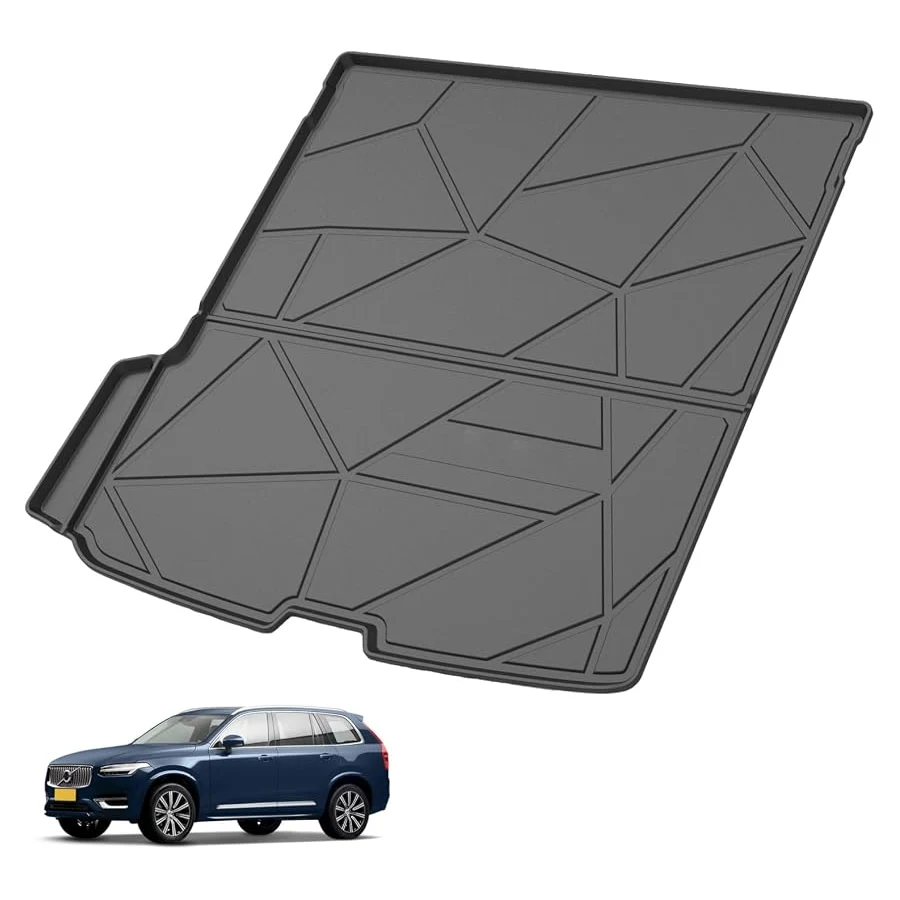 Best Overall
Elsetyler Volvo XC90 2016-2026 cargo liner, custom-fit TPE all-weather waterproof trunk mat, heavy-duty, easy clean.
A vehicle-fit accessory to compare for compatibility, daily usefulness, and value.
 Best Value
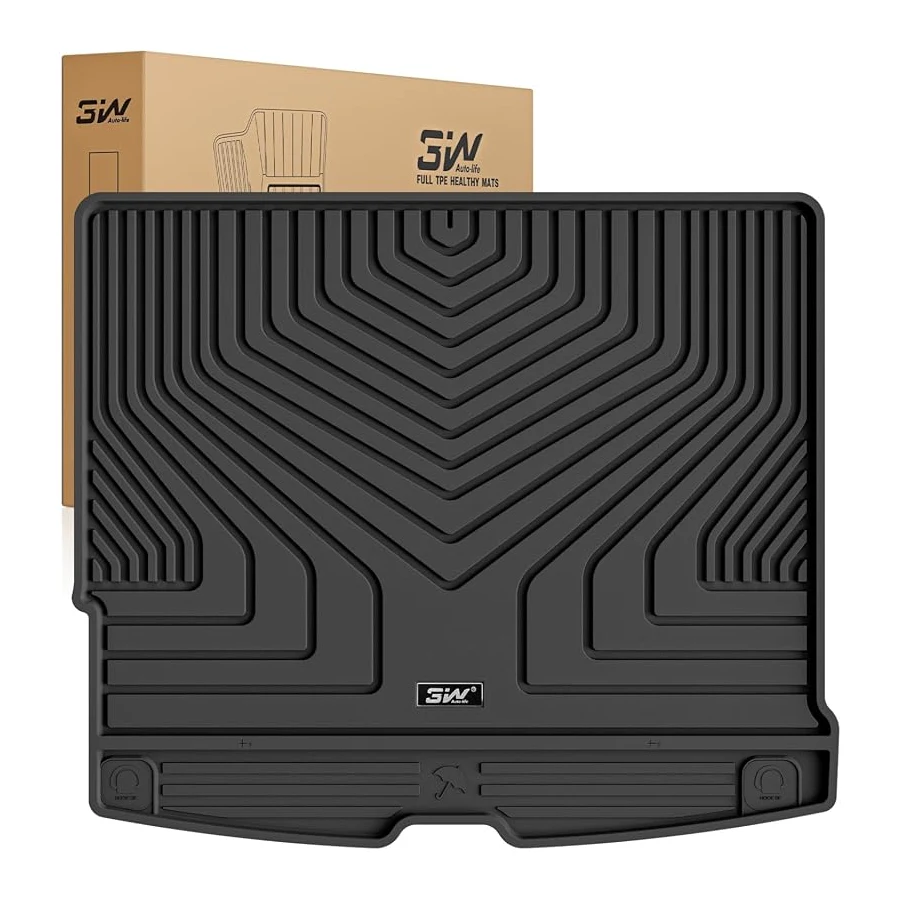
3W Volvo XC60 2018-2026 cargo liner, custom-fit TPE, all-weather non-slip trunk mat with max coverage, easy-clean.
A vehicle-fit accessory to compare for compatibility, daily usefulness, and value.
 Best Premium Option
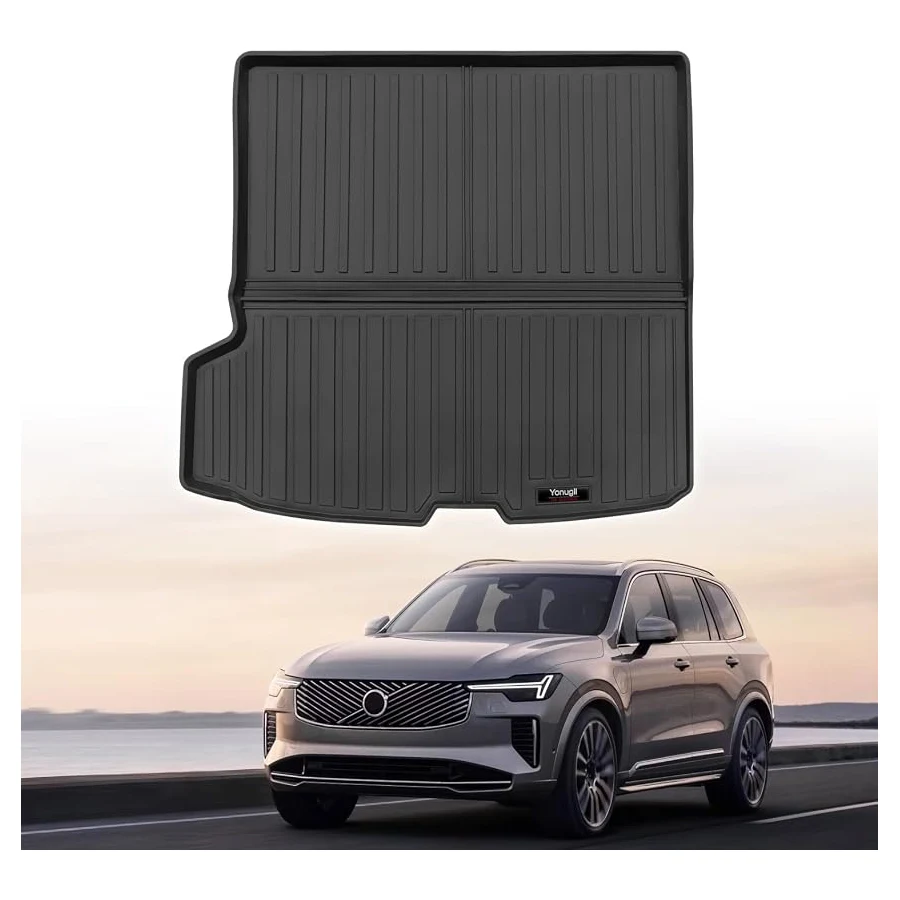
Custom-fit cargo liner for Volvo XC90 2016-2026, behind 2nd row, all-weather TPE, durable, easy-clean protection.
A vehicle-fit accessory to compare for compatibility, daily usefulness, and value.
Sources and Methodology
US-focused comparison of 2025–2026 model-year Volvo EX30/EX40/EC40/EX90 and Tesla 3/Y/S/X where EPA and official data are available. Trim, wheel size, drivetrain, and software affect ratings. We prioritized EPA listings, manufacturer specifications, and reputable safety agencies. Figures may change via rolling updates; verify VIN-specific specs and local charging access. Data verified August 2026.
- EPA Fuel Economy — Official EV range/efficiency data
- Volvo Cars USA — EX30 model and charging information
- Volvo Cars USA — EX40/EC40 range and charging details
- Volvo Cars USA — EX90 specifications and charging
- Tesla — Model specifications and Supercharging overview
- IIHS — Crashworthiness and crash-avoidance ratings
- TheVolvoLife — When are Volvo cars going electric?
Author

Author

Evans Torres
I’m Evans Torres, an automotive engineer who loves Volvo cars. I graduated in Automotive Engineering from USC. I have worked in the car industry for years and now share my knowledge on The Volvo Life. I started this blog to connect with other Volvo fans. I offer tips, news, and advice to help you care for your car. My goal is to help you keep your Volvo in great shape and find all the best things about it. Join me as we discover everything Volvo has to offer!