


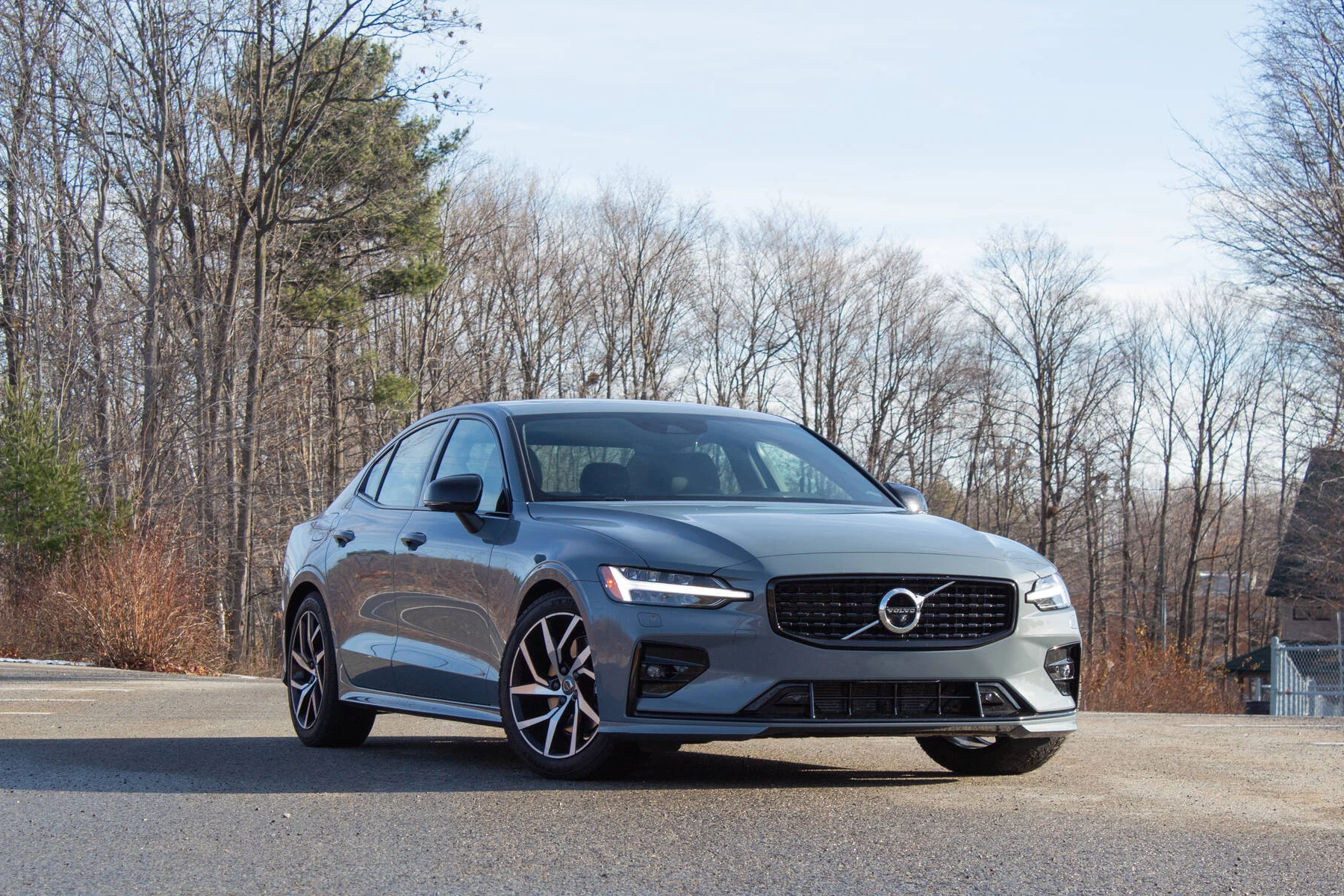
In a volvo vs other cars crash comparison, recent U.S.-market Volvos generally match or exceed rivals on standard active safety plus robust crashworthiness, but specific models and years vary. Volvos suit buyers who want broad standard ADAS and strong structures baked in across trims. Rivals can edge Volvo in certain tests, rear-seat metrics, or driver-monitoring tech. Real-world outcomes still hinge on size, speed, restraint use and whether key features are actually fitted and switched on.
Crash safety is never one-size-fits-all. This guide focuses on how modern Volvos stack up against other brands in U.S. crash tests, active-safety coverage and real outcomes, then helps you decide which configuration fits your family and commute.
Because “other cars” spans luxury and mainstream segments, we compare like-for-like vehicles by class and model year. We also flag where equipment is standard versus optional, since availability often decides the outcome as much as the tech itself.
For deeper background on single-vehicle impacts and dynamics, see our Volvo vs car crash analysis at Volvo vs Car Crash. You’ll find context that complements the brand-to-market comparison here.
- Main difference: Volvos emphasize standard crash-avoidance and strong crash structures across trims; rivals vary more by package and model.
- Best for A: Volvo buyers who want high baseline safety without hunting options, plus strong occupant protection.
- Best for B: Rivals where specific models excel in updated IIHS protocols, rear-seat metrics or driver monitoring.
- Cost/value: Volvos may reduce options hunting and can hold value on safety reputation; some rivals bundle features more cheaply.
- Important caveat: Compare the same year, class and test protocol—and verify the exact equipment on the VIN you’ll buy.
You want verified crash protection for both front and rear passengers and don’t want to gamble on optional safety packs.
You value reliable AEB, lane support and fatigue-reducing driver assistance, plus clear post-crash support features.
You’ll cross-shop ADAS coverage, OTA improvements and driver monitoring across Volvo and rival brands before purchasing.
What “Volvo vs Other Cars” crash safety really compares
Volvo vs other cars crash safety spans four pillars: crash avoidance, crashworthiness, protection for occupants/children/pedestrians, and post-crash response. A fair comparison weighs all four for the same model year and vehicle class.
Crash avoidance includes forward AEB, lane support and blind-spot alerts. Crashworthiness captures how the structure and restraints manage energy in multiple crash modes.
Protection extends to child-seat fitment and pedestrian/cyclist detection performance. Post-crash response covers automatic braking after impact, SOS calling and ease of rescue.
To make a confident choice, prioritize the features you’ll actually use, the seating positions you care about most and the exact test protocols applied to your vehicle type.
Compare like-for-like: same class (e.g., midsize SUV), same model year and the same IIHS/NHTSA protocols. A “Top” award in a different year or class doesn’t guarantee equal real-world protection.
Volvo and competitors: safety systems and crash features at a glance
At a glance, recent Volvos tend to make core AEB, lane keeping and blind-spot coverage standard across many trims, while rivals sometimes reserve advanced functions for packages. Mainstream brands like Toyota and Honda also bundle strong standard suites.
The table below summarizes typical U.S.-market availability for 2024–2026 vehicles, separating Volvo from “premium competitors” (e.g., BMW, Mercedes, Audi) and “mainstream competitors” (e.g., Toyota, Honda, Subaru). Always confirm the exact VIN.
| Safety domain | Volvo (recent lineup) | Premium competitors | Mainstream competitors |
|---|---|---|---|
| Forward AEB w/ pedestrian & cyclist detection | Standard on most models/trims | Standard AEB common; full VRU coverage can vary by model/year | Often standard (e.g., Toyota Safety Sense, Honda Sensing) |
| Intersection/junction AEB | Available on several models; trim dependent | Available; often bundled in higher packages | Emerging; select models offer it |
| Lane keeping + lane centering | Standard LKA; lane centering with ACC on many trims | Available; centering often optional | Frequently standard or included on mid trims |
| Blind-spot warning w/ steer assist | Standard or widely available | Available; steering assist varies by brand | Standard or optional by model |
| Rear cross-traffic alert / rear AEB | Available; sometimes optional | Available; often part of parking packs | Increasingly available; trim dependent |
| Driver monitoring (camera-based) | Available/expanding; implementation varies by model/year | Available; some rivals lead with advanced cameras | Available on select models; growing adoption |
| Speed assist / traffic sign info | Available; often standard sign info | Available; sometimes optional | Available; accuracy varies |
| Airbag coverage incl. center airbag | Comprehensive; center airbag varies by model/year | Comprehensive; center airbag adoption varies | Comprehensive; center airbag on select models |
| Structure & materials | High-strength/boron steel safety cage emphasis | Advanced mixed materials; varies by brand | Improving materials; varies widely |
| Post-crash auto braking & SOS | Available emergency call; post-impact braking on many | Available; naming differs by brand | Available on many; trim dependent |
| OTA updates for safety behaviors | Available on newer platforms; scope varies | Available on newer architectures | Growing; brand-dependent |
Takeaway: Volvo reduces the odds of “missing” key features on base trims. Mainstream brands also do well here. Premium rivals can match or beat Volvo, but you may need specific packages to reach parity.
Volvo safety systems explained: standard vs optional (USA 2024–2026)
Broadly, recent U.S. Volvos prioritize standard AEB with pedestrian/cyclist detection, lane-keeping, run-off road mitigation and BLIS with cross-traffic alerts. Many add adaptive cruise with lane centering (“Pilot Assist” functionality) depending on trim or package.
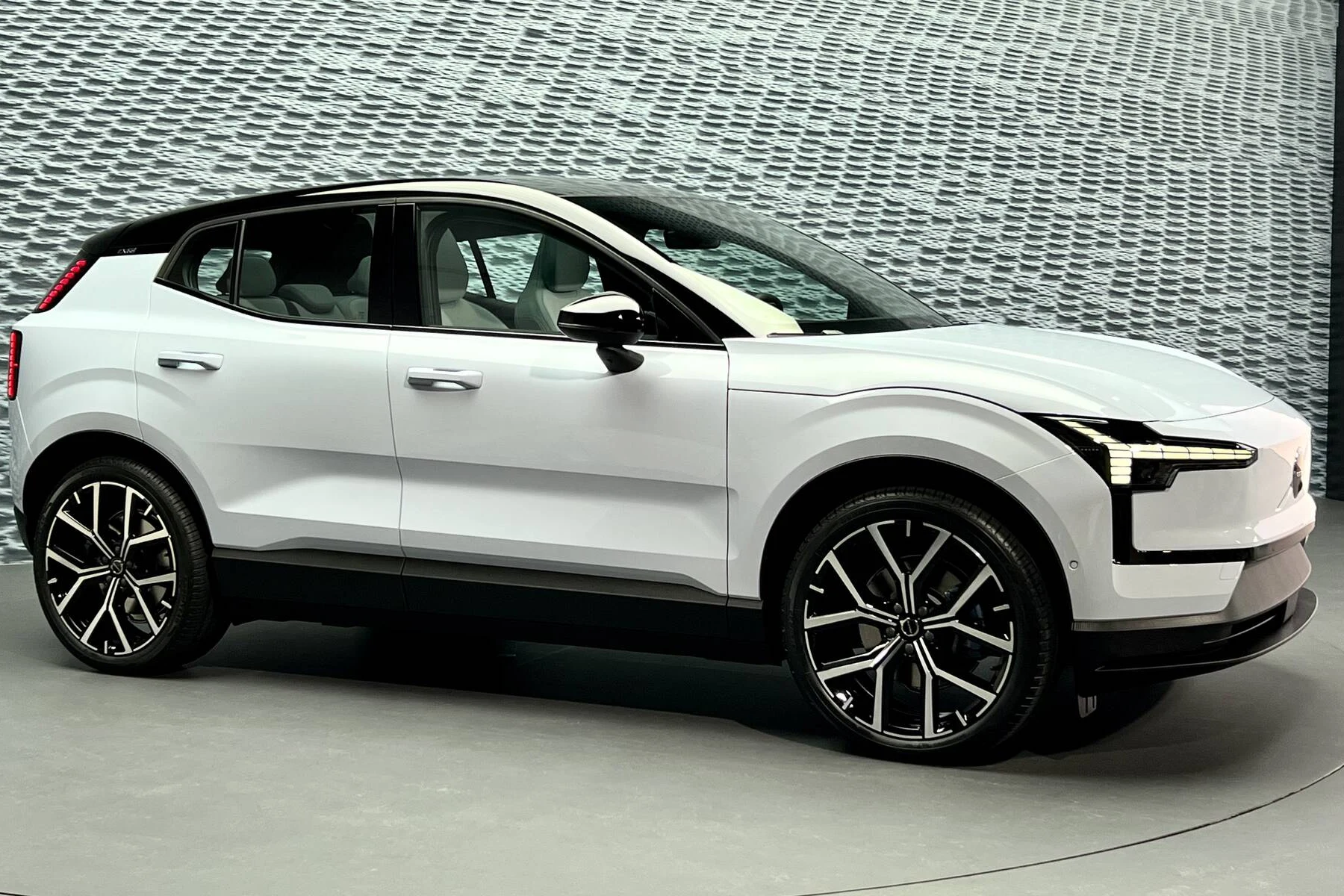
Structural protection is a Volvo hallmark, with extensive use of high-strength and boron steels, energy-absorbing seat frames and WHIPS for rear-impact protection. Side-impact protection (SIPS) and careful compatibility with child seats are long-term priorities.
Availability still varies by model and year. Features like rear AEB, advanced intersection AEB, driver monitoring cameras, or center airbags may be standard on some Volvos and optional or absent on others.
Always review the window sticker and build sheet. Differences between a Core, Plus and Ultimate trim can materially alter crash avoidance coverage and headlight performance.
Headlight ratings affect overall IIHS awards. A Volvo trim with “Good” headlights can receive a higher overall designation than an identical car with “Acceptable” lamps. Verify headlight rating by trim before you buy.
For brand-philosophy context and how it translates into equipment choices, see our analysis on whether Volvo cars are still the safest. It explains why some protection is fitted even when rivals make it optional.
Premium competitors often match Volvo’s capability but sometimes require option packages for full pedestrian/cyclist AEB, lane-centering and rear AEB. Driver-monitoring cameras are an area where some rivals push aggressively.
Mainstream leaders, notably Toyota, Honda and Subaru, deliver broad standard ADAS coverage. In many trims they equal Volvo’s baseline, though tuning, camera placement and software behaviors can differ.
Luxury buyers should watch for package names that sound similar but omit key features. Mainstream buyers should confirm rear occupant reminders, child-seat anchor access and headlight ratings by trim.
In every case, test how the alerts behave, how configurable they are, and whether lateral support feels natural rather than “tuggy” or late.
Volvo Pros and Cons
- Strong baseline ADAS coverage across many trims.
- Emphasis on crashworthiness and occupant protection.
- Clear, conservative tuning of driver assistance.
- Consistent philosophy across the lineup.
- Certain advanced features vary by model/year.
- Repair/calibration for sensors can be costly.
- Some rivals lead in driver-monitoring sophistication.
Other Modern Cars Pros and Cons
- Mainstream brands offer robust standard ADAS.
- Some luxury rivals excel in specific IIHS protocols.
- Innovative driver monitoring and hands-free systems on select models.
- Key features may require pricey packages.
- Headlight and rear-seat protection can vary by trim.
- Behavioral tuning may be more intrusive or inconsistent.
Independent tests and evidence: IIHS and NHTSA results compared
Across recent years, many Volvos achieve strong IIHS and NHTSA results when matched to class and year. Rivals in the same classes frequently score similarly high, with differences emerging in updated protocols, headlights and rear-seat metrics.
Focus on the IIHS updated moderate overlap (rear occupant), small overlap tests, and pedestrian AEB at night. For NHTSA, review overall and sub-scores plus advanced driver assistance NCAP information as available.
Not every trim earns the same headlight rating. A single letter on a VIN can shift a car from “Good” to “Acceptable,” altering awards and visibility at night.
If a model transitions platforms mid-cycle, re-check both agencies. Assumptions from the prior year may no longer hold.
Use the exact IIHS page for the model year and body style you’re buying, then check the NHTSA VIN lookup for star ratings and recall status. Do not generalize across years or trims.
For historical contrasts that explain why modern results look different, see how old Volvo vs new car crash outcomes diverge—especially in side and small-overlap impacts.
Real-world crash strengths, limits and when systems may not work
Volvo’s conservative tuning helps avoid nuisance alerts, but any brand’s sensors can struggle with heavy rain, glare, dirty lenses or occluded pedestrians. Nighttime, high-speed cross traffic and complex intersections remain challenging for most systems.
Mass and geometry still matter. A heavier, taller vehicle can transfer more energy in multi-vehicle crashes, while smaller vehicles benefit most from avoidance, restraint use and speed management.
Over-reliance is a risk. Lane centering is driver support, not automation. Keep your hands on the wheel, eyes up and speed appropriate for conditions.
Secure child seats carefully. Ease-of-use differences in anchors and belt routing can change outcomes as much as star ratings or awards.
After a minor hit, some cars auto-hold brakes to prevent secondary impacts. If warning lights appear or ADAS behaves oddly post-crash or windshield swap, schedule calibration before resuming highway driving.
Ownership costs: calibration, subscriptions and repair implications
Camera and radar calibration after windshield replacement, bumper repair or suspension work can run from a few hundred to over a thousand dollars depending on the brand and procedure. Plan for that in insurance and maintenance budgets.
Parking sensors, rear AEB and 360° cameras add value but can raise repair costs for corners and tailgates. Ask the shop about OEM procedures and targets—for Volvo and rivals alike—before authorizing repairs.
Connected services may be required for automatic SOS calling or cloud features. Safety behaviors can improve with OTA updates, but availability and scope differ by platform and subscription.
Confirm: windshield calibration policy and price, bumper radar paint rules, insurance coverage for ADAS recalibration, and whether critical safety updates require an active data plan.
Best for families, older drivers, commuters and tech‑focused buyers
Families who want high baseline protection without decoding packages will likely lean Volvo or mainstream safety leaders. Tech-focused buyers may find cutting-edge driver monitoring or hands-free features on select rivals compelling.
Older drivers often prefer calmer alert tuning and strong headlights, while heavy commuters should weigh lane centering smoothness and traffic-jam performance. The final call depends on your seating needs, routes and the exact trim’s features.
On your test drive, reproduce your commute. Evaluate alerts, night visibility and lane-centering smoothness. Bring your child seats and a second adult to check rear LATCH access and belt geometry.
Night test headlights, try AEB demonstrations in dealer-approved settings, verify blind-spot alerts with a follow car, and check driver-monitoring prompts with sunglasses and at dusk.
How to Decide Between Volvo and Other Cars for Crash Safety
Use this action plan to make a safety-first decision without guesswork. It balances lab results with your real-world needs and the equipment on the actual car you’ll buy.
- Match class and year. Compare your shortlist by the same vehicle class and model year across IIHS and NHTSA pages.
- Fix your priorities. Rank front vs rear-occupant protection, nighttime pedestrian AEB and headlight performance.
- Map features to trims. Identify which trims of each vehicle actually include your must-have features.
- Validate with a test drive. Replicate your commute, night conditions and parking scenarios.
- Price the whole picture. Include calibration, insurance and subscription costs alongside purchase price.
How to verify the exact safety equipment on a specific vehicle
Even within one model line, features can swing by trim, package or mid-year change. Verifying the VIN prevents surprises and ensures tests apply to your car.
- Check the Monroney. Confirm AEB with VRU detection, lane centering, rear AEB, driver monitoring and headlight type by code.
- Run the VIN on the OEM site. Download the build sheet and equipment list; save a PDF for your records.
- Inspect physically. Look for windshield camera modules, radar covers, rear radar zones and the correct headlamp units.
- Confirm agency ratings. Cross-check IIHS headlight and small-overlap notes for your trim; review NHTSA VIN lookup for stars and recalls.
- Scan settings in-car. Ensure menus show the features you expect and that they’re configurable and working.
U.S.-spec vehicles can differ from Canadian or EU trims. Always verify the VIN’s country spec, build month and packages before assuming a test result or feature list applies.
Before the FAQs, one more practical reminder. Evidence matters more than marketing names, and your roads and passengers are unique.
💡 Evans Torres Tip: Don’t stop at awards. Pull the IIHS detailed report for each crash mode and read the footnotes on airbags, child-seat anchors and headlights. Then sit in both vehicles with your usual passengers and gear, and confirm you can enable, disable and fine-tune each assist feature quickly.
Frequently Asked Questions
These answers address the most common things shoppers ask after seeing top safety awards on multiple brands. They clarify how different tests work, what “standard” really means, and where real-world factors can outweigh lab differences.
Are Volvos safer than other cars in every crash?
No brand is safest in every crash. Recent Volvos often score very well in IIHS and NHTSA testing, but rivals can lead in specific protocols or trims. Your outcome depends on size, speed, restraints and whether your exact vehicle has the tested equipment.
Which tests matter most for families?
Focus on IIHS updated moderate overlap (rear occupant protection), small overlap tests, head restraint/seat ratings and headlight performance. Confirm LATCH ease-of-use for your child seats. For NHTSA, review overall and frontal/side sub-scores plus any ADAS notes.
Do all Volvos have standard AEB with pedestrian detection?
Recent U.S.-market Volvos generally include forward AEB standard, with vulnerable road user detection widely available. Confirm your model year and trim, as scope and naming can vary, especially for intersection and cyclist features.
How do mainstream brands compare on standard safety?
Mainstream leaders like Toyota, Honda and Subaru often include robust AEB and lane support standard. Differences emerge in rear AEB, driver monitoring, headlights by trim and the fine-tuning of alerts and steering support.
What real-world limits should I know about ADAS?
Performance can degrade with rain, fog, dirt, glare and occluded pedestrians. Intersection scenarios and high-speed cross traffic remain challenging. Driver support is not self-driving—hands, eyes and attention are still mandatory.
Will repairs after a minor crash affect safety systems?
Yes. Windshield and bumper repairs can require camera/radar calibration. Skipping calibration may reduce system performance. Ask your shop about OEM procedures and verify no warning lights remain before highway use.
Does vehicle size still matter if both cars have top ratings?
Yes. Physics still applies. Larger, heavier vehicles may offer advantages in multi-vehicle impacts, while smaller vehicles can benefit from superior avoidance and restraint use. Drive within conditions and prioritize the features you actually have.
Where can I learn more about Volvo crash behavior?
For single-vehicle dynamics and model-specific context, see our detailed Volvo vs car crash breakdown. It complements this cross-brand safety comparison.
Final Verdict
If you want high baseline active safety and proven structural protection without decoding multiple packages, a modern Volvo is a strong, low-friction choice. The brand’s philosophy makes it easier to land core features on mainstream trims.
If you prize a specific metric—like rear-occupant protection under the latest IIHS update, or a leading-edge driver monitoring camera—shortlist rival models that excel in those niches. Some luxury and mainstream competitors match or exceed Volvo in targeted areas.
Your best outcome comes from matching class and year, verifying the VIN’s exact equipment and validating behavior on your own routes. Awards narrow the field; trim-level facts and a careful test drive make the decision.
Combine lab results with real-world fit: your passengers, your seats, your roads. That’s how a great safety choice becomes your safest choice.
My Top Picks at a Glance
These three Volvo accessories are practical options to compare after choosing the right Volvo configuration.
 Best Overall
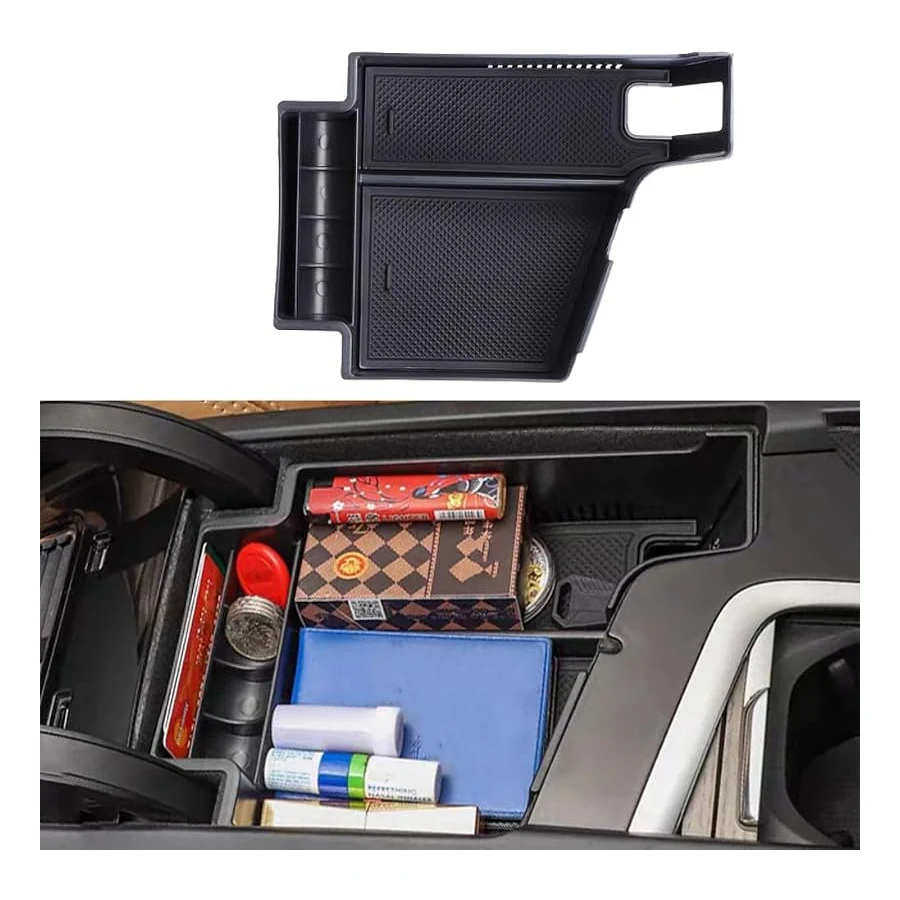
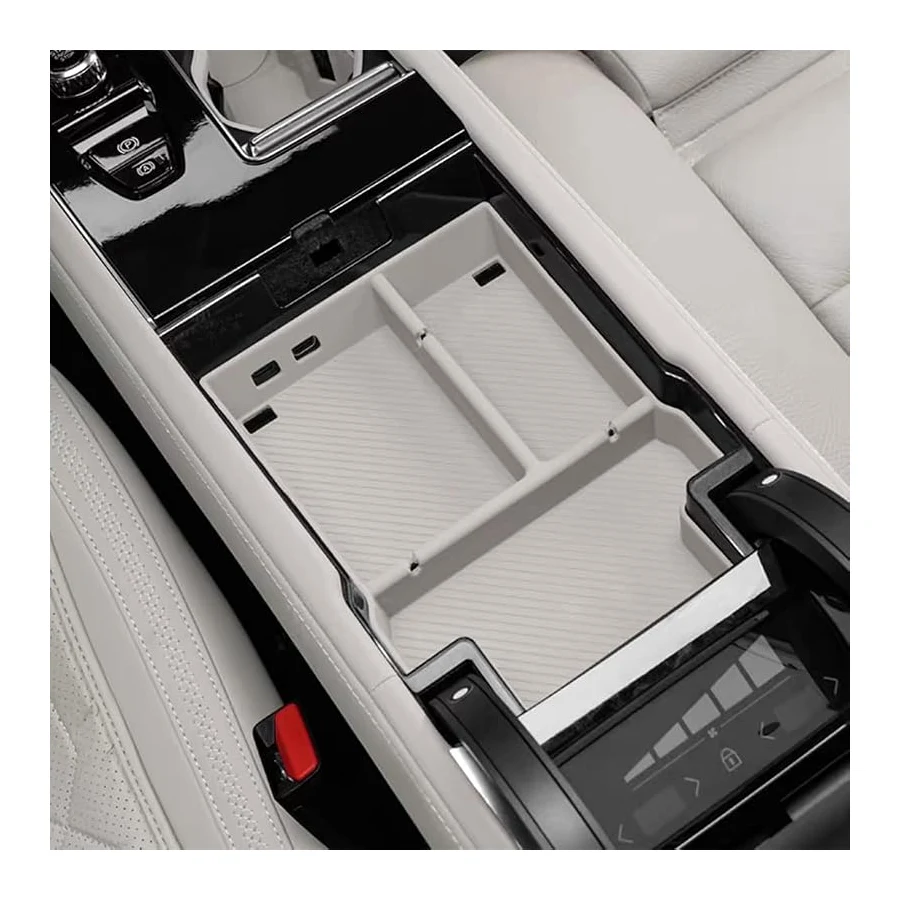
Center Console Organizer Tray for Volvo XC60 (2018-2026), XC90/S60/S90/V60/V90 (2015-2026), Armrest Storage
A vehicle-fit accessory to compare for compatibility, daily usefulness, and value.
 Best Value
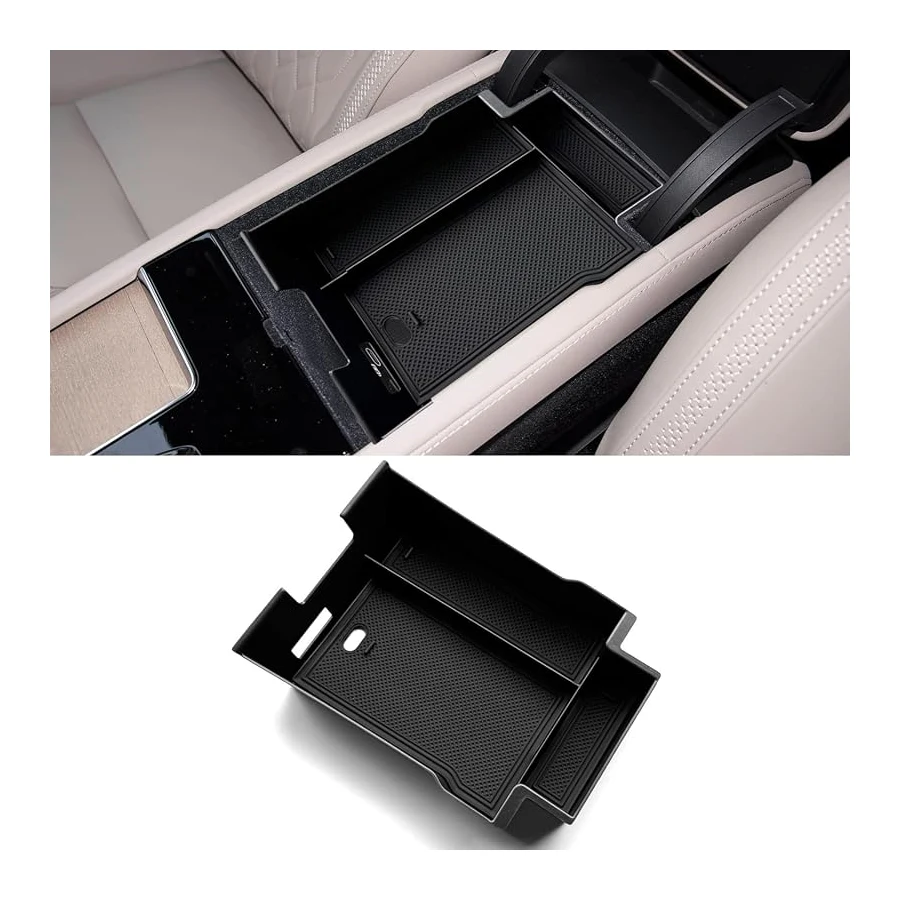
Center Console Organizer Tray for 2026 Volvo XC90, Custom Armrest Storage Box, Keeps Essentials Tidy
A vehicle-fit accessory to compare for compatibility, daily usefulness, and value.
 Best Premium Option
ABS Center Console Organizer Tray for 2026 Volvo XC90, Armrest Storage Box, Easy to Clean
A vehicle-fit accessory to compare for compatibility, daily usefulness, and value.
Sources and Methodology
This U.S.-market comparison focuses on 2024–2026 model years where features and protocols are reasonably comparable. We prioritized official manufacturer specifications, IIHS and NHTSA test data and recognized safety research. Because equipment varies by trim and production date, always verify the specific VIN and agency pages for your vehicle. Headlight and rear-seat metrics are trim-sensitive. Data reviewed and context verified August 2026.
Author

Author

Evans Torres
I’m Evans Torres, an automotive engineer who loves Volvo cars. I graduated in Automotive Engineering from USC. I have worked in the car industry for years and now share my knowledge on The Volvo Life. I started this blog to connect with other Volvo fans. I offer tips, news, and advice to help you care for your car. My goal is to help you keep your Volvo in great shape and find all the best things about it. Join me as we discover everything Volvo has to offer!