


In the volvo vs german cars debate, choose Volvo if you prioritize standard safety tech, calm Scandinavian design and value-focused trims; choose German brands (Audi, BMW, Mercedes-Benz) if you want sharper performance options, broader dealer footprints and bespoke configurations. Volvo fits family-first buyers and early EV adopters seeking simplicity and driver-assist consistency. German marques suit enthusiasts, frequent travelers and shoppers who want more powertrain variety and customized luxury.
Volvo and the top German premium brands often land on the same shopping list, yet they approach safety, performance and ownership in different ways. That makes your priorities—not internet myths—the deciding factor.
This guide focuses on current U.S.-market lineups and late-model used options, translating crash-test data, powertrain choices, software ecosystems and service realities into plain-English buyer outcomes. We’ll also touch on electrification and charging, since many 2026 shoppers will weigh an EV or PHEV against a traditional gas model.
By the end, you’ll know where Volvo clearly leads, where German brands justify their price, and how to choose confidently without overpaying for features you won’t use.
- Main difference: Volvo emphasizes standardized safety and serene comfort; German brands emphasize breadth—more powertrains, performance options and trim personalization.
- Best for A: Volvo suits safety-first families, tech minimalists and EV shoppers who want simple packaging and calm ride/handling.
- Best for B: German brands suit driving enthusiasts, frequent fliers seeking dense dealer networks, and buyers wanting bespoke configurations.
- Cost/value: Volvo trims often include more driver aids for the price; German rivals may cost more to match features but can retain value in performance variants.
- Important caveat: “German cars” are not one product—Audi, BMW and Mercedes-Benz differ materially in tuning, packaging and long-term costs.
You want robust crash protection, consistent driver aids and a quiet cabin. Volvo’s standardization and seat comfort help daily peace of mind.
You prioritize throttle response, chassis feel and track-capable variants. German brands offer broader power and suspension choices.
You’re considering a home charger, want intuitive tech and easy road‑trip charging. Volvo’s clear EV roadmap and simple trims keep decisions easy.
Scope of Volvo vs German Cars — market, years and body styles
This comparison covers U.S.-market Volvo Cars against the German premium set buyers most often cross-shop: Audi, BMW and Mercedes-Benz. Porsche and Volkswagen are noted when helpful, but they play different roles for most Volvo shoppers.
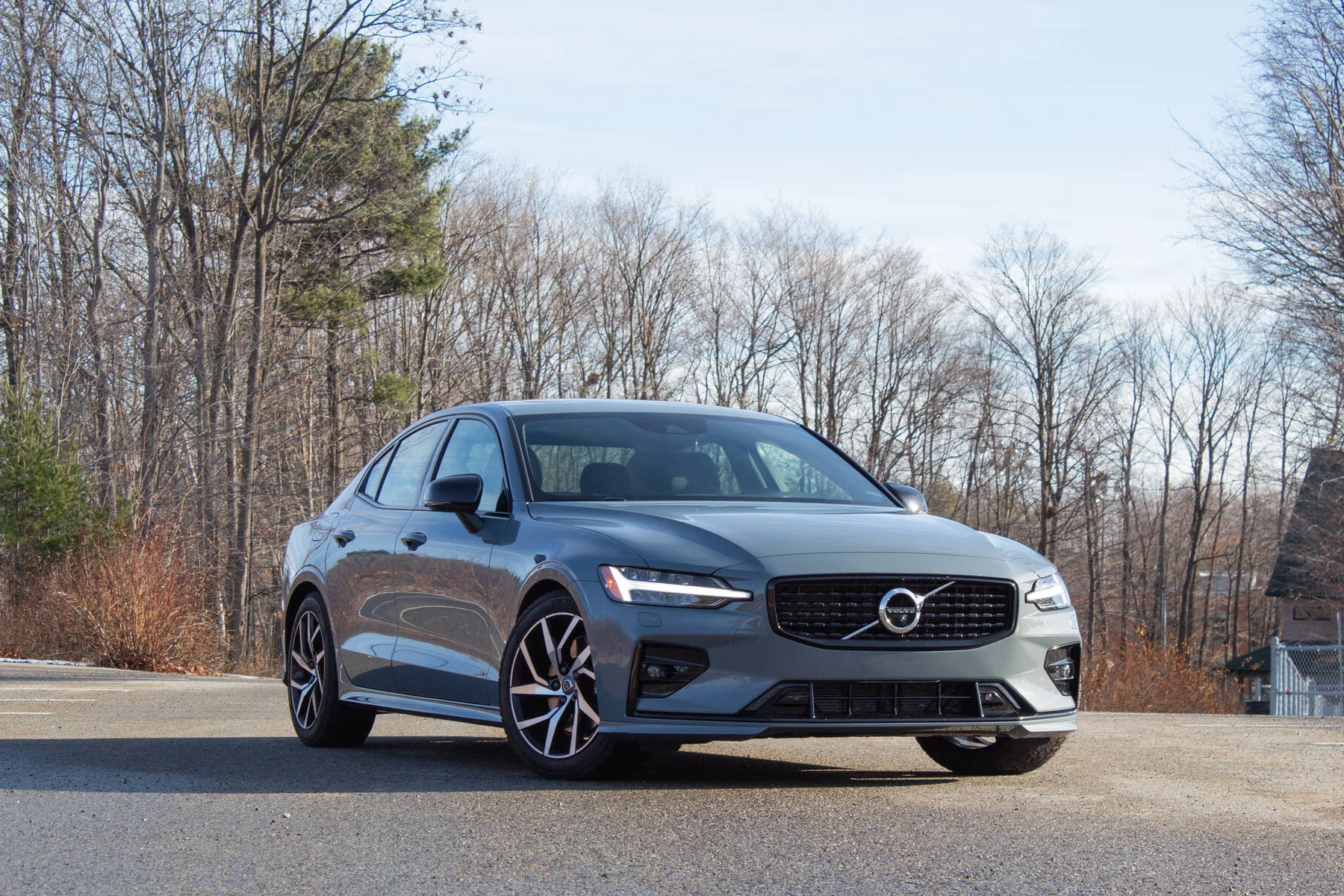
We focus on compact to full-size SUVs and sedans/wagons from model years 2021–2026. That includes new vehicles and late-model used examples where reliability, depreciation and feature changes affect value.
Performance models are acknowledged, but this is a daily-driver buyer’s guide. We translate specs and tests into comfort, safety and cost outcomes relevant to families and commuters.
If you’re choosing between specific models, treat this as a brand‑level map. Then validate details against trims, engines and test protocols before you buy or lease.
Confirm model year, engine, drivetrain and safety package names before comparing. Mid‑cycle refreshes often change standard equipment, driver‑assist features and EPA ratings within the same generation.
Volvo and German competitors at a glance — positioning and quick facts
At a high level, Volvo streamlines choices and emphasizes standard safety, while German brands offer greater performance variety and customization. The trade-off is simplicity versus breadth.
Before diving deep, the table below summarizes brand-level tendencies commonly encountered by U.S. buyers. It is directional, not a substitute for trim-by-trim checks.
Use it to pinpoint which areas deserve your test-drive time, option budgeting and warranty scrutiny. Then verify with official specs for your exact configuration.
| Attribute | Volvo Cars | German Premium (Audi/BMW/Mercedes) |
|---|---|---|
| Safety approach | Highly standardized advanced driver aids and protective structure emphasis | Strong crash performance; packaging of driver aids varies by brand and trim |
| Driving character | Comfort‑first tuning with balanced, secure handling | Broader spread from comfort to sport; more track‑capable variants |
| Powertrain mix | Turbo mild‑hybrids, efficient plug‑in hybrids, expanding EV lineup | Wide range of gas, diesel (non‑U.S.), MHEV/PHEV and multiple EV nameplates |
| Infotainment/UX | Clean UI with Google built‑in on many models; safety‑biased alerts | Diverse systems by brand; rich features with steeper learning curves |
| Warranty | Competitive premium coverage; roadside assistance included | Similar basic coverage; maintenance/coverage varies by brand and plan |
| Dealer/service | Smaller network; strong remote/concierge options in many markets | Generally denser networks and extended hours in large metros |
| Pricing/value | Feature‑rich trims that reduce options stacking | More à la carte options; can price higher when features are added |
| EV charging | NACS adoption in North America with Supercharger access plans announced | Brand‑specific strategies; growing NACS integration and adapters |
| Signature feel | Calm, safe, minimalist luxury | Dynamic, brand‑distinct personalities across Audi/BMW/Mercedes |
For comfort-first buyers, Volvo’s standardization can reduce decision fatigue and sticker creep. For enthusiasts, German brands’ performance ladders and adaptive chassis options can justify higher MSRPs when used and maintained wisely.
Volvo Cars Pros and Cons
These points reflect common outcomes U.S. buyers report when cross‑shopping Volvo against German premium brands. Always validate at the trim level because packaging and mid‑cycle updates can shift the balance quickly.
Prioritize what matters to your household—safety consistency, daily comfort and EV charging are areas where Volvo frequently aligns with family-first goals.
- Consistent safety and driver‑assist availability across trims
- Quiet, supportive seats and calm ride quality
- Straightforward packaging reduces option‑creep
- Strong plug‑in hybrid efficiency and growing EV lineup
- Fewer high‑performance variants and track‑tuned packages
- Smaller U.S. dealer network than major German rivals
- Infotainment simplicity may feel less customizable to power users
German Premium (Audi/BMW/Mercedes) Pros and Cons
“German cars” are not one product; Audi, BMW and Mercedes-Benz tune vehicles differently and package features their own way. The strengths below are typical for the set, not every trim.
Enthusiast powertrains and dense service coverage can win for frequent travelers, but feature parity may require option packages and higher running costs.
- Broad performance spectrum with potent engine options
- Extensive dealer/service availability in major metros
- Highly configurable interiors and luxury features
- Feature parity may require costly packages
- Stiffer ride and tire costs on sport trims
- Complex tech stacks with steeper learning curves
Brand positioning, engineering priorities and comparable model lineup
Volvo positions itself as safety‑led, serene luxury with efficient powertrains and minimalist design. Audi, BMW and Mercedes span broader personas: tech‑forward quiet confidence, sport‑centric dynamics and opulent comfort, respectively.
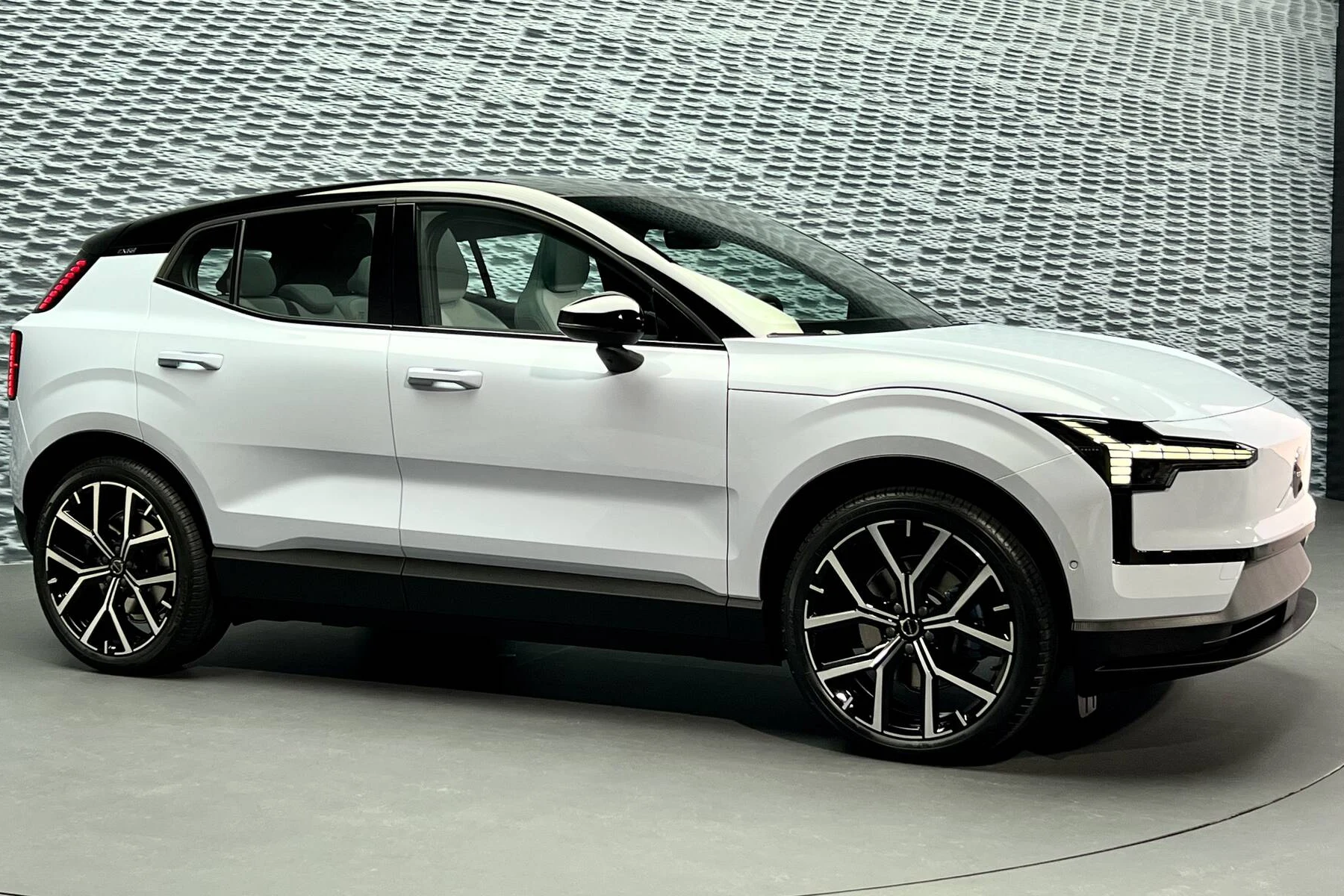
In SUVs, think Volvo XC40/EX40 vs Audi Q3/Q4, BMW X1/X3 and Mercedes GLA/GLC; XC60 vs Q5, X3 and GLC; XC90/EX90 vs Q7/Q8, X5/X7 and GLE/GLS. Sedans/wagons line up similarly in compact and midsize classes.
Engineering priorities differ. Volvo optimizes occupant protection, ergonomic seats and smooth power delivery. German rivals broaden choices—adaptive suspensions, multiple output levels and bespoke packages.
If you value a defined brand feel, both camps deliver. Choose Volvo for consistent calm; choose German marques if you want more ways to tune the driving personality to your taste.
Safety philosophy and real-world evidence: Volvo vs German brands
Both camps achieve high safety marks, but Volvo leans into standardized driver aids and structural protection as brand pillars. German models test well too, though advanced features may be packaged differently by brand and trim.
IIHS and NHTSA ratings provide comparable, U.S.‑specific evidence when matched by model year and body style. Many Volvo SUVs and German competitors earn top ratings; differences often come down to headlights, crash‑avoidance scoring and option availability.
Active safety usability matters. Volvo’s alerting style and lane support are tuned for low distraction; German brands may permit more customization or driver engagement in equivalent systems.
If safety is your deciding factor, compare scores and see how systems behave in traffic and at night. Human‑factors tuning can change everyday confidence.
- Match agency (IIHS vs NHTSA), model year and trim lighting before comparing.
- Confirm whether advanced driver aids are standard or bundled in an option package.
- Test alerts at night and in stop‑and‑go traffic to assess distraction levels.
For a deeper dive on Volvo’s safety approach versus the field, see our explainer: Are Volvo cars still the safest?
Performance and driving character: comfort-first vs breadth and bite
Volvo favors composed, quiet progress with secure handling, while German brands offer a wider range—from relaxed cruisers to sharp, high‑output variants. Your priorities dictate which feel is “better.”
If your commute is pockmarked city streets and long freeway runs, Volvo’s suspension tuning and seat design excel. If you enjoy back roads or prioritize swift passing power, BMW M Sport, Audi S/RS and Mercedes AMG ladders bring sharper responses and stronger brakes and tires.
Plug‑in hybrids and EVs narrow the gap. Instant torque gives many Volvos and German rivals strong real‑world speed without constant engine noise.
On test drives, focus on steering weight, brake modulation and ride noise over broken pavement. Those cues reveal brand philosophy more than 0–60 claims.
- Drive the same loop and tire type; sport tires can mask ride differences.
- Toggle drive modes twice, then leave in default to judge daily livability.
- Measure cabin noise with a smartphone app at 65 mph on the same road.
Interior design, comfort, technology and infotainment
Volvo’s cabin ethos is minimalist, bright and calming, prioritizing seat ergonomics and intuitive, safety‑biased UI. German rivals provide richer customization—ambient lighting palettes, seat contour adjustability and brand‑specific tech flourishes.
Volvo’s Google built‑in approach on many models simplifies navigation and voice control. Audi’s MMI, BMW iDrive and Mercedes MBUX deliver deep feature sets, sometimes with steeper learning curves and more touch/gesture layers.
Materials are premium either way, but presentation differs. Volvo limits gloss and visual clutter; German cabins can feel more theatrical, especially in performance lines.
Try both at night. Glare management, head‑up display readability and voice assistant accuracy can be the tie‑breakers on long drives.
Seat comfort is a long‑term ownership differentiator. A 10‑minute sit feels similar across brands, but lumbar shape, thigh support and headrest angle over an hour can influence fatigue and perceived safety.
Reliability, warranty, dealer access and maintenance costs
None of these brands is universally “more reliable.” Outcomes vary by model year, engine family and maintenance diligence. Warranty terms are similar at a headline level; differences emerge in complimentary service and extended plan pricing.
German performance trims can carry higher wear‑item costs—tires, brakes and alignment—especially on staggered fitments. Volvo’s comfort‑oriented tires and brake tuning may run less over 36–60 months if you avoid aggressive driving.
Dealer density typically favors German brands in large metros, but many Volvo retailers offer strong pickup/loaner programs. For rural buyers, map travel time for warranty work before you commit.
Budget for inspections and software updates. Modern driver‑assist and infotainment stacks benefit from timely firmware and sensor calibration across all brands.
- Price tires and brake jobs by size and brand—20–22″ setups swing totals fast.
- Ask for a 5‑year service menu printout, not just the first visit.
- Quote extended coverage and roadside with deductible details before signing.
Curious about upkeep patterns and budgeting? Start with our guide: Is Volvo expensive to maintain?
Resale value, used-car considerations and electrification strategy
Depreciation depends on segment, options and mileage. Performance‑label variants can hold value in German lineups, while well‑equipped Volvos with clean records are strong used buys for safety‑first shoppers.
For electrification, Volvo publicly targets a fully electric lineup by 2030, with growing U.S. EV availability and a straightforward PHEV strategy. German brands offer numerous EVs but differ on naming, packaging and performance emphasis.
Charging matters for road trips. Volvo and many German brands have announced North American Charging Standard (NACS) integration and/or adapters, improving access to large DC fast‑charging networks.
Used EVs and PHEVs require careful battery and charging‑history checks. Confirm software update eligibility and DC charging performance before purchase.
Connector standards are converging. Even if your 2024–2025 EV shipped with a CCS port, brand‑supplied NACS adapters and future port changes can expand fast‑charger access without replacing the vehicle.
For practical charging access details, see our explainer: Can Volvo cars use Tesla Superchargers?
Where Volvo is stronger than German competitors
Volvo tends to win on standardized safety features, seat comfort and a calmer daily driving experience. Trim strategies often minimize option stacking, improving feature‑adjusted value.
Volvo’s plug‑in hybrids and growing EV lineup provide efficient commuting with simple UI, which benefits drivers who want electric miles without complicated drive modes. Alerting and assist systems are tuned for low distraction, aiding long‑term comfort.
For shoppers who dislike bargaining over packages, Volvo’s “what you see is what you live with” approach reduces decision fatigue. That clarity can also help on the used market.
If you’re buying for a household and plan to keep the car beyond the warranty, Volvo’s comfort‑centric wear profile can keep running costs predictable.
German brands generally offer broader powertrain ladders and dynamically focused variants. If you want stiffer suspensions, larger brakes and track‑capable cooling, Audi S/RS, BMW M Performance/M and Mercedes AMG lines are hard to beat.
Dealer network density and extended hours often favor German marques in major metros. That can matter for frequent travelers or owners who need same‑day service options.
Cabin customization is also a strength. Multi‑contour seating, advanced ambient lighting and brand‑specific tech features allow a more bespoke feel if you enjoy tailoring details.
On the used market, enthusiast‑spec trims can retain value, offsetting higher initial prices if maintained and documented carefully.
Best choice by buyer type — Volvo vs German cars
Match your choice to lived reality, not just spec sheets. The matrix below frames typical buyer priorities we see in 2026 U.S. shopping.
If two priorities tie, drive both styles on the same route, tires and day. Your ears, back and hands will tell you more than numbers.
How to Decide Between Volvo and German Brands in five steps
Clarity comes from structured comparisons, not spec overload. Use these steps to make an apples‑to‑apples decision for your roads, budget and time.
Document results the same day to avoid memory bias, and confirm feature packaging before you finalize pricing.
- Define your top three outcomes: safety ease, ride comfort, or driving excitement. Rank them and stick to the list during test drives.
- Build feature‑matched trims online, then print equipment sheets. Bring them to dealers to prevent feature creep during quotes.
- Drive the same route on the same day. Keep default drive modes and similar tire types to compare noise and compliance honestly.
- Total the 5‑year cost: insurance, tires/brakes, service menus and expected depreciation for your mileage.
- Sleep on it and re‑rank priorities after two commutes. If your back or ears complain, believe them.
One more thing before the FAQs: many buyers overweight 0–60 and underweight seat ergonomics and ride noise. Flip that emphasis for higher daily satisfaction.
💡 Evans Torres Tip: Bring a small checklist for night drives: headlight cutoff clarity, glare on glossy trim, head‑up display visibility and voice assistant accuracy at highway speeds. Record quick voice notes after each drive. Those human‑factors differences—more than lap times—predict how happy you’ll be at month 18.
Frequently Asked Questions
Volvo and German premium brands both deliver strong safety, luxury and tech, but they serve different buyer priorities. The FAQs below target the most common decision hurdles U.S. shoppers face in 2026—safety evidence, reliability expectations, running costs, EV charging and used‑car pitfalls.
Match each answer to your exact trim and model year, since packaging and software updates can shift the balance within a single generation.
Are Volvos safer than German cars?
Both camps earn high IIHS and NHTSA scores when compared by model year and segment. Volvo emphasizes standardized driver aids and human‑factors tuning to lower distraction.
German models often match crash performance, but advanced features can be optional by brand or trim. Check ratings, headlights and driver‑assist packaging line by line before deciding.
Which is more reliable long-term: Volvo or German brands?
No brand wins across every engine and year. Reliability depends on drivetrain family, software maturity and maintenance quality. Late‑model mild‑hybrid and PHEV systems have improved across the board.
Focus on documented service, TSB/recall completion and common wear items for your wheel/tire size. A well‑maintained car from either camp can be a solid long‑term buy.
Do German cars cost more to maintain than Volvo?
It varies by trim, tire size and driving style. Performance‑oriented German variants often carry higher tire and brake costs, while Volvo’s comfort focus can moderate wear if you avoid aggressive driving.
Compare dealer menus and parts pricing for your wheel size and brake package. Extended coverage and prepaid maintenance plans differ significantly by brand.
Which drives better: Volvo or German rivals?
If you define “better” as quiet comfort and low‑stress commuting, Volvo often wins. If you want sharper responses and multiple performance steps, German brands typically offer more choices.
Test identical routes and tire types. Steering feel, brake modulation and ride noise will surface your true preference faster than spec sheets.
How do Volvo EVs and PHEVs compare to German options?
Volvo targets simple UI and efficient electric miles with a clear path to full electrification by 2030. German brands offer a wider EV spectrum, including high‑performance variants.
Road‑trip charging is converging as NACS access expands. Verify adapter timelines and DC fast‑charging rates for your exact model year before committing.
Are Volvo interiors as luxurious as German interiors?
They are differently luxurious. Volvo favors minimalist design, natural materials and superb seats. German brands emphasize customization—ambient lighting, seat contouring and dramatic trim options.
Sit for at least 20 minutes and test night lighting to judge fatigue and glare. Comfort perceptions vary more than photos suggest.
Which holds value better: Volvo or German brands?
It depends on segment and trim. Enthusiast‑grade German variants can retain value, while well‑equipped Volvos appeal strongly to safety‑first used buyers.
Check third‑party valuations for your ZIP and mileage, and avoid over‑optioning beyond what your market pays for at resale.
Can Volvos use Tesla Superchargers like some German EVs?
Volvo has announced NACS adoption and Supercharger access plans in North America, with details varying by model year and adapter availability.
German brands are also transitioning toward NACS. Confirm connector type, adapter timelines and billing integration before a long‑range EV purchase.
Final Verdict
If your top priorities are standardized safety, quiet comfort, supportive seats and a straightforward path into electrification, Volvo is the cleaner decision. You’ll likely spend less time option‑hunting and still get the features that matter daily.
If you want deeper performance benches, denser dealer access and the ability to tailor suspensions, brakes and cabins, the German premium trio (Audi/BMW/Mercedes) justifies its price and complexity—especially in enthusiast‑spec trims that can hold value.
Match your lifestyle, roads and budget, then test both philosophies on the same loop and tires. Your back, ears and confidence behind the wheel—and a clear 5‑year cost plan—should carry the vote.
My Top Picks at a Glance
These three Volvo accessories are practical options to compare after choosing the right Volvo configuration.
 Best Overall
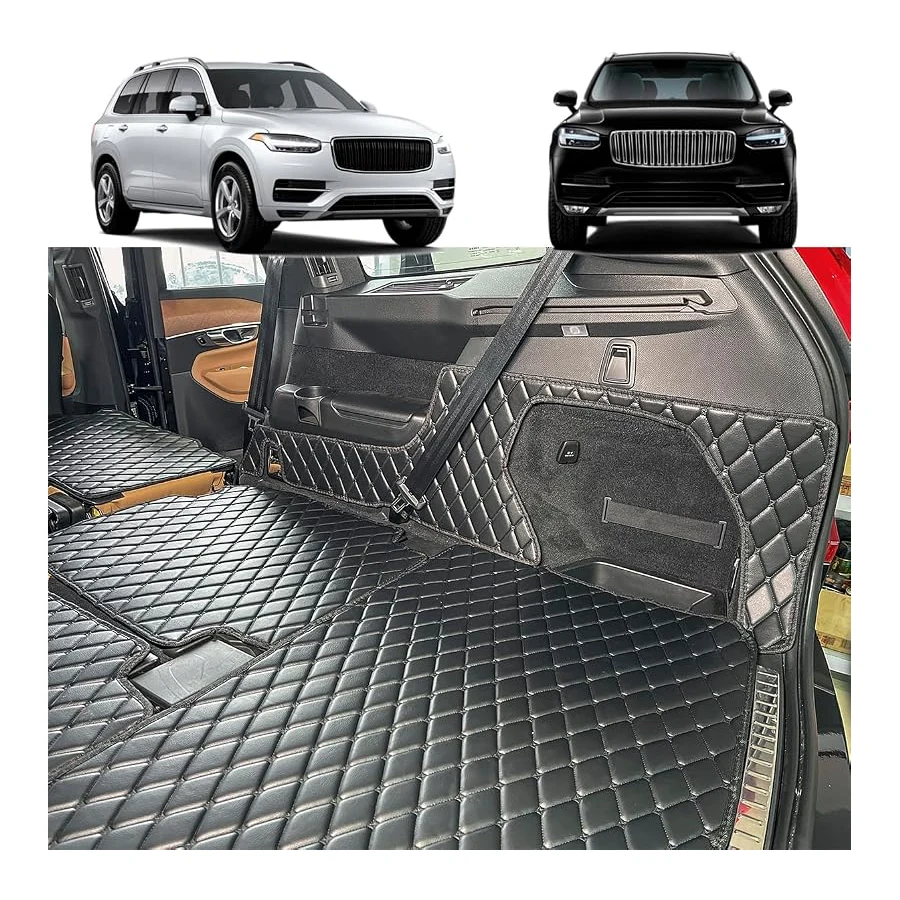
Custom-fit Volvo XC90 cargo mat 2016-2025, with left/right side panel liners, all-weather, waterproof, durable.
A vehicle-fit accessory to compare for compatibility, daily usefulness, and value.
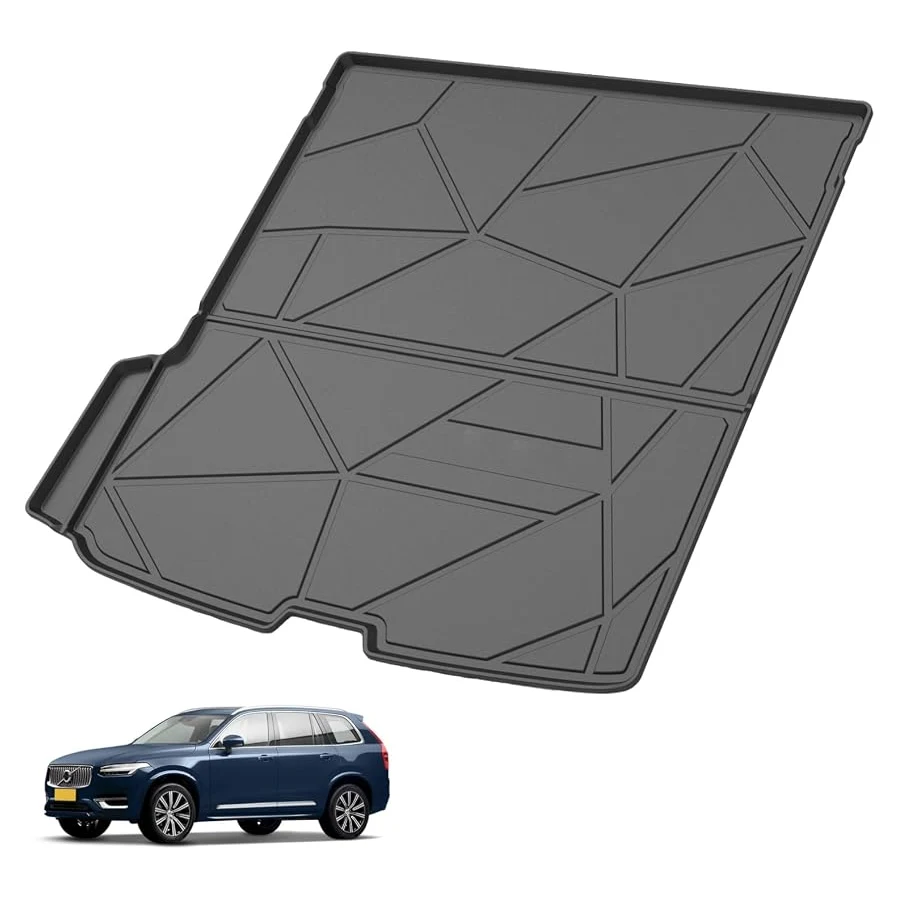 Best Value
Elsetyler custom-fit cargo liner for Volvo XC90 2016-2026, black TPE, all-weather, heavy-duty, waterproof, easy-clean.
A vehicle-fit accessory to compare for compatibility, daily usefulness, and value.
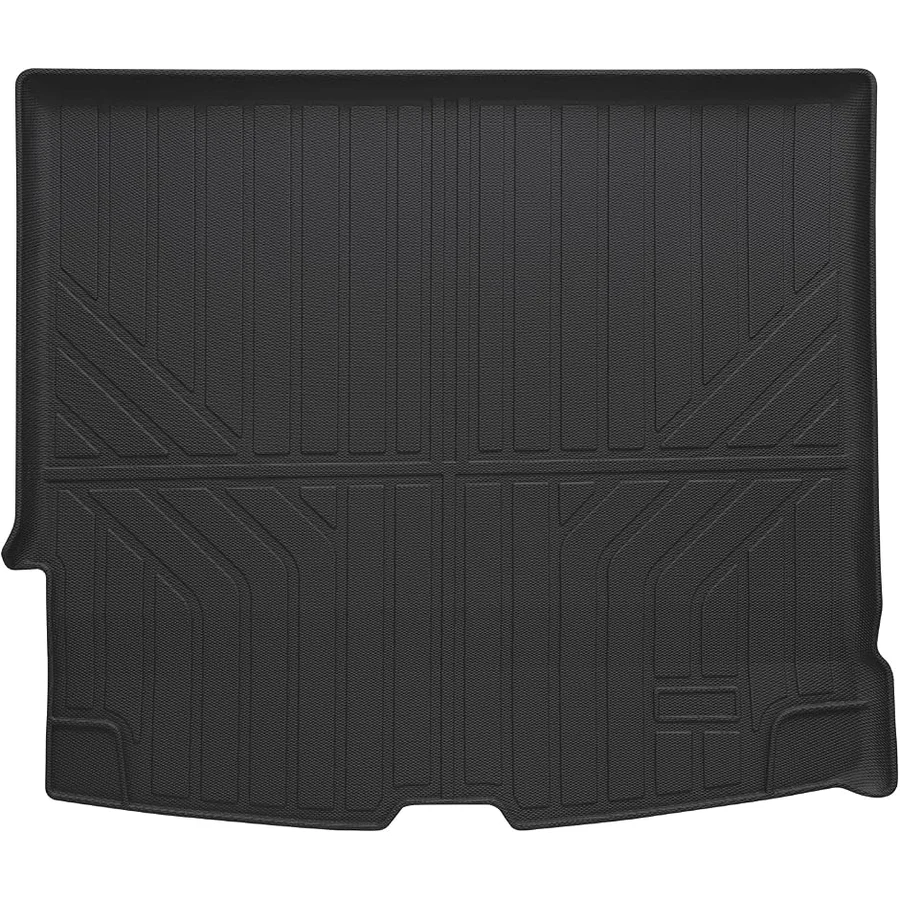 Best Premium Option
All-weather TPE cargo liner for Volvo XC60 2018-2026, waterproof, anti-slip, easy to clean, durable.
A vehicle-fit accessory to compare for compatibility, daily usefulness, and value.
Sources and Methodology
This U.S. comparison covers model years 2021–2026, focusing on mainstream Volvo SUVs/sedans and cross‑shopped German premium rivals (Audi, BMW, Mercedes‑Benz). We prioritized official manufacturer specifications, IIHS and NHTSA safety results, and EPA data where model‑year and trim alignment allowed apples‑to‑apples comparisons. Because packaging and mid‑cycle updates change equipment, readers should verify trim‑level features, headlights and assist systems before concluding.
- IIHS — Vehicle ratings and test protocols
- NHTSA — 5‑Star Safety Ratings
- U.S. EPA — Fuel Economy and Energy Impact data
- Volvo Cars — Official press releases (including charging/NACS announcements)
Verified August 2026. Where precise, trim‑matched numbers were unavailable across brands, we provided qualitative guidance and buyer implications rather than estimates.
Author

Author

Evans Torres
I’m Evans Torres, an automotive engineer who loves Volvo cars. I graduated in Automotive Engineering from USC. I have worked in the car industry for years and now share my knowledge on The Volvo Life. I started this blog to connect with other Volvo fans. I offer tips, news, and advice to help you care for your car. My goal is to help you keep your Volvo in great shape and find all the best things about it. Join me as we discover everything Volvo has to offer!