


In the volvo vs volvo cars comparison, “Volvo” refers to AB Volvo (Volvo Group) making trucks, buses and equipment, while “Volvo Cars” builds consumer SUVs and sedans. Volvo serves fleets and industries with commercial vehicles and services, whereas Volvo Cars serves household buyers with safety-focused luxury vehicles and EVs.
Choose Volvo if you need heavy-duty capability, fleet financing and telematics. Choose Volvo Cars if you want a premium daily driver with IIHS/NHTSA-tested safety and consumer warranties.
Searchers often type “Volvo” when they mean the passenger-car brand, but legally and operationally Volvo and Volvo Cars are separate companies. They share the Volvo name and iron-mark logo via a joint trademark arrangement, yet they serve different customers and sell different products.
This guide untangles ownership, product lineups, safety testing, warranties, service networks and U.S. market realities. If you simply want the luxury SUVs and EVs, you’re looking for Volvo Cars.
For a deeper corporate primer, see our plain-English explainer on the difference between Volvo Group and Volvo Cars, and our quick-read on Volvo AB vs Volvo Cars.
- Main difference: Volvo (AB Volvo/Volvo Group) makes commercial vehicles and equipment; Volvo Cars sells consumer SUVs and cars.
- Best for A: Volvo is best for freight, municipal, construction and marine buyers needing heavy-duty capability and fleet services.
- Best for B: Volvo Cars suits families and commuters wanting luxury, advanced driver assistance and U.S.-validated safety tests.
- Cost/value: Volvo focuses on total cost of ownership and uptime; Volvo Cars emphasizes MSRP, features and consumer warranty value.
- Important caveat: They share a brand but not dealers, warranties, diagnostics or safety test regimes in the U.S.
You spec heavy trucks, buses or equipment and care about uptime, telematics, financing and residuals across multi-year duty cycles.
You want a safe, comfortable SUV or EV with modern infotainment, consumer-friendly warranty and accessible U.S. dealer support.
You’re weighing a light-duty van/truck lease against a premium SUV for mixed work–life duties and need clarity on service networks.
Are Volvo and Volvo Cars direct competitors?
No. Volvo and Volvo Cars operate in different industries and do not sell competing products in the U.S. market. Volvo focuses on commercial vehicles and equipment, while Volvo Cars sells consumer automobiles.
Volvo (AB Volvo/Volvo Group) includes brands like Volvo Trucks, Mack Trucks, Renault Trucks, Volvo Construction Equipment and Volvo Penta. Its customers are freight carriers, municipalities, construction firms and marine operators.
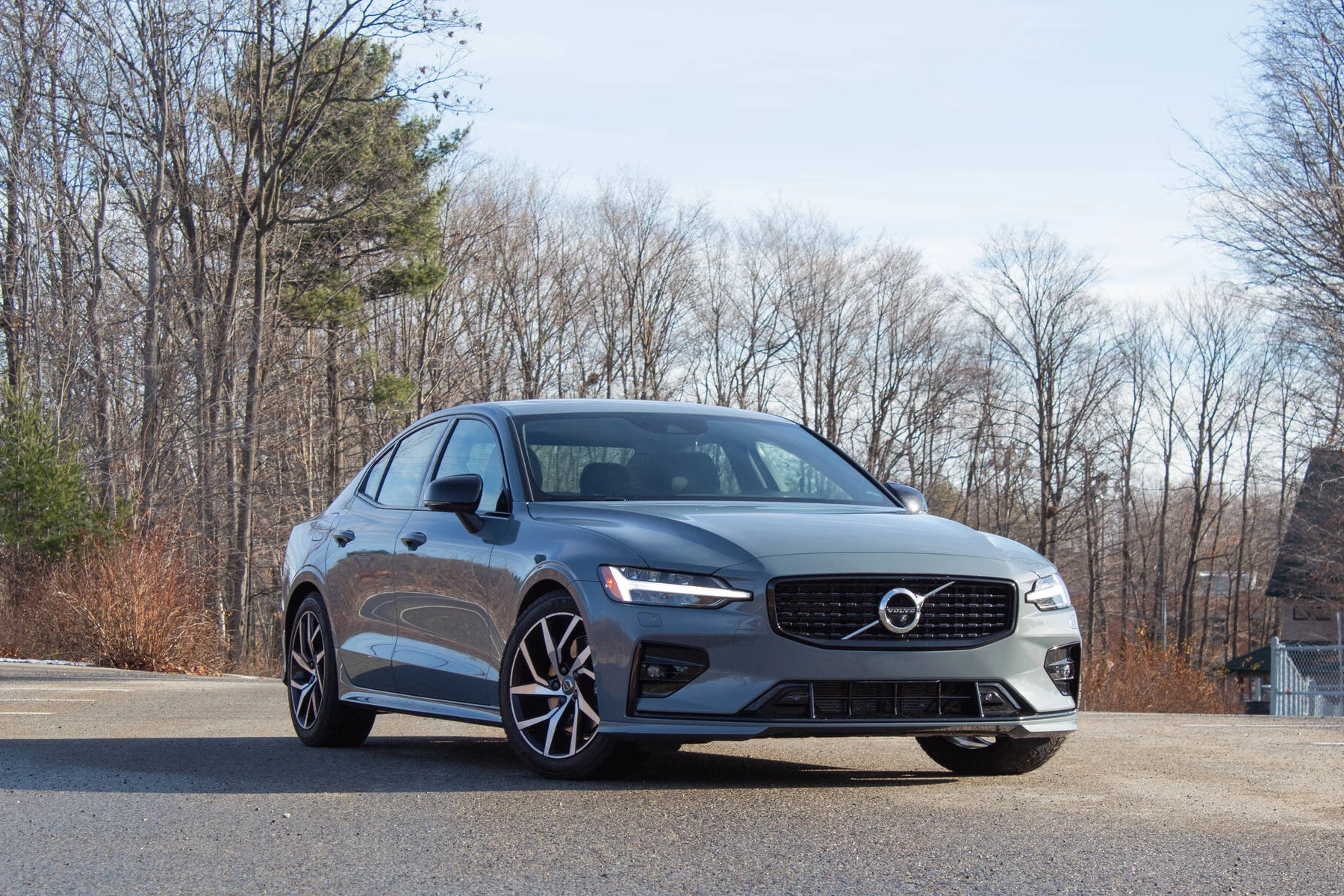
Volvo Cars, majority owned by Zhejiang Geely Holding, is a separate automaker producing luxury SUVs, sedans and EVs for household buyers. It runs its own retail network, consumer warranties and financing in the U.S.
Both share the Volvo name through a joint trademark framework, but their showrooms, service tools, warranties, safety tests and regulatory obligations are distinct.
At-a-glance comparison: Volvo vs Volvo Cars
The table below clarifies who owns what, what each side sells, how safety is validated, and what U.S. buyers can expect for support and warranties. It’s designed to help you route your inquiry to the right company before you compare specific models or sign contracts.
Because data types differ, we emphasize governance, channels and standards instead of forcing apples-to-apples specs. Use this as your map to the correct dealer, service tool and warranty policy in the U.S.
| Decision point | Volvo | Volvo Cars |
|---|---|---|
| Corporate identity | AB Volvo (Volvo Group) | Volvo Car Corporation (Volvo Cars) |
| Primary products | Heavy trucks, buses, construction equipment, marine/industrial power | Consumer SUVs, sedans and EVs |
| Ownership | Public company headquartered in Gothenburg, Sweden | Majority owned by Zhejiang Geely Holding; listed in Sweden |
| Brand stewardship | Shares the Volvo brand via Volvo Trademark Holding AB | Shares the Volvo brand via Volvo Trademark Holding AB |
| U.S. sales channel | Commercial dealer network (e.g., Volvo Trucks dealers) | Consumer retailers/franchised dealers |
| U.S. manufacturing examples | Volvo Trucks (Dublin, VA); Volvo CE (Shippensburg, PA) | Volvo Cars (Ridgeville, SC; selected models/years) |
| Typical buyers | Fleets, municipalities, construction and marine operators | Households and retail lessees |
| Safety validation | FMVSS compliance; commercial ADAS offerings; no IIHS passenger tests | IIHS/NHTSA-tested passenger vehicles; advanced ADAS standard/optional |
| Powertrains & fuels | Diesel, natural gas, battery-electric (select trucks/equipment) | Gas, hybrid, plug-in hybrid and battery-electric models |
| Charging/connector (U.S.) | Battery-electric trucks use CCS or depot solutions (varies by spec) | EVs support CCS/SAE and are adopting NACS on compatible models |
| Warranty baseline | Commercial warranties vary by component and duty cycle | New-car limited warranty and separate battery warranty for EVs (U.S.) |
| Financing | Volvo Financial Services (fleet/commercial) | Volvo Car Financial Services (consumer) |
| Diagnostics & tools | Commercial service tools via authorized networks | Consumer diagnostics via Volvo Cars retailers and approved tools |
| Connected services | Fleet telematics and uptime/remote diagnostics | App-based vehicle control and over-the-air updates (model-dependent) |
| Emissions compliance | EPA/CARB for heavy-duty engines and vehicles | EPA/CARB for light-duty passenger vehicles |
| Typical price context | Spec- and duty-driven, negotiated fleet pricing | MSRP/lease terms; consumer incentives and finance offers |
| Resale marketplace | Fleet auctions, commercial dealers, private sales | Franchise dealers, certified pre-owned, retail marketplaces |
| U.S. consumer focus | Not a consumer car brand | Yes — luxury passenger vehicles |
If you’re a household shopper, your path is Volvo Cars. If you run assets for work, you’ll be dealing with Volvo through commercial channels and specifications.
Before you research specs, confirm you’re in the right catalog: Volvo for commercial VINs, build codes and dealer networks, and Volvo Cars for consumer trims, options and warranties. Mixing them will slow quotes, parts lookups and finance approvals.
Main differences between Volvo and Volvo Cars
The biggest split is customer type and product. Volvo builds for work — freight, people-moving, construction, marine and industrial — with uptime, payload and duty cycle driving decisions.
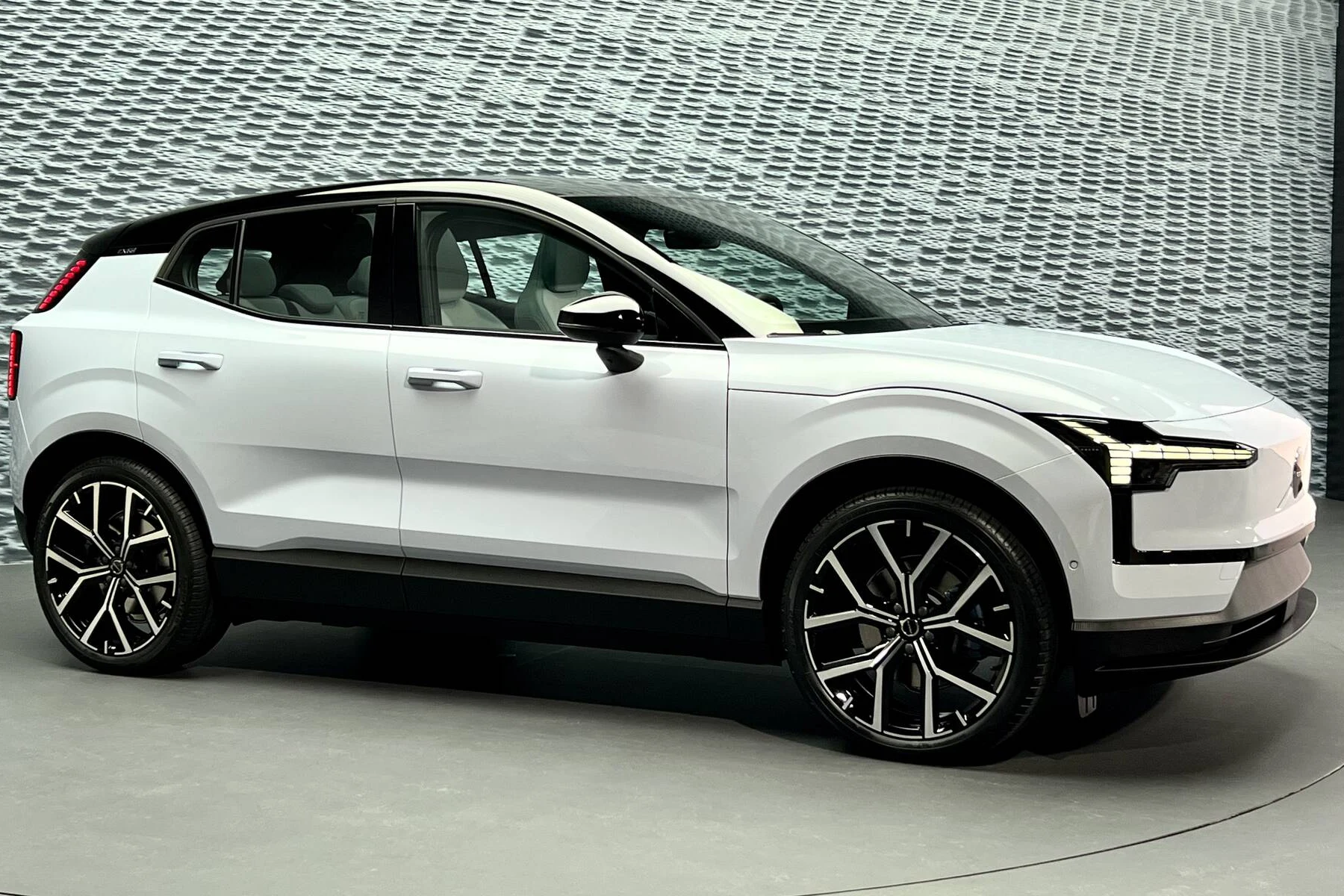
Volvo Cars builds for life — comfort, safety, infotainment and design — with MSRP, lease terms and consumer features driving decisions. Its U.S. lineup includes luxury SUVs and EVs.
Governance differs too. Ownership, financing, dealer tools, warranty policies and safety testing are all separate despite the shared brand.
Where Volvo and Volvo Cars overlap
Both promote safety and sustainability, investing in driver-assistance and electrification. Each uses the Volvo name and iron mark under a shared trademark entity.
Both also operate globally with U.S. footprints, but their plants, standards and customer support programs are distinct.
The Volvo name and logo are managed through a joint trademark company. That’s why you see the same iron mark on a semi-truck grille and on a family SUV — even though sales, service tools and warranties are entirely separate.
Price, comparable trims and feature-adjusted value: Volvo vs Volvo Cars
There is no trim-to-trim rivalry here. Volvo pricing is spec-driven and negotiated around duty cycle, payload, telematics, financing terms and uptime guarantees.
Volvo Cars pricing is consumer-facing with MSRP, options and packages. Value is judged by features per dollar, warranty coverage, safety ratings and resale strength in the luxury market.
The practical takeaway is to measure total cost of ownership for Volvo, and feature-adjusted MSRP/lease value for Volvo Cars. That keeps decisions evidence-based for each domain.
Size, seating, cargo and everyday practicality: Volvo vs Volvo Cars
Volvo cabs and equipment are built around long-haul comfort, visibility, storage for tools and logbooks, and sleeper options. Practicality is measured in uptime and ergonomics for multi-hour shifts.
Volvo Cars optimizes daily living. Seats, cargo areas and car-seat anchors, along with cabin storage and easy-loading cargo floors, shape everyday usability for families and commuters.
If your use case is school runs and Costco, Volvo Cars is the right channel. If it’s axle loads and trailer clearance, Volvo is your lane.
Interior comfort, visibility and cabin usability: Volvo vs Volvo Cars
Modern Volvo truck cabs emphasize commanding sightlines, multi-adjustable air seats, robust HVAC and low-glare switchgear for fatigue reduction. Materials prioritize durability and cleanability.
Volvo Cars leans into minimalist Scandinavian design with supportive seats, quiet cabins and high perceived quality. Touchpoints, lighting and storage are tuned for passenger comfort rather than industrial durability.
Compare cabins the right way: for Volvo, schedule a dealer demo with your real route profile and drivers. For Volvo Cars, do back-to-back test drives including a highway loop, a tight-parking maneuver and a full child-seat install to validate visibility and ergonomics.
Infotainment, controls and technology: Volvo vs Volvo Cars
Volvo integrates commercial ADAS, fleet telematics, over-the-air support for certain platforms and driver coaching tools. Interfaces favor physical controls and modular add-ons for vocational needs.
Volvo Cars uses modern infotainment with app integration, voice control and over-the-air updates on supported models. Many newer vehicles run a Google-based system with native navigation and app support.
Again, the goals diverge: uptime and analytics for Volvo, consumer convenience and content for Volvo Cars.
Safety and driver assistance: Volvo vs Volvo Cars
Volvo safety is validated through commercial standards, including FMVSS compliance for heavy vehicles and optional collision-mitigation systems, adaptive cruise and lane-departure aids. There is no IIHS passenger-car crash rating for heavy trucks.
Volvo Cars is evaluated by U.S. consumer agencies such as IIHS and NHTSA, with many models historically earning strong ratings. Advanced driver-assistance features like automatic emergency braking and lane-keeping are standard or optional depending on trim and year.
For families, those public crash-test results are a critical comparison point. For fleets, validated uptime and ADAS performance on actual routes matter most.
Match agency to product: use IIHS/NHTSA for Volvo Cars models across the same model years, and use FMVSS compliance, fleet ADAS documentation and insurance/loss histories for Volvo commercial assets. Mixing standards leads to false conclusions.
Performance, ride, handling and drivetrain: Volvo vs Volvo Cars
Volvo performance is defined by torque curves, gear ratios, GCWR, braking systems and hill-start/retarder capability. Ride quality is tuned for long-haul stability and load control.
Volvo Cars emphasizes smooth power delivery, quietness and predictable handling for comfort and confidence. Hybrids and EVs provide strong off-the-line response and near-silent cruising.
It’s not about “which is faster,” but whether the platform is engineered for payload or passengers.
Fuel economy, EV efficiency or range: Volvo vs Volvo Cars
Volvo measures efficiency in MPG for heavy-duty duty cycles and offers battery-electric options for specific urban/regional routes. Real-world results hinge on loads, routes and charging strategy.
Volvo Cars lists EPA MPG/MPGe and estimated range for EVs, making apples-to-apples showroom comparisons easier. Many recent Volvo Cars EVs in North America support the Tesla-developed NACS standard on compatible model years alongside CCS.
If you’re planning public charging, validate connector compatibility, adapter timelines and on-route charger availability before you sign.
Reliability, known issues and evidence level: Volvo vs Volvo Cars
Volvo reliability is judged by fleet uptime, service intervals, parts availability and telematics-reported fault frequencies. Data tends to live in fleet reports and total-cost models rather than consumer surveys.
Volvo Cars reliability is tracked by owner surveys, warranty claims and model-specific campaigns. Evidence includes manufacturer communications, recalls and large-sample independent studies.
Always check model-year specifics; reputations can shift with platform updates and software changes.
Maintenance, insurance, depreciation and total ownership cost: Volvo vs Volvo Cars
Volvo cost of ownership leans on preventive maintenance, negotiated parts pricing, driver training, fuel strategy and telematics-driven downtime reduction. Insurance is commercial and highly usage-based.
Volvo Cars maintenance follows consumer schedules, with warranty coverage and dealer service plans available. Insurance is personal-line, and depreciation follows luxury-segment norms and model-cycle timing.
For U.S. car shoppers, factory coverage and EV battery warranties can materially shift 3–5 year cost models. For fleets, route engineering and fuel policy often move the needle more than headline MPG.
Car buyer: get an out-the-door quote plus a 5-year insurance and charging/fuel estimate. Fleet buyer: request a lifecycle TCO with telematics assumptions, tire strategy and a downtime allowance. Don’t compare monthly payments without the rest.
Resale strength and day-to-day practicality: Volvo vs Volvo Cars
Volvo remarketing depends on duty history, maintenance records and spec desirability in the secondary market. Clean documentation and mainstream specs usually help residuals.
Volvo Cars resale varies by model cadence, options and market demand. Certified pre-owned programs and documented service history can bolster value.
For manufacturing footprints and sourcing context, see where Volvo Cars are made today as part of your long-term ownership view.
Volvo Pros and Cons
- Purpose-built commercial platforms with fleet-grade ADAS and telematics.
- Negotiated lifecycle value focused on uptime and TCO.
- Broad vocational configurations and dealer support for businesses.
- Not a consumer car brand; no IIHS/NHTSA passenger ratings.
- Complex spec decisions; performance varies with duty cycle.
- Commercial insurance and maintenance planning required.
Volvo Cars Pros and Cons
- Safety-forward luxury vehicles with U.S.-validated crash tests.
- Modern infotainment, refined cabins and available electrified powertrains.
- Consumer warranty coverage and accessible dealer network.
- Premium pricing and insurance relative to mainstream brands.
- Feature and software differences by model year can confuse shoppers.
- EV charging experience depends on regional infrastructure and connector support.
Which vehicle is better for different buyers?
Match the brand to your use case. If you’re hauling, building or powering vessels, you’re in Volvo territory. If you’re commuting, road-tripping or carpooling, Volvo Cars is the right lane.
Below is a decision snapshot to end any lingering confusion and send you to the correct showroom.
Alternatives worth considering
If you meant passenger vehicles, cross-shop Volvo Cars with Audi, BMW, Lexus and Mercedes-Benz to benchmark pricing, features and safety scores. Model-to-model comparisons will be more actionable than brand generalities.
If you meant commercial vehicles, look at Freightliner, International and PACCAR brands for U.S.-available configurations and service footprints. Match spec sheets to your routes and maintenance capabilities.
If you’re EV-focused but brand-flexible, note that Polestar is a separate company closely related to Volvo Cars through shared platforms and technology on some models.
How to Decide Between Volvo and Volvo Cars
- Define your use case. Passenger comfort and consumer financing, or payload, duty cycle and fleet uptime?
- Pick the right dealer network. Consumer retailers for Volvo Cars; commercial dealers for Volvo.
- Choose your standard. Compare IIHS/NHTSA for Volvo Cars; use FMVSS compliance and fleet ADAS documentation for Volvo.
- Build a cost model. MSRP and lease vs. lifecycle TCO with fuel, maintenance, insurance and downtime.
- Validate support. Confirm warranty terms, service intervals, telematics, charging/fueling logistics and parts availability for your ZIP.
If you’re still toggling between corporate and consumer paths, narrow the decision by writing out one real day of use and one worst-case week of use. That usually reveals the right brand.
💡 Evans Torres Tip: When confusion lingers, start with VIN/usage. If you have a VIN and it’s Class 8 or vocational, you’re talking to Volvo commercial. If you’re comparing trim packages, wheel sizes and child-seat fit, you’re in Volvo Cars land. Route to the right dealer first to save hours.
Frequently Asked Questions
This section answers the most common U.S. questions that mix up Volvo and Volvo Cars. Each answer points you toward the correct brand, dealer pathway, warranty logic and safety framework so you can proceed without backtracking.
Are Volvo and Volvo Cars the same company?
No. Volvo (AB Volvo/Volvo Group) is a commercial-vehicle and equipment company. Volvo Cars is a separate passenger-car manufacturer. They share the Volvo name and logo under a trademark arrangement but operate different products, dealers, warranties and support systems.
Who owns Volvo and who owns Volvo Cars?
Volvo (AB Volvo) is a publicly traded Swedish company. Volvo Cars is majority owned by Zhejiang Geely Holding and is also publicly listed in Sweden. They are separate corporate groups despite the shared brand identity.
Can I service a Volvo Cars SUV at a Volvo truck dealer?
No. Volvo truck and equipment dealers are not authorized to service consumer Volvo Cars vehicles. Volvo Cars uses a separate retailer network, consumer diagnostic tools and warranty systems. Always route passenger vehicles to a Volvo Cars retailer.
Do Volvo and Volvo Cars share safety technology?
Both invest in safety, but validation differs. Volvo Cars is tested by IIHS/NHTSA for U.S. consumers. Volvo commercial platforms meet FMVSS heavy-vehicle standards and offer fleet-grade driver-assistance. Cross-applying ratings between domains is not valid.
Are Volvo Cars still made in Sweden?
Some models are made in Sweden, but Volvo Cars builds vehicles in multiple countries to serve global demand. The U.S. has also received models built in South Carolina and Europe, among others. Check the specific model year for plant information on the Monroney label.
Does Volvo Cars support Tesla-style charging connectors?
Many recent Volvo Cars EVs in North America are adopting the NACS connector, with compatibility varying by model year and adapter availability. Always confirm connector support and charging access before purchase if public fast charging is critical to your use.
Can I compare costs between Volvo and Volvo Cars directly?
Not meaningfully. Volvo costs revolve around lifecycle TCO for commercial duty cycles, while Volvo Cars follows consumer MSRP, incentives and personal insurance. Build separate cost models tailored to each domain for an accurate decision.
Where should I start if I only know the word “Volvo”?
If you’re shopping for a family car or EV, you almost certainly need Volvo Cars. If you’re moving freight, people or operating equipment, you need Volvo commercial. When in doubt, call a Volvo Cars retailer for passenger vehicles and a Volvo Trucks dealer for commercial assets.
Final Verdict
In the U.S., Volvo and Volvo Cars share a badge but serve different lives. Volvo is a commercial powerhouse for fleets and operators who value uptime, vocational specs and lifecycle cost. Volvo Cars is a consumer luxury brand built around safety, comfort and increasingly electrified drivetrains.
If your calendar is routes, loads and service bays, start with Volvo and request a TCO model. If your calendar is school runs, commutes and weekend getaways, start with Volvo Cars and compare trims, safety ratings and warranty terms.
When people say “Volvo,” nine times out of ten they mean Volvo Cars — but now you can choose the right path on purpose.
My Top Picks at a Glance
These three Volvo accessories are practical options to compare after choosing the right Volvo configuration.
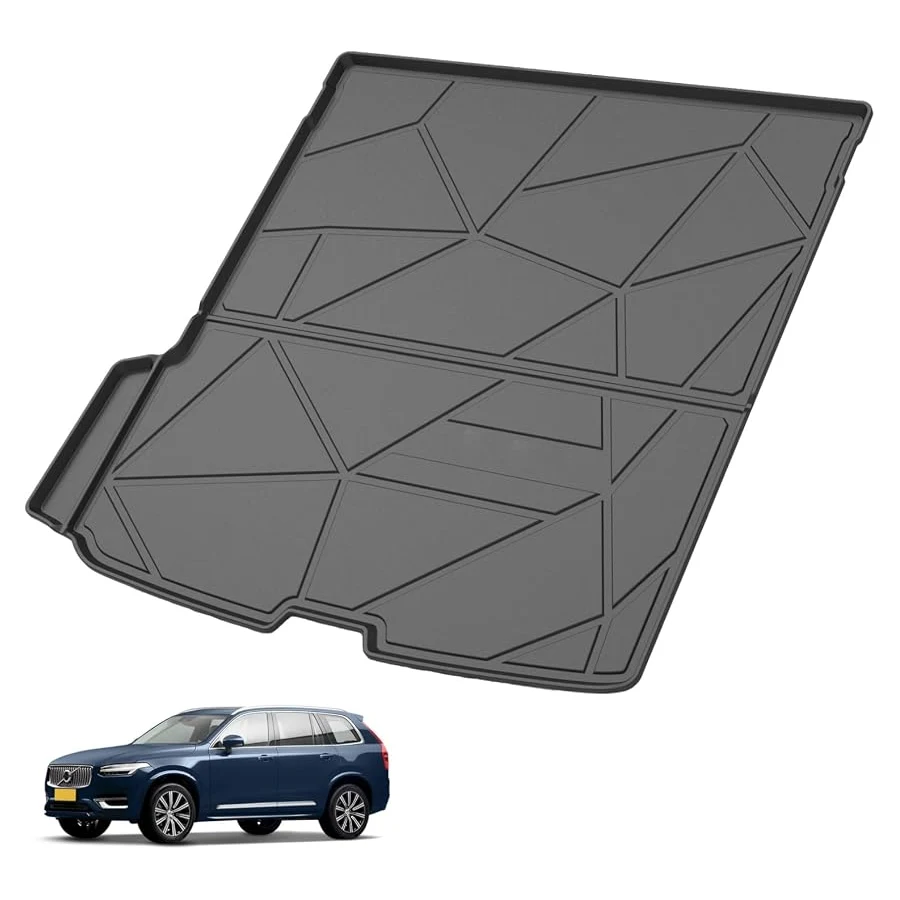 Best Overall
Elsetyler Volvo XC90 Cargo Liner 2016-2026, custom-fit TPE, all-weather, waterproof, heavy-duty, anti-slip, easy-clean protection.
A vehicle-fit accessory to compare for compatibility, daily usefulness, and value.
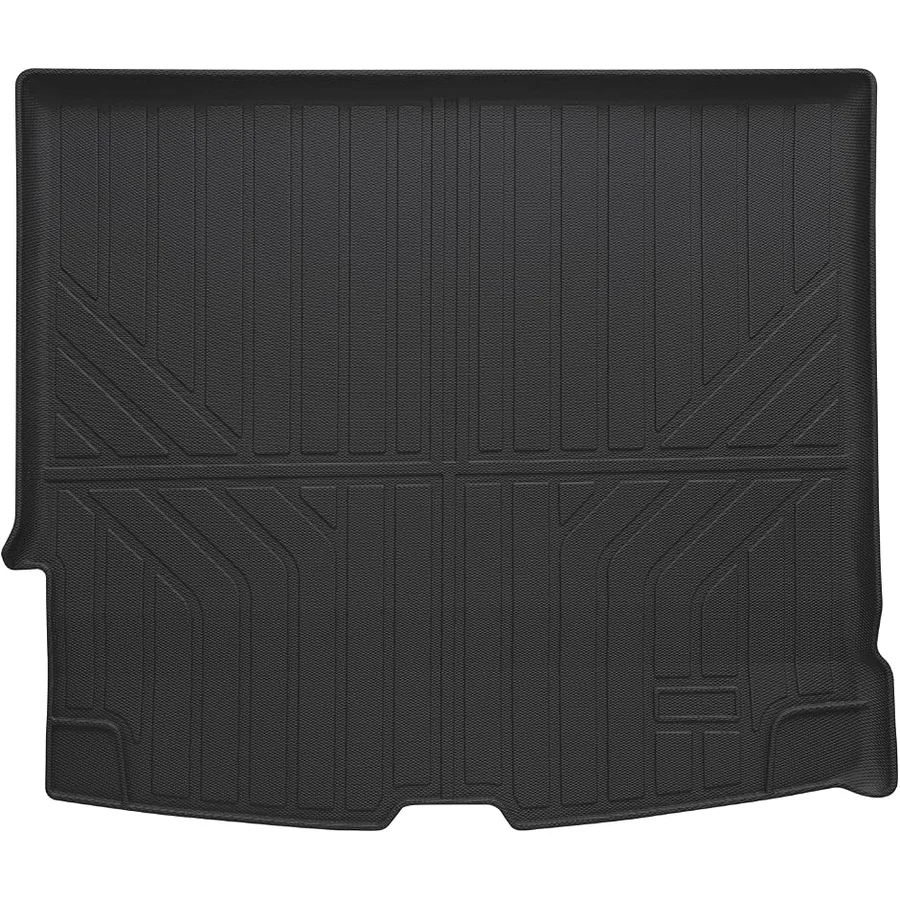 Best Value
Volvo XC60 Cargo Liner 2018-2026, all-weather TPE trunk mat, waterproof, anti-slip, easy to clean.
A vehicle-fit accessory to compare for compatibility, daily usefulness, and value.
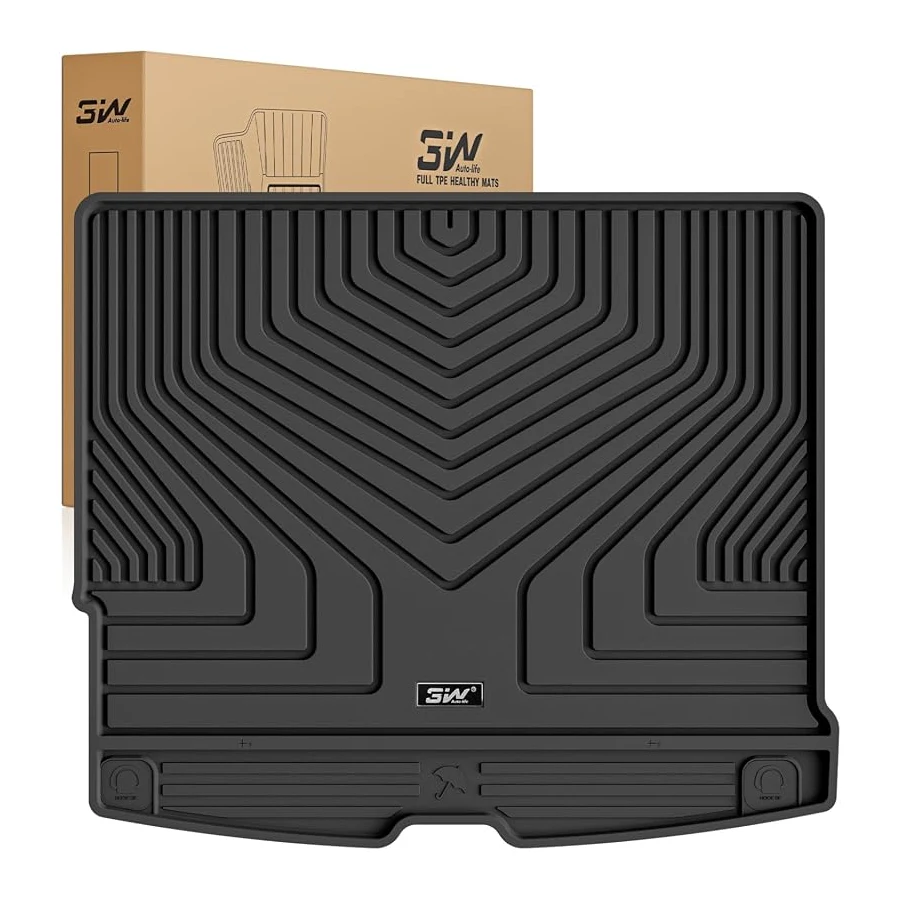 Best Premium Option
3W Volvo XC60 Cargo Liner 2018-2026, custom-fit, all-weather TPE, waterproof, heavy-duty, anti-slip, easy clean.
A vehicle-fit accessory to compare for compatibility, daily usefulness, and value.
Sources and Methodology
This U.S.-market guide covers 2025–2026 lineups and corporate structures as of August 2026. We matched domains rather than forcing spec-to-spec vehicle comparisons. Safety notes reference appropriate agencies: IIHS/NHTSA for passenger cars and FMVSS compliance for heavy vehicles. Electrification and connector details reflect manufacturer communications and U.S. adoption trends. Always verify model-year specifics with an authorized retailer or dealer.
Author

Author

Evans Torres
I’m Evans Torres, an automotive engineer who loves Volvo cars. I graduated in Automotive Engineering from USC. I have worked in the car industry for years and now share my knowledge on The Volvo Life. I started this blog to connect with other Volvo fans. I offer tips, news, and advice to help you care for your car. My goal is to help you keep your Volvo in great shape and find all the best things about it. Join me as we discover everything Volvo has to offer!