

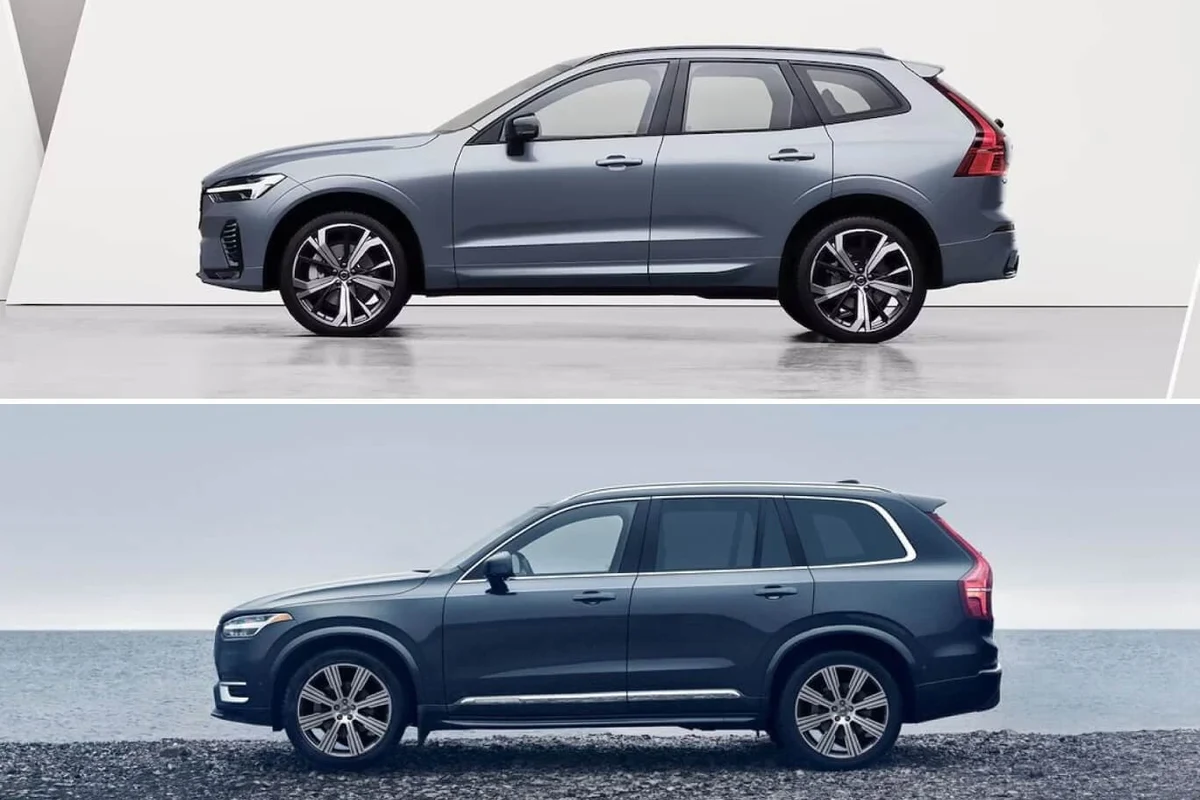
Both the Volvo XC90 and XC60 are popular luxury SUVs, but they serve different purposes and audiences. The XC90, introduced in 2002 and now in its second generation since 2016, is designed for larger families or those needing extra space.
The differences between the Volvo XC90 and XC60 primarily involve size, engine options, and features. The XC90 is larger, offering more space and power, while the XC60 is more compact and efficient, catering to different driving needs.
- Key Specifications Overview of Volvo: Both the Volvo XC90 and XC60 are popular luxury SUVs, but they serve different.
- Comparing Size and Capacity: XC90: Size is one of the most notable differences between the XC90 and XC60..
- Engine Options and Performance Comparison: Understanding the engine options and overall performance is essential as these factors directly influence.
- Trims and Notable Features of: Trim levels and available features can significantly impact the ownership experience, with each model.
- Safety Ratings and Features of: Volvo is renowned for its commitment to safety, and both the XC90 and XC60.
Key Specifications Overview of Volvo XC90 and XC60
Both the Volvo XC90 and XC60 are popular luxury SUVs, but they serve different purposes and audiences. The XC90, introduced in 2002 and now in its second generation since 2016, is designed for larger families or those needing extra space.
The XC60, first launched in 2008 and updated in 2017, targets buyers looking for a more compact SUV without sacrificing luxury or performance.
Key Considerations When Choosing Between the XC90 and XC60
Understanding the differences between the Volvo XC90 and XC60 can help you make an informed decision. Here are some crucial factors to consider: For related context, read difference between 2025 and 2025 5 volvo xc90.
- Passenger Capacity: Determine if you need the XC90’s seven-passenger capacity or if the XC60’s five-passenger seating suffices for your lifestyle.
- Cargo Space: Evaluate your storage needs—XC90 offers over 85 cubic feet of cargo space, compared to the XC60’s maximum of 63.3 cubic feet.
- Engine Options: Consider your preference for power; the XC90 typically has more powerful engine configurations, while the XC60 focuses on efficiency.
- Fuel Efficiency: Assess your fuel cost expectations—XC60 averages 22-30 mpg, while XC90 achieves 20-28 mpg.
- Price Point: Keep in mind the starting prices, with the XC90 beginning around $55,000 and the XC60 starting closer to $43,000, which may impact your budget.
Families needing spacious seating and cargo.
XC90 (2016-present), XC60 (2017-present).
You want a more compact vehicle for city driving.
Comparing Size and Capacity: XC90 vs XC60
Size is one of the most notable differences between the XC90 and XC60. Their dimensions affect interior space, passenger comfort, and cargo capacity, making it crucial for potential buyers to understand these differences.
Dimensions and Interior Space
The XC90 is significantly larger than the XC60. The XC90 measures approximately 195.4 inches in length compared to the XC60’s 184.6 inches.
This size advantage translates into a more spacious interior in the XC90, accommodating up to seven passengers with its optional third row, while the XC60 seats five.
Seating and Cargo Capacity
In terms of seating, the XC90 provides more room and comfort, especially for taller passengers in the third row.
Cargo space also reflects this difference; the XC90 offers around 15.8 cubic feet behind the third row, expanding to over 85 cubic feet with the seats down, while the XC60 provides about 22.4 cubic feet behind the rear seats, with a maximum of 63.3 cubic feet available. You can also use brake pads and rotors replacement cost volvo xc90 as the next practical guide.
Engine Options and Performance Comparison
Understanding the engine options and overall performance is essential as these factors directly influence driving experience, fuel efficiency, and power delivery. For official guidance on this, see Volvo Cars official website.
Powertrains Available by Market
Both models share several engine options, but the XC90 typically offers more powerful configurations. In the U.S.
market, the XC90 features options like the B5, B6, and T8 Recharge plug-in hybrid, while the XC60 offers B5 and B6 options, also including a T8 Recharge variant.
Engine availability can vary by market, so potential buyers should verify specifics with their local dealers.
Fuel Efficiency Ratings
Fuel efficiency also varies between the two models. The XC60 generally has better fuel economy, with EPA ratings averaging around 22-30 mpg depending on the engine and configuration. The XC90, being larger and heavier, typically achieves ratings between 20-28 mpg. For related context, read what is the difference between volvo group and volvo cars.
Verify the engine options and features available for your specific market and model year by checking your VIN on the official Volvo website.
Trims and Notable Features of XC90 and XC60
Trim levels and available features can significantly impact the ownership experience, with each model offering unique options that cater to different preferences.
Available Trims for Each Model
The XC90 offers several trims, including the Momentum, R-Design, and Inscription, each providing varying levels of luxury and technology. The XC60 also has comparable trims: Momentum, R-Design, and Inscription, allowing buyers to choose according to their tastes and budgets.
Technology and Infotainment Systems
Both models are equipped with Volvo’s Sensus infotainment system, featuring large touchscreen displays and smartphone integration. However, the XC90 may include additional features, such as more advanced driver-assistance systems and premium audio options, due to its higher price point. You can also use volvo difference between t5 and t6 as the next practical guide.
Before purchasing, check for any open recalls or safety notices by entering your VIN on the official Volvo safety recall database.
Safety Ratings and Features of Both Models
Volvo is renowned for its commitment to safety, and both the XC90 and XC60 uphold this reputation with various safety features and ratings.

Current Safety Ratings Comparison
Both vehicles have received high safety ratings from organizations like the IIHS and NHTSA.
The XC90 often scores as a Top Safety Pick+ due to its advanced safety technology, while the XC60 also garners high marks but may vary slightly based on different safety tests. For official guidance on this, see EPA fuel economy guide.
Standard and Optional Safety Features
Standard safety features on both models include multiple airbags, stability control, and advanced driver-assistance systems such as Pilot Assist and Collision Avoidance. Optional features may vary by trim but often include enhancements like a 360-degree camera system and adaptive cruise control. For related risk checks, compare this with volvo xc90 brake pad replacement cost calculator.
Document your service history and verify warranty status to understand the cost of ownership for either model before making a decision.
Pricing and Value Proposition
Understanding the price range and overall value of each model can help buyers make informed decisions about which vehicle fits their budget and needs.
Price Ranges for Current Models
The XC90 typically starts at a higher price point, with base models around $55,000, while the XC60 starts closer to $43,000. Prices can vary based on trim levels, options, and market.
Cost of Ownership Considerations
When considering cost, buyers should factor in insurance, maintenance, and fuel costs. The XC60 usually has lower running costs due to its better fuel efficiency and lower initial price, making it a more budget-friendly option for many buyers. You can also use volvo xc60 brake pad replacement cost calculator as the next practical guide.
Owner Feedback: Common Issues and Experiences
Owner feedback can provide valuable insights into the real-world performance and reliability of both models, highlighting potential concerns to consider.
Owner Reviews and Feedback Summary
Overall, owners of both models report satisfaction with comfort and safety features. However, some XC90 owners have noted concerns regarding fuel consumption and the size of the vehicle in urban settings, while XC60 owners appreciate its agility and compact size.
Reliability Comparisons
Reliability ratings for both models are generally favorable, though the XC90’s complexity can lead to higher repair costs over time. Buyers should check specific reviews for the model year they are considering, as reliability can vary. For another location comparison, read how does the volvo xc60 recharge work.
Be cautious of potential costly repairs related to specific model years; verify the reliability ratings and common issues associated with your chosen model.
Key Differences Between Volvo XC90 and XC60
The Volvo XC90 and XC60 cater to distinct needs, with the XC90 providing ample space for larger families and more powerful engine options, while the XC60 focuses on compact efficiency without sacrificing luxury.
Consider your requirements for passenger capacity, cargo space, and fuel efficiency when choosing between these two models. You can also use brake light volvo xc60 as the next practical guide.
- Assess whether you need the XC90’s seven-passenger capacity versus the XC60’s five-passenger seating.
- Evaluate your cargo space needs—do you require over 85 cubic feet from the XC90 or can you manage with 63.3 cubic feet from the XC60?
- Determine your preference for power and fuel efficiency based on the engine options available for each model.
This guide on differences between volvo xc90 and xc60 is general information. Rules, fees, rents, salaries, service coverage, product details, and procedures can change, so confirm important points with the manufacturer, retailer, or official app documentation before acting.
Questions People Also Ask
The Volvo XC90 can accommodate up to seven passengers with its optional third row, while the XC60 seats five. In terms of cargo space, the XC90 offers around 15.8 cubic feet behind the third row and over 85 cubic feet with the seats down, compared to the XC60’s 22.4 cubic feet and a maximum of 63.3 cubic feet.
The XC90 typically offers more powerful engine configurations, including options like the B5, B6, and T8 Recharge plug-in hybrid. In contrast, the XC60 features B5 and B6 options as well but shares the T8 Recharge variant.
The base model of the Volvo XC90 starts at around $55,000, while the XC60 is priced closer to $43,000. Pricing may vary based on trim levels, options, and market conditions.
The XC90 often scores as a Top Safety Pick+ due to its advanced safety technology, while the XC60 also receives high marks but may vary slightly based on different safety tests. Both models feature standard safety systems like multiple airbags and advanced driver-assistance technologies.
The XC60 generally achieves better fuel economy, with EPA ratings averaging around 22-30 mpg, depending on the configuration. The XC90, being larger and heavier, typically has ratings between 20-28 mpg.
Owners of the XC90 have noted concerns regarding fuel consumption and the vehicle’s size in urban settings. In contrast, XC60 owners appreciate its agility and compactness, though both models have generally favorable reliability ratings.
Wrapping Up
The key differences between the Volvo XC90 and XC60 revolve around size, engine options, and features. The XC90 offers more space and power, while the XC60 is a more compact and efficient choice.
Your decision should reflect your specific needs regarding passenger capacity, performance, and budget.
Author

💡 Evans Torres Tip: On every Volvo I have owned, I always keep a full digital service record from day one. When something goes wrong — and eventually something always does — having that history makes diagnosis faster and often saves money at the mechanic. Start your records today, even if the car is not new.