

The Volvo XC60 is a luxury compact SUV that caters to families and everyday drivers alike. When considering the difference between the 2014 and 2016 Volvo XC60, key distinctions can be found in powertrain options, safety features, interior enhancements, and overall value.
The difference between 2014 and 2016 Volvo XC60 models lies primarily in powertrain options, safety features, and interior upgrades. The 2016 model introduces enhanced technology and improved efficiency, making it a more appealing choice for buyers seeking modern features.
- Key Differences Between 2014 and: The Volvo XC60 is a luxury compact SUV that caters to families and everyday.
- Powertrain Options: 2014 vs. 2016: The 2014 Volvo XC60 offers a variety of powertrain options, including a 3.2L inline-six.
- Safety Features and Ratings Comparison: Safety is a hallmark of the Volvo brand, and both the 2014 and 2016.
- Interior and Cargo Space: Size: Both the 2014 and 2016 XC60 models offer spacious interiors, but the 2016 version.
- Running Costs and Fuel Economy: When considering the running costs, the 2016 XC60 stands out for its improved fuel.
Key Differences Between 2014 and 2016 Volvo XC60
The Volvo XC60 is a luxury compact SUV that caters to families and everyday drivers alike. When considering the difference between the 2014 and 2016 Volvo XC60, key distinctions can be found in powertrain options, safety features, interior enhancements, and overall value. For related context, read how to change battery in 2016 volvo xc60 key fob.
This article explores these differences to help potential buyers make informed decisions.
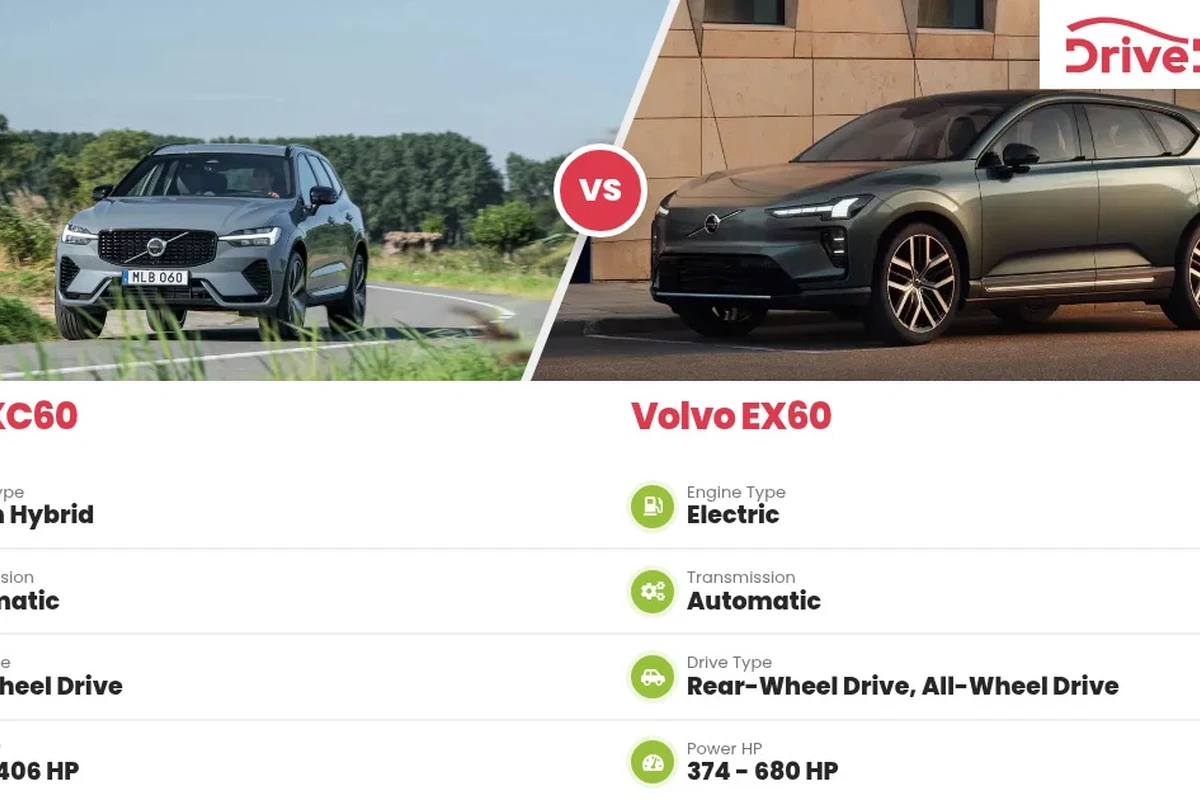
| Feature | 2014 Volvo XC60 | 2016 Volvo XC60 |
|---|---|---|
| Powertrain Options | Available with 3.2L I6 and turbocharged 2.5L I5 | Added T6 Drive-E engine option |
| Safety Features | Standard safety features include stability control and multiple airbags | Enhanced safety with optional Pilot Assist and Collision Avoidance |
| Interior Enhancements | Basic infotainment system with standard materials | Upgraded infotainment with improved touchscreen and quality materials |
| Overall Value | Good value for luxury SUV segment | Improved value with additional features and technology |
Powertrain Options: 2014 vs. 2016 Volvo XC60
The 2014 Volvo XC60 offers a variety of powertrain options, including a 3.2L inline-six, a turbocharged 2.0L four-cylinder, and the more powerful 3.0L turbocharged inline-six.
The 2016 model, while retaining some of these options, introduces a more efficient engine lineup, including a 2.0L four-cylinder with turbocharging (T5) and a supercharged variant (T6). This shift emphasizes performance and fuel efficiency. This area decision also connects with what is the difference between volvo group and volvo cars.
- 2014 XC60: Available engines — 3.2L inline-six, 3.0L turbo inline-six, and 2.0L turbo four-cylinder.
- 2016 XC60: Streamlined engines — 2.0L turbo four-cylinder (T5) and 2.0L supercharged and turbocharged four-cylinder (T6).
- Transmission: Both model years feature a six-speed automatic transmission, ensuring smooth shifting.
- Fuel economy: 2014 models range from 19-25 MPG, while the 2016 models improve to 20-30 MPG depending on the configuration.
Verify your specific trim and engine badge, as options may vary by market and model year. Check Volvo’s official website for detailed specifications.
Safety Features and Ratings Comparison
Safety is a hallmark of the Volvo brand, and both the 2014 and 2016 XC60 models reflect this commitment.
The 2014 XC60 achieved good ratings from both IIHS and NHTSA, but the 2016 model introduced advanced safety features such as City Safety, which includes low-speed collision avoidance, and adaptive cruise control.
These enhancements are designed to improve driver confidence and overall safety.
2014 XC60: Standard safety features include multiple airbags, electronic stability control, and optional adaptive cruise control. 2016 XC60: Adds City Safety technology and pedestrian detection, contributing to higher safety ratings. IIHS Ratings: 2016 models received “Top Safety Pick+” status, whereas the 2014 models were rated as “Top Safety Pick.”. For related risk checks, compare this with difference between 2025 and 2025 5 volvo xc90.
Interior and Cargo Space: Size Matters
Both the 2014 and 2016 XC60 models offer spacious interiors, but the 2016 version features upgraded materials and design changes that enhance comfort and usability. For official guidance on this, see EPA fuel economy guide.
The 2016 model introduces a more modern infotainment system with a larger touchscreen display, improved navigation, and smartphone compatibility. You can also use volvo difference between t5 and t6 as the next practical guide.
- Interior materials: The 2016 XC60 boasts upgraded upholstery and additional soft-touch materials compared to the 2014 model.
- Cargo space: Both models provide ample cargo room, but the 2016 model includes improved storage solutions and a more practical layout.
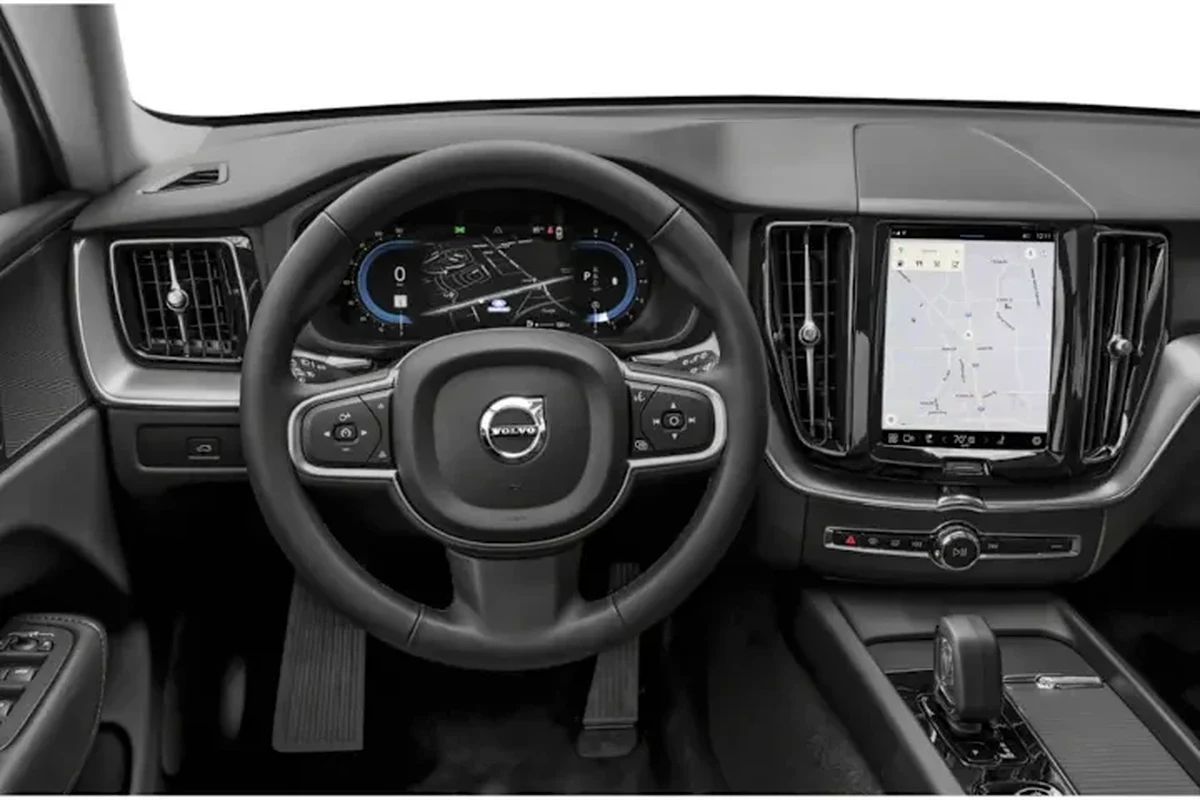
- Infotainment: The 2016 model features a more intuitive Sensus Connect system, enhancing user experience.
Always check the VIN for any outstanding recalls or safety notices before purchasing. Use the official recall database for verification.
Running Costs and Fuel Economy
When considering the running costs, the 2016 XC60 stands out for its improved fuel efficiency and lower emissions, making it a more economical choice for daily drivers. Maintenance costs may also differ slightly due to the newer technology in the 2016 model.
2014 XC60: Average annual maintenance costs range around $1,000. 2016 XC60: Expected maintenance costs may average slightly lower due to improved reliability and efficiency. Fuel economy: 2014 models achieve around 19-25 MPG, while 2016 models can reach 20-30 MPG based on engine and drivetrain. For related context, read volvo xc60 2016 problems.
Assess the ownership costs related to maintenance, fuel consumption, and insurance for each model year to determine which aligns with your budget.
Reliability and Owner Reports
Reliability is a crucial factor for any vehicle. The 2014 XC60 has had some reports of electrical issues and transmission concerns, while the 2016 model has received praise for its dependability and lower incidence of issues. You can also use what are the key safety features of the volvo xc90 as the next practical guide.
Checking consumer reports can provide insight into common problems associated with each model year.
- 2014 XC60: Common issues include electrical problems and occasional transmission complaints.
- 2016 XC60: Generally regarded as more reliable with fewer reported issues.
- Recalls: Ensure to check for any recalls issued for both model years.
Resale Value Considerations
Resale value is an essential factor for buyers considering long-term investment. The 2016 XC60 is likely to retain its value better due to its newer technology and improved safety features, while the 2014 model may depreciate faster as it ages.
2014 XC60: Typically sees a higher depreciation rate as newer models are introduced. 2016 XC60: Higher resale values expected due to demand for newer safety and technology features. Market trends: Research local market conditions for specific resale value insights. For related context, read how do i start my volvo xc60 with key.
The 2016 XC60 was awarded a “Top Safety Pick+” by IIHS, reflecting its advanced safety technologies and features.
Best Fit Buyers for Each Model Year
Determining the ideal buyer for each model year can help prospective owners make a better decision.
The 2014 XC60 may appeal to budget-conscious buyers looking for a reliable luxury SUV, while the 2016 XC60 is better suited for those who prioritize modern technology and safety features. You can also use how to change battery in 2017 volvo xc60 key fob as the next practical guide.
- 2014 XC60: Best for buyers seeking value and reliability.
- 2016 XC60: Ideal for tech-savvy buyers who appreciate enhanced safety and performance.
- Considerations: Evaluate your budget, driving needs, and preferences for technology and safety.
Key Differences Between 2014 and 2016 Volvo XC60
The 2016 Volvo XC60 stands out with significant upgrades over the 2014 model, particularly in powertrain efficiency, advanced safety features, and modernized interior design. For official guidance on this, see IIHS vehicle safety ratings.
Buyers looking for enhanced technology and improved fuel economy will find the 2016 version more appealing, while the 2014 model offers reliable luxury at a better value for budget-conscious consumers.
Evaluate the powertrain options: 2016 introduces more efficient engines. Consider safety features: 2016 includes advanced technologies like City Safety. Assess interior enhancements: 2016 offers upgraded materials and a modern infotainment system.
This guide on difference between 2014 and 2016 volvo xc60 is general information. Rules, fees, rents, salaries, service coverage, product details, and procedures can change, so confirm important points with the manufacturer, retailer, or official app documentation before acting.
Questions Worth Asking
The 2014 Volvo XC60 offers a variety of engines, including a 3.2L inline-six and a 3.0L turbo inline-six, while the 2016 model streamlines its lineup to a more efficient 2.0L four-cylinder with turbocharging (T5) and a supercharged variant (T6). This shift emphasizes improved performance and fuel efficiency in the 2016 model.
While the 2014 XC60 includes standard safety features like multiple airbags and electronic stability control, the 2016 model introduces advanced technologies such as City Safety and pedestrian detection. These enhancements contribute to the 2016 model receiving a “Top Safety Pick+” rating compared to the 2014’s “Top Safety Pick.”
The 2016 XC60 features upgraded upholstery, additional soft-touch materials, and a more intuitive Sensus Connect infotainment system with a larger touchscreen display. These enhancements significantly improve comfort and user experience over the 2014 model.
The 2014 XC60 achieves fuel economy ranging from 19-25 MPG, whereas the 2016 model improves this to 20-30 MPG depending on the configuration. This makes the 2016 XC60 a more economical choice for daily driving.
The 2014 XC60 has experienced reports of electrical issues and transmission concerns, while the 2016 model is generally regarded as more reliable with fewer reported issues. Checking consumer reports can provide additional insights into these reliability differences.
The 2016 XC60 is expected to retain its value better due to newer technology and advanced safety features, while the 2014 model may depreciate faster as it ages. Market trends may also affect the resale value for each model year.
Wrapping Up
The difference between the 2014 and 2016 Volvo XC60 models is significant, especially regarding powertrains, safety features, and overall value.
The 2016 model offers enhancements that make it a compelling choice for many buyers, while the 2014 model still provides a reliable and luxurious SUV option. Ultimately, the best choice depends on individual needs and preferences.
Author

💡 Evans Torres Tip: On every Volvo I have owned, I always keep a full digital service record from day one. When something goes wrong — and eventually something always does — having that history makes diagnosis faster and often saves money at the mechanic. Start your records today, even if the car is not new.