


The Volvo XC90 is a popular luxury SUV, known for its blend of safety and comfort. However, like any vehicle, certain model years have exhibited more problems than others.
When considering the Volvo XC90, it’s crucial to know which volvo xc90 years to avoid for a reliable experience. Some model years are notorious for specific issues that can impact performance and safety, making it essential for potential buyers to be informed.
- Understanding the Reliability Concerns of: The Volvo XC90 is a popular luxury SUV, known for its blend of safety.
- Volvo XC90 Model Years to: While the XC90 has generally good reliability ratings, specific years have been flagged by.
- Engines and Transmissions: Which Ones: The engines and transmissions in the XC90 vary by model year, affecting overall reliability..
- The Importance of Maintenance History: Maintenance history matters for the reliability of any used vehicle, including.
- Inspection Checklist for a Used: Before purchasing a used XC90, conducting a thorough inspection is vital..
Understanding the Reliability Concerns of Volvo XC90
The Volvo XC90 is a popular luxury SUV, known for its blend of safety and comfort. However, like any vehicle, certain model years have exhibited more problems than others.
It’s important to understand the reliability concerns associated with specific years to make an informed decision. For related context, read what engine oil to use for volvo xc90.

Volvo XC90 Model Years to Avoid: A Comprehensive List
While the XC90 has generally good reliability ratings, specific years have been flagged by owners and experts alike. Notable years to approach with caution include:
- 2003-2005: Noted for electrical system failures and transmission issues.
- 2009: Reports of engine performance problems and expensive repairs.
Common Problems in Problematic XC90 Years
These model years often experience recurring issues, such as:
Electrical Failures: Many owners report problems with the electrical system, affecting various components. Transmission Issues: There are frequent complaints about transmission performance, including rough shifting and premature failure. Engine Performance: Problems like stalling and reduced power output are common, especially in the 2009 model year. You can also use why do you need a volvo penta marine engine real guides as the next practical guide.
Be cautious with the 2003, 2004, 2005, and 2009 XC90 models. These years often lead to expensive repairs that could affect your ownership experience.
Engines and Transmissions: Which Ones Are Less Reliable?
The engines and transmissions in the XC90 vary by model year, affecting overall reliability. Here’s a closer look:
- 2.5L Turbo I5 (2003-2005): This engine has been reported to have issues with turbo failure and overall performance.
- 3.2L I6 (2007-2014): Generally more reliable, but still has reports of minor electrical issues.
- 4.4L V8 (2005-2010): Known for higher maintenance costs and issues with timing belts.
Common Issues by System
Understanding which systems are more prone to failure can help prospective buyers. Common areas of concern include: For official guidance on this, see Volvo Cars official website.
Electrical System: Problems with wiring, fuses, and electronic modules. Transmission: Owners frequently report issues with shifting and transmission fluid leaks. Braking System: Some models have experienced premature wear of brake components. For related context, read which engine oil for volvo xc90.
Check the VIN of any XC90 you consider purchasing against the NHTSA database for open recalls or safety issues.
The Importance of Maintenance History
Maintenance history matters for the reliability of any used vehicle, including the XC90. A well-documented service history can indicate how well the vehicle has been cared for. When shopping for a used XC90, consider the following: Use what type of engine oil for xc90 volvo 2004 to compare scope, quotes, and provider questions.
- Regular oil changes and transmission services are essential for longevity.
- Look for any major repairs, especially related to the engine or transmission.
- Avoid vehicles with a history of repeated issues, which may suggest underlying problems.
- Listen for any unusual noises from the engine or transmission.
- Check the responsiveness of brakes and steering.
- Test all electronic components, including infotainment and climate control.
Inspection Checklist for a Used XC90
Before purchasing a used XC90, conducting a thorough inspection is vital. Here’s a checklist of what to look for:
Check for warning lights on the dashboard. Inspect the exterior and interior for signs of damage or neglect. Test the electrical systems, including lights, windows, and infotainment. Ensure the transmission shifts smoothly during a test drive.
What to Look for During a Test Drive
A test drive is crucial for assessing the vehicle’s condition. Pay particular attention to: For related context, read what engine oil for volvo xc90.
- The feel of the steering and suspension – it should be smooth and responsive.
- Unusual noises from the engine or transmission during acceleration.
- Braking performance – the vehicle should stop smoothly without pulling to one side.
Realistic Cost Exposure for Repairs on Problematic Years
Understanding potential repair costs is essential when considering a used XC90. Common issues can lead to significant expenses:
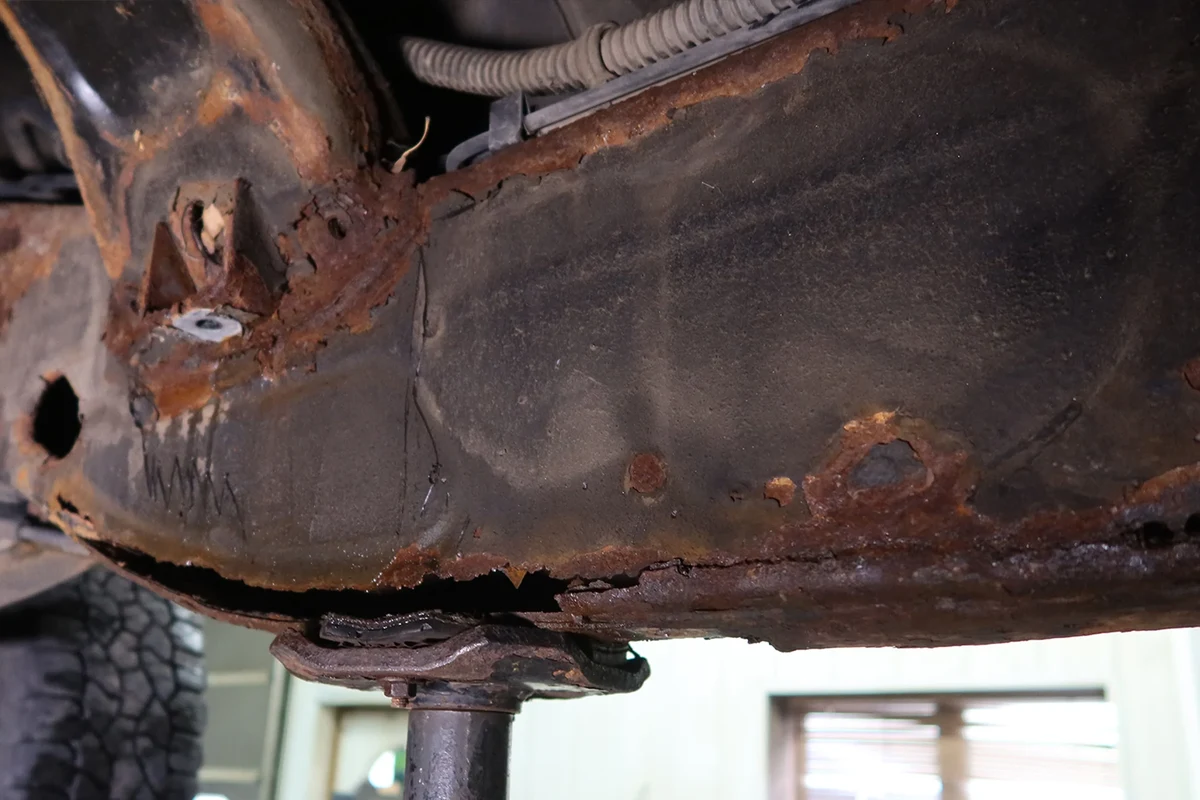
Electrical Repairs: Costs can vary widely, often ranging from $200 to $1,200 depending on the issue. Transmission Problems: Rebuilding or replacing a transmission can cost anywhere from $3,000 to $5,000. Engine Repairs: Major engine work may cost upwards of $2,500, especially if turbo components need replacement. Use best engine oil for volvo xc90 to compare scope, quotes, and provider questions.
Average Repair Costs for Common Issues
Here’s a closer look at the average costs associated with common repairs:
- Electrical system repairs: $300 – $1,200.
- Transmission repairs: $2,500 – $5,000.
- Engine-related repairs: $1,500 – $3,000.
Before purchasing, consider the maintenance history and ask for documentation to gauge potential future costs.
Recalls and Their Impact on Reliability
Recalls can significantly impact the reliability of specific XC90 model years. It’s crucial to check if the vehicle has undergone all necessary recalls. Common recalls for the problematic years include: For official guidance on this, see NHTSA recall lookup by VIN.
2003-2005: Electrical system failures and airbag issues. 2009: Problems with the fuel system that could lead to stalling. For related context, read best engine for volvo xc90.
Verifying Reliability: Resources for Potential Buyers
Potential buyers can access various resources to verify the reliability of a used XC90:
- NHTSA Database: Check for recall information and consumer complaints.
- Consumer Reports: Review reliability ratings and owner feedback.
- Online Forums: Engage with owner communities to learn about common issues.
Verify that all recall work has been completed on any XC90 you consider. Use the VIN to check the NHTSA database.
Volvo XC90 Years to Avoid for Reliable Driving
When considering a Volvo XC90, it’s important to avoid the 2003-2005 and 2009 model years, which are known for significant reliability issues including electrical failures, transmission problems, and engine performance concerns.
Being informed about these problematic years can help ensure a more trouble-free driving experience.
Check the vehicle’s history for electrical system repairs. Inspect the transmission for signs of rough shifting. Verify that all relevant recalls have been addressed. This also connects with cost of volvo scheduled maintenance after 3 years before you pay, sign, or book.
This guide on volvo xc90 years to avoid is general information. Rules, fees, rents, salaries, service coverage, product details, and procedures can change, so confirm important points with the manufacturer, retailer, or official app documentation before acting.
Questions Worth Asking
The 2003, 2004, and 2005 Volvo XC90 models are notorious for electrical system failures. These issues can affect various components, leading to reliability concerns for potential buyers.
The 2003-2005 and 2009 XC90 models frequently experience complaints about transmission performance, including rough shifting and premature failure. This can lead to costly repairs and a less satisfactory ownership experience.
The 2009 XC90 has been reported to have significant engine performance problems, including stalling and reduced power output. These issues can result in expensive repairs, making it a model year to approach with caution.
Electrical system repairs for the problematic XC90 years can range from $300 to $1,200, depending on the specific issue. This variability can significantly impact ownership costs for these model years.
Prospective buyers can check for recalls by using the vehicle’s VIN to access the NHTSA database. Ensuring that all necessary recall work has been completed is crucial for reliability and safety.
Buyers should look for regular oil changes and transmission services in the maintenance history of a used XC90. Also, a documented history of major repairs, especially related to the engine or transmission, can indicate the vehicle’s reliability.
Wrapping Up
When exploring volvo xc90 years to avoid , it’s essential to focus on specific model years that have shown reliability concerns.
By doing thorough research and inspections, you can make an informed decision and potentially avoid the pitfalls of owning a problematic XC90.
Author

💡 Evans Torres Tip: On every Volvo I have owned, I always keep a full digital service record from day one. When something goes wrong — and eventually something always does — having that history makes diagnosis faster and often saves money at the mechanic. Start your records today, even if the car is not new.