


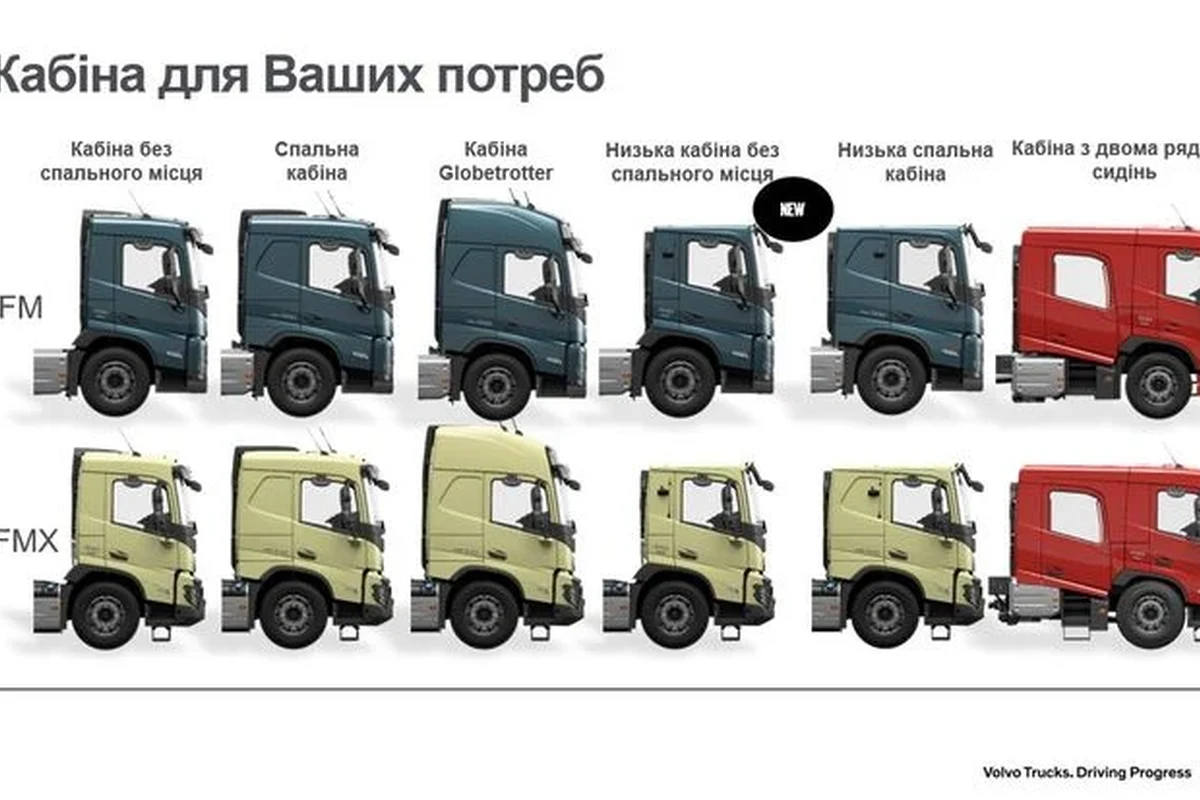
The Volvo FM and FMX are both heavy-duty trucks designed for different operational needs. While they share similarities, such as the high-quality engineering typical of Volvo, they differ significantly in design and application.
When considering the volvo fm vs fmx, understanding the differences in performance and suitability for various applications is crucial. Both trucks cater to different needs, making it essential for potential buyers to evaluate their specific requirements.
- Volvo FM vs FMX: Understanding: The Volvo FM and FMX are both heavy-duty trucks designed for different operational needs..
- Performance Comparison: Volvo FM and: Performance is a critical factor when comparing the FM and FMX..
- Powertrain Options: Which is Right: Both the FM and FMX come with various powertrain options to suit different needs..
- Safety and Driver-Assist Technologies: Safety is critical in commercial vehicles, and both the FM and FMX are equipped.
- Running Costs: What to Expect: Running costs can vary significantly between the FM and FMX..
Volvo FM vs FMX: Understanding the Key Differences
The Volvo FM and FMX are both heavy-duty trucks designed for different operational needs. While they share similarities, such as the high-quality engineering typical of Volvo, they differ significantly in design and application.
The FM is tailored for urban and regional transport, focusing on efficiency and comfort, while the FMX is built for more rugged conditions, excelling in off-road scenarios.
Key Performance Criteria for Volvo FM vs FMX
When comparing the Volvo FM and FMX, assessing their performance based on specific criteria is vital to making an informed decision. For another location comparison, read which is better mercruiser vs volvo penta.
- Engine Options: Consider the FM’s up to 500 HP and 2,500 Nm torque versus the FMX’s up to 540 HP and 2,600 Nm torque for heavy-duty needs.
- Fuel Efficiency: Evaluate the FM’s average of 8 MPG compared to the FMX’s 7.5 MPG, particularly if operating costs are a concern.
- Payload Capacity: The FM supports a payload capacity of up to 18,000 kg, while the FMX offers a higher capacity of up to 21,000 kg for rugged applications.
- Typical Usage: Identify whether your operations align more with the FM’s urban delivery focus or the FMX’s construction and heavy-duty application suitability.
- Safety Features: Review the FM’s lane-keeping assist and adaptive cruise control against the FMX’s stability control and traction management for off-road safety needs.
| Criteria | Volvo FM | Volvo FMX |
|---|---|---|
| Design Purpose | Urban and regional transport | Rugged off-road conditions |
| Focus | Efficiency and comfort | Durability and performance |
| Typical Usage | City deliveries and logistics | Construction and heavy-duty applications |
Performance Comparison: Volvo FM and FMX
Performance is a critical factor when comparing the FM and FMX. The two trucks offer different engine options, power outputs, and handling capabilities that cater to their intended uses. This area decision also connects with volvo xc60 vs bmw x3 which is better.
| Feature | Volvo FM | Volvo FMX |
|---|---|---|
| Engine Options | Up to 500 HP, 2,500 Nm Torque | Up to 540 HP, 2,600 Nm Torque |
| Fuel Efficiency | Average 8 MPG | Average 7.5 MPG |
| Payload Capacity | Up to 18,000 kg | Up to 21,000 kg |
Logistics managers and fleet owners requiring reliable urban transport or solid off-road capability.
Volvo FM and FMX models from 2020 onwards.
You need a truck primarily for highway use with less emphasis on payload.
Powertrain Options: Which is Right for You?
Both the FM and FMX come with various powertrain options to suit different needs. The FM typically offers a range of 6-cylinder D11 and D13 engines, while the FMX features more solid configurations designed for heavy-duty applications. For official guidance on this, see EPA fuel economy guide.
Choosing the right powertrain depends on your specific usage, whether for urban deliveries or off-road operations. For related context, read volvo ex90 vs ex60 performance.
Safety and Driver-Assist Technologies
Safety is critical in commercial vehicles, and both the FM and FMX are equipped with advanced safety features.
The FM includes systems like lane-keeping assist and adaptive cruise control, while the FMX offers additional features for rough terrain, including enhanced stability control and traction management. This also connects with which car is better volvo or mercedes before you pay, sign, or book.
Confirm the availability of specific FM and FMX configurations in your market, and check the engine badge and trim options against your VIN.
Running Costs: What to Expect
Running costs can vary significantly between the FM and FMX. The FM, with its focus on fuel efficiency for urban driving, typically incurs lower operating costs.
In contrast, the FMX, while designed for tougher environments, may have higher maintenance costs due to its heavy-duty components. For related context, read which is a better car volvo or audi.
Verify safety features and recall status for your intended model through the official Volvo database or authorized dealer.
Reliability and Owner Reports
Both models are known for their reliability, but owner reports suggest that the FM excels in urban settings, while the FMX is praised for its durability in more demanding conditions. It’s important to consider the specific use case when assessing reliability. You can also use which car is better volvo or honda as the next practical guide.

Best-Fit Buyers for the FM and FMX
The ideal buyers for the Volvo FM are logistics companies focusing on urban and regional distribution, where maneuverability and fuel efficiency are key. For official guidance on this, see Volvo Cars official website.
In contrast, the FMX is better suited for construction and off-road operations, appealing to those needing robustness and payload capacity. For related context, read which car is better volvo or toyota.
Consider factors such as fuel efficiency, maintenance history, and warranty status when evaluating overall ownership costs.
Balanced Verdict: Which Truck Comes Out on Top?
In the volvo fm vs fmx comparison, each truck has its strengths. The FM is more efficient and comfortable for urban use, while the FMX offers superior durability and capacity for off-road applications. You can also use which car is better volvo or lexus as the next practical guide.
Your choice should depend on your specific needs—urban efficiency or rugged capability.
Choosing Between Volvo FM and FMX: Key Performance Insights
When deciding between the Volvo FM and FMX, consider your operational requirements: the FM is ideal for urban logistics with its efficiency and comfort, while the FMX excels in rugged conditions with superior payload capacity and durability.
Assess engine options, fuel efficiency, and safety features to determine which model aligns best with your specific needs.
- Evaluate engine specifications: FM offers up to 500 HP vs. FMX’s 540 HP.
- Analyze fuel efficiency: FM averages 8 MPG compared to FMX’s 7.5 MPG.
- Consider typical usage: FM for city deliveries, FMX for construction and off-road tasks.
This guide on volvo fm vs fmx is general information. Rules, fees, rents, salaries, service coverage, product details, and procedures can change, so confirm important points with the manufacturer, retailer, or official app documentation before acting.
Quick Questions, Answered
The Volvo FM offers engine options up to 500 HP with 2,500 Nm of torque, while the FMX has a more powerful option with up to 540 HP and 2,600 Nm of torque. This difference caters to the distinct performance needs of urban versus off-road applications.
The Volvo FM has an average fuel efficiency of 8 MPG, making it more suitable for urban driving. In contrast, the FMX offers slightly lower fuel efficiency at 7.5 MPG due to its focus on rugged performance.
The Volvo FMX has a higher payload capacity of up to 21,000 kg, designed for heavy-duty applications. In comparison, the FM’s payload capacity is up to 18,000 kg, making it better suited for urban logistics.
The Volvo FM is equipped with safety features like lane-keeping assist and adaptive cruise control, focusing on urban environments. Meanwhile, the FMX includes additional features for rough terrain, such as enhanced stability control and traction management.
Running costs for the Volvo FM are generally lower due to its emphasis on fuel efficiency for urban driving. Conversely, the FMX may incur higher maintenance costs because of its heavy-duty components suitable for tough environments.
The Volvo FM is best suited for logistics companies focused on urban and regional distribution, where maneuverability and fuel efficiency are essential. The FMX is more appropriate for construction and off-road operations, appealing to buyers needing robustness and high payload capacity.
Final Thoughts
Ultimately, both the Volvo FM and FMX offer unique benefits tailored to different operational demands. Evaluating your specific needs, whether for urban logistics or heavy-duty tasks, will guide you to the right choice.
Author

💡 Evans Torres Tip: On every Volvo I have owned, I always keep a full digital service record from day one. When something goes wrong — and eventually something always does — having that history makes diagnosis faster and often saves money at the mechanic. Start your records today, even if the car is not new.