



When your car emits a gas smell, it’s essential to look for additional signs that can indicate a fuel leak. Common indicators include:
If your Volvo smells like gas, it likely indicates a serious issue with the fuel system, such as a leak or a faulty component. Addressing this problem promptly is crucial for safety and vehicle performance.
- Understanding Why Your Volvo Smells: Experiencing a gas smell in your Volvo can be alarming and indicates a potential.
- Common Causes of a Gas: Understanding what might cause the gas smell in your vehicle can help you determine.
- Diagnosing the Problem: Steps to: Diagnosing the source of the gas smell involves a few key steps..
- Risks of Ignoring a Gas: Ignoring a gas smell can lead to serious safety concerns and vehicle damage..
- Next Steps: How to Fix: After diagnosing the issue, here are practical steps to address the gas smell in.
Understanding Why Your Volvo Smells Like Gas
Experiencing a gas smell in your Volvo can be alarming and indicates a potential fuel system issue. This section will help you identify the signs of a fuel leak, guiding you toward understanding the underlying problems.
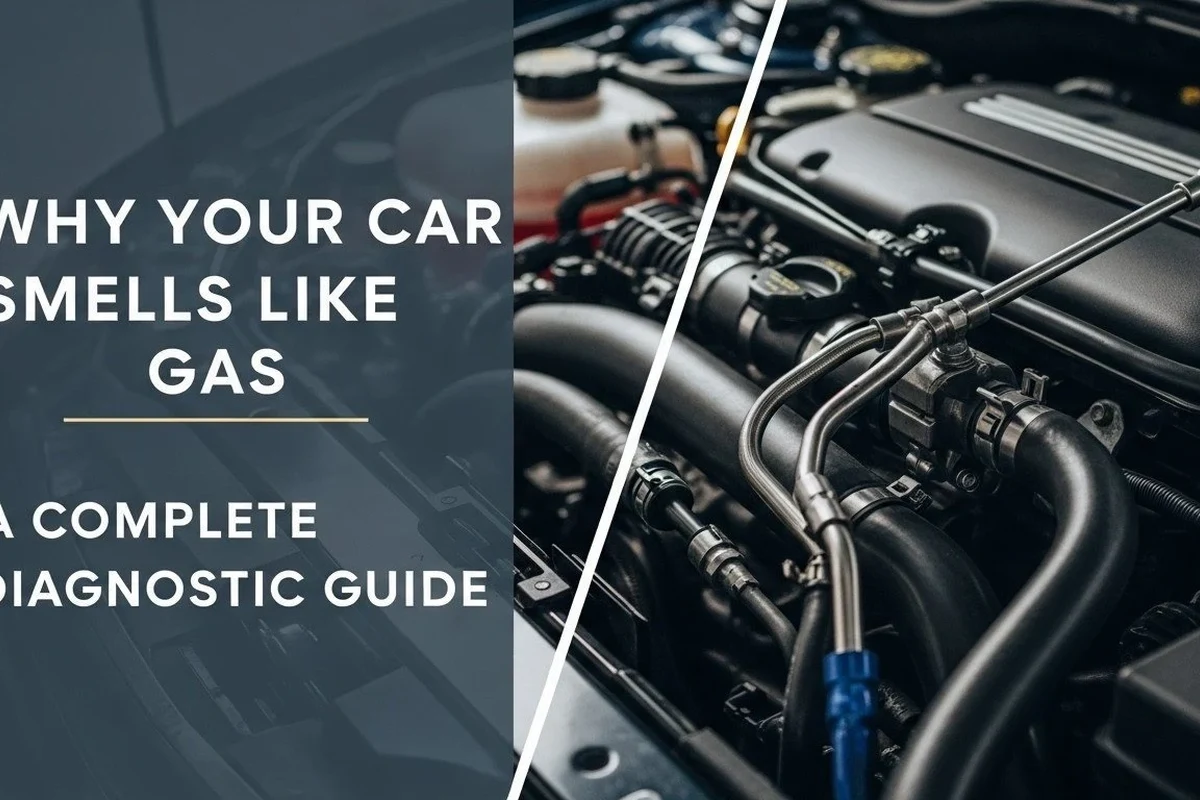
Identifying the Signs of a Fuel Leak
When your car emits a gas smell, it’s essential to look for additional signs that can indicate a fuel leak. Common indicators include: For related context, read how to fix a floppy car visor volvo.
- Strong odor of gasoline, especially when the engine is running.
- Visible fuel stains underneath the vehicle.
- Lower fuel efficiency than normal.
- Engine performance issues, such as rough idling or stalling.
Noticing these signs should prompt immediate investigation and action to avoid further complications.
Check for VIN-based recall notices related to fuel system issues. Always ensure that any repairs are performed by a qualified technician.
Common Causes of a Gas Smell in Your Volvo
Understanding what might cause the gas smell in your vehicle can help you determine the next steps. Here are some common issues to consider.
Potential Fuel System Issues
Fuel leaks can occur from several points in the fuel system, including:
Fuel injectors: Over time, these can wear out, leading to leaks. Fuel lines: Damaged or corroded lines can result in leaks. Fuel tank: A punctured or rusted fuel tank may cause fuel to escape.
Regular maintenance and inspections can help catch these issues before they become serious problems. For official guidance on this, see NHTSA recall lookup by VIN.
Impact of a Faulty Gas Cap
A common yet often overlooked cause of a gas smell is a faulty gas cap. If the gas cap is damaged, cracked, or not properly sealed, it can allow fuel vapors to escape. You can also use how to fix a floppy car visor on a volvos as the next practical guide.
Always check that your gas cap is tight and in good condition.
Document any previous fuel system repairs and check your service history for recurring issues related to fuel smells.
Diagnosing the Problem: Steps to Take
Diagnosing the source of the gas smell involves a few key steps. Here’s what to do next.
Visual Inspections and Basic Checks
Start by conducting a visual inspection of your vehicle:
- Check for fuel leaks under the car.
- Inspect the condition of the fuel lines and connections.
- Examine the fuel tank for any signs of damage.
Document any visible leaks or issues, as this information will be useful when consulting a mechanic.
When to Use Diagnostic Tools
If you can’t find any visible leaks, consider using diagnostic tools. An OBD-II scanner can help detect issues related to fuel system performance that may not be immediately visible. For related context, read how to fix safety mode on a volvo stationwagon.
Risks of Ignoring a Gas Smell in Your Car
Ignoring a gas smell can lead to serious safety concerns and vehicle damage. It’s vital to understand the implications of inaction.
Potential Safety Hazards
Gasoline is highly flammable, and a fuel leak can pose a significant fire risk. Also, inhaling gasoline vapors can be harmful to your health. If you smell gas, avoid starting the vehicle until the issue is resolved.
Long-term Damage to Your Vehicle
Neglecting a gas smell can lead to more severe issues, such as engine damage or failure of fuel system components. Regular checks can help prevent costly repairs down the line. You can also use how to fix safety mode on a volvo station wagon as the next practical guide.
Verify any common issues reported for your specific Volvo model and year to understand what to expect.
Next Steps: How to Fix the Gas Smell
After diagnosing the issue, here are practical steps to address the gas smell in your Volvo.

DIY Solutions for Minor Issues
If you determine that the problem is a faulty gas cap, you can replace it yourself. Ensure you purchase the correct cap for your model, as specified in your owner’s manual. For official guidance on this, see EPA fuel economy guide.
When to Consult a Professional Mechanic
If the issue is beyond your ability to fix, consult a qualified mechanic. It’s essential to address fuel leaks promptly to ensure your safety and the proper functioning of your vehicle. For related context, read how to change car key battery volvo xc60.
- Listen for unusual sounds from the fuel system.
- Check for dashboard warning lights related to the fuel system.
- Smell for gas odors when the engine is running.
Volvo Model-Specific Insights on Fuel System Issues
Different Volvo models may exhibit unique fuel system problems. Understanding these can help you be more vigilant.
Common Complaints by Model
Some Volvo models, such as the XC60 and S60, have reported fuel system-related complaints more frequently than others. Researching forums or owner reports can provide insight into specific issues you might encounter.
Service Bulletins and Recalls
Keep an eye on service bulletins and recalls related to your specific model. The National Highway Traffic Safety Administration (NHTSA) is a valuable resource for checking your VIN against any active recalls. Use how to open gas cap on volvo xc60 to compare scope, quotes, and provider questions.
💡 Evans Torres Tip: If you smell gas while driving, pull over safely and turn off the engine. This can help prevent any dangerous situations.
Why Does My Car Smell Like Gas?
If your car smells like gas, it may be due to a fuel system issue, potentially indicating a leak or faulty component. Promptly addressing these concerns is vital for safety and vehicle performance.
Common signs of a fuel leak include strong gasoline odors, visible fuel stains, and poor engine performance. Always investigate immediately to prevent serious hazards.
Check for visible fuel leaks under the vehicle. Inspect the gas cap for damage or improper sealing. Conduct a visual check of fuel lines and the fuel tank for signs of wear. For related context, read how to open gas tank on volvo xc60 2021.
This guide on why does my car smell like gas is general information. Rules, fees, rents, salaries, service coverage, product details, and procedures can change, so confirm important points with the manufacturer, retailer, or official app documentation before acting.
Quick Questions, Answered
Common signs of a fuel leak in your Volvo include a strong odor of gasoline, visible fuel stains underneath the vehicle, and lower fuel efficiency than normal. Also, engine performance issues like rough idling or stalling may also indicate a fuel system problem.
Start with a visual inspection of your vehicle, looking for fuel leaks under the car and checking the condition of the fuel lines and connections. Also, examine the fuel tank for any signs of damage, as these are common sources of gas smells.
A faulty gas cap can allow fuel vapors to escape if it is damaged, cracked, or not properly sealed. Always ensure that your gas cap is tight and in good condition to prevent this issue.
If you cannot identify any visible leaks or if the problem seems beyond your ability to fix, it’s essential to consult a qualified mechanic. Addressing fuel leaks promptly is crucial for your safety and the proper functioning of your vehicle.
Ignoring a gas smell can pose significant safety hazards, including the risk of fire due to gasoline being highly flammable. Also, neglecting the issue can lead to long-term damage to your vehicle, such as engine failure or problems with the fuel system components.
Begin by conducting a visual inspection for leaks and signs of damage in the fuel system, documenting any findings. If no visible issues are present, consider using an OBD-II scanner to detect performance-related problems that may not be immediately apparent.
The Bottom Line
If you’re wondering why your car smells like gas, it’s crucial to investigate the issue immediately. From checking for leaks to understanding the potential causes, taking the right steps can prevent safety hazards and costly repairs.
Always consult a professional mechanic if you’re unsure about any findings.
