



The Volvo XC90 engine specifications vary by model year and trim. Most recent models feature a B6 or B5 engine, offering balanced power and efficiency.
The Volvo XC90 is a premier luxury SUV, known for its blend of performance, safety, and spacious interior. Understanding the engine specifications for different model years and trims is essential for potential buyers and current owners alike.
This information not only helps in making an informed purchase but also aids in maintenance and troubleshooting.
- The XC90 features various engine options, including the B6 and B5 engines.
- Engine specifications differ by model year and trim level.
- Performance metrics like horsepower and torque vary significantly across models.
- Understanding engine specs is crucial for maintenance and performance optimization.
- Real-world performance can differ based on driving conditions and vehicle load.
Volvo XC90 Engine Specifications Overview
| Model Year | Engine Type | Horsepower | Torque | Fuel Type |
|---|---|---|---|---|
| 2023 | B6 AWD | 295 hp | 310 lb-ft | Gasoline |
| 2022 | B5 AWD | 247 hp | 258 lb-ft | Gasoline |
| 2021 | T8 Plug-In Hybrid | 455 hp | 523 lb-ft | Gasoline/Electric |
| 2020 | T6 AWD | 316 hp | 295 lb-ft | Gasoline |
| 2019 | T5 FWD | 250 hp | 258 lb-ft | Gasoline |
Model-Year Variations in Engine Specifications
Engine specifications for the Volvo XC90 have evolved significantly over the years. The latest models, such as the 2023 XC90, feature the B6 engine, delivering 295 horsepower and 310 lb-ft of torque. This engine offers a smooth and responsive driving experience while maintaining fuel efficiency.

In comparison, the 2022 model introduced the B5 engine, which provides 247 horsepower and 258 lb-ft of torque. While slightly less powerful, the B5 engine is designed to enhance efficiency, making it a great option for everyday driving.
Hybrid Options
The XC90 also features hybrid models, notably the T8 Plug-In Hybrid. This variant combines a gasoline engine with electric motors, offering a combined output of 455 horsepower and a massive 523 lb-ft of torque. The T8 is perfect for those who prioritize performance and eco-friendliness.
For related context, you may also want to read difference between 2025 5 and 2026 Volvo XC90.
Performance Metrics
In terms of performance, the XC90 provides a balanced experience. The B6 engine excels in acceleration, while the T8 hybrid offers impressive torque for rapid starts. These specifications make the XC90 suitable for various driving conditions, from city commuting to highway cruising.
Real-World Meaning of Engine Specifications
Understanding the real-world implications of these engine specifications is crucial. For instance, the B6 engine’s 295 horsepower translates to robust performance, allowing for confident overtaking and smooth highway driving.
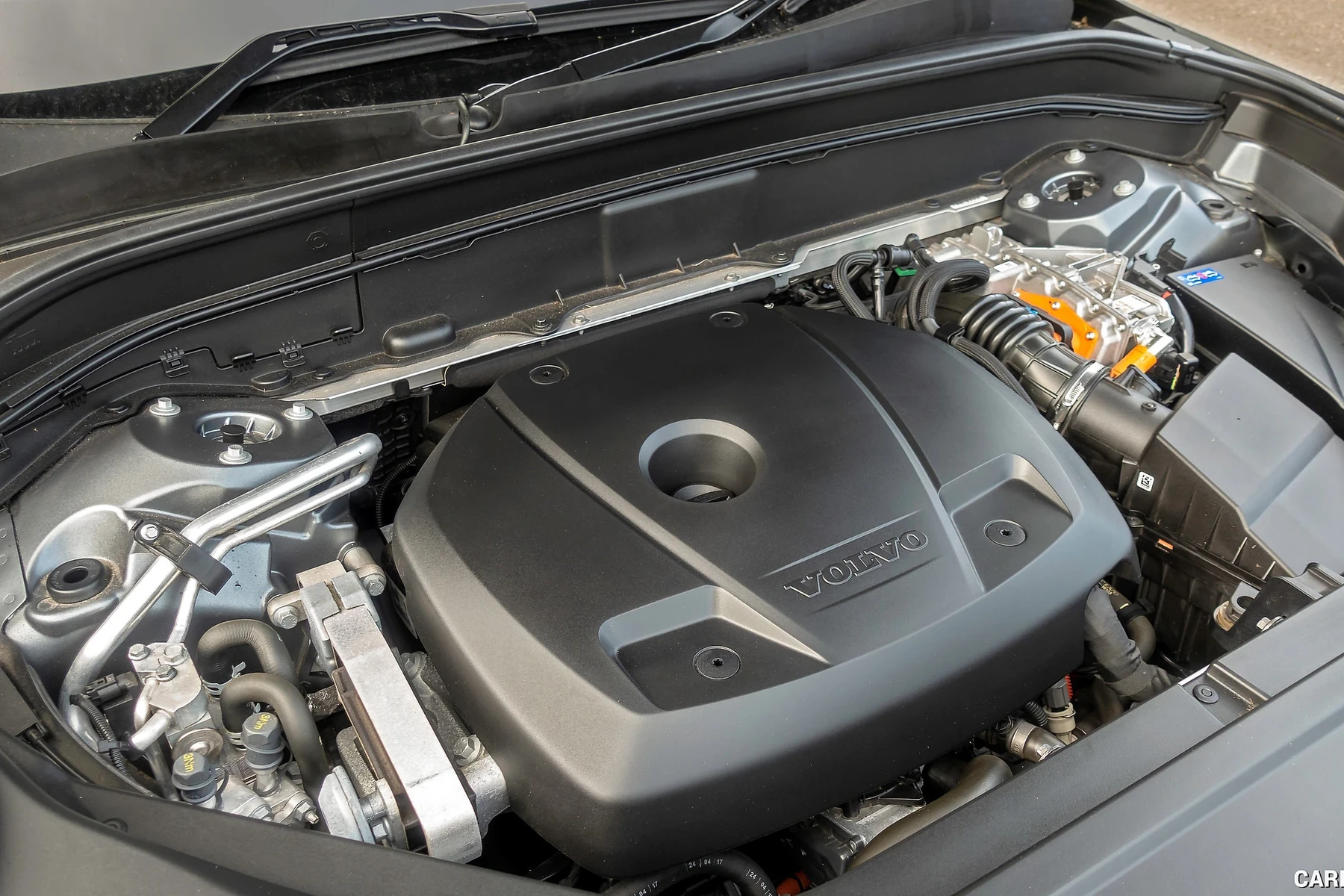
Conversely, the B5 may be geared more towards fuel economy. Drivers can expect less power but better mileage, making it a practical choice for daily use. For owners interested in towing or off-road capabilities, the higher torque figures of the T8 can be beneficial.
Maintenance Considerations
Regular maintenance is essential for keeping the XC90 running smoothly. Each engine variant has specific maintenance schedules and requirements. For example, the T8 hybrid system necessitates additional care for its electric components, which can be a factor for cost-conscious owners.
For more information on maintaining your XC90, check out our article on the Volvo Maintenance Schedule for XC90.
💡 Evans Torres Tip: Always keep an eye on the engine oil levels and quality for your XC90. Using the right engine oil can significantly impact performance and longevity.
Frequently Asked Questions
What Are the Engine Options for the 2023 Volvo XC90?
The 2023 Volvo XC90 primarily features the B6 engine, which produces 295 horsepower and 310 lb-ft of torque. A T8 Plug-In Hybrid variant is also available, providing 455 horsepower.
How Does the B5 Engine Compare to the B6 in Terms of Efficiency?
The B5 engine is designed for better fuel efficiency, offering lower horsepower at 247 but achieving impressive mileage for daily driving.
What Should I Consider When Choosing Between the Hybrid and Gasoline Engines?
Consider your driving habits. The hybrid T8 offers more power and torque but requires more maintenance. The gasoline engines are simpler and may be more cost-effective in the long run.
Can I Use Regular Gasoline in My Volvo XC90?
While you can use regular gasoline, it is recommended to use premium fuel for optimal performance, especially in models featuring the B6 and T8 engines.
What Are Common Engine Issues with the Volvo XC90?
Common issues may include oil leaks, electrical failures, or performance-related troubles. Regular maintenance can help mitigate many of these concerns. For a detailed list, check our article on Volvo XC90 Engine Issues.
Final Verdict
The Volvo XC90 engine specifications vary significantly across model years and trims, impacting performance and efficiency. Understanding these differences can help you make informed decisions about maintenance and upgrades. Whether you choose the B5, B6, or T8 hybrid, each engine has unique strengths that cater to different driving needs.
Author

Author

Evans Torres
I’m Evans Torres, an automotive engineer who loves Volvo cars. I graduated in Automotive Engineering from USC. I have worked in the car industry for years and now share my knowledge on The Volvo Life. I started this blog to connect with other Volvo fans. I offer tips, news, and advice to help you care for your car. My goal is to help you keep your Volvo in great shape and find all the best things about it. Join me as we discover everything Volvo has to offer!